

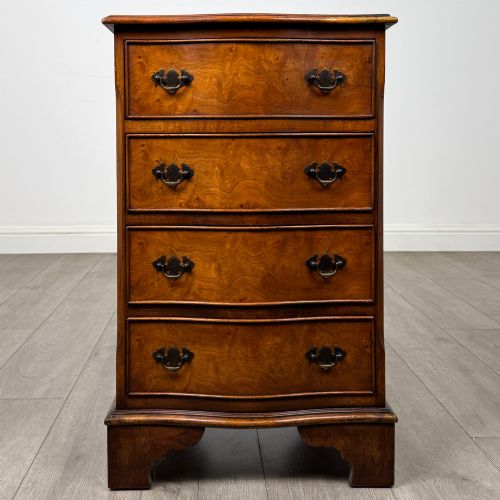
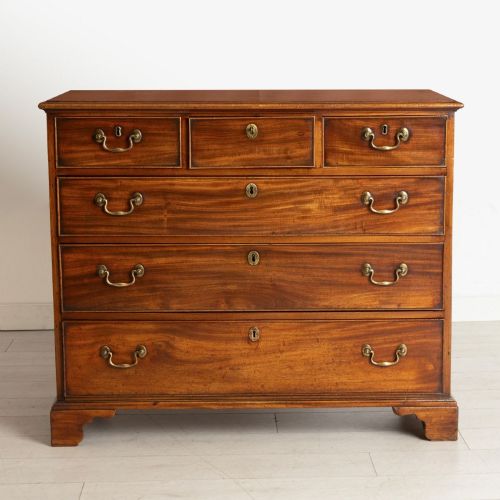
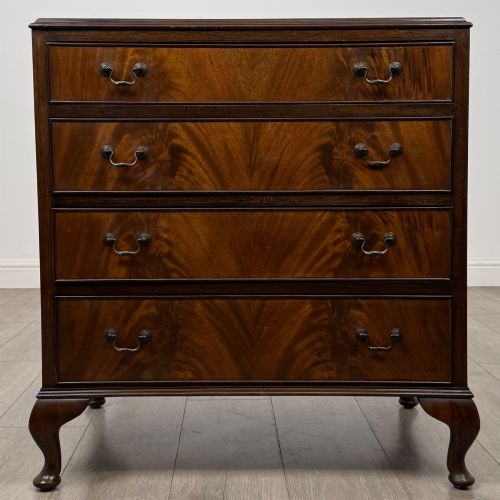
Traditional Mahogany Commode
These traditional mahogany commodes and chests of drawers offer practical storage grounded in centuries of cabinet-making skill.
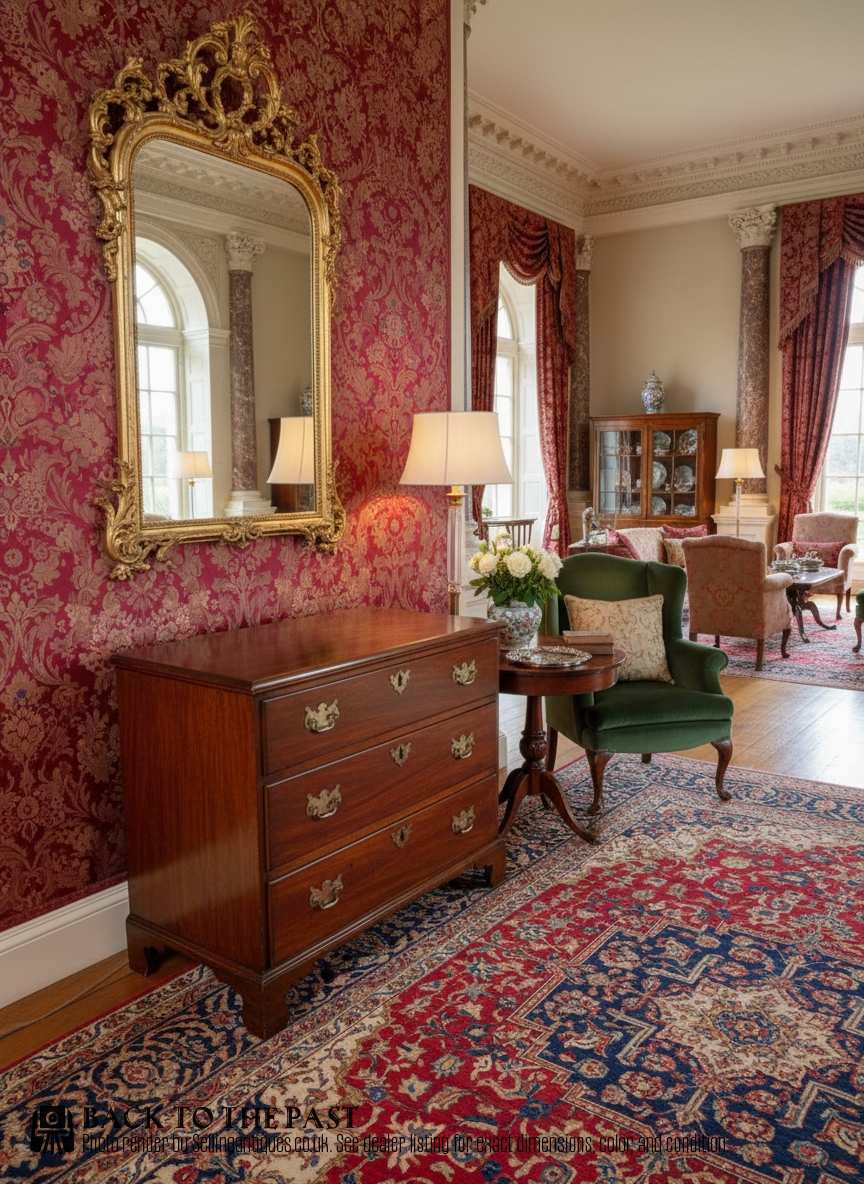
Traditional Mahogany Commode
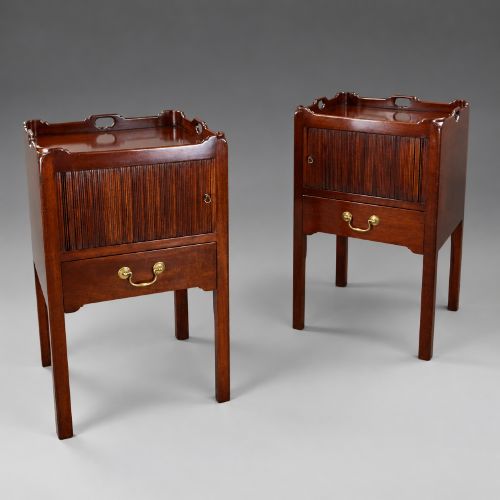
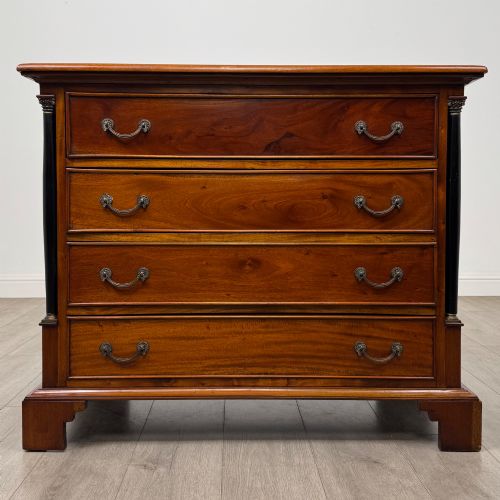
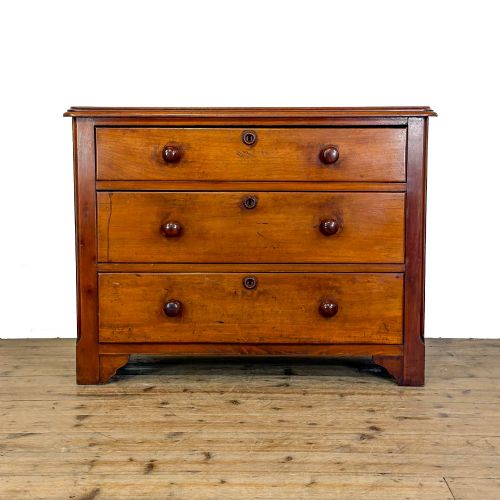
A traditional mahogany commode typically takes the form of a chest of drawers or a bedside cabinet, serving utilitarian storage needs in bedrooms and living spaces. Buyers search for these pieces to introduce warm timber tones and dependable construction into domestic interiors.
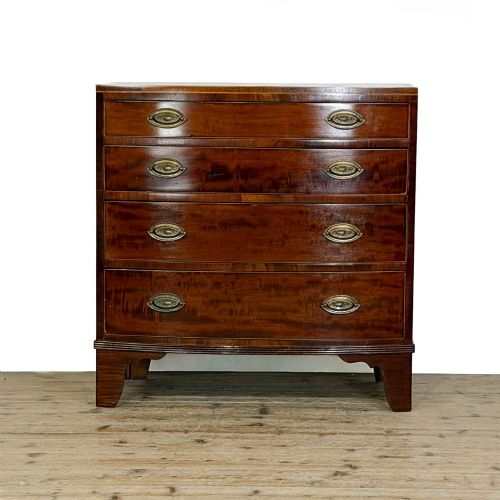
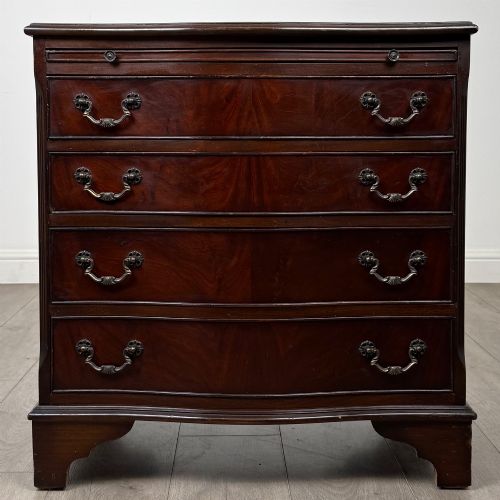
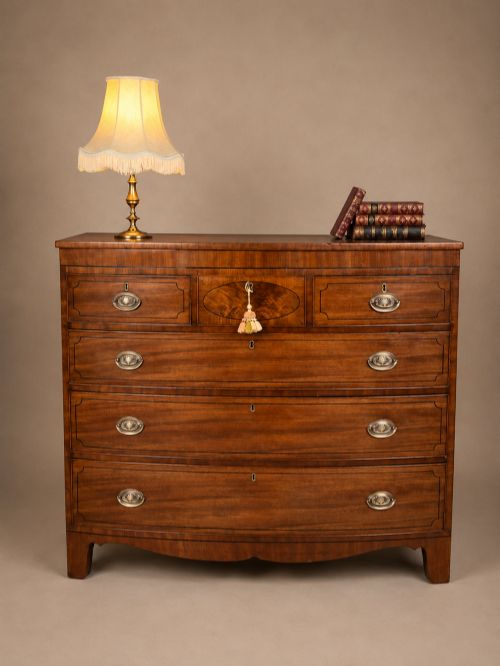
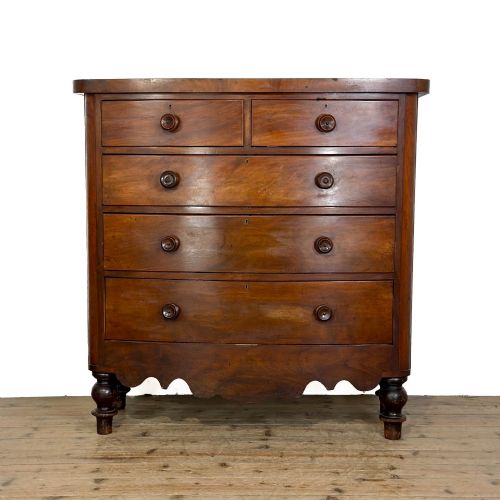
The selections available span multiple eras, most frequently appearing in Georgian, Regency, and Victorian iterations alongside Edwardian revivals. Bow-front and serpentine configurations are common variations among these forms.
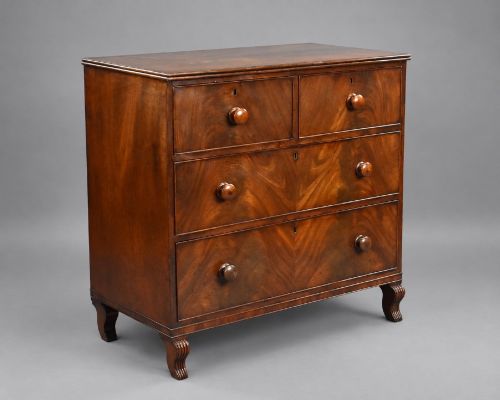
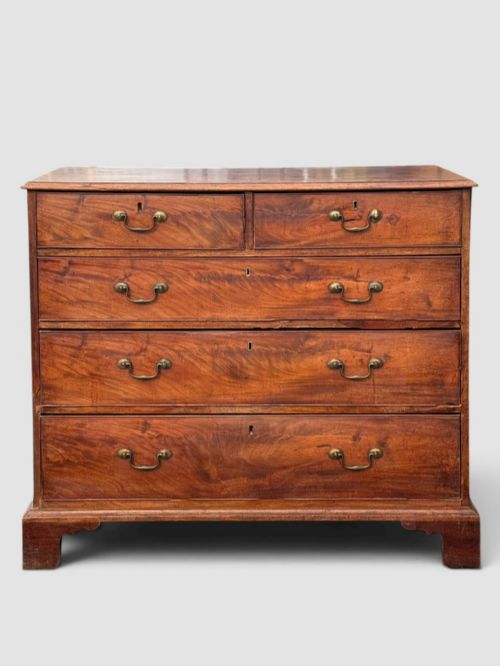
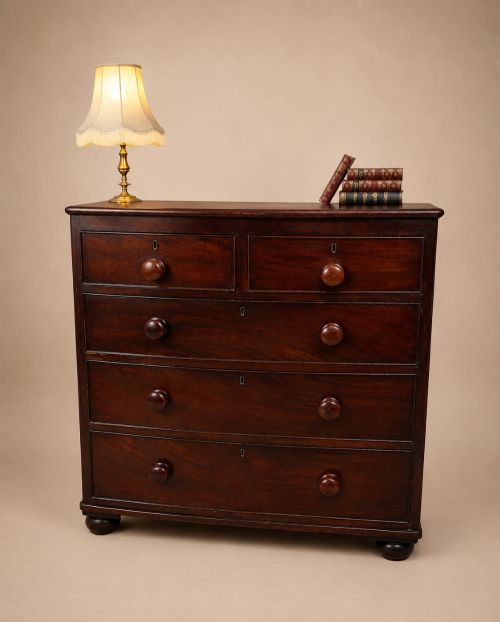
Originating predominantly from British workshops, the pieces often feature characteristic drawer arrangements such as two small drawers over three large ones. Bedside tables and miniature versions also feature within the broader category.
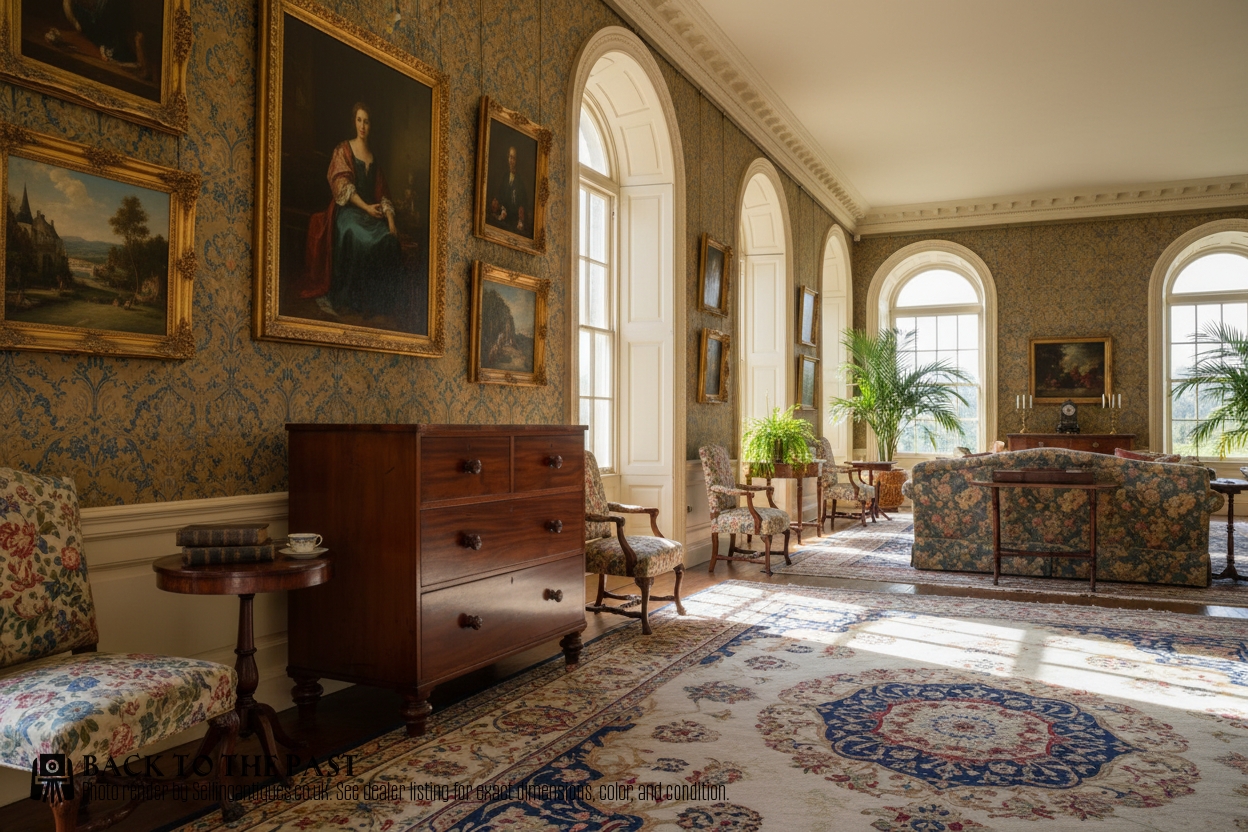
Materials and construction methods
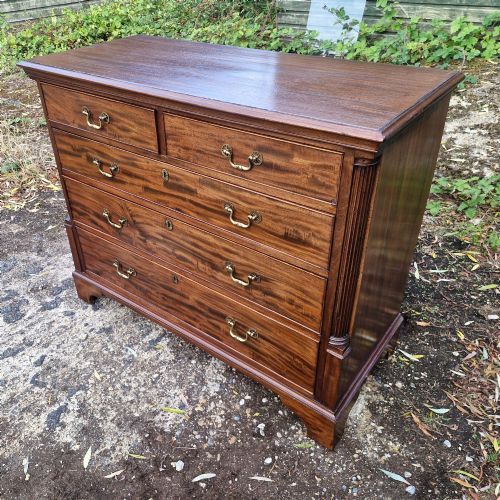
Cabinet-makers relied heavily on solid mahogany and flame mahogany veneer applied over secondary timbers like pine and oak. This combination provided stability and a striking figured grain across primary surfaces.
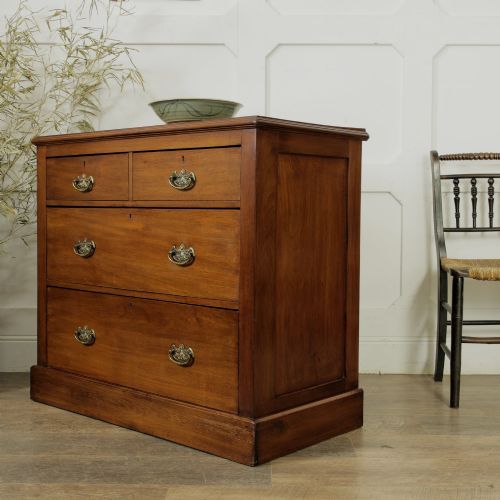
Metal components such as brass handles and pulls added functional contrast to the dark wood. Joinery techniques ensured durable drawer construction capable of withstanding daily use over generations.
Traditional Mahogany Commode Retail Price Guide 2026
Typical asking prices for traditional mahogany commode among the pieces listed under this phrase on Sellingantiques today, from the lower quarter to the upper quarter. They describe what is for sale here now, not the wider market.
Listings include mahogany, oak, pine, and brass across 18th-century, Georgian, Regency, Victorian, and Edwardian periods.
Determinants of quality
Quality rests upon the selection of timber veneers and the precision of the cabinet-making. Superior examples display carefully matched flame mahogany patterns that flow seamlessly across drawer fronts.
The refinement of proportion and the integrity of secondary woods dictate the standing of an individual piece. Subtle details in the handling of serpentine or bow-front shapes distinguish finer workshops from standard production.
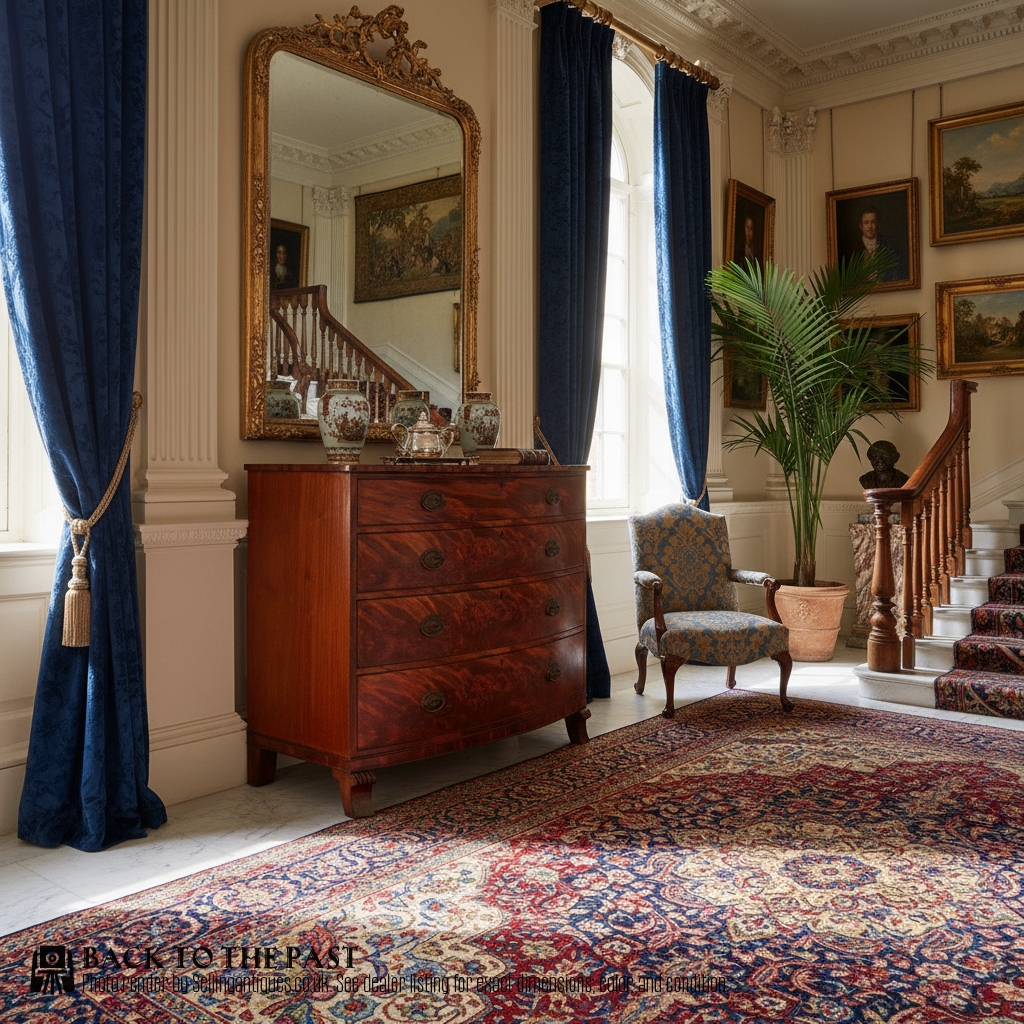
The Traditional Mahogany Commode Glossary
- Bow front
- A cabinet front that curves outward in a convex shape. This style gained widespread popularity during the Georgian and Regency periods.
- Serpentine
- A front configuration featuring a concave centre flanked by convex curves. It requires advanced woodworking skill to execute properly.
- Flame mahogany
- A veneer cut from timber where the grain resembles flickering flames. Cabinet-makers reserved this decorative wood for prominent surfaces.
- Secondary wood
- Internal or structural timber such as pine or oak used in areas not immediately visible. Its quality indicates the overall standard of construction.
- Commode
- A low piece of furniture containing drawers or cupboards. In earlier periods, the term frequently designated bedside night tables.
Traditional Mahogany Commode: Frequently Asked Questions
How do I date a traditional mahogany commode?
Dating relies upon examining construction methods, hardware styles, and the secondary woods used inside the drawers. Georgian and Regency pieces show hand-cut dovetails and specific timber choices that differ from later Victorian and Edwardian manufacturing.
Cabinet hardware and the thickness of drawer linings also provide chronological markers. Comparing these physical traits against known period styles helps establish the approximate decade of production.
Where should I place a commode at home?
These chests function effectively in bedrooms as primary clothes storage or in hallways as statement surfaces. Their traditional proportions allow them to sit comfortably against walls in living rooms without dominating the floor plan.
Bedside cabinets work well beside lower bed frames, offering enclosed storage for small nighttime items. Maintaining a moderate distance from direct heat sources protects the mahogany and veneer from drying out.
What is the difference between a chest and a commode?
While modern usage often treats the terms interchangeably, historical definitions separate them by form and specific function. A chest typically provides stacked drawer storage, whereas a commode frequently denotes a lower bedside cabinet or night table.
Both forms utilise mahogany and share decorative traits across the Georgian and Victorian eras. Examining the internal layout clarifies whether the piece was built for general garments or bedside utility.
How do I care for mahogany furniture?
Regular dusting with a soft cloth prevents surface accumulation without harming the polished finish. Avoiding harsh chemical polishes preserves the natural depth of the timber.
Keeping the piece away from direct sunlight prevents the mahogany from fading unevenly over time. Stable indoor humidity levels protect the underlying wood and veneer from movement.