
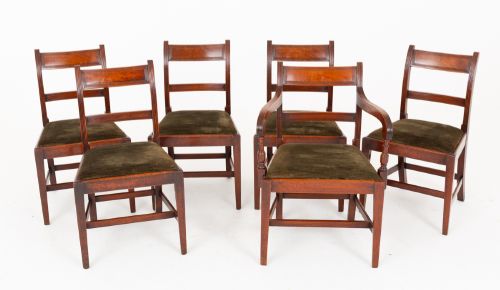
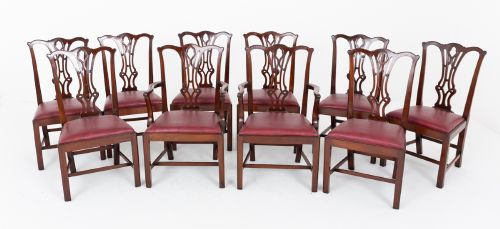
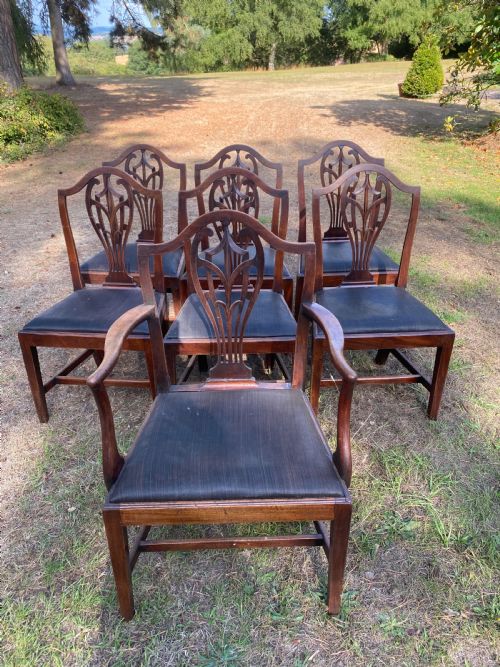
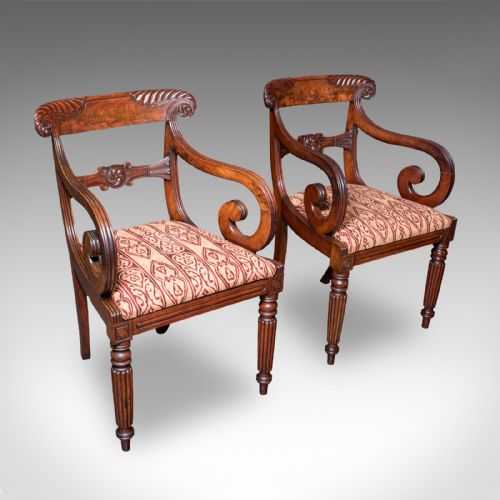
Traditional Mahogany Carver
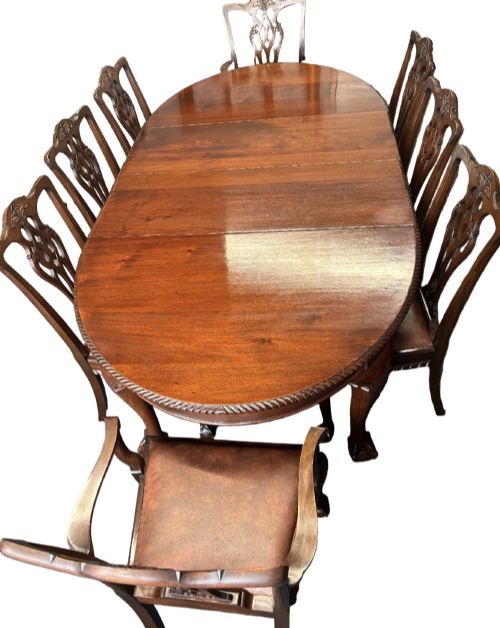
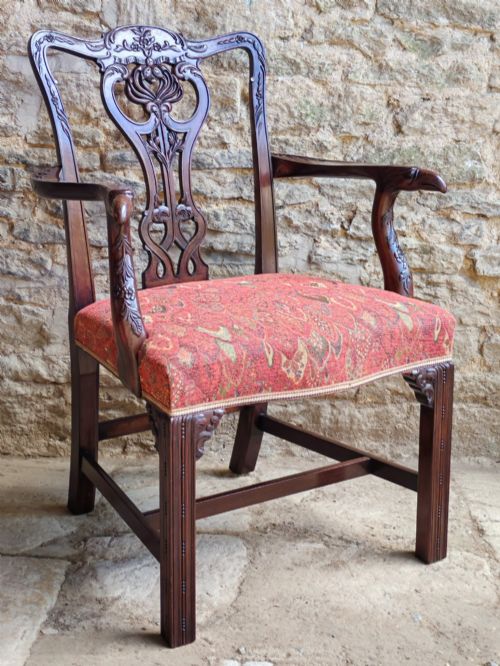
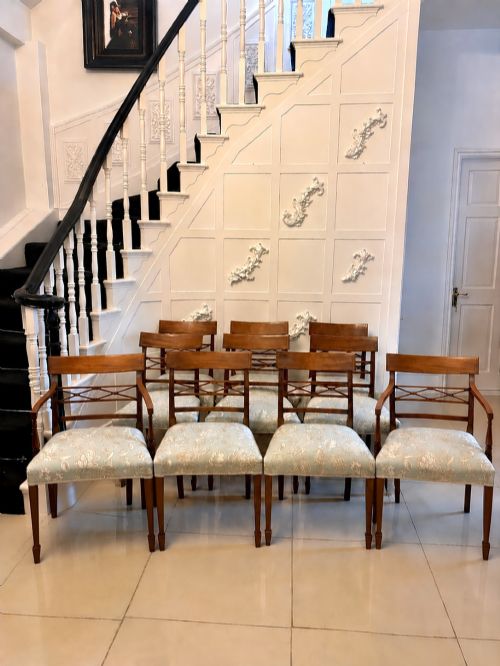
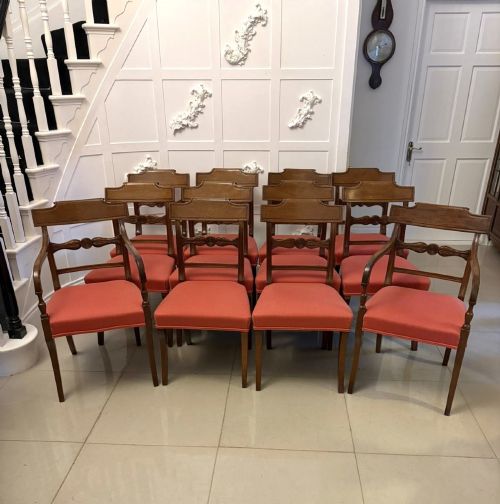
These traditional mahogany carver chairs provide the sturdy arm support and formal presence that anchor a proper dining room.
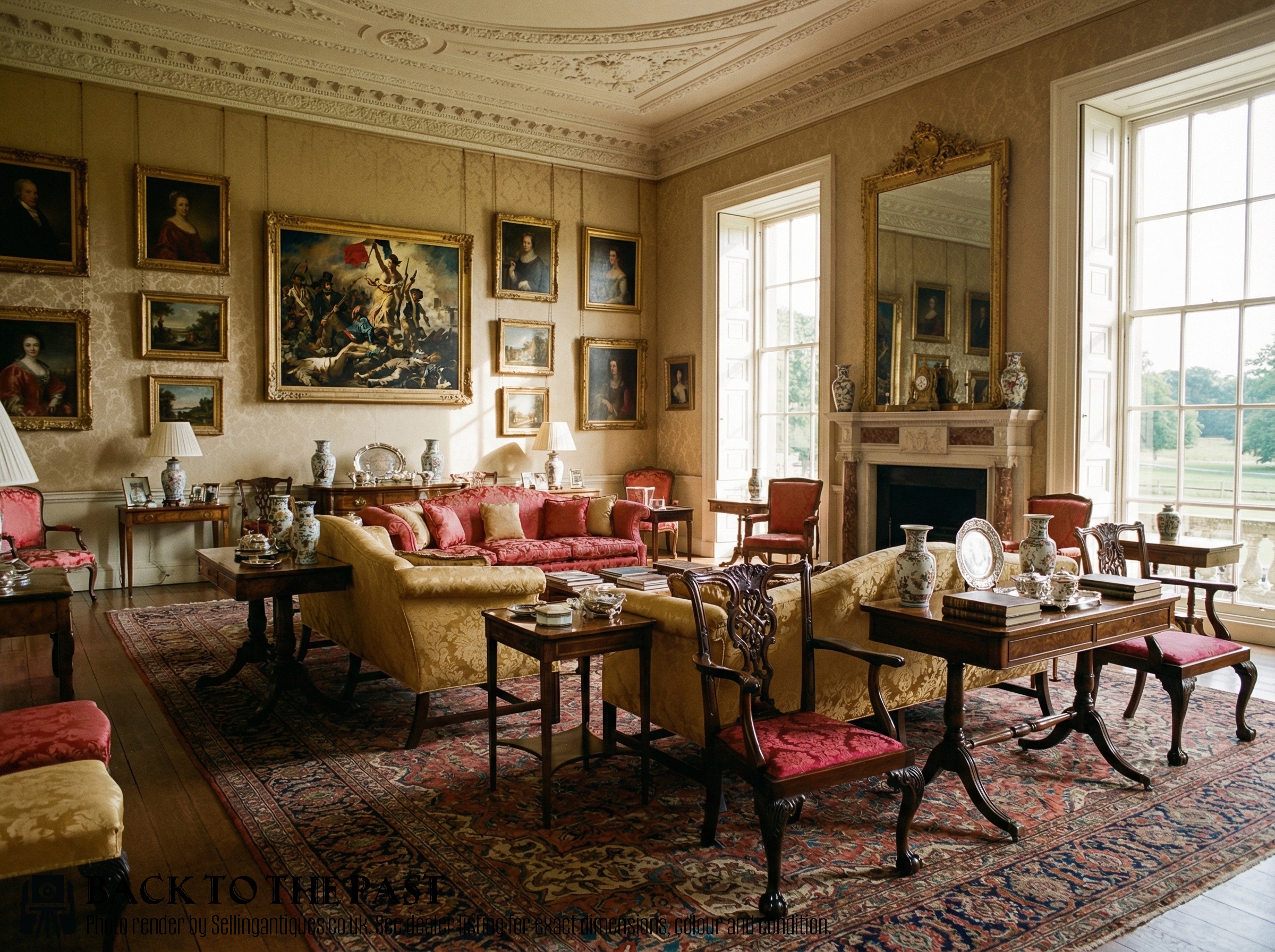
Traditional Mahogany Carver
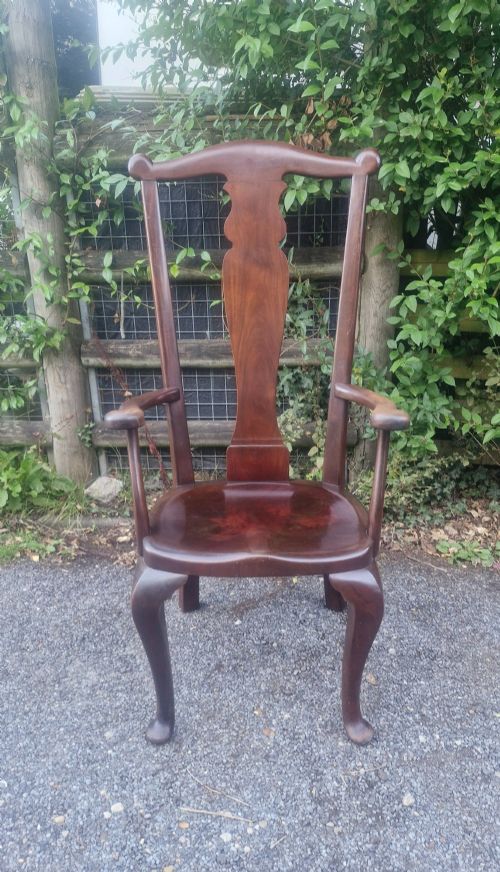
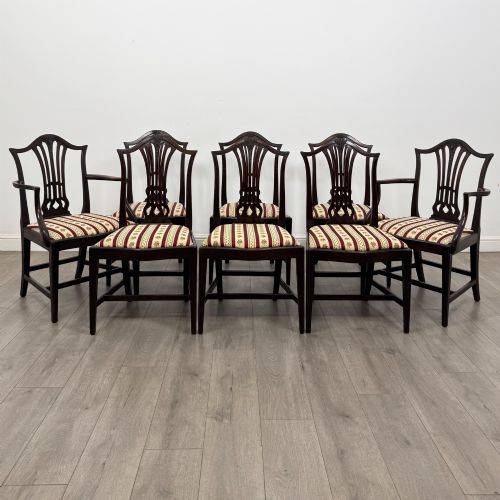
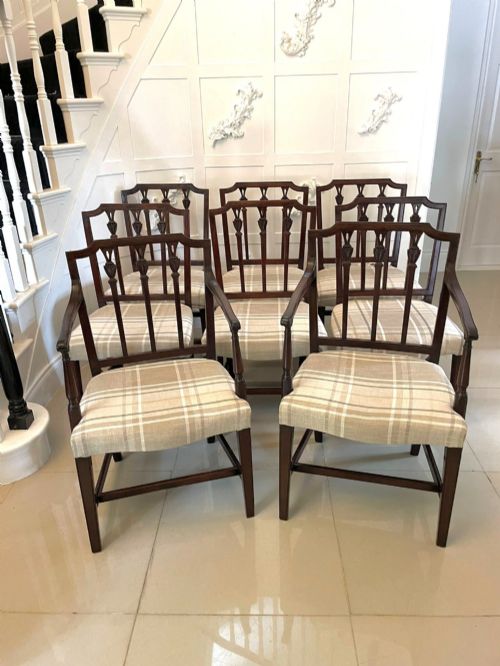
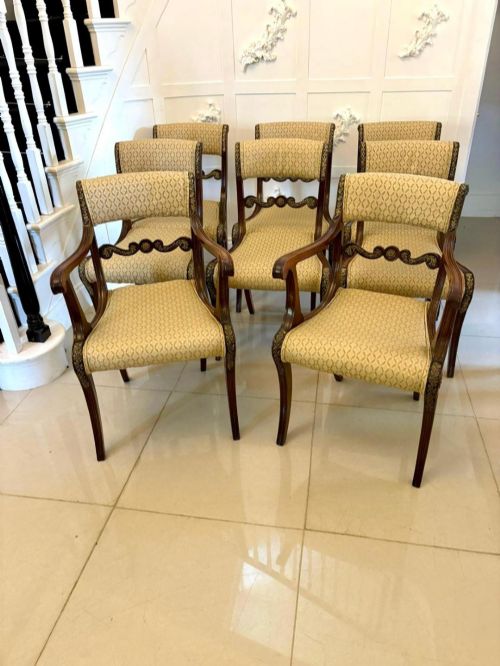
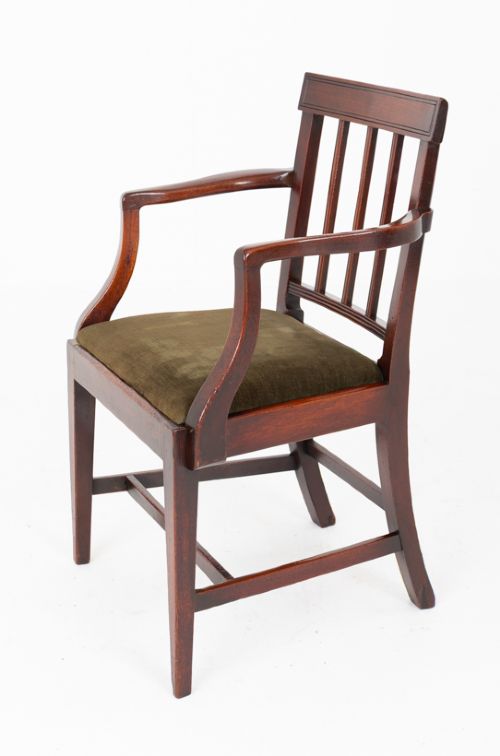
A traditional mahogany carver is an armchair designed to sit at the head of a dining table, matching a set of smaller side chairs. These seating pieces appear frequently in Georgian, Regency, and Victorian styles, often featuring alongside sets of dining chairs or standing as individual desk chairs.
Makers produced these armchairs in various regional interpretations, from 18th-century George III forms to Edwardian and later revival pieces. The defining characteristics remain the substantial timber frame and the outward-curving elbow rests designed to accommodate formal attire.
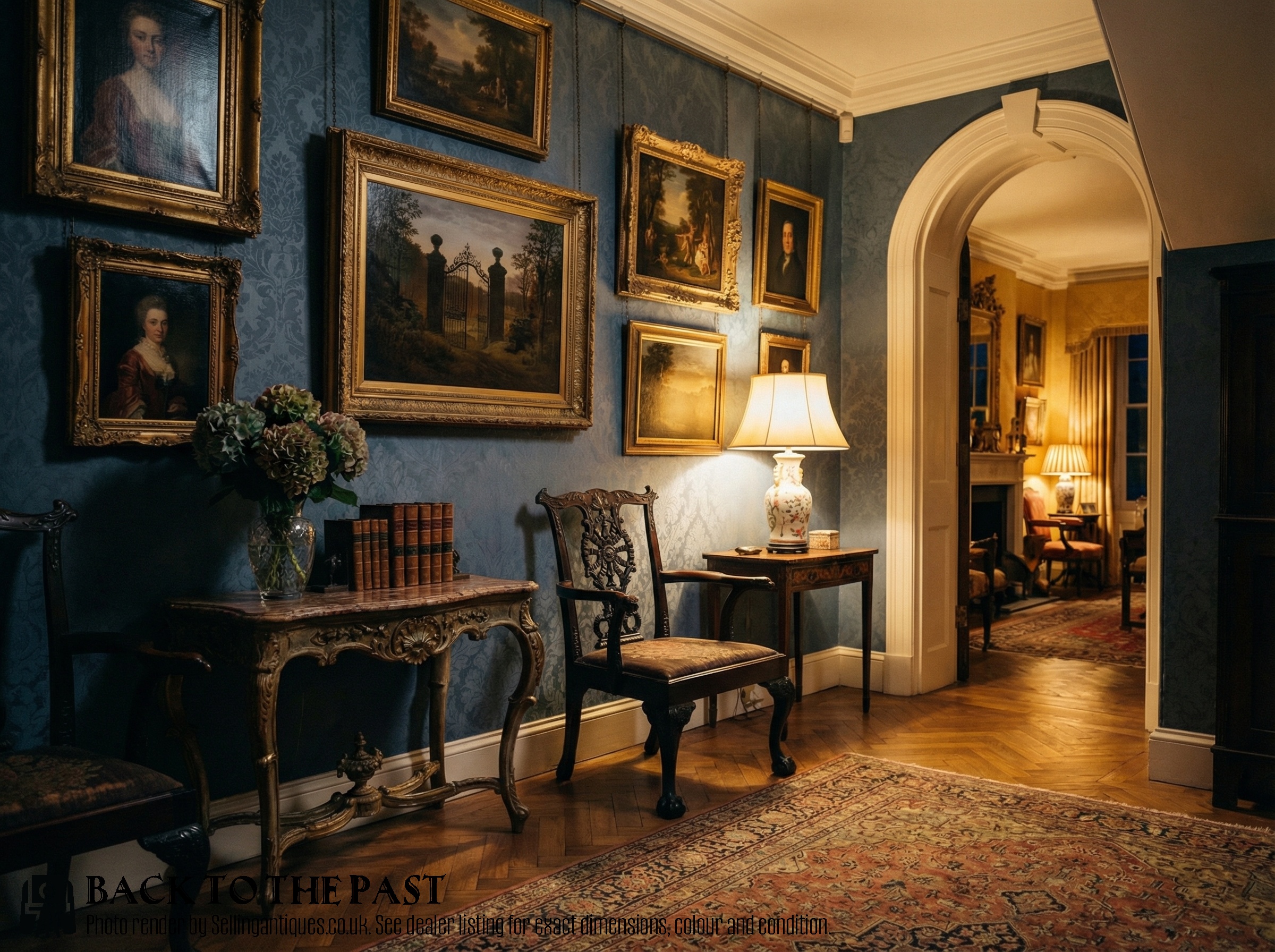
How they were made
Craftsmen shaped dense mahogany timbers using traditional joinery, securing frames with mortise and tenon joints to withstand decades of daily use at the dining table. Turnings, carved splats, and reeded legs received hand-finishing with chisels and rasps before polishing.
Upholstery materials varied from horsehair stuffing covered in leather, velvet, or woven fabric to woven cane panels fitted directly into wooden seat frames. Brass tacks frequently secured the edges of leather and fabric coverings to the wooden rails.
Traditional Mahogany Carver Retail Price Guide 2026
Typical asking prices for traditional mahogany carver among the pieces listed under this phrase on Sellingantiques today, from the lower quarter to the upper quarter. They describe what is for sale here now, not the wider market.
Listings span the Georgian, Regency, Victorian, and Edwardian periods, utilising mahogany alongside cane, leather, fabric, and brass.
What varies in quality
The crispness of the wood carving determines much of the visual merit, distinguishing deeply hand-chiseled splats and arms from softer, machine-milled revival details. Timber selection also dictates the outcome, with dense grain and rich natural figuring lifting a piece above plain stock.
Structural integrity relies on the tightness of the original joints and the weight of the timber used in the arms and back uprights. Heavier frames with minimal timber replacement command stronger interest among collectors seeking original condition.
Howard and Sons·Warings·Maple and Co·Alfred Allen of Birmingham
The Traditional Mahogany Carver Glossary
- Carver
- An armchair designed for the head of a dining table, built to match a set of smaller single chairs. These seats typically feature sweeping elbow rests.
- Shield Back
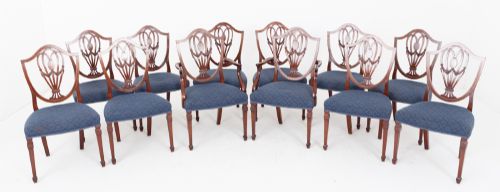
- A chair back shaped like a heraldic shield, popularised by Hepplewhite in the 18th century and widely copied in later revivals. The wooden framework surrounds a pierced central splat.
- Ropeback
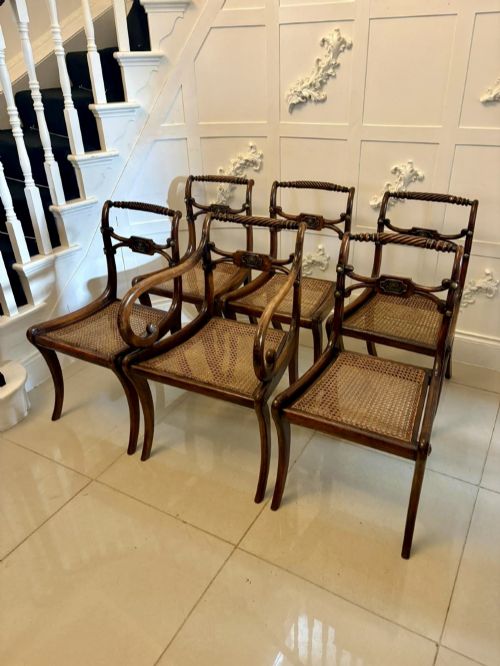
- A chair design incorporating carved rope motifs into the horizontal top rail or back splats. This detail appeared frequently on dining chairs around the turn of the 19th century.
- Cane
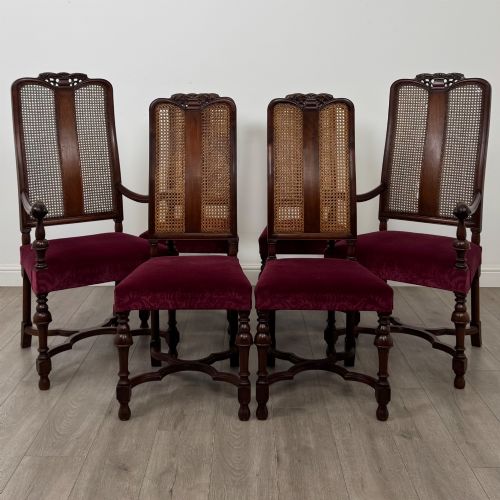
- Split rattan woven into an open mesh pattern to form lightweight, flexible seat or back panels. This material allowed ventilation and added texture to the seating.
Traditional Mahogany Carver: Frequently Asked Questions
What is a traditional mahogany carver used for?
These armchairs served as the primary seat at the head and foot of a dining table for the host and hostess. The distinct arm rests provided added comfort during long meals and formal gatherings.
Beyond the dining room, similar elbow chairs functioned as desk seats or reception chairs in morning rooms and libraries. Their sturdy timber construction suited daily administrative tasks and fireside reading.
How do I identify a Georgian carver?
Georgian carvers display dense mahogany timber with deep, hand-cut patination developed over centuries of polishing. Construction details often include pegged joints and robust proportions without the lighter decorative veneer work seen later.
Design motifs typical of the period involve pierced splats, carved cabriole legs, or straight tapering legs with spade feet. Regional cabinet makers built these pieces to prioritise structural strength before ornamentation.
Can I mix carvers with different dining chairs?
Mixing a carver with non-matching dining chairs requires careful attention to timber tone, arm height, and overall period style. Mahogany varies significantly in colour and grain depending on its age and species.
Matching the wood finish and the general silhouette helps maintain visual balance around the table. Many historical sets naturally paired a single carver with matching side chairs.
How do I care for antique mahogany wood?
Maintaining mahogany surfaces involves regular dusting with a soft, dry cloth to prevent grit from accumulating in the grain and carvings. Avoiding direct sunlight and sudden temperature shifts protects the timber from splitting.
Occasional application of traditional beeswax feeds the wood and preserves the surface sheen without building up synthetic residues. Harsh chemical cleaners can strip the antique polish and damage the underlying patina.