
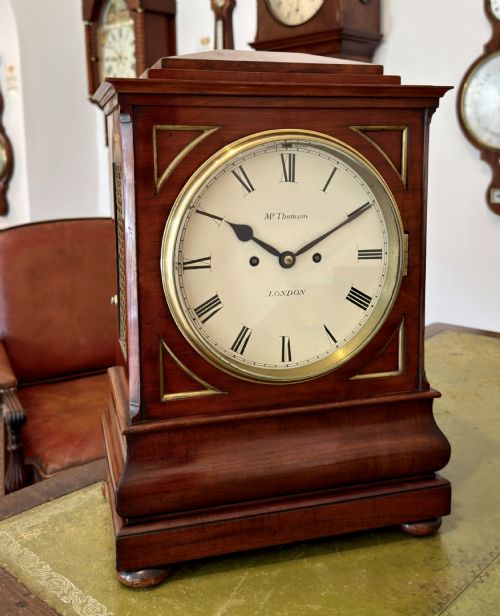
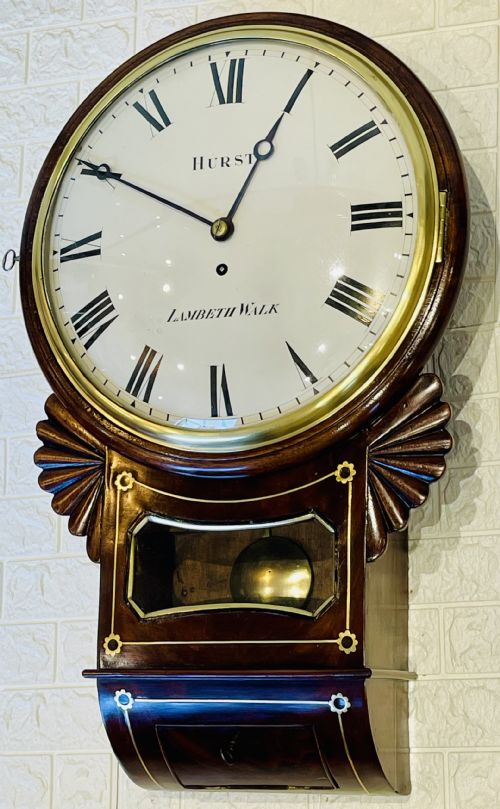

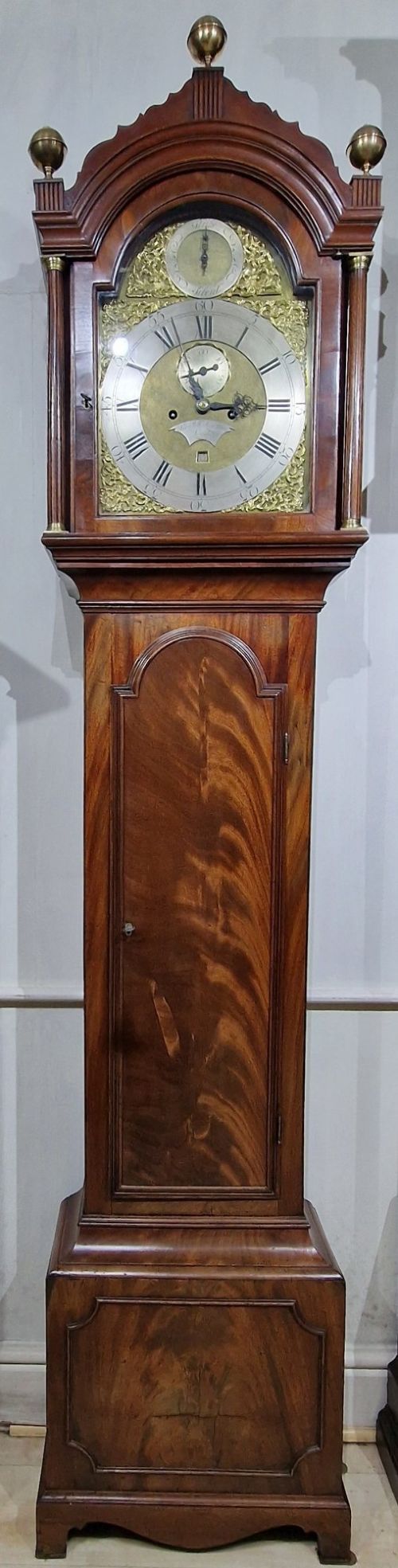


Traditional London Clock
A traditional london clock brings centuries of master horology and architectural cabinetry directly into your room.

Traditional London Clock
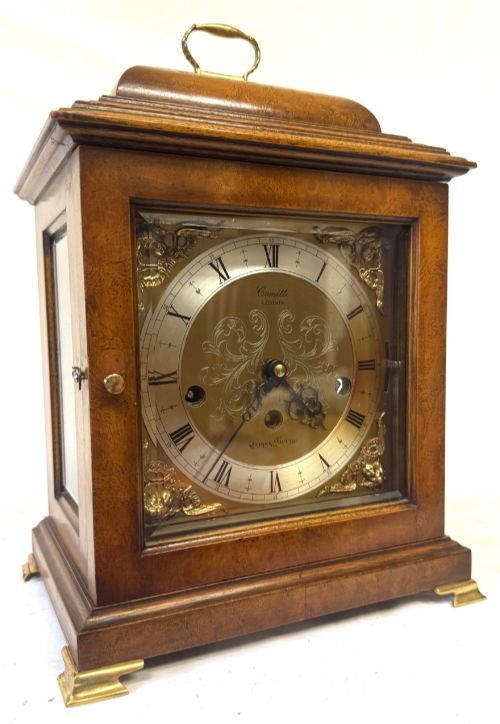
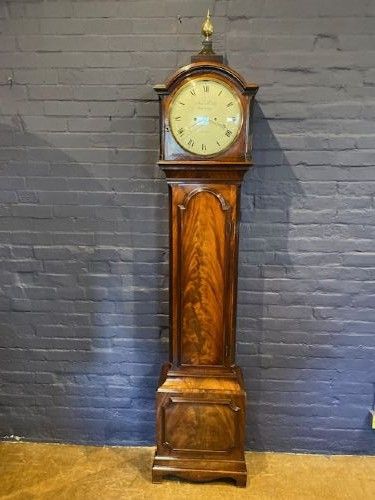
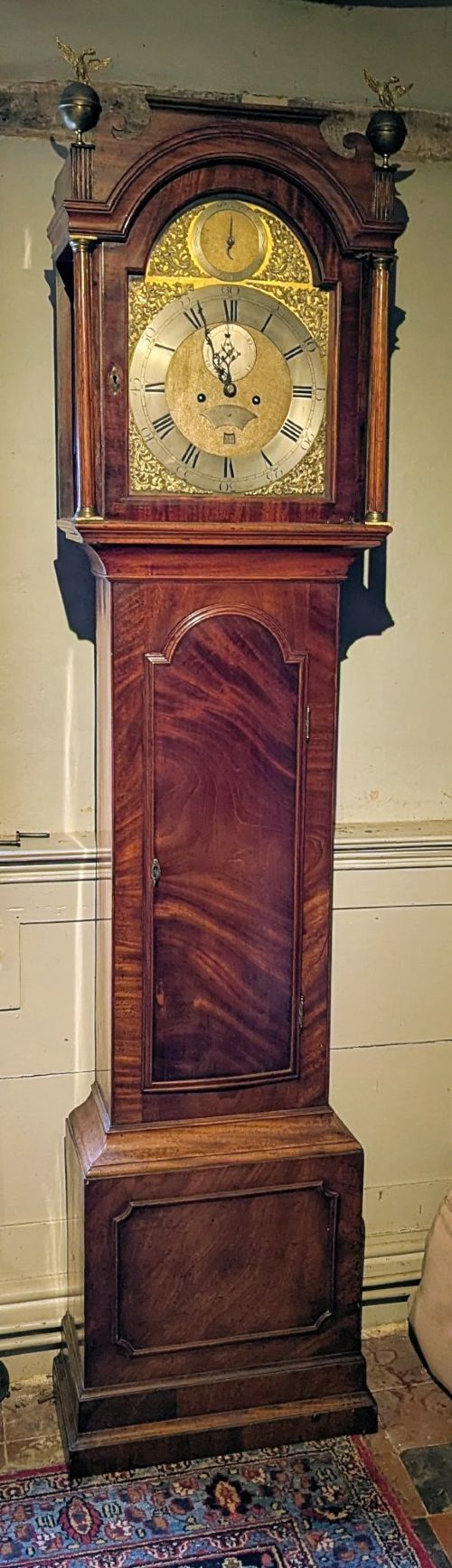
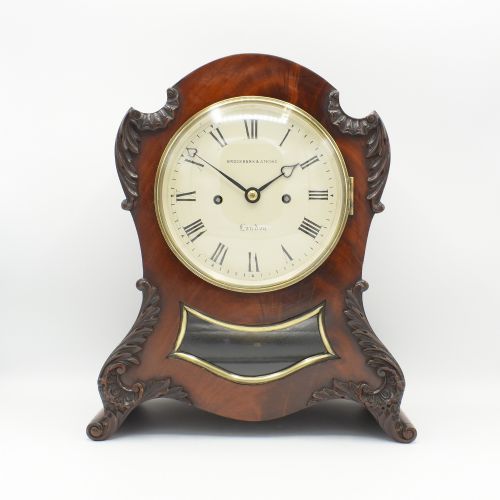
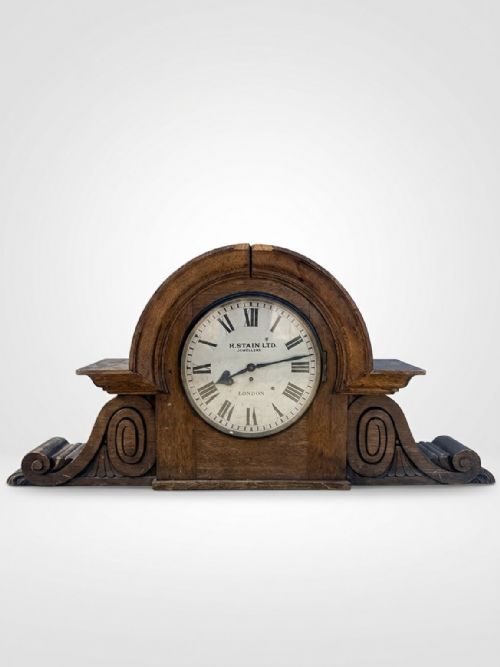
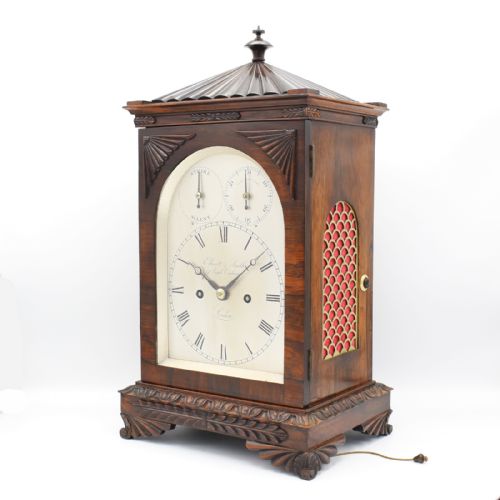
When you search for a traditional london clock, you encounter precision timepieces spanning from the Georgian era through to the mid twentieth century. These objects include towering longcase clocks, architectural bracket clocks designed for table or shelf placement, and dial wall clocks that once regulated public and domestic spaces.
Mahogany and oak dominate the timber choices for cases, often housing brass dials with enamel or silvered chapters. Movement types range from single fusee timepieces to complex three train musical mechanisms housed in lacquered or wood veneer bodies.
The pieces on this page originate from various centuries, displaying regional styles from George II designs to Victorian and Edwardian interpretations. You find both floor standing grandfather clocks and compact mantel clocks bearing the signatures of historic London makers.
Materials and construction
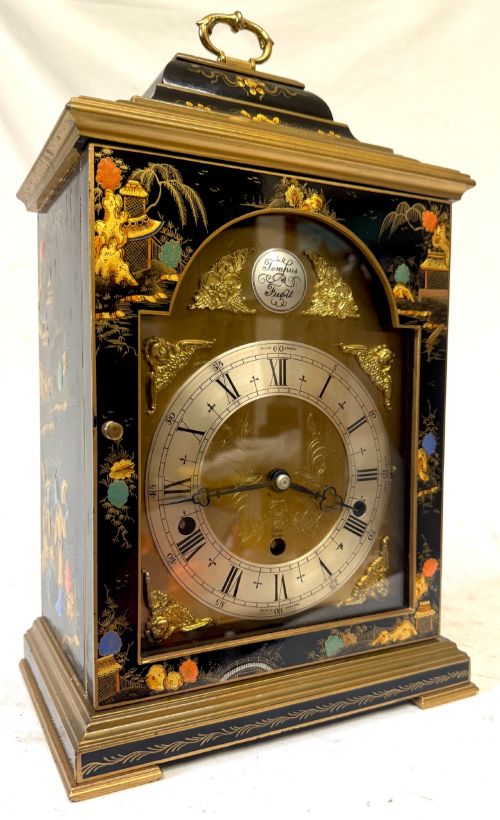
Cabinet makers utilised dense hardwoods such as mahogany, walnut, and oak to build robust cases that protected delicate internal movements. Ebonised wood and green or black lacquered finishes provided decorative alternatives, sometimes featuring Chinoiserie artwork or gilded detailing.
Clockmakers constructed movements primarily from brass and steel, integrating fusee chains or cords to maintain even tension as the mainspring wound down. Dials featured engraved brass, convex glass covers, and painted enamel chapters designed for clear legibility.
Listings feature traditional London timepieces spanning the eighteenth, nineteenth, and twentieth centuries, constructed primarily from mahogany, oak, and walnut.
What determines quality
Quality rests in the sophistication of the internal movement and the fidelity of the cabinet work. Finer examples display intricate hand engraving on brass dial plates, robust fusee movements, and well proportioned timber cases with secondary veneers chosen for grain pattern.
Signatures from notable makers elevate a piece, as do complex complications like multiple train chimes, silent strikes, or alarm mechanisms. The integrity of the original dial and the crispness of the timber mouldings separate standard production from master craftsmanship.
Thomson of London·Elliott London·Comitti Of London·James McCabe·Brockbanks & Atkins·Barwise·Ellicott & Smith·Henry Weedon London·Mclennan·Webster Cornhill London·Thwaites·Thomas Moss·Turner of London·Cording of London·Handley & Moore·Connell of London·Phillips Brothers·Barrett London·John Walker·Mappin & Webb·John Wilson·frodsham baker·John Taylor·Chater & Son·Robert Higgs
The Traditional London Clock Glossary
- Fusee
- A conical pulley used in spring driven clocks to equalise the torque of the mainspring as it unwinds. This mechanism ensures consistent force is delivered to the escapement for accurate timekeeping.
- Bracket clock
- A portable table or shelf clock historically designed to sit upon a dedicated wall bracket. Many examples feature arched wooden cases with carrying handles on top.
- Longcase clock
- A tall freestanding weight driven clock housed in a wooden case, commonly known as a grandfather clock. These instruments utilise long pendulums for precise regulation.
- Drop dial
- A wall clock featuring a circular dial mounted above a short wooden trunk or drop box. This design accommodated the downward swing of the pendulum.
- Three train
- A clock movement with three distinct gear trains dedicated to timekeeping, striking the hour, and playing musical chimes or quarter hours.
Traditional London Clock: Frequently Asked Questions
Where should I place a longcase clock?
Position your longcase clock against a solid interior wall where floor vibrations are minimal. Avoid placing tall wooden cases in areas subject to direct sunlight or rapid humidity fluctuations.
A stable foundation ensures the pendulum swings evenly without catching on the interior trunk sides. Secure the top of the case to the wall if children or pets share the room.
What is the difference between a timepiece and a clock?
In horological terms, a timepiece is a clock that measures hours, minutes, and seconds without incorporating a striking or chiming mechanism. It simply displays the time.
Clocks include additional trains of gears that sound the hours, quarters, or play musical tunes. Checking the dial for winding holes reveals whether a movement requires winding for the strike train alongside the go train.
How do I care for a lacquered Chinoiserie clock?
Dust the lacquered surface regularly with a soft, dry microfibre cloth to prevent abrasive particle buildup. Avoid chemical polishes, household cleaners, or excessive moisture that can damage the delicate paint and gold leaf.
Keep the clock away from heat sources and radiators to prevent timber shrinkage and subsequent cracking of the lacquer finish. Professional wax maintenance should occur only when necessary.