
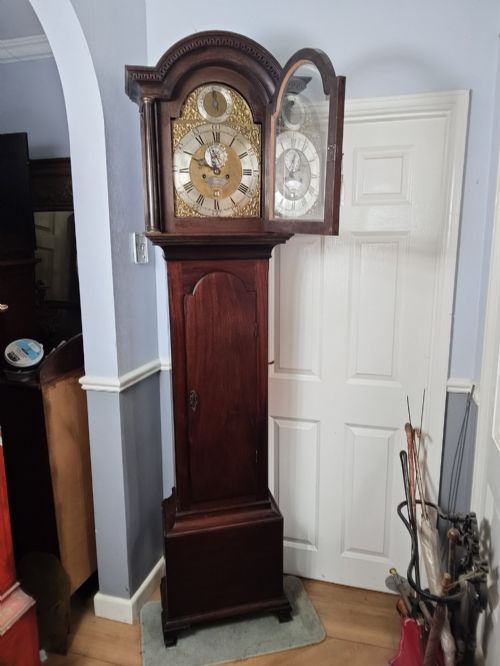
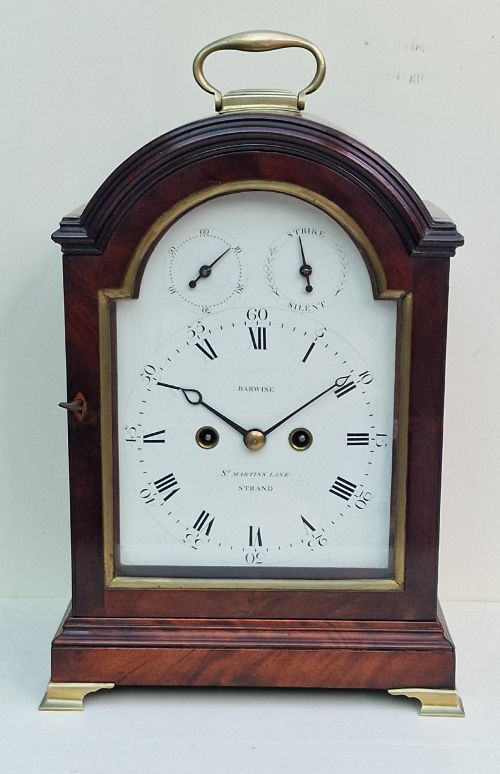
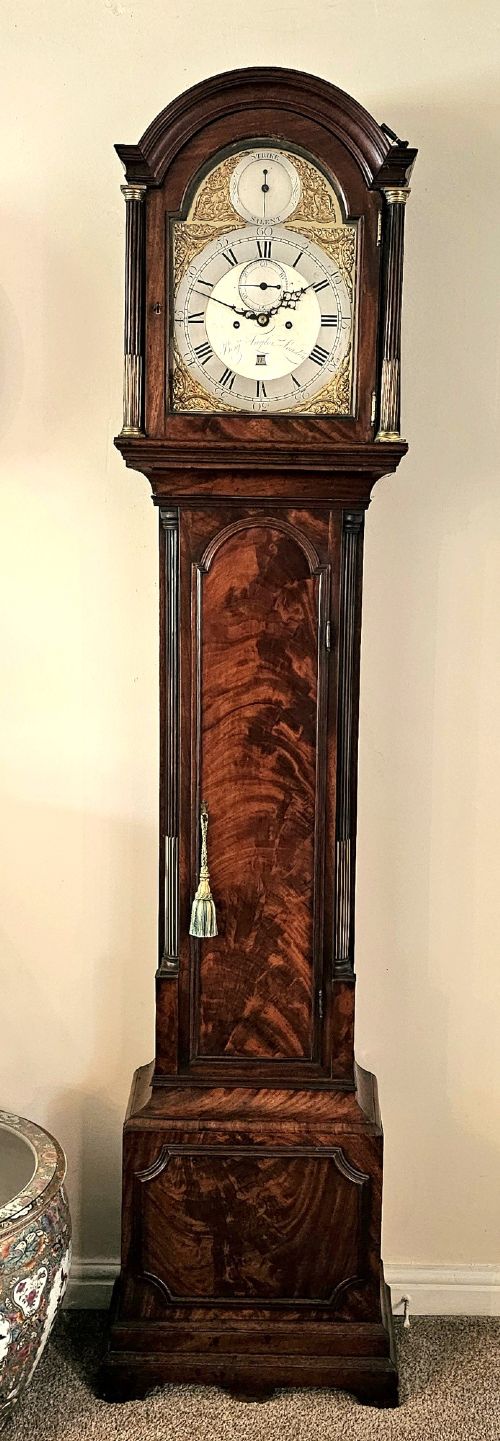
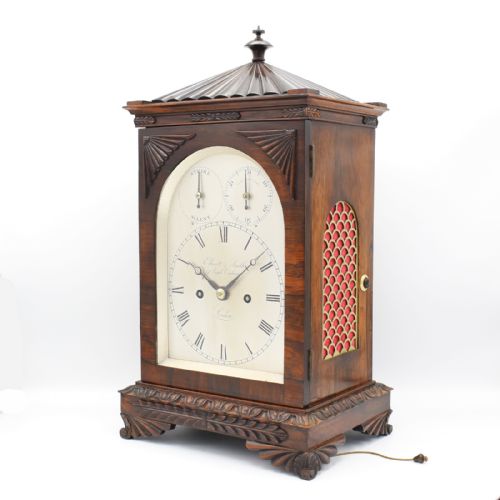


Strike Silent Clock
A strike silent clock is a mechanical timepiece with a mechanism to silence its chime, prized for quiet nights.

Understanding strike silent clock
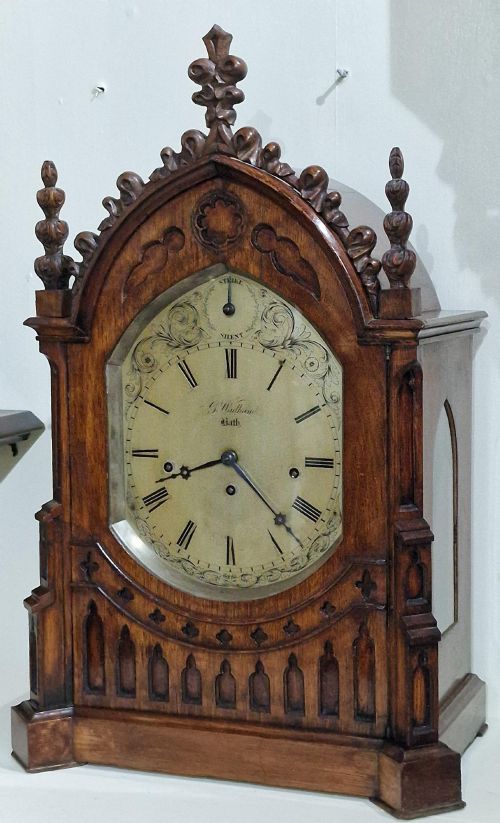
A strike silent clock comprises various timepieces designed with mechanisms to silence the audible hour striking or chiming function. These examples span Victorian, Georgian, and 1880 periods, capturing centuries of horological development.
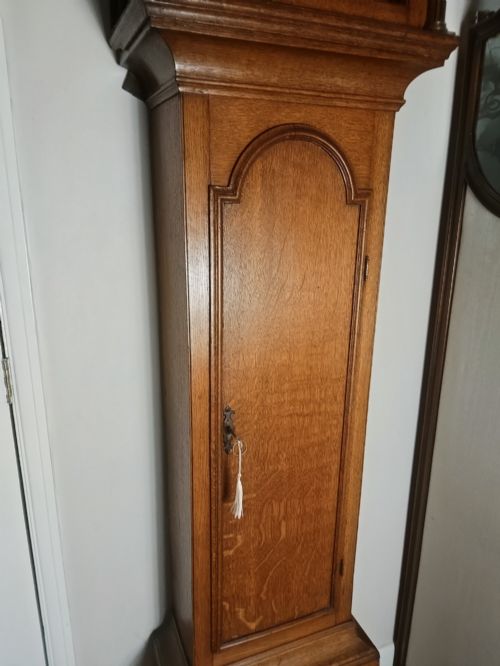
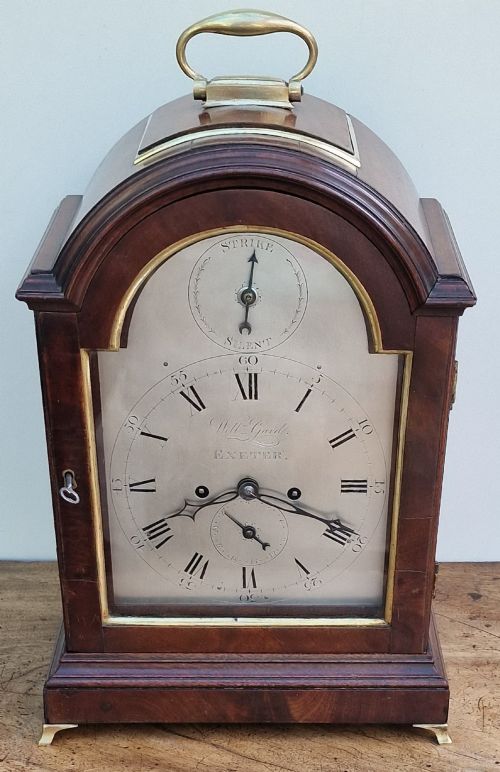
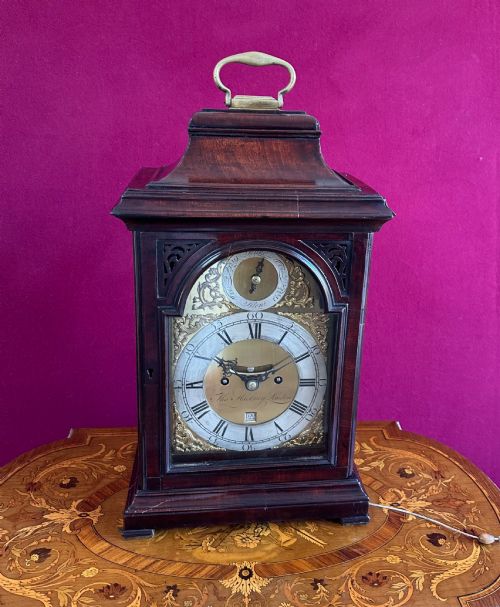
The objects listed range from bracket clocks and table clocks to drop-dial wall clocks, longcase clocks including grandfather and grandmother styles, and carriage clocks. Mahogany and oak dominate the timber casings, accompanied by brass, glass, painted iron, and ebonised timber.
Georgian and George III examples appear alongside Victorian pieces and Gothic Revival or Regency styles. Buyers encounter floor-standing longcase formats with strike silent dials alongside compact bracket and mantel designs.
Materials and construction
Clockmakers housed these movements in sturdy timber cases constructed from mahogany and oak, often incorporating ebonised timber details and glazed trunk doors. Dial components utilised painted iron alongside brass fittings and silvered chapter rings.
Internal mechanisms relied on fusee movements, including twin and triple fusee configurations, alongside complex musical barrels and bell striking arrangements. Cases featured decorative elements such as barley twist columns and astragal glazing.
Retail Price Guide 2026
Typical UK retail prices for strike silent clock, calculated from the Sellingantiques database of over a million retail prices indexed since 2003. This retail price guide relies exclusively on Sellingantiques data; no external sources or auction records are used, so the figures do not describe the wider market.
Object forms include bracket clocks, wall clocks, mantel clocks, and tall grandfather or grandmother longcase formats.
Markers of quality
Quality rests in the complexity of the movement, visible in triple fusee and petite sonnerie mechanisms rather than standard time-only configurations. The refinement of the cabinetry, from figured mahogany to well-turned barley twist oak columns, elevates the piece.
The legibility and execution of the dial, especially silvered components and detailed strike silent lever integration, separate ordinary production from superior workshop output.
George Wadham Bath·Barwise London·Frodsham Baker London·Richard Co
The Strike Silent Clock Glossary
- Fusee
- A conical pulley used in spring-driven clocks to maintain equal power as the mainspring unwinds. This ensures consistent timekeeping across the duration of the wind.
- Bracket clock
- A portable spring-driven clock originally designed to sit on a wall bracket. Later examples sat primarily on tables or mantelpieces.
- Drop-dial wall clock
- A wall-mounted timepiece featuring an extended case below the dial to accommodate a pendulum. These frequently appeared in offices, stations, and domestic hallways.
- Grandfather clock
- A tall, floor-standing longcase clock housing a pendulum and weights. The term distinguishes them from shorter grandmother clocks.
- Petite sonnerie
- A striking complication that sounds the hours and the passing quarters automatically. It represents an advanced level of horological craftsmanship.
Frequently Asked Questions
What does strike silent mean?
A strike silent mechanism allows the owner to manually disengage the bell or chime via a small lever on the dial. This stops the clock from sounding the hours during the night while keeping the timekeeping gear running.
The lever shifts internal levers that lift the strike hammer away from the bell or chime rods. Collectors appreciate this feature for uninterrupted sleep without stopping the clock's pendulum.
How do I wind a fusee clock?
Fusee clocks require a specific winding key inserted into the dial face to tension the mainspring via the conical pulley. Care must be taken not to overwind the movement.
Most fusee movements require weekly winding, though triple fusee or musical configurations may have different trains for time, strike, and chime that all need attention.
Where should I place a longcase clock?
Longcase clocks need a stable, dry interior wall away from direct sunlight and heavy foot traffic that might cause floor vibrations. A firm surface ensures the pendulum swings evenly.
Securing tall cases to the wall using internal brackets prevents accidental tipping, especially in homes with children or pets.
How do I identify a Georgian clock?
Georgian clocks typically feature proportions, brass dials with cast spandrels, or early painted iron faces housed in rich mahogany or oak cases. Their stylistic cues reflect the reigns of the Georges.
Interior movement construction, such as square brass plates and anchor escapements, further helps date these pieces alongside case styles like bracket and longcase forms.