
Traditional Leather Chairs
Traditional leather chairs bring enduring comfort and substance to a room, combining rich hide with solid timber frames.
Traditional Leather Chairs
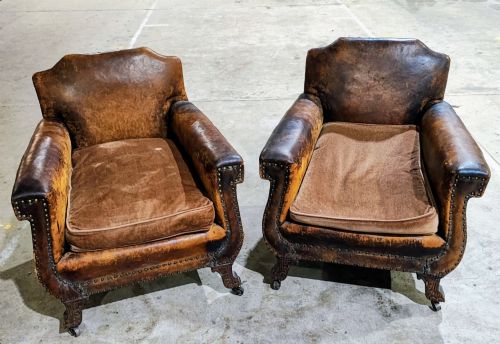
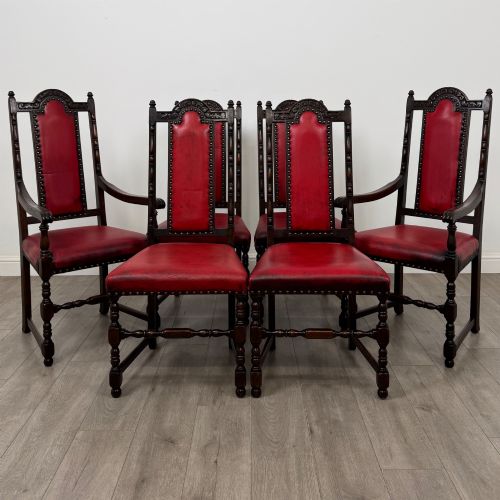
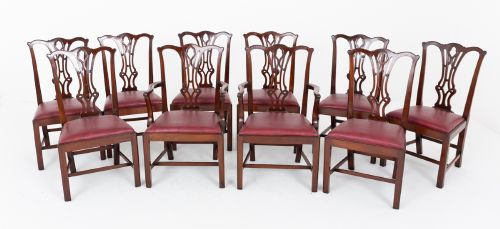
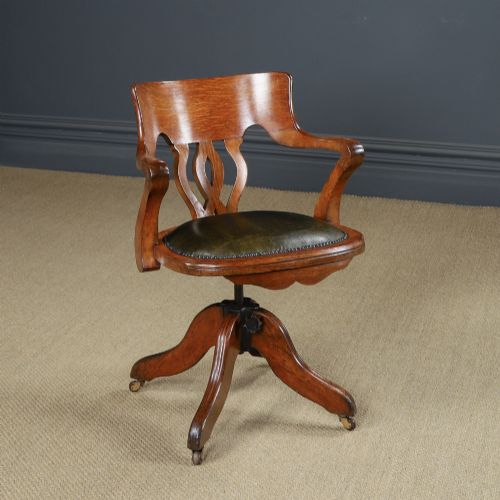
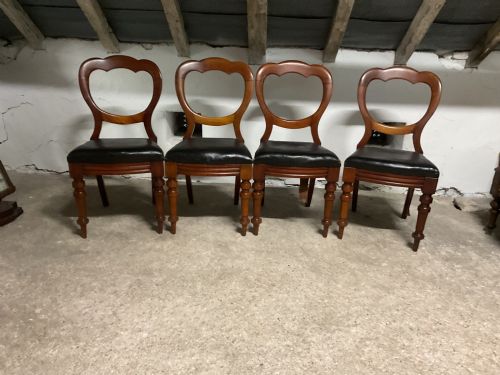
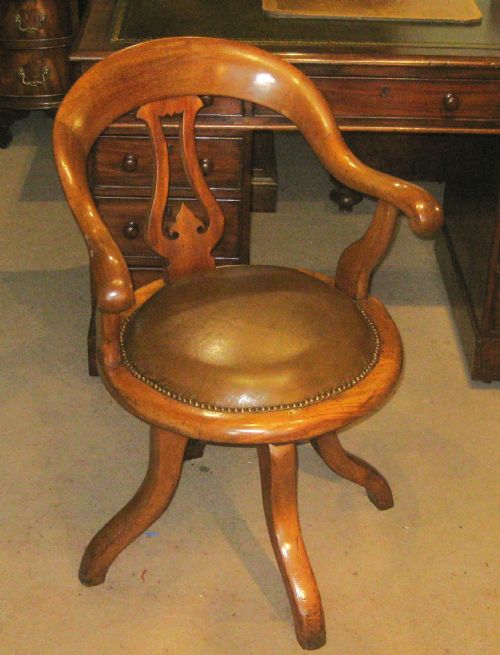
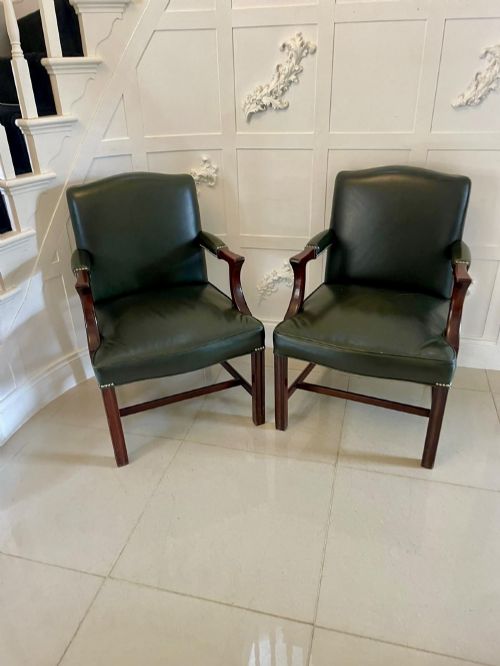
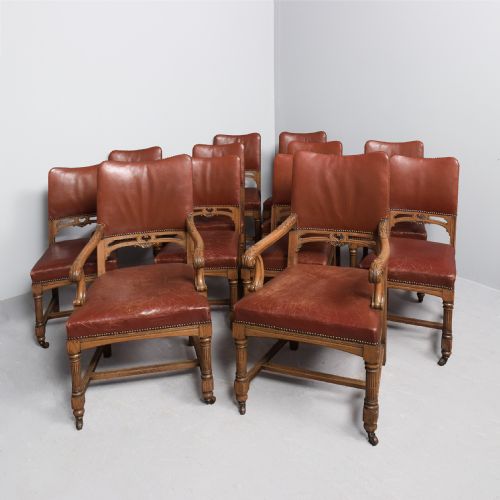
Traditional leather chairs encompass a wide variety of seating, from robust club armchairs and wingbacks to swivelling desk chairs and dining suites. When searching for traditional leather chairs, buyers encounter pieces spanning the Georgian, Victorian, and Edwardian eras, alongside later twentieth-century iterations.
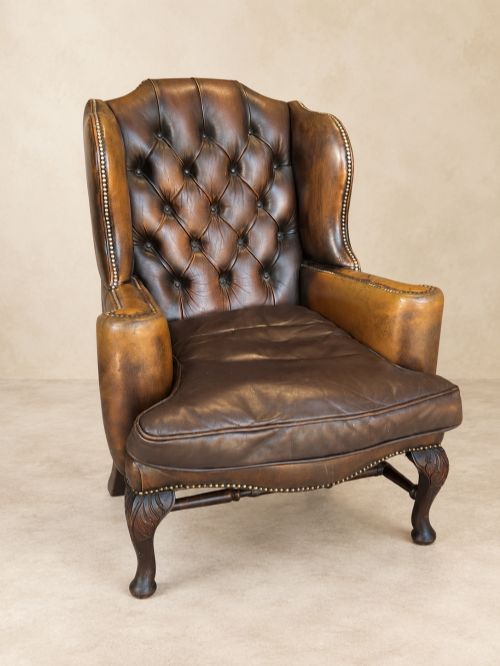
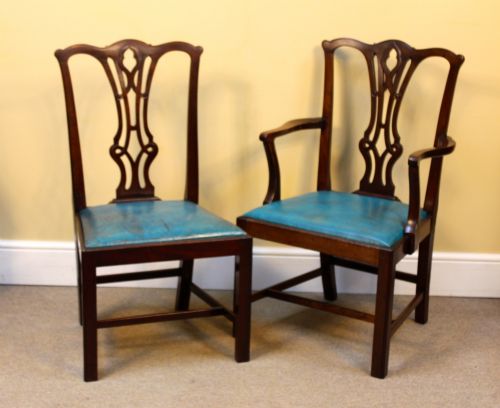
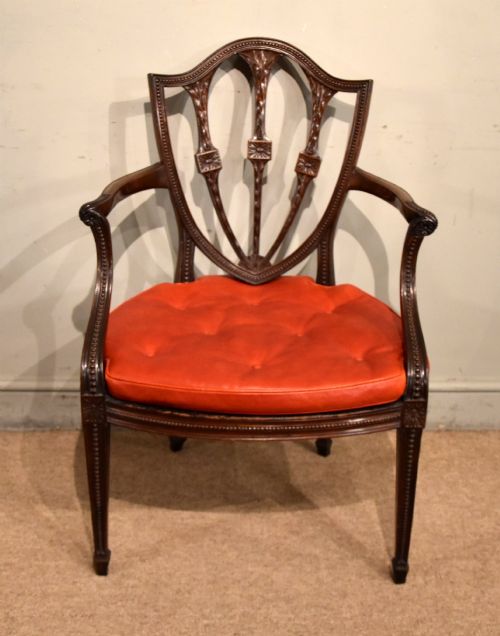
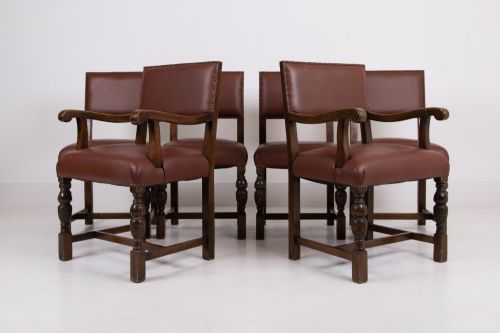
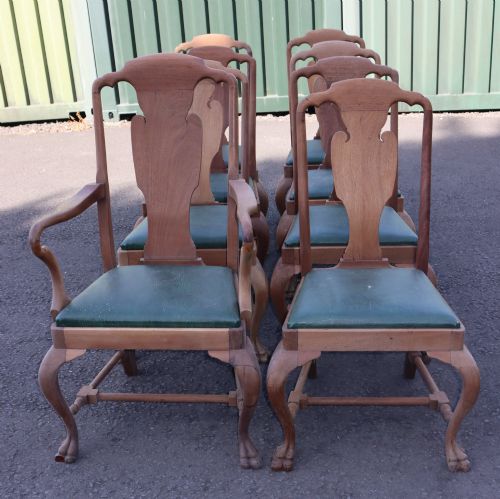
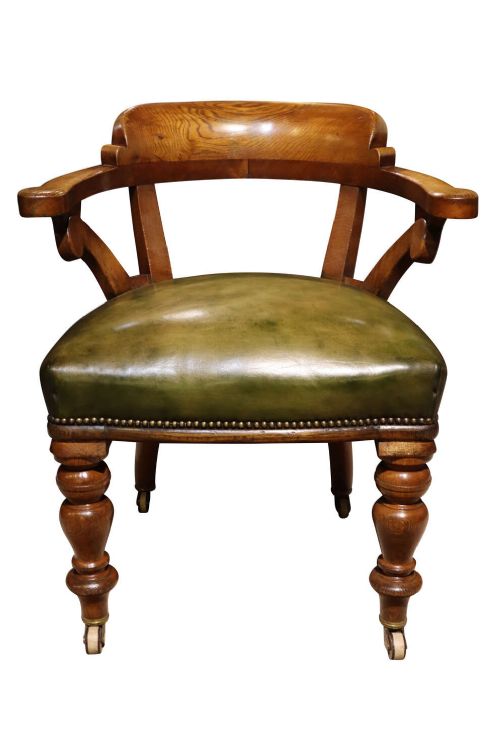
The selection ranges from grand library armchairs upholstered in hand-dyed hide to sets of dining and desk chairs framed in mahogany or oak. Armchairs often feature deep buttoning and generous proportions, while smaller side and carver chairs serve specific domestic functions around the desk or dining table.
Materials and construction
Frames rely heavily on dense hardwoods such as mahogany and oak, joined with traditional carpentry methods to ensure structural stability over generations. Timber elements frequently display hand-carved details or turned supports appropriate to their period style.
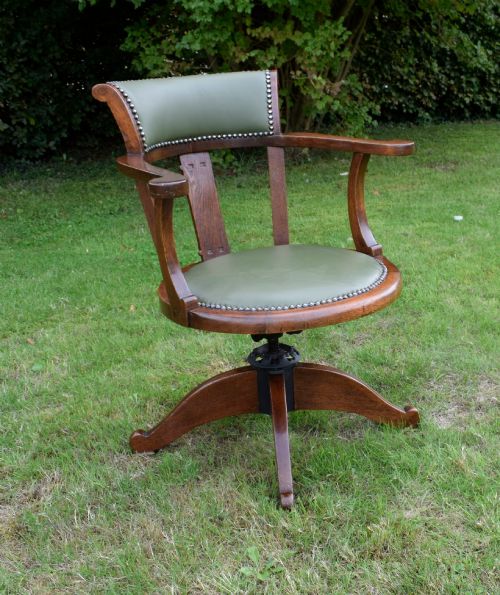
Upholstery combines durable leather hide with supportive interior stuffing, often secured with brass nailheads or deep buttoning techniques. Swivel desk chairs and revolving models incorporate functional iron or brass mechanical components hidden beneath the wooden and leather superstructure.
The inventory spans the eighteenth century through the Georgian, Victorian, Edwardian, and Art Deco periods.
Judging the standard
Quality rests heavily on the integrity of the timber frame and the depth of character in the leather upholstery. Superior examples exhibit tightly fitted joinery, well-carved ornamentation, and hides that display a rich, natural patina developed through age and use.
The refinement of the silhouette and the harmony between the leather colour and the underlying wood separate finer workshop output from more utilitarian productions. Ergonomic execution in desk chairs and library seating also marks the difference between standard domestic furniture and high-grade library pieces.
Howard and Sons
The Traditional Leather Chairs Glossary
- Wingback
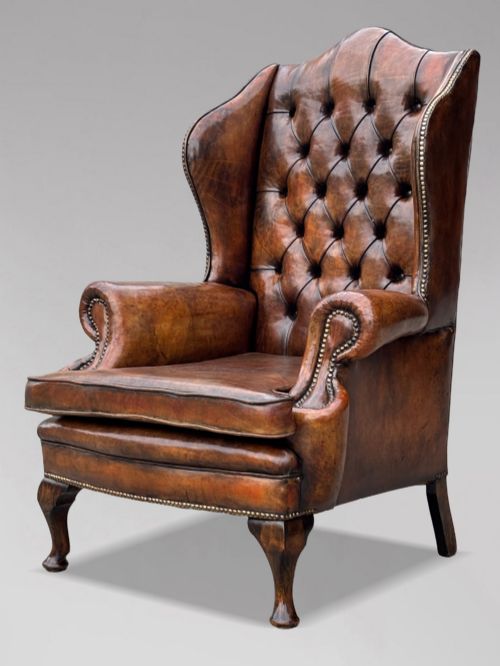
- An armchair featuring protective side panels designed to shield the occupant from draughts. These panels extend from the armrests up to the high backrest.
- Club chair
- A deep, heavily upholstered low armchair designed for comfort. These pieces usually feature rounded backs and generous leather coverings.
- Turners chair
- A heavy wooden chair constructed from turned spindles and posts. These pieces often date to early revival periods and utilise solid timber throughout.
- Buttoning
- A traditional upholstery technique where depressions are created in the padding by pulling twine tightly through to the frame. This secures the filling and forms a geometric pattern on the leather surface.
Traditional Leather Chairs: Frequently Asked Questions
What defines a traditional leather chair?
These pieces combine sturdy timber frames made from woods like mahogany or oak with durable leather upholstery. They span historical periods from the Georgian era through to the early twentieth century.
Their designs include library armchairs, office desk chairs, and matching dining sets tailored for functional daily use and formal rooms.
How do I care for antique leather?
Keep leather furniture away from direct heat sources and strong sunlight to prevent the hide from drying out. Regular dusting and occasional conditioning maintain the suppleness of the material.
Avoid harsh chemical cleaners, relying instead on methods suited to aged hide to preserve the original patina.
Are these chairs suitable for daily office use?
Many period examples, such as revolving library chairs and swivel desk models, were built specifically for working environments. Their sturdy timber construction provides dependable support for regular seating.
Buyers should check the mechanical action of swivel models to ensure smooth operation during daily tasks.
How can I identify the period of a chair?
Dating relies on stylistic clues like the curve of a mahogany cabriole leg, the presence of Chippendale-style carving, or the heavy proportions typical of Victorian oak. Wood choice and joinery techniques also offer clear indicators of age.
Comparing the specific upholstery style, such as deep buttoning or brass studding, helps narrow down the decade of manufacture.