



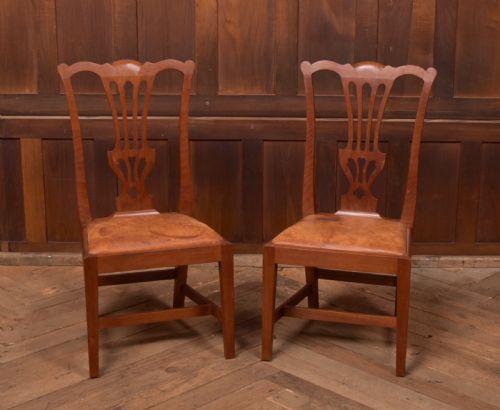

Queen Anne Hall Chairs
Queen Anne hall chairs offer classic high backs and sturdy timber construction, making them a practical and stylish choice for any entryway.
Queen Anne Hall Chairs
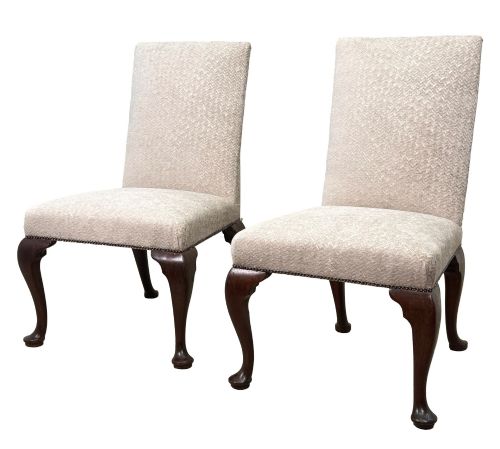
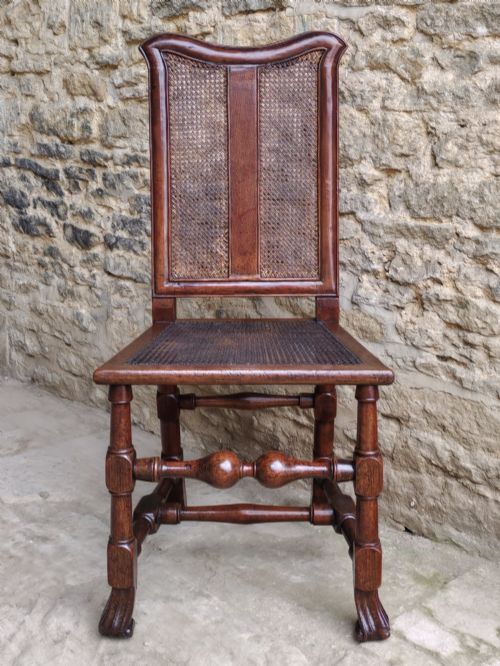
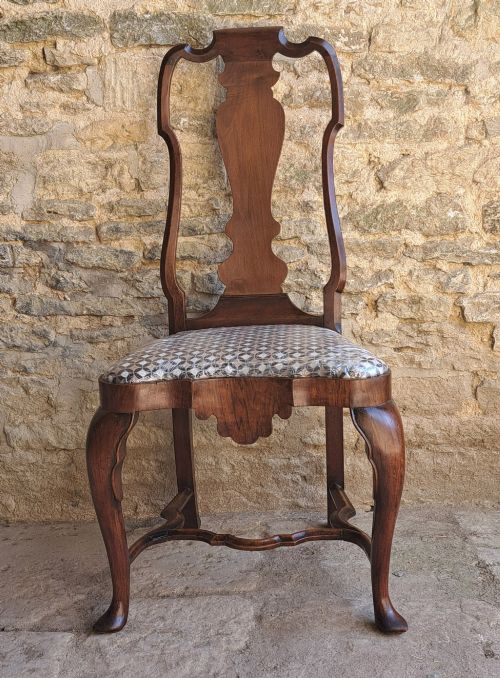
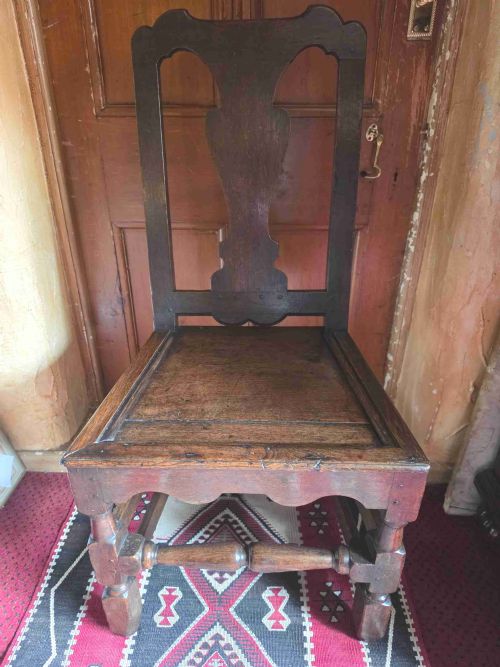
The selection ranges from genuine 18th-century examples to later 19th-century and 1920s revival pieces. Forms vary from simple side chairs to elaborate high-back designs with upholstered or panelled seats.
How they were made
Craftsmen built these chairs predominantly using walnut and oak, occasionally incorporating mahogany or burr walnut for finer finishes. Timber frames often feature carved details, sometimes complemented by marquetry work.
Seating surfaces rely on traditional materials such as leather, fabric, textile, and cane. Joinery techniques from the period ensure stability, while japanned finishes provide decorative surface decoration on select examples.
Object forms include side chairs, armchairs, gossip chairs, and desk chairs originating across the 18th, 19th, and early 20th centuries.
What varies in quality
Quality rests in the selection of timber grain, particularly where figured walnut or burr walnut veneers are employed. Crisp carving on the woodwork and the integrity of original joinery elevate the standing of a piece.
The choice of covering material, whether leather, cane, or textile, contributes to the overall finish. Pieces retaining their early surface character and authentic structural components stand apart from later replacements.
Charles Tozer·Whytock & Reid of Edinburgh
The Queen Anne Hall Chairs Glossary
- Walnut
- A dense hardwood valued for its rich dark tones and decorative grain, frequently utilised in fine chair making. It provides both structural strength and a smooth surface for carving.
- Cane
- Woven rattan or plant material used for chair seats and backs. This technique introduces a lightweight yet durable panel to the wooden frame.
- Marquetry
- The art of applying pieces of veneer to a structure to form decorative patterns. It adds visual complexity to flat wooden surfaces.
- High Back
- A chair design featuring an elevated vertical backrest. This form provides increased support and a commanding presence in an interior.
Queen Anne Hall Chairs: Frequently Asked Questions
Are these chairs suitable for daily hallway use?
These chairs are built from sturdy hardwoods like oak and walnut, making them durable enough for everyday placement in hallways and entryways.
Their upright forms and supportive backs accommodate regular seating while adding character to transitional spaces in the home.
How do I distinguish an early chair from a later revival?
Examination of the timber ageing, joinery methods, and tool marks helps differentiate original 18th-century pieces from 19th-century and 1920s revival items.
Revival pieces often display consistent manufacturing traits and modern fasteners that differ from period construction techniques.
What seat materials should I expect to find?
Listings feature a variety of seating surfaces, including solid timber, woven cane, leather, and upholstered fabric or textile panels.
Selection depends on the specific period and style, with cane and upholstery offering softer seating options compared to solid wood.
Do these chairs come as pairs or sets?
Many examples are offered in matched pairs of side chairs or armchairs, which suits symmetrical placement along hallway walls.
Larger groupings, such as sets of four, occasionally appear for those seeking uniform seating arrangements.