

Antique Leather Accent Chair
An antique leather accent chair brings warmth and tactile depth to a room through centuries of timber frames and patinated hides.
Antique Leather Accent Chair
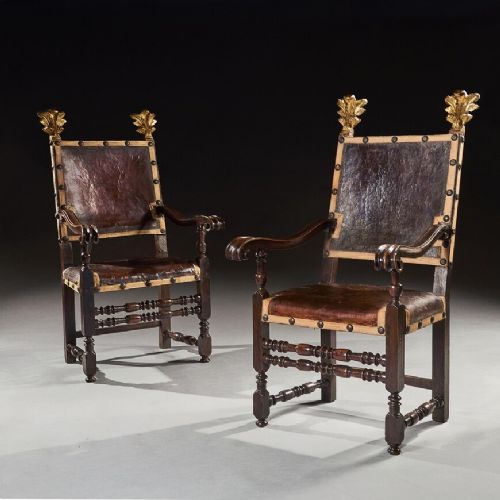
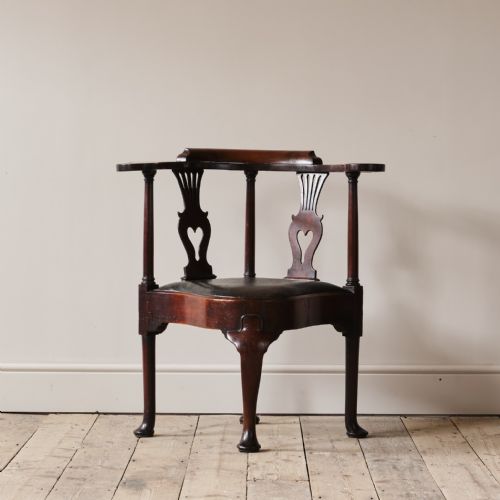
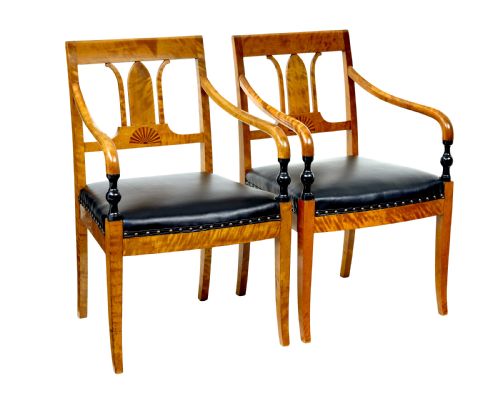
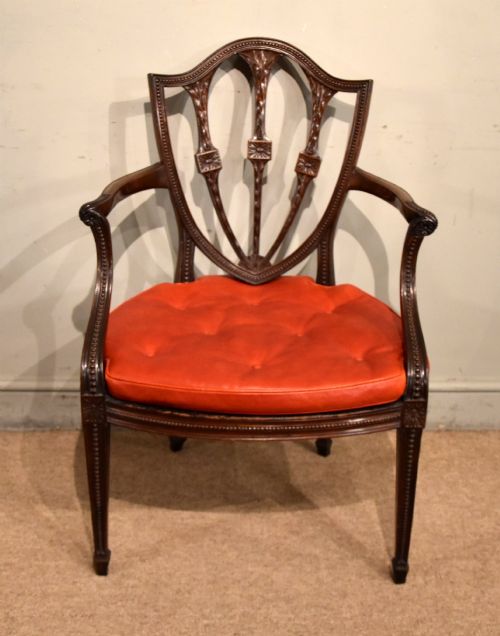
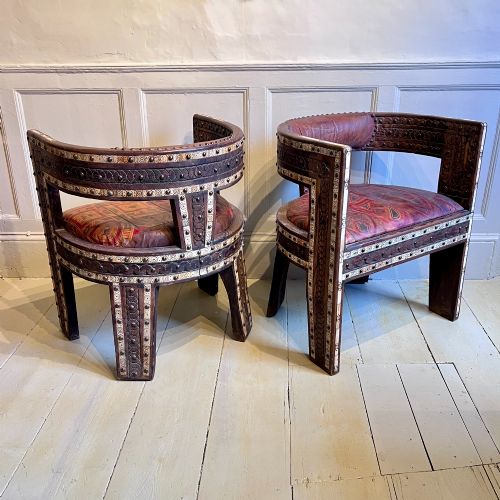
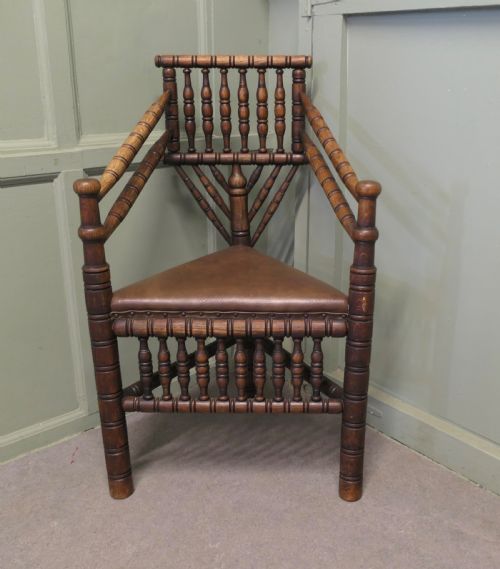
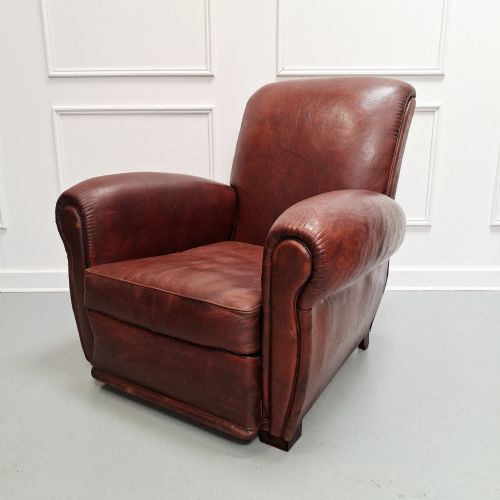
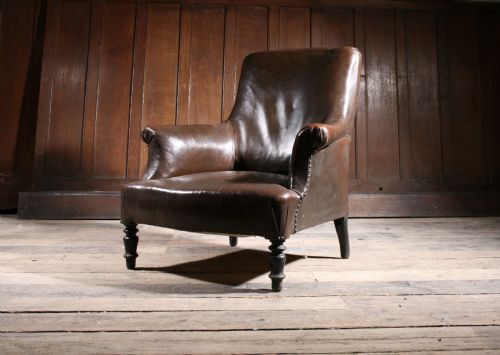
When searching for an antique leather accent chair, buyers encounter a diverse selection of seating spanning from the seventeenth century through the Art Deco era. The forms range from generous library armchairs and club chairs to upright side chairs and low occasional seats.
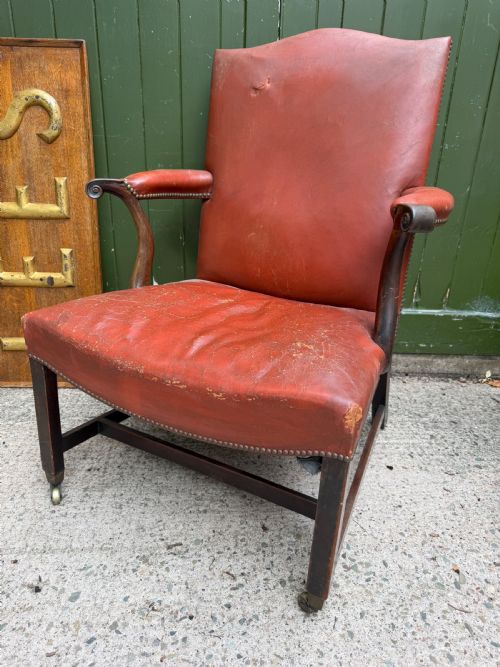
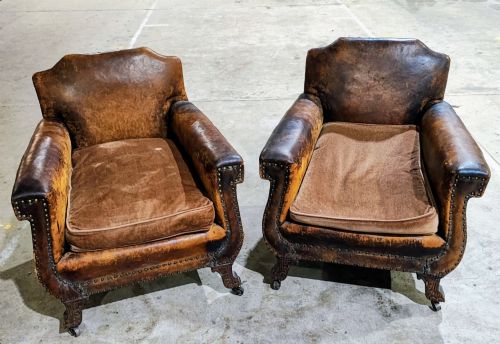
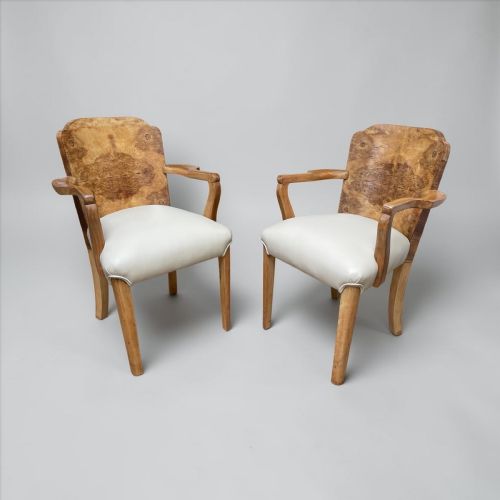
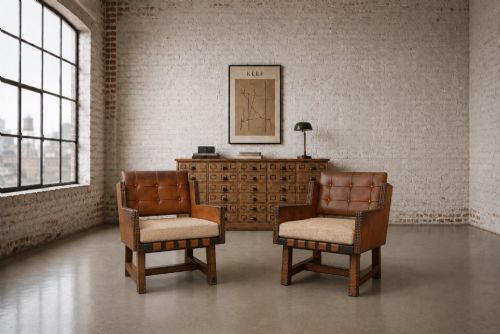
Most examples found on this page lean towards nineteenth-century library and club types alongside twentieth-century Art Deco designs. Frames built from mahogany, oak, and walnut support hides that show the natural wear of generations of use.
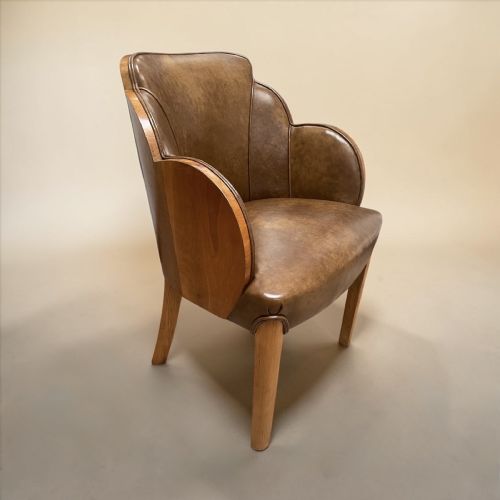
Origins stretch across English, French, Italian, and Scandinavian workshops, yielding distinct regional silhouettes. Whether selecting an imposing Victorian wing chair or a streamlined 1930s club chair, each piece serves as a functional focal point.
Materials and construction
Makers built the foundational structures using hardwoods such as mahogany, oak, walnut, and birch, often incorporating carved details or turned supports. Joinery methods relied on traditional pegging and mortise techniques to ensure longevity.
Upholstery combined durable leather hides with supportive interior stuffing, sometimes secured with brass nail heads or deep button-tufting. Later twentieth-century pieces adopted smoother expanses of tan or brown leather fitted to streamlined wooden or metal frames.
Antique Leather Accent Chair Retail Price Guide 2026
Typical asking prices for leather accent chair among the pieces listed under this phrase on Sellingantiques today, from the lower quarter to the upper quarter. They describe what is for sale here now, not the wider market.
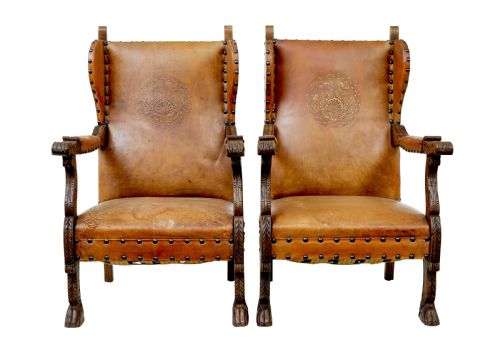
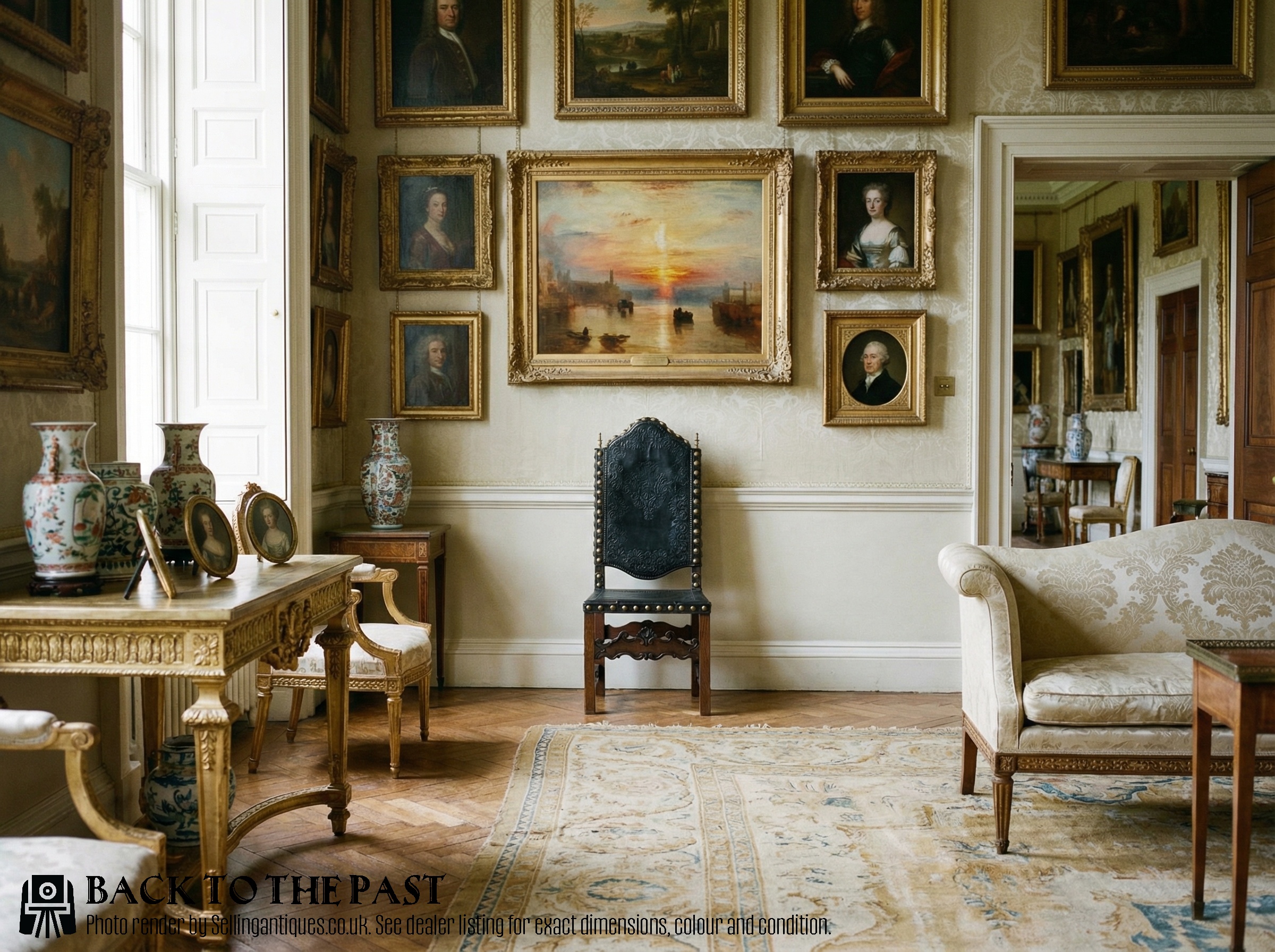
Several armchairs incorporate brass nail heads originally hammered in by hand to keep stubborn hides firmly anchored to the oak.
Judging the range
Quality rests in the integrity of the timber frame and the depth of the leather patina. Superior examples display confident carving, substantial proportions, and hides that have softened gracefully without losing structural strength.
Lesser pieces may show unrefined timber joins or replacement upholstery that lacks the subtle grain and suppleness of period leather. The relationship between the scale of the frame and the comfort of the seat ultimately defines the better specimens.
The Antique Leather Accent Chair Glossary
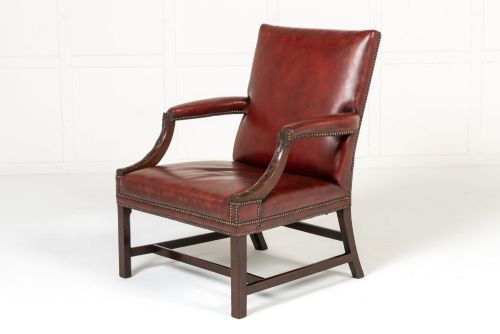
- Gainsborough chair
- A type of upholstered armchair with an open-framed mahogany structure, wide seat, and low arms, originating in the eighteenth century.
- Club chair
- A deep, comfortable armchair upholstered in leather, frequently associated with twentieth-century French and English lounge seating.
- Button-back
- An upholstery technique where indentations are formed in the leather using buttons pulled tight to the backing, common on Victorian library chairs.
- Gothic revival
- A nineteenth-century design movement drawing inspiration from medieval architecture, seen in heavily carved oak frameworks and pointed arches.
- Bergère
- An enclosed upholstered armchair with wooden frames exposed around the sides and back, often French in origin.
Antique Leather Accent Chair: Frequently Asked Questions
How do I care for old leather?
Keep these chairs away from direct sunlight and excessive heat sources to prevent the hide from drying out. Regular dusting and occasional light conditioning help maintain the suppleness of the material.
Avoid using harsh chemical cleaners that strip the natural oils. Allow the leather to retain its accumulated character over time.
Are these chairs comfortable for daily use?
Many of these seating options were designed for long hours in libraries or studies, offering supportive upright or slightly reclined postures. Club chairs provide deeper, softer lounging experiences compared to stiff-backed side chairs.
Consider how the seat height and depth align with your daily routine. Generous proportions often accommodate modern sitting habits quite naturally.
How can I tell the period of the chair?
Examine the timber species, joinery methods, and overall silhouette to establish a baseline era. Georgian pieces favor mahogany and restrained carving, while Victorian examples often introduce heavy buttoning and darker oak.
Twentieth-century Art Deco designs discard historical revivalism in favour of smooth curves and caramel tan leather. Comparing the construction details against documented styles confirms the age.
Where should I place an accent chair?
These seats anchor empty corners, sit comfortably beside fireplaces, or provide contrast in a study surrounded by bookshelves. Their distinct materials allow them to stand alone away from matching sofa sets.
Ensure there is enough floor space around the piece to appreciate the frame and woodwork. Proper placement highlights the silhouette without crowding the room.