



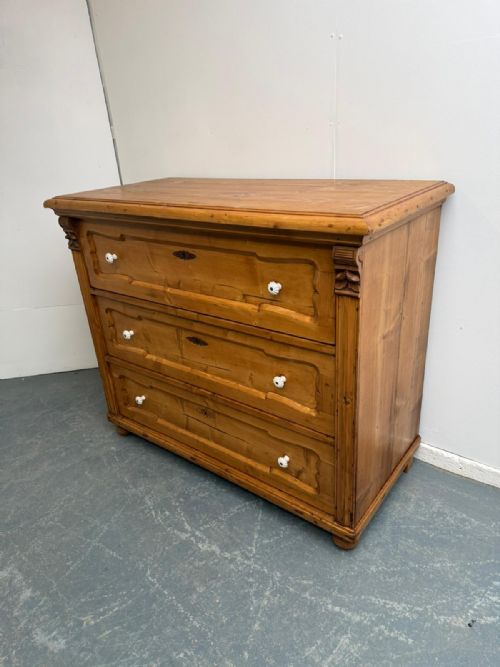
Continental Carved Furniture
Continental carved furniture brings heavy walnut, oak and fruitwood into a room through centuries of European joinery.
Continental Carved Furniture
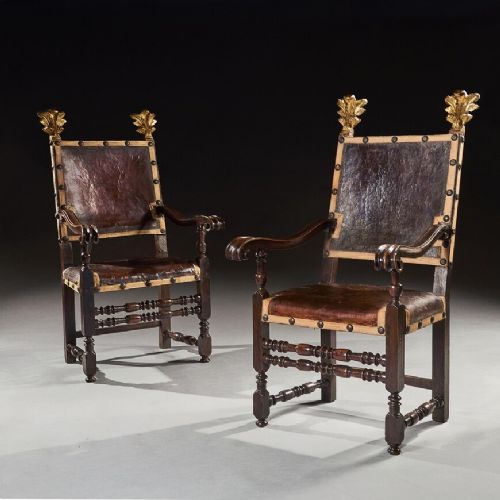
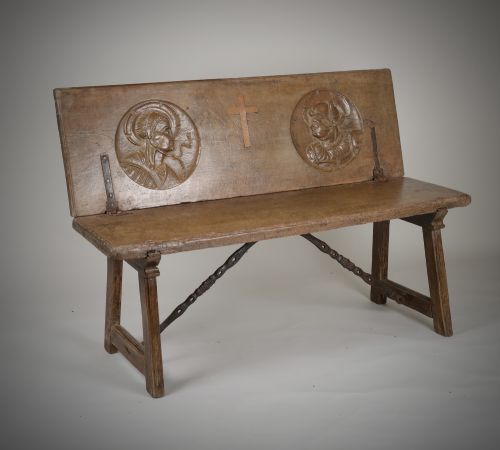
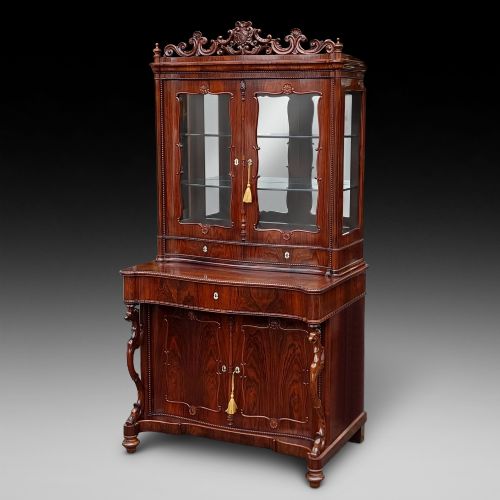
Continental carved furniture encompasses seating, storage and display pieces originating from workshops across Europe, spanning from the sixteenth century through the Victorian era. When searching for continental carved furniture, buyers encounter items ranging from Italian Baroque armchairs to Hungarian pine wardrobes and Austrian settle benches.
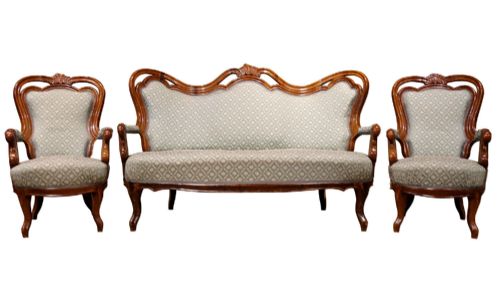
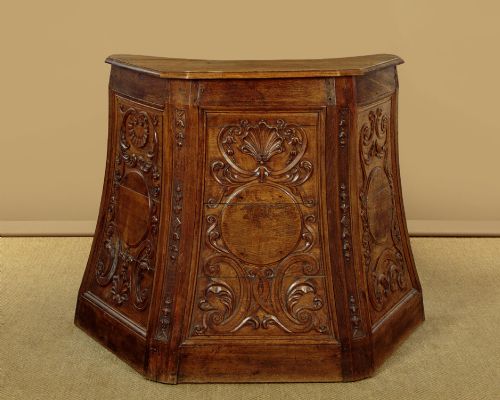
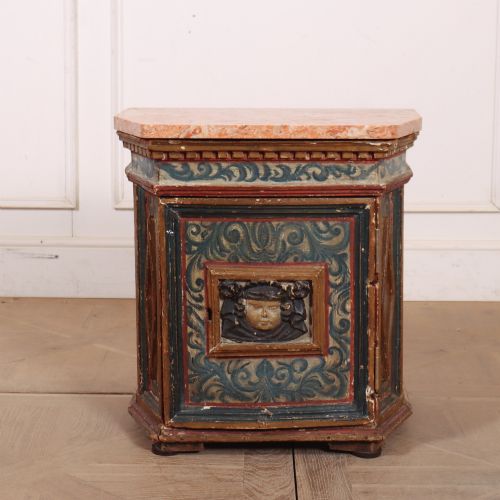
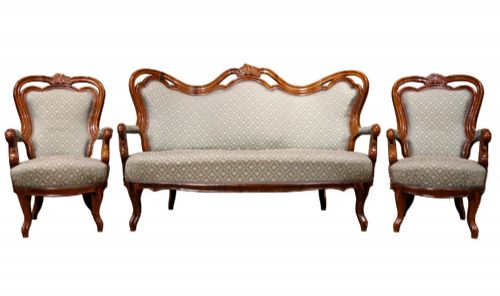
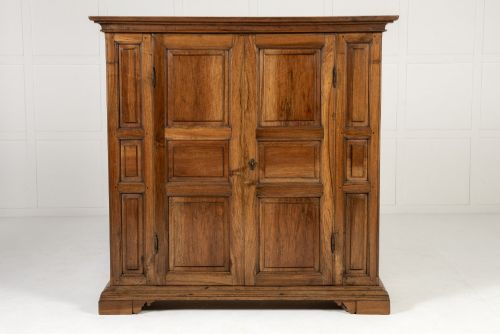
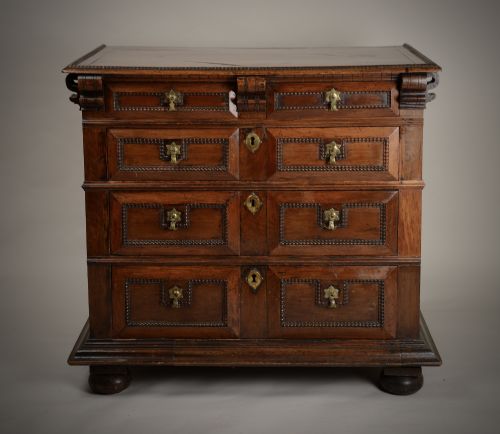
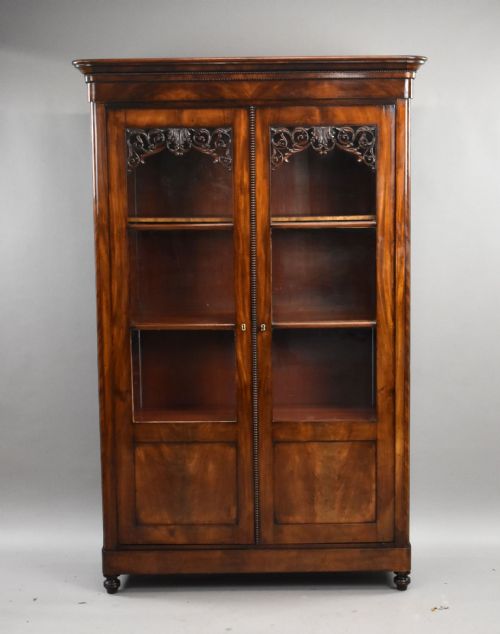
The selection on this page centres on substantial forms such as walnut cabinets, oak bookcases, marble-topped commodes and salon suites. Regional variations appear distinctly, from Spanish walnut boxes to Tyrolean folk chairs and Swedish serpentine chests of drawers.
How they were made
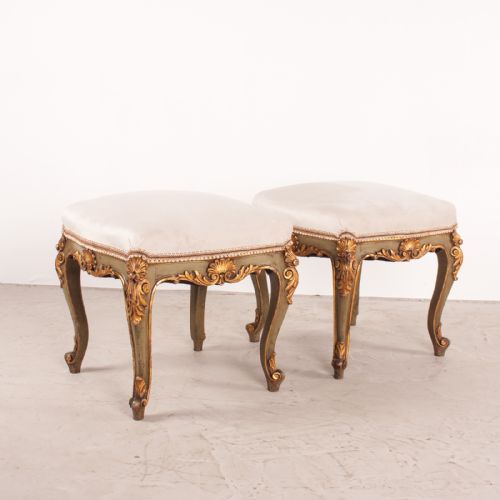
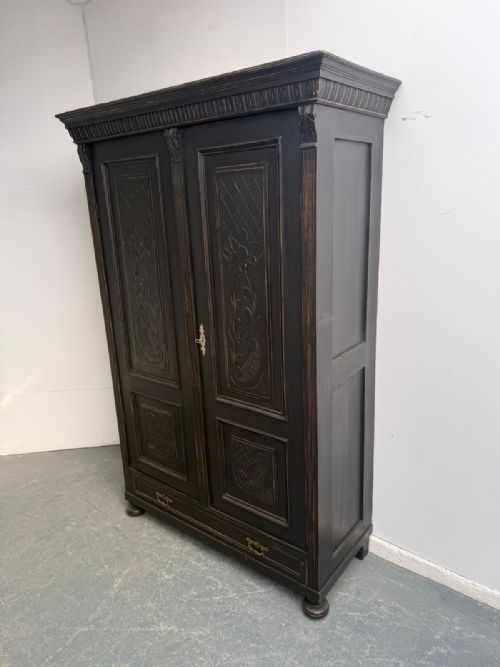
Workshops relied primarily on native timbers including walnut, oak, fruitwood and pine, occasionally incorporating mahogany, rosewood and kingwood for finer surfaces. Construction often involved hand-carved ornamentation, sometimes highlighted with gold leaf, parcel-gilt, paint or wax finishes.
Structural details include brass hardware, glass panels and fabric upholstery paired with traditional joinery. Artisans utilised marquetry, inlay and turned elements to articulate styles from the Renaissance to the Rococo Revival.
An apothecary cabinet hides tiny drawers once meant for dried roots and mysterious powders.
What varies in quality
The depth and crispness of the hand-carved detail distinguish finer examples from simpler provincial items. Relief work on walnut and oak demonstrates the carver's control over proportion and shadow.
The selection of timber grain, particularly in burr walnut and olive-wood surfaces, dictates visual impact. Original finishes, whether painted, gilded or waxed, preserve the integrity of the piece more effectively than later interventions.
The Continental Carved Furniture Glossary
- Commode
- A low chest of drawers or cabinet, frequently featuring a marble top in nineteenth-century continental examples.
- Baroque
- A decorative style characterised by dramatic ornamentation, vigorous curves and rich surface carving prevalent in seventeenth- and eighteenth-century pieces.
- Settle
- A wooden bench with high back, solid arms and often a storage compartment beneath the seat.
- Serpentine
- A curved furniture front or top shaped with a convex centre flanked by concave ends.
- Parcel-gilt
- Partially gilded with gold leaf to highlight specific carved details against a contrasting wood background.
Continental Carved Furniture: Frequently Asked Questions
How do I identify Italian Baroque furniture?
Italian Baroque items rely on heavy walnut construction, deep relief carving and dynamic forms. Look for armchairs and cabinets that display theatrical ornamentation and rich wood patination.
These pieces date primarily from the seventeenth century and carry a strong architectural presence within a room.
What is a marble-topped commode?
A marble-topped commode is a low storage chest fitted with a shaped stone slab on the upper surface. They appear frequently in nineteenth-century continental dining rooms and bedrooms.
The stone provides a durable, cool surface above carved wooden drawers and serpentine frames.
Where were painted pine wardrobes made?
Painted pine wardrobes and chests of drawers originate largely from Hungarian and regional European workshops. Makers utilised softwoods decorated with painted finishes for domestic storage.
These functional items bring softer colours and folk art traditions into modern interiors.
How should I care for antique walnut cabinets?
Maintain antique walnut and fruitwood surfaces with traditional wax rather than modern silicone polishes. Keep wooden cabinets away from direct heat sources to prevent timber movement.
Regular gentle buffing preserves the original lustre of the hand-carved panels.