
Traditional Landscape Wall Artwork
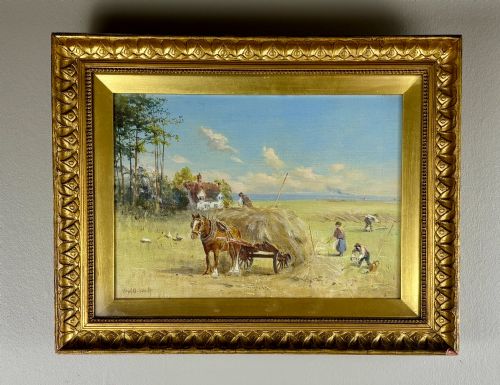
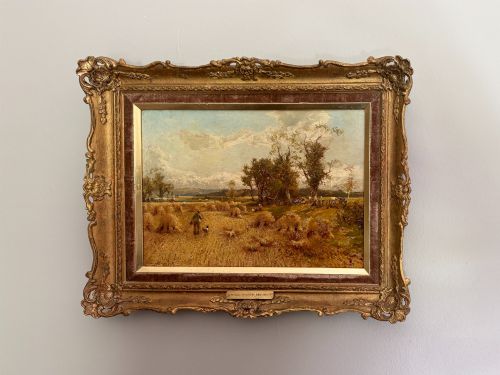
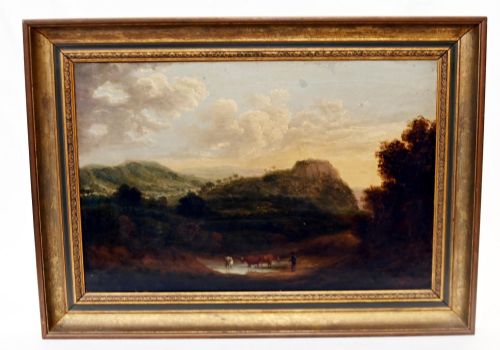
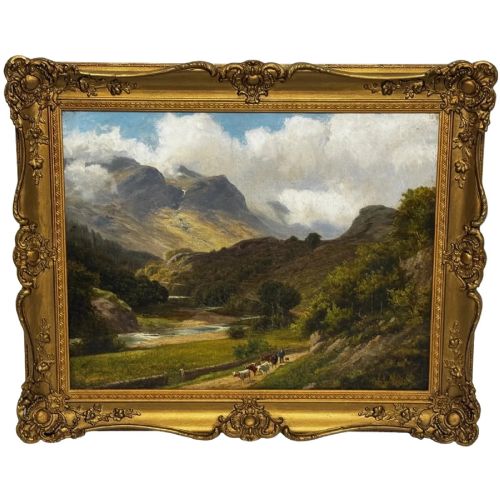
Traditional landscape wall artwork brings pastoral rivers, sweeping valleys, and woodland scenes indoors through centuries of painted canvas and paper.
Traditional Landscape Wall Artwork
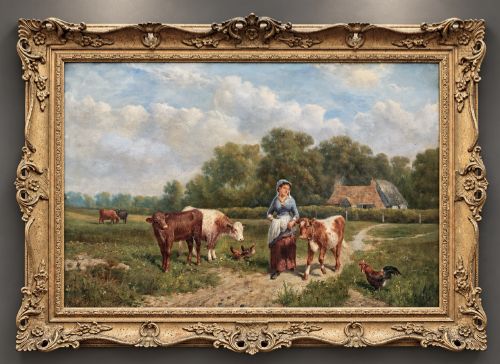
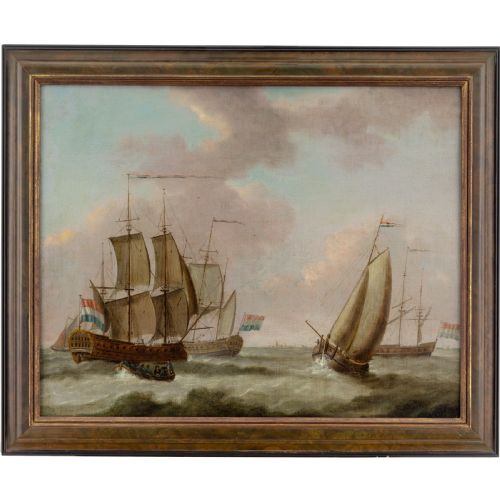
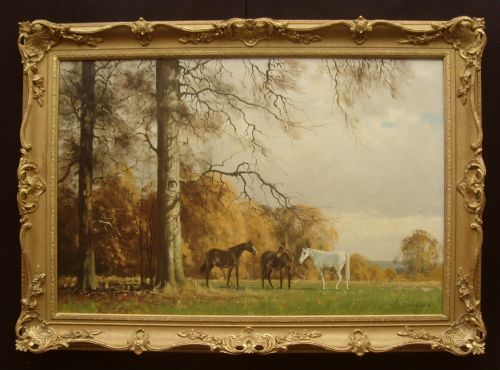
Traditional landscape wall artwork captures rural views, coastal harbours, and pastoral river valleys across framed formats. Buyers searching for traditional landscape wall artwork frequently encounter nineteenth-century oils and watercolours depicting British and European countryside scenes.
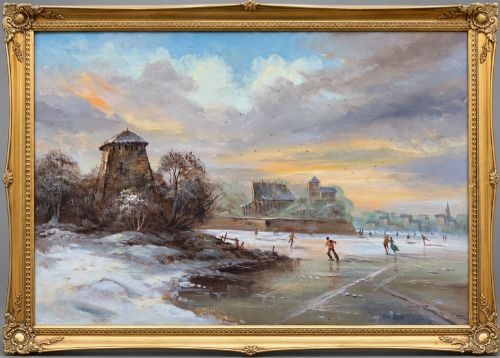
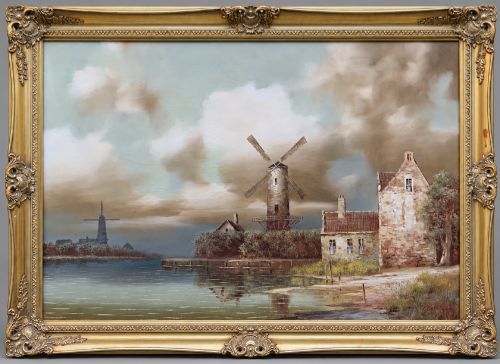
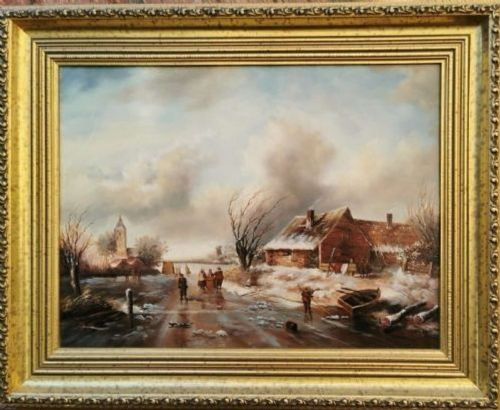
The selections span from intimate wood panel paintings to large framed canvases. Pieces range from Victorian pastoral depictions to early twentieth-century Scottish Highland views and Dutch style winter scenes.
Makers and regional schools shape the selection, offering everything from detailed agricultural watercolours to romantic oil paintings of rivers and woodlands.
Materials and construction
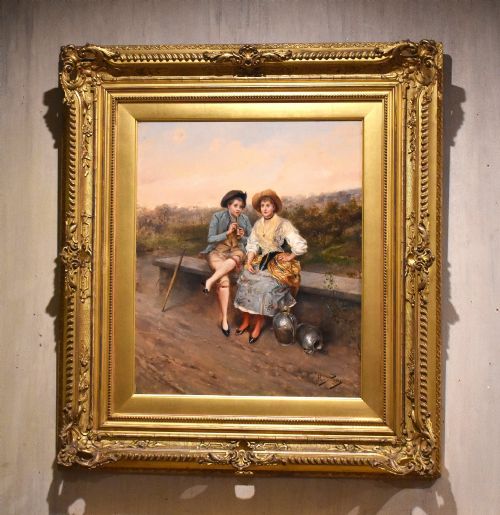
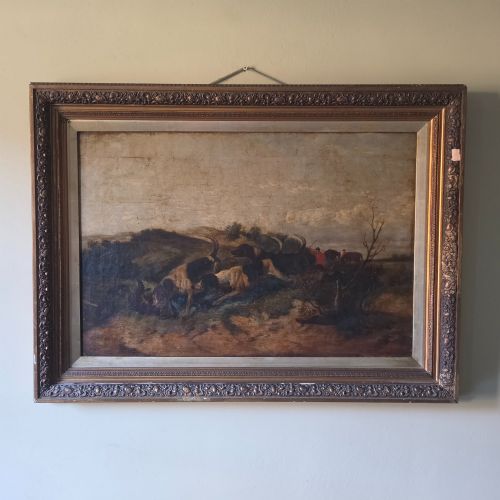
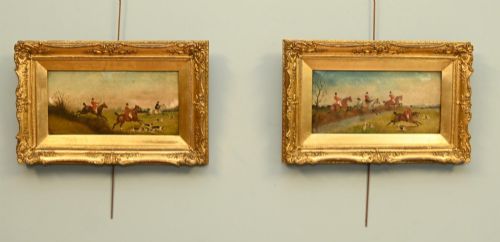
Makers applied oil paint or watercolours onto varied grounds including stretched canvas, wooden boards, wood panels, paper, and card. Many pieces retain their original gilt wood or giltwood frames, which complement the painted composition.
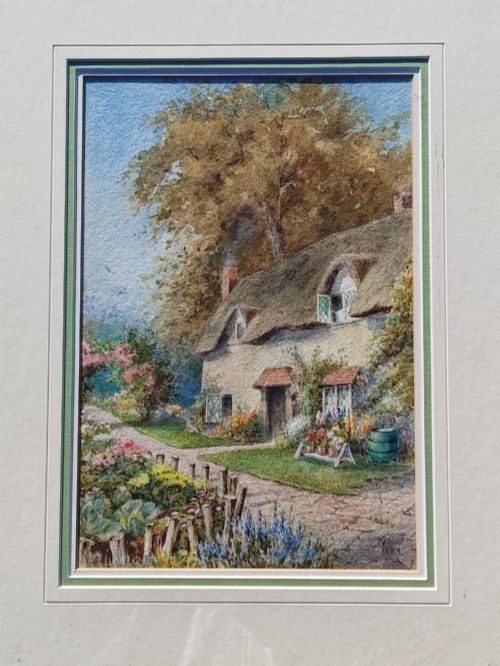
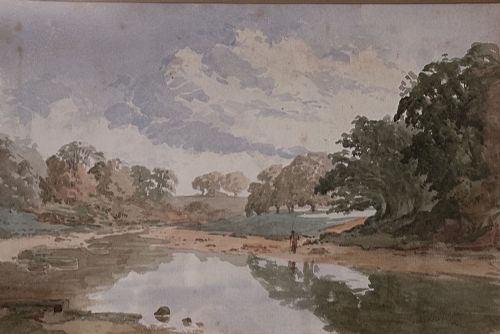
Artists worked within established schools of realism and regional traditions, utilising glass to protect delicate paper watercolours and silk paintings while leaving robust oil canvases exposed.
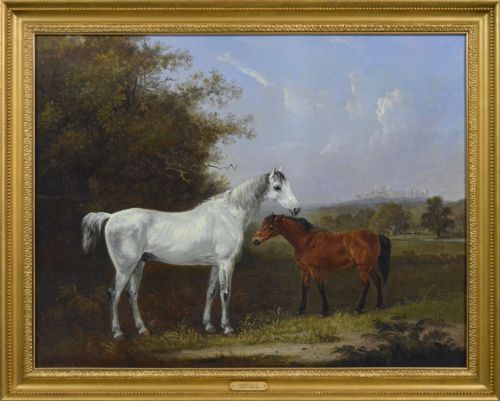
Grey shire horses and grazing sheep frequently wander into these painted fields, supervising the harvest.
Distinctions in quality
Quality rests upon the handling of light, depth, and atmospheric perspective within the painted scene. Superior examples demonstrate confident brushwork and anatomical precision in figures, livestock, and foliage.
The integrity of the original support surface and the preservation of the painted layer separate finer items from simpler decorative works.
Richard Sebastian Bond·William Beattie-Brown·Tom Campbell·Alfred Young Nutt·Percy Lancaster·John Horace Hooper·Reginald Arthur Borstel·A Marie Parsons·Edward Mills·George Houston·William Banks Fortescue·Thomas Barker of Bath·Thomas W Lascelles·Robert A Nottingham·David Bates·Thomas Smythe·Walter Heath Williams·John Smith Atherton·Thomas Creswick·Johannes Lingelbach·Ernest Arthur Rowe·John Sargent Noble·Robert Watson·George Wright·Albert Rieger
The Traditional Landscape Wall Artwork Glossary
- Canvas
- A heavy woven fabric stretched across a wooden frame to serve as a foundation for oil painting. It provides a flexible yet durable surface favoured by nineteenth-century artists.
- Giltwood
- Wood carved and coated with a thin layer of gold leaf or metallic gilt. It frequently forms the ornate framing surrounding traditional landscape paintings.
- Wood Panel
- A solid wooden board used as a rigid support for oil paintings before stretched canvas became dominant. These panels offer a smooth, stable ground for detailed brushwork.
- Watercolour
- A painting method where coloured pigments are suspended in a water-soluble vehicle on paper. Artists utilised this technique for luminous, translucent landscape sketches.
- Dutch School
- A stylistic tradition reflecting the artistic conventions of the Netherlands. Works in this manner often emphasise atmospheric light, winter scenes, and low horizons.
Traditional Landscape Wall Artwork: Frequently Asked Questions
What periods do these artworks cover?
The selection spans from the late eighteenth century through the Victorian and Edwardian eras into the mid-twentieth century. Many pieces originate from the nineteenth century.
Paintings date across several decades, reflecting changing regional styles from Scottish Highland scenes to Flemish inspired winter landscapes.
How should I hang a framed oil painting?
Oil paintings on canvas or wood require stable indoor environments away from direct sunlight and damp walls. Secure picture hooks should match the weight of the original wood or giltwood frame.
Keep the artwork at eye level and check that the hanging wire or brackets attached to the frame remain secure.
Are watercolours different from oil paintings?
Watercolours use pigment on paper or card and require protective glass glazing to prevent moisture damage. Oil paintings utilise oil paint on canvas or wooden boards and are left unglazed.
Oils generally present a heavier texture and deeper sheen, whereas watercolours offer a lighter, more translucent appearance.
How do I identify a regional school?
Regional schools are often identified by the subject matter, such as Scottish Highland cattle, Cornish coastal harbours, or Thames Valley rivers. Signatures and attribution notes on the reverse also point to specific geographic groups.
Examining the handling of light and local topography helps connect a painting to traditions like the Norwich School or Dutch manner.