


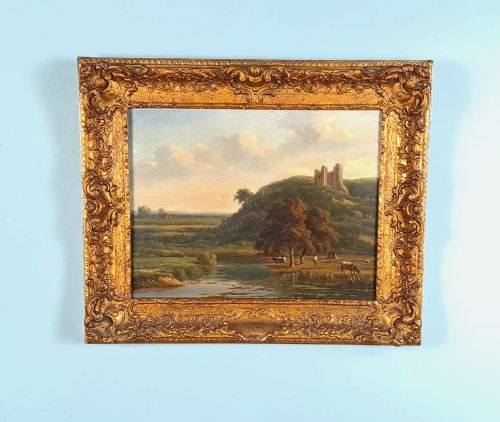
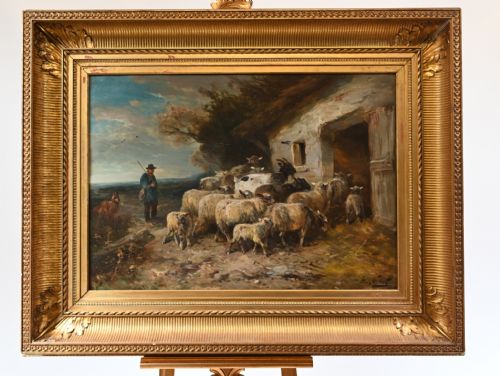
Pastoral Landscape Picture
When you search for a pastoral landscape picture, you are looking at country scenes of fields, cattle, and cottages that bring the quiet of the rural past indoors.
Pastoral Landscape Picture
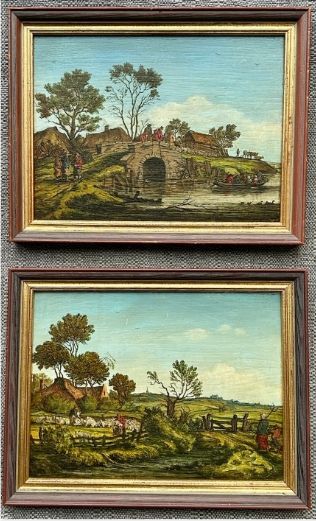
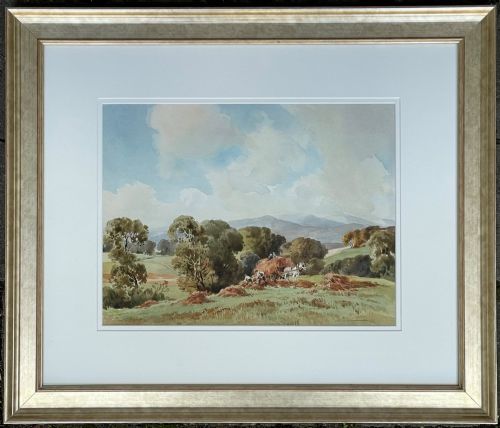
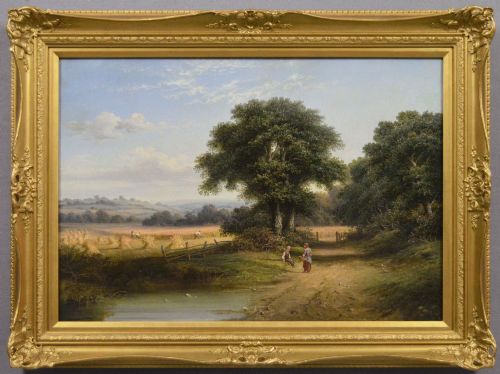
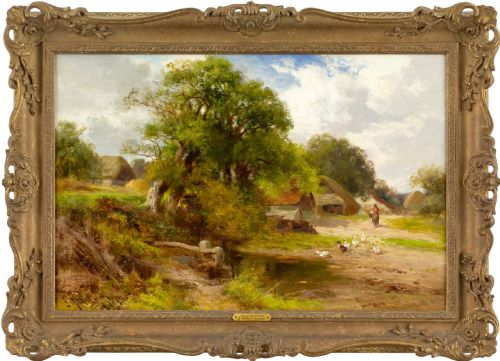
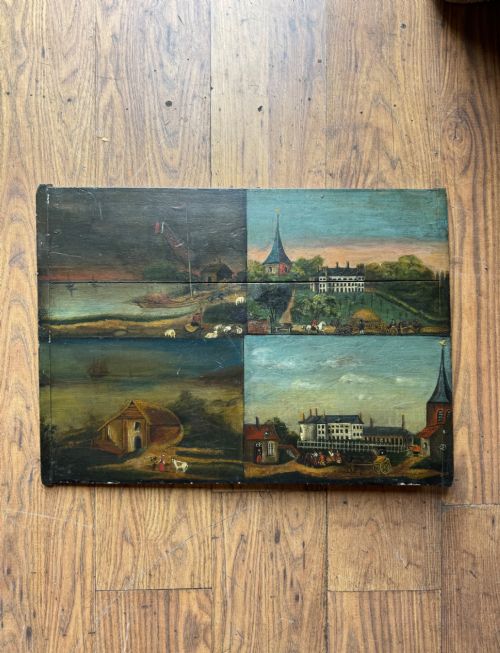
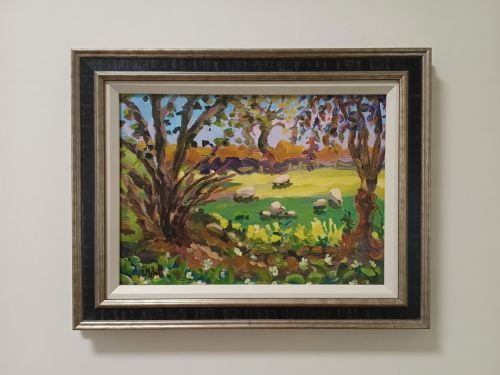
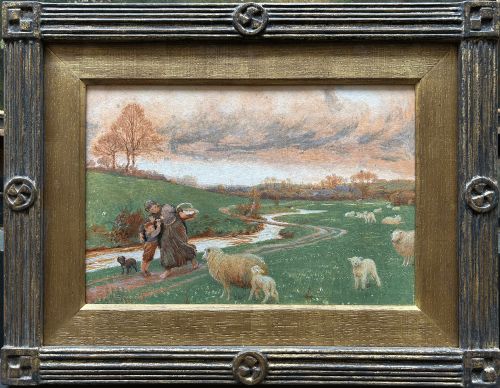
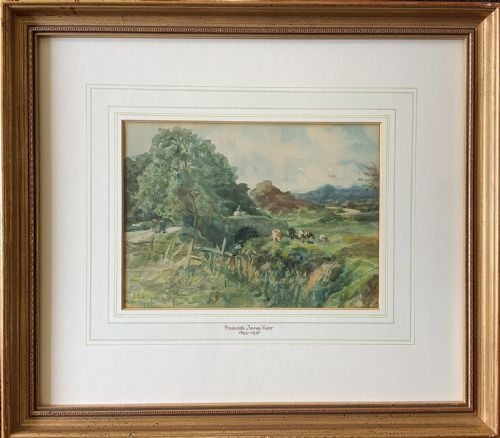
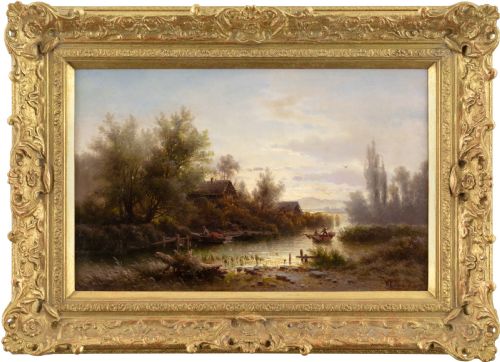
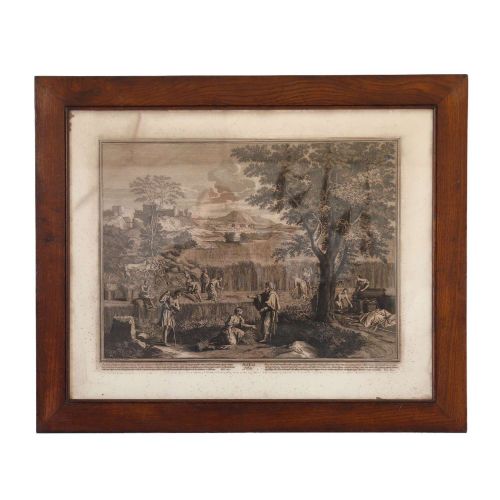
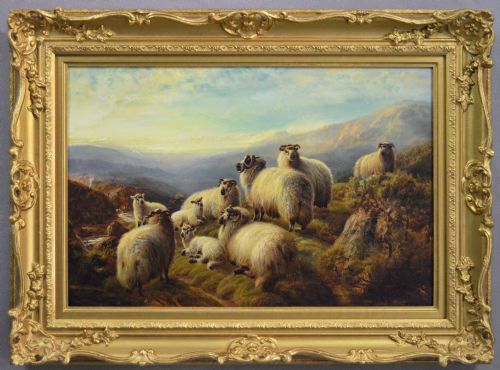
A pastoral landscape picture captures rural life, often featuring agricultural laborers, grazing sheep, cattle, and rustic cottages set within rolling countryside. These works serve as a visual retreat to simpler agrarian times, prized for their tranquil atmosphere.
You are most likely to meet nineteenth-century oil paintings and watercolours on this page, reflecting the period's intense fascination with rural naturalism. British and European artists dominate the selection, bringing local river valleys, woodlands, and harvest scenes onto canvas, board, and paper.
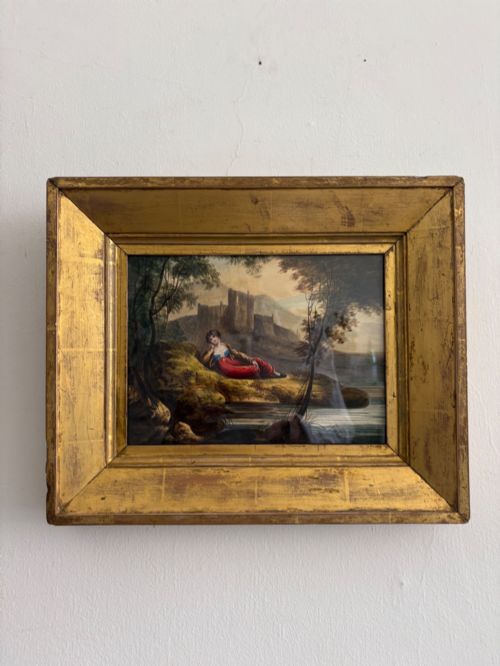
The format ranges from intimate framed watercolours to substantial oil paintings on canvas, frequently housed in period giltwood frames. Provincial naive works sit alongside accomplished academic pieces, offering varied interpretations of traditional country subjects.
Materials and techniques
Artists relied primarily on oil paint applied to canvas or wood panels, alongside watercolour and bodycolour on paper. These mediums allowed for rich textural depth in depicting foliage, livestock, and changing atmospheric light.
The listings span the nineteenth and early twentieth centuries, featuring oil on canvas, watercolour, and wood panel supports.
Assessing quality and execution
Quality rests heavily on the artist's command of light, shadow, and perspective in creating a convincing sense of depth across the countryside view. Skilled brushwork distinguishes animated foliage and responsive animal anatomy from stiff, formulaic replication.
The preservation of the original paint layer or watercolour pigment dictates the visual strength of the piece, alongside the integrity of any accompanying period frame. Stronger works display confident tonal balance and atmospheric harmony without excessive darkening or later overpainting.
David Bates·Walter Heath Williams·John Horace Hooper·Robert Watson·Thomas Sidney Cooper
The Pastoral Landscape Picture Glossary
- Oil on canvas
- A painting technique using pigments bound in a drying oil, applied to a stretched woven fabric support. This combination permits subtle blending and rich impasto textures.
- Watercolour
- A painting method where water-soluble pigments are suspended in a water-based solution, typically applied to paper. It yields translucent washes of colour well suited to delicate atmospheric effects.
- Giltwood
- Wood carved and coated with gold leaf or a metallic gilding preparation. It provides a reflective, ornate border common in nineteenth-century framing.
- Gesso
- A paint mixture consisting of a neutral binder mixed with chalk, gypsum, or pigment. It serves as a smooth preparation layer for wood panels and picture frames before gilding.
- Pastoral
- An artistic genre depicting the rural lives of shepherds, farmers, and country folk in idealized natural settings. These scenes emphasise peaceful coexistence with the land.
Pastoral Landscape Picture: Frequently Asked Questions
What defines a pastoral landscape?
A pastoral landscape depicts scenes of rural life, agriculture, and animal husbandry, focusing on fields, flocks, and rustic dwellings. These compositions celebrate the perceived harmony and simplicity of the countryside.
Artists used these subjects to evoke nostalgia and a sense of quiet detachment from rapidly industrializing urban centres during the nineteenth century.
How do I care for an antique oil painting?
Protect oil paintings from direct sunlight, high humidity, and rapid temperature fluctuations to prevent cracking in the paint layer. Keep the canvas surface clean by gently dusting with a dry, soft brush without applying pressure.
Avoid using liquid cleaners or household solvents on the painted surface. Professional conservators should handle any necessary deep cleaning or canvas re-tensioning.
Are watercolours different from oil paintings?
Watercolours use pigments bound in a water-soluble medium applied to paper, requiring framing behind glass for physical protection. Oil paintings utilise a durable oil binder on canvas or wood, allowing for heavier texture and greater resistance to moisture.
Because paper is sensitive to light and humidity, watercolours demand more careful placement away from direct sunlight compared to robust canvas works.
How can I tell the period of a painting?
Dating relies on examining the substrate materials, framing style, stretcher construction, and artist signatures where available. Pigment analysis and canvas stamps can further narrow down the decade of production.
Stylistic cues, such as the specific clothing of figures or prevailing landscape conventions, also point toward nineteenth-century or early twentieth-century origins.