


Vintage Rural Painting
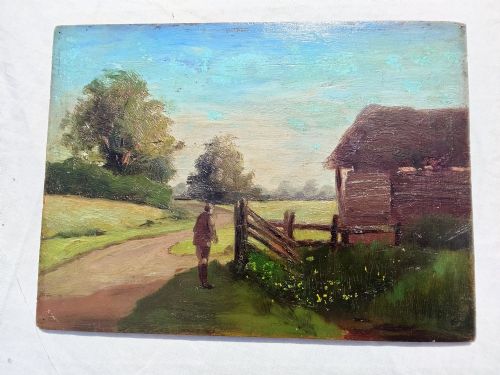
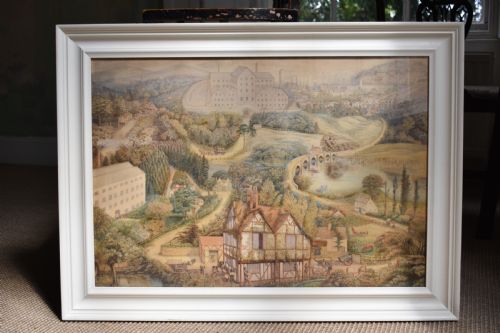
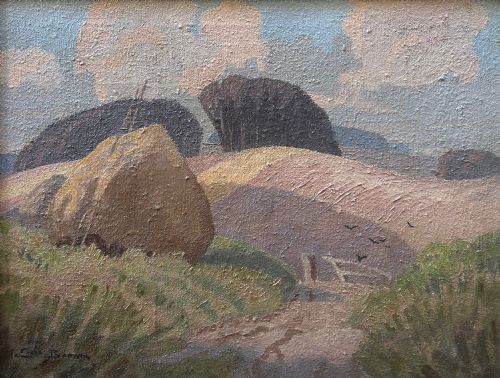
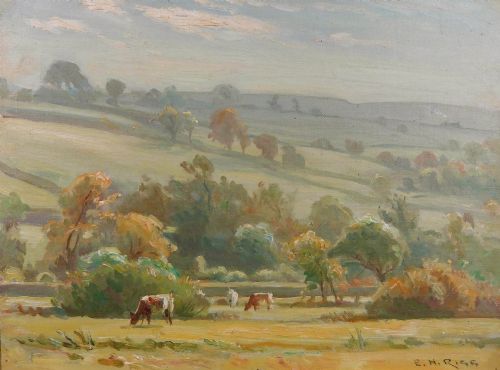
Vintage rural painting captures country life through oil on canvas, watercolor and wood panels spanning the nineteenth and twentieth centuries.
Vintage Rural Painting
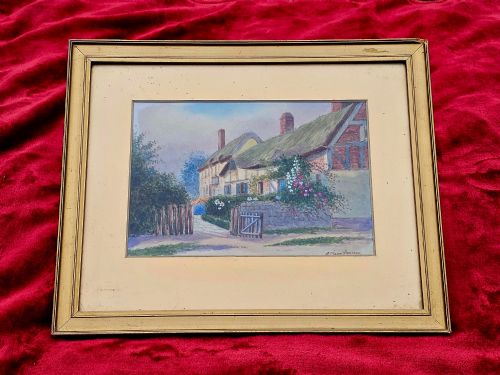
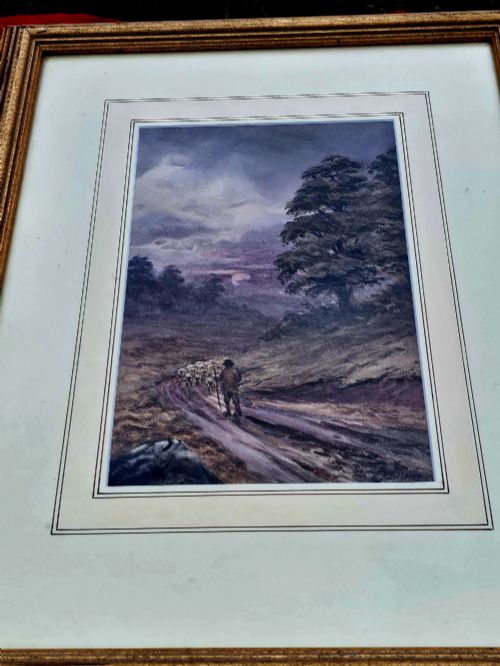
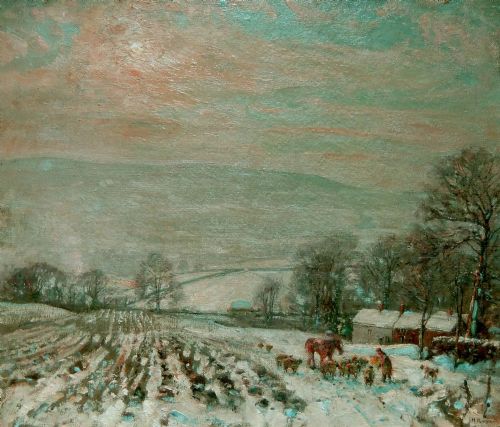
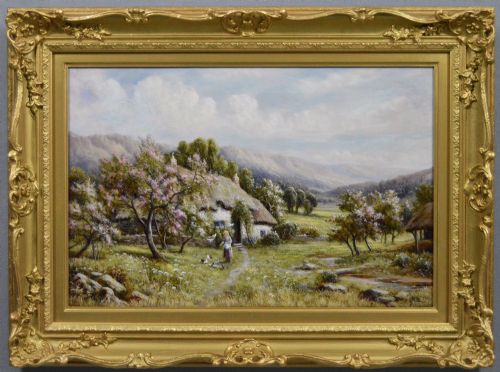
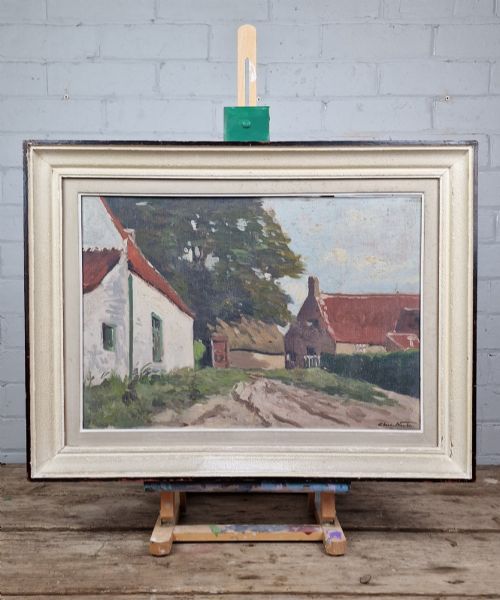
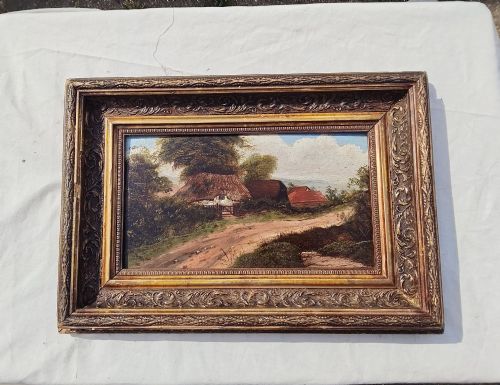
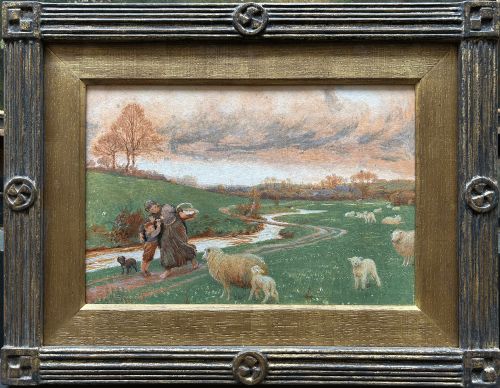
A vintage rural painting depicts pastoral scenes, farmyards, cottages, and agricultural labour across various periods from the nineteenth century to the mid-twentieth century. When searching for a vintage rural painting, buyers encounter works depicting ploughing horses, sheep herding, haystacks, and quiet country rivers.
The selection ranges from Victorian pastoral watercolours to British Impressionist and Post-Impressionist canvases. Traditional country subjects dominate, executed by named artists and regional schools working in oil, watercolour, and oil on card.
Materials and techniques
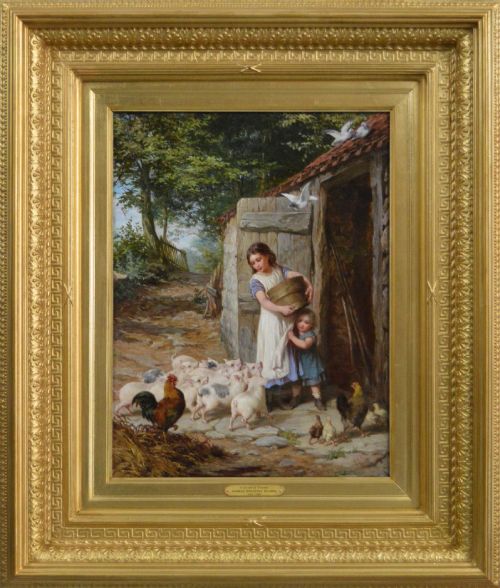
Artists painted these rural scenes using oil paint and watercolour on traditional supports such as canvas, wood boards, card, and heavy paper. Many pieces retain their period frames, occasionally incorporating gold leaf detailing.
Techniques span detailed academic representation, British Impressionist brushwork, and atmospheric Post-Impressionist compositions. Painters applied pigment directly to primed canvas or wooden panels to capture changing seasonal light in fields and farmyards.
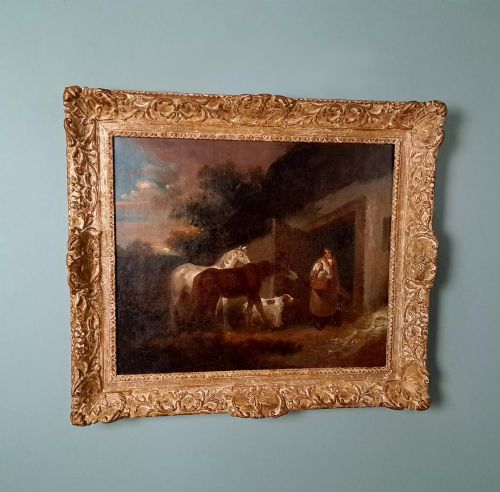
Ducks, piglets, and heavy shire horses frequently steal the focus from the human farmers.
What dictates the quality
Quality rests in the handling of light, brushwork confidence, and compositional balance within the pastoral setting. A stronger canvas displays assured draftsmanship in figures and animals, such as working shire horses or farmyard livestock.
Provenance and attribution elevate certain works, particularly signed pieces by established regional artists or recognised European schools. The integration of medium and support, from textured oil on canvas to delicate early twentieth-century watercolours, determines the overall presence of the piece.
A. Marie Parsons·William Joseph Shayer Senior·EJ Letheren·Herbert Royle·Robert John Hammond·Charles Houben·George Augustus Holmes·Frederick Walker·Eric Brown·Ernest Higgins Rigg·Frederick James Kerr·Edgar Hunt·Umberto Volpato·Herman S Melville·George Morland·Charles Edward Wilson·Sydney Yates Johnson·Charles Clair·Harry Freckleton·Henry Charles Fox·William JB Jenkins·Cuthbert Crossley·Reginald Grange Brundrit·Fred Lawson·Ingrid Rydbeck-Zuhr
The Vintage Rural Painting Glossary
- Pastoral landscape
- A genre of artwork depicting rural life, countryside views, agricultural activities, and natural scenery. These works often focus on farms, rivers, and meadows.
- Oil on canvas
- A traditional painting medium where pigmented oil is applied to woven fabric stretched over a wooden frame. This combination allows for rich texture and blending.
- British Impressionism
- An artistic movement focusing on light, loose brushstrokes, and everyday subjects. It emerged in the late nineteenth and early twentieth centuries.
- Watercolour
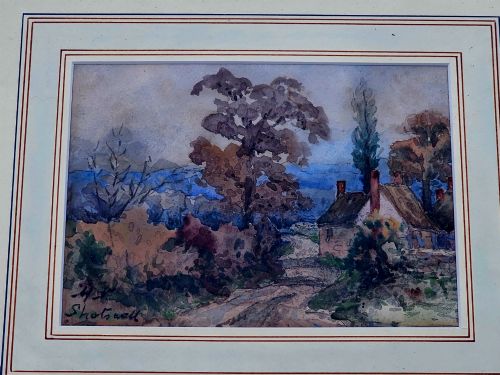
- A painting method where water-soluble pigments are applied to paper. It yields transparent washes and delicate tones often seen in early twentieth-century works.
Vintage Rural Painting: Frequently Asked Questions
What subjects appear in vintage rural painting?
These works feature agricultural scenes, farmyards, cottages, livestock, and figures working in fields. Common motifs include ploughing horses, haystacks, and pastoral river views.
Artists across the nineteenth and twentieth centuries documented traditional country life, capturing seasonal changes in rural settings.
Which materials did artists use?
Painters utilised oil paint, watercolour, and gouache on supports including canvas, wood panels, card, and paper. Gold leaf frequently appears on period frames.
The choice of medium influences the texture and atmosphere, from heavy oil impasto to transparent watercolour washes.
How do I date a rural painting?
Dating relies on stylistic clues, artist signatures, clothing worn by figures, and framing materials. Victorian and Edwardian works often show distinct palette choices and pastoral conventions.
Recorded dates on artist biographies and exhibition labels help place undated pieces within the nineteenth or twentieth century.
How should I display these artworks?
Mounting these paintings in appropriate period frames enhances their visual impact in domestic interiors. Maintaining stable humidity and avoiding direct sunlight protects the canvas and paper.
Placing them in rooms with consistent temperature preserves both the paint layers and the wooden supports.