
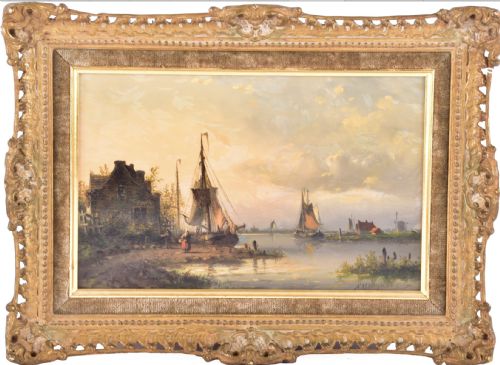
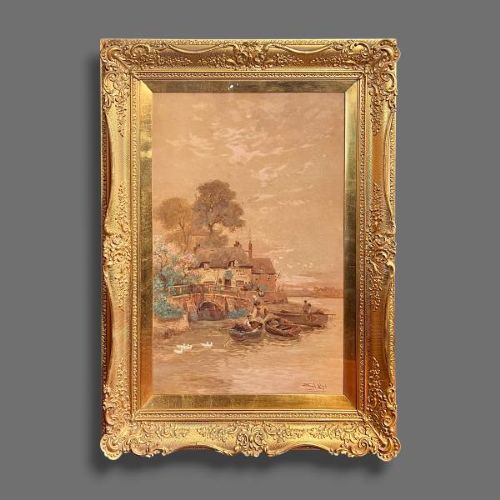
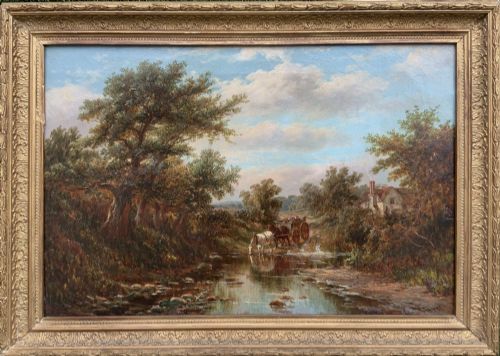
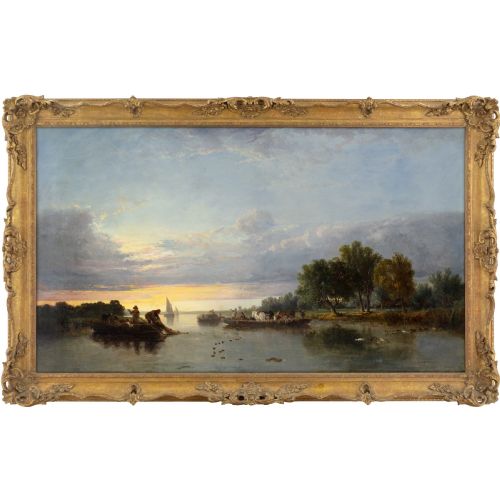
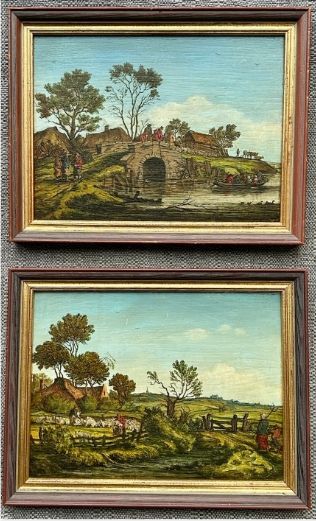
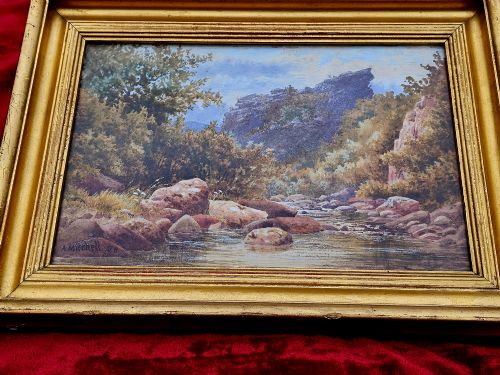
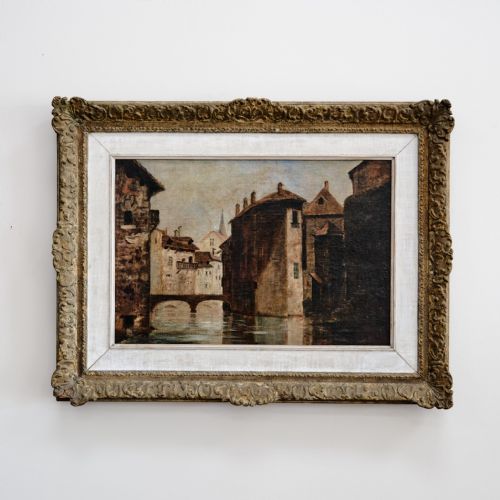
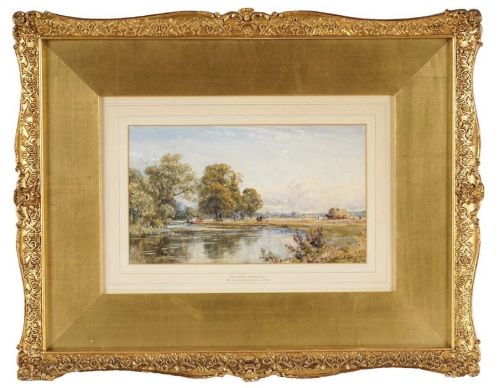


Gilded Frame River Scene
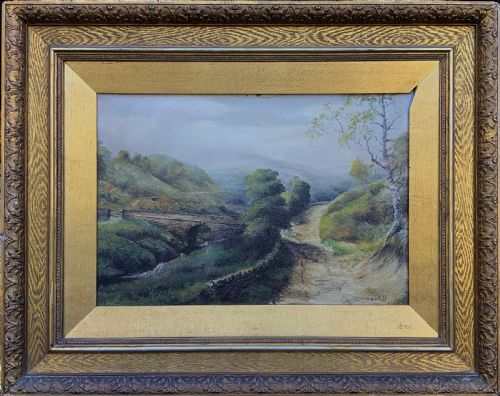
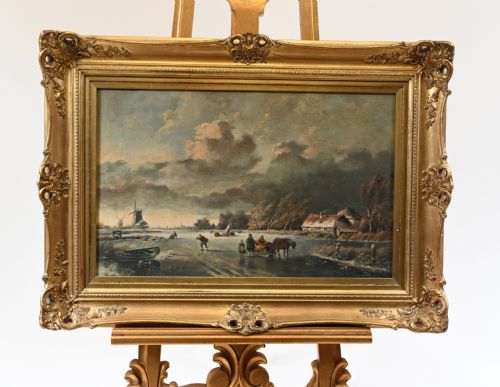
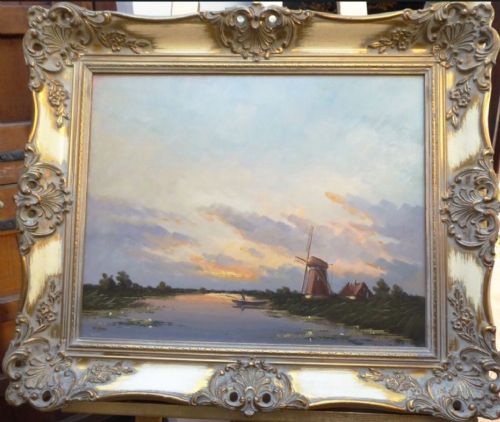
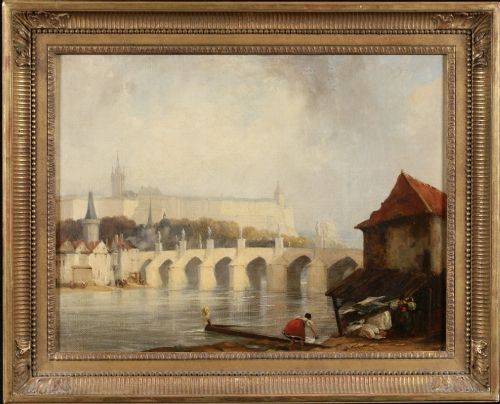
When you search for a gilded frame river scene, you are looking at nineteenth-century oil paintings and watercolours depicting pastoral waterways.
Gilded Frame River Scene
A gilded frame river scene brings together nineteenth-century landscape painting and ornate wooden framing, focusing on British and European waterways.
You are most likely to meet Victorian oil paintings on canvas or wood panels, alongside watercolours showing rivers, bridges, and figures at work.
The selections span Dutch schools, French impressionism, and British pastoral traditions, capturing scenes from the River Severn to Dutch lakes.
Materials and construction
Artists painted primarily with oil paint on stretched canvas or wood panels, while others worked in watercolour on paper.
Wood and gesso formed the heavy frames, coated in gold leaf to create the characteristic gilded finish around the artwork.
Quality factors
Depth of tone and sureness of brushwork separate accomplished topographical records from ordinary studio output.
The preservation of the original gold leaf on the gesso moulding defines the visual strength of the piece.
Thomas Baker of Leamington·David Cox Jnr·Benjamin Williams Leader·Alfred de Breanski·Louis Bosworth Hurt
The Gilded Frame River Scene Glossary
- Gesso
- A plaster mix applied to wood frames as a base for gold leaf. It provides the smooth white surface needed for gilding.
- Oil on Canvas
- Pigment mixed with drying oil applied to woven fabric. This medium dominated nineteenth-century landscape painting.
- Watercolour
- Paint using water-soluble pigments on paper. These works require glass protection within their frames.
- Giltwood
- Wood carved and coated with gold leaf. It forms the traditional bright border for nineteenth-century fine art.
- Tondo
- A circular painting or relief. This unusual format appears occasionally in nineteenth-century landscape works.
Gilded Frame River Scene: Frequently Asked Questions
How do I hang a heavy oil painting?
These works require secure wall anchors fixed directly into masonry or solid studs, as the combination of canvas, wood, and gilded frames creates substantial weight.
Use heavy-duty picture wire and brass screw eyes rated well above the mass of the artwork to ensure stability.
Should watercolours hang in direct sunlight?
Paper and watercolour pigments fade permanently when exposed to strong ultraviolet light over extended periods.
Position these pieces on interior walls away from direct windows to preserve the integrity of the original tones.
How do I clean a gilded wood frame?
Dust accumulated on intricate gesso mouldings requires a very soft dry brush rather than liquid cleaners.
Moisture and harsh wiping can strip the delicate gold leaf layers from the underlying wooden structure.
What indicates a nineteenth-century origin?
Canvas stretchers with wedge keys, hand-carved gesso frames, and artist stamps on the reverse point clearly to the Victorian era.
Subject matter focusing on industrial expansion alongside traditional pastoral waterways also marks this specific period.