



Traditional Kitchen Cabinet
Traditional kitchen cabinet examples bring practical storage and honest utility into domestic spaces through robust timber construction and regional utilitarian forms.
Traditional Kitchen Cabinet
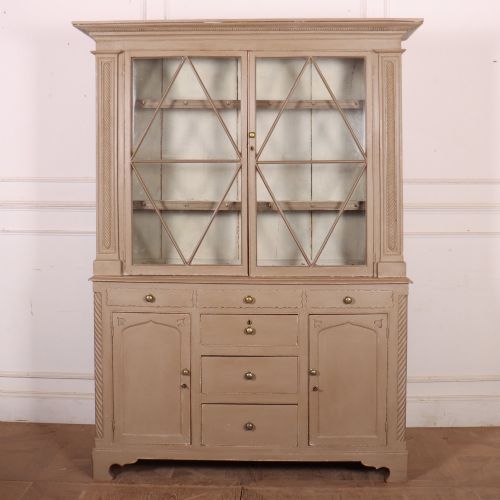
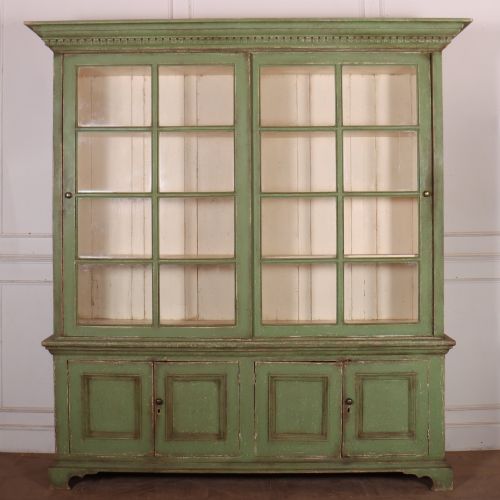
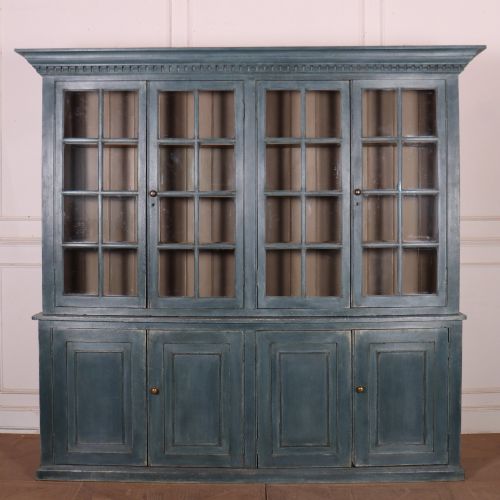
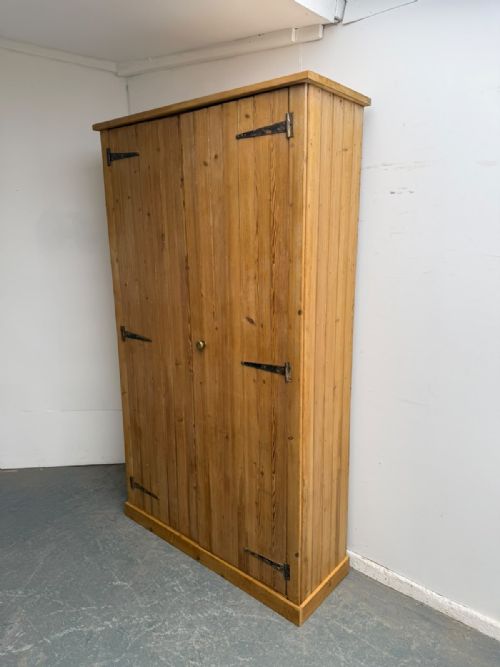
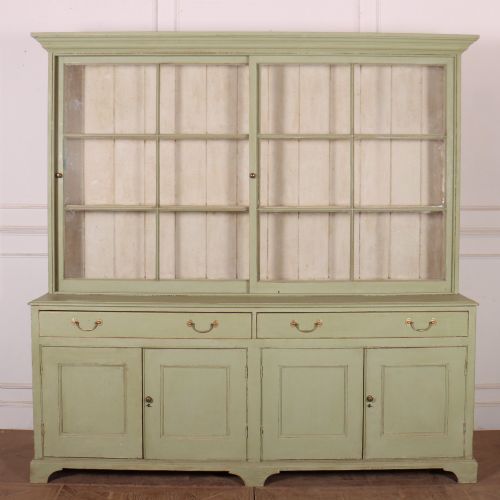
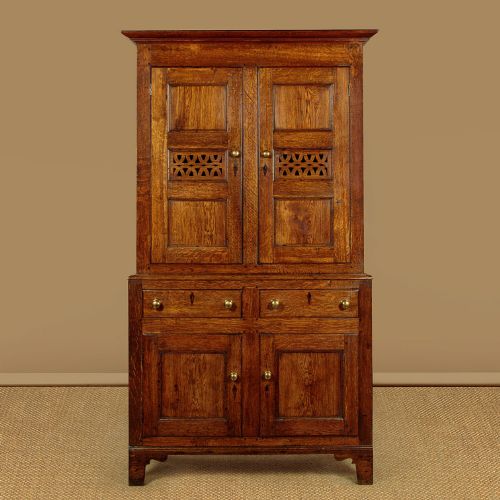
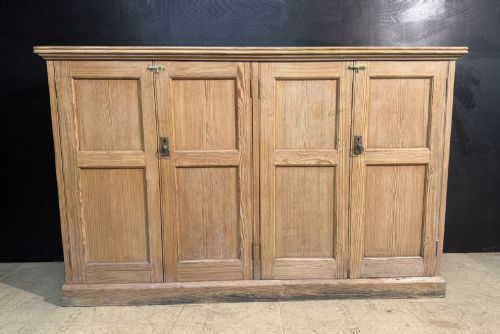
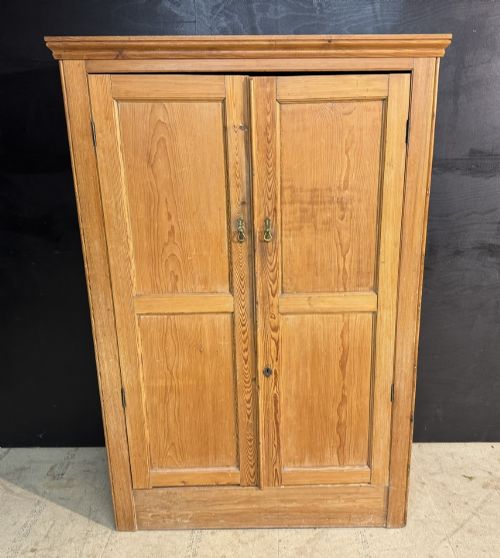
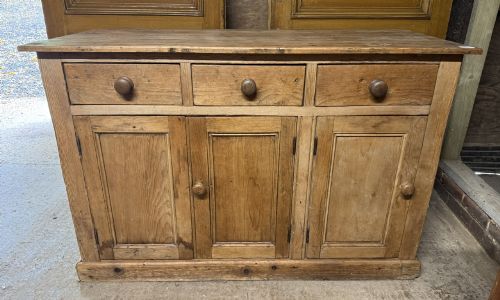
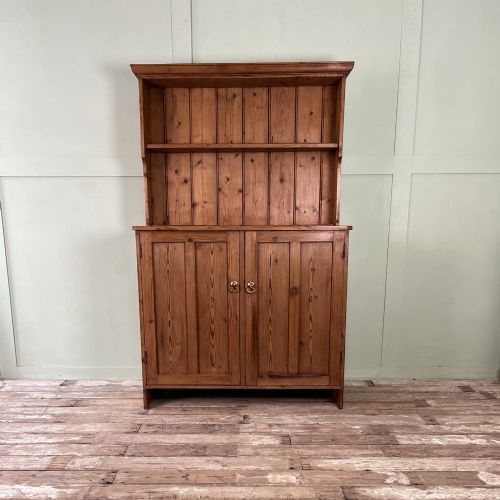
A traditional kitchen cabinet encompasses useful domestic storage furniture, most frequently encountered here as pine and oak dressers, cupboards, and housekeepers' units. These pieces span from the 18th century through the Victorian and Edwardian eras into the mid-20th century, reflecting the evolving needs of historic kitchens and pantries.
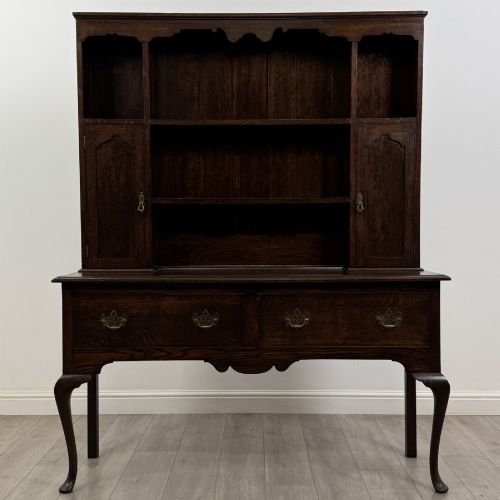
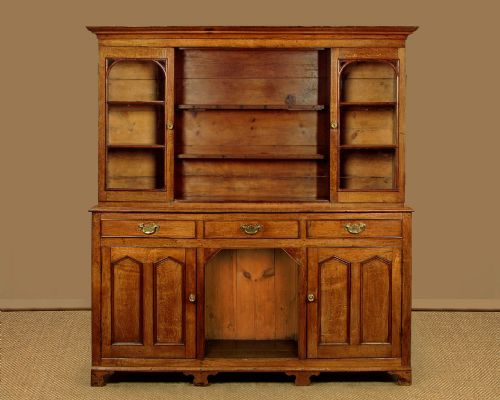
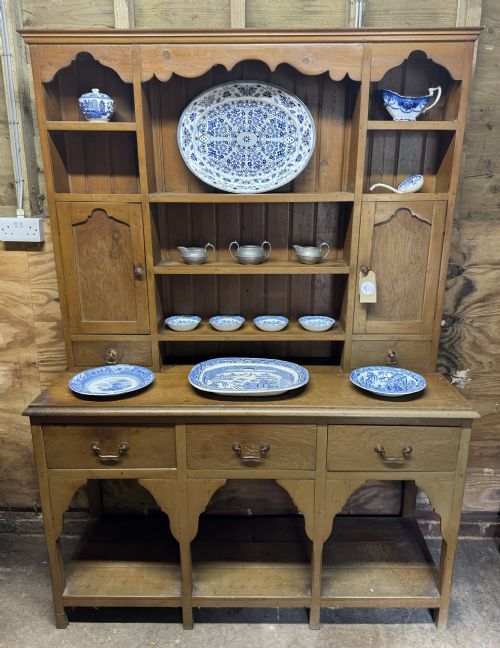
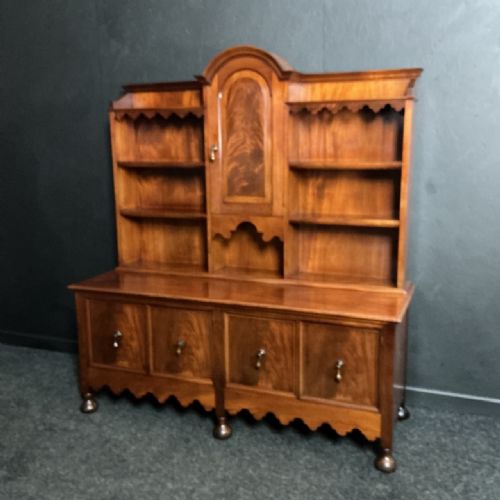
Buyers regularly find regional variations such as Welsh dressers featuring open plate racks, Scottish glazed cabinets, and West Country storage units. The selection relies heavily on solid pine and oak, often shaped into two-part dressers, larder cupboards, and dresser bases with drawers and panelled doors.
The enduring appeal of a traditional kitchen cabinet lies in its straightforward geometry and visible utility, functioning as both storage space and a focal point for domestic interiors. Surviving examples demonstrate the utilitarian craft of past centuries, utilising local timbers to furnish working kitchens.
Evaluating the pieces
Quality rests significantly on the integrity of the timber and the preservation of original surfaces, such as early paint or undisturbed wax patinas. Pieces retaining their original hardware, uncompromised backboards, and matching plate racks command greater appreciation among collectors.
Traditional Kitchen Cabinet Retail Price Guide 2026
Typical asking prices for traditional kitchen cabinet among the pieces listed under this phrase on Sellingantiques today, from the lower quarter to the upper quarter. They describe what is for sale here now, not the wider market.
Fruitwood spice drawers wait quietly to guard your pin-pricked recipes.
Rushworth's
The Traditional Kitchen Cabinet Glossary
- Welsh Dresser
- A traditional kitchen cabinet featuring open plate shelves above a base of drawers and cupboards. This form was designed for both displaying tableware and storing kitchen provisions.
- Housekeepers Cupboard
- A large storage piece traditionally used for linens, dry goods, and kitchen equipment. These substantial cupboards often feature multiple panelled doors and internal shelving.
- Potboard Dresser
- An open-shelf base unit incorporating a low slatted shelf near the floor. This lower board was originally intended for storing heavy pots and pans.
- Plate Rack
- Open wooden shelving mounted above a dresser base. It holds plates upright against the wall for easy access and drying.
- Patina
- The surface sheen and colour developed by wood and paint over long periods of handling and use. A genuine patina reflects the age and history of the piece.
Traditional Kitchen Cabinet: Frequently Asked Questions
What is a traditional kitchen cabinet?
A traditional kitchen cabinet is a utilitarian storage piece made from solid timbers like pine and oak, designed for domestic food preparation and tableware storage.
These items range from open-rack dressers to enclosed larder cupboards originating across the 18th, 19th, and early 20th centuries.
How were these cabinets used?
They served as the primary storage hubs for historic kitchens, holding dry goods, crockery, pots, and linens close to hand.
Open plate racks allowed everyday ceramics to dry and remain visible, while lower cupboards concealed bulk provisions and cooking utensils.
How do I care for waxed pine furniture?
Maintain waxed pine surfaces by dusting with a dry cloth and occasionally applying a traditional beeswax to nourish the timber.
Keep these cabinets away from direct heat sources and excessive moisture to protect the historic wood and prevent warping.
How can I tell an older piece apart?
Examine the construction methods, such as hand-cut dovetails in the drawers, pegged joints, and the composition of the timber boards.
Older pieces often display signs of hand-tooling, irregular board widths, and natural wear patterns accumulated over generations of domestic use.