
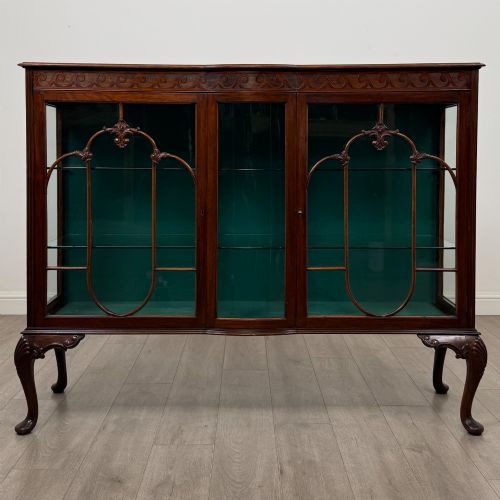
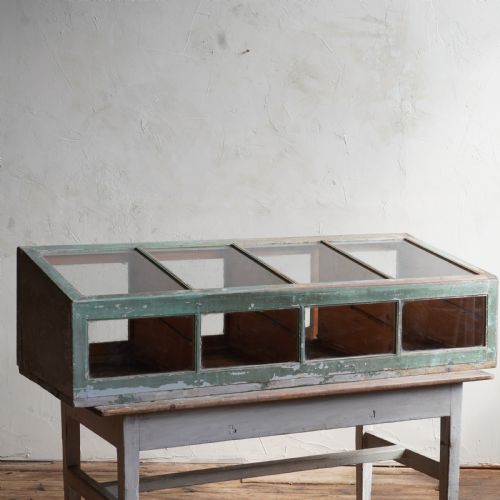
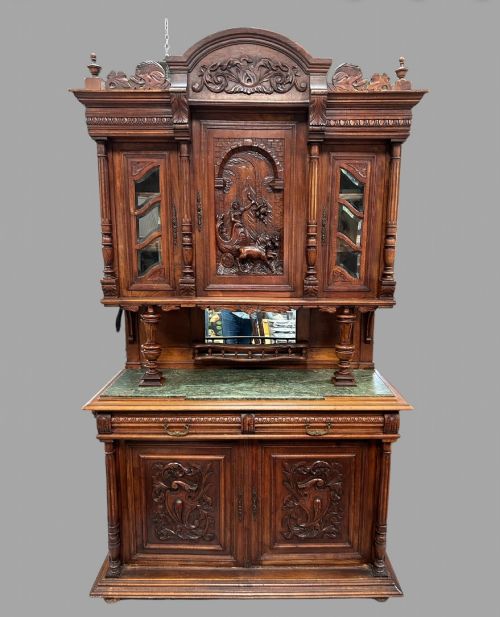
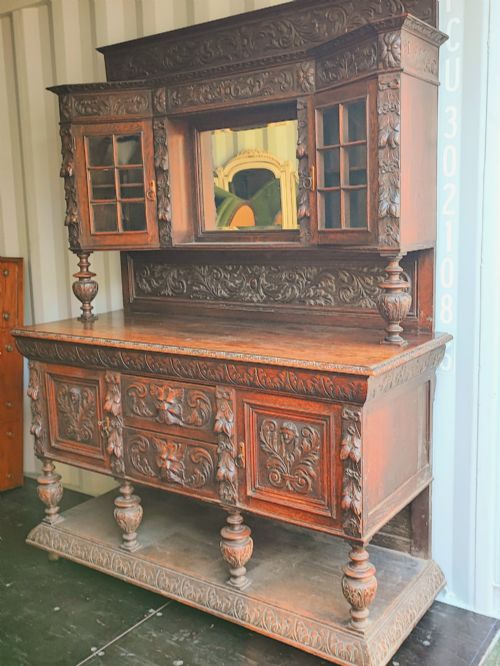

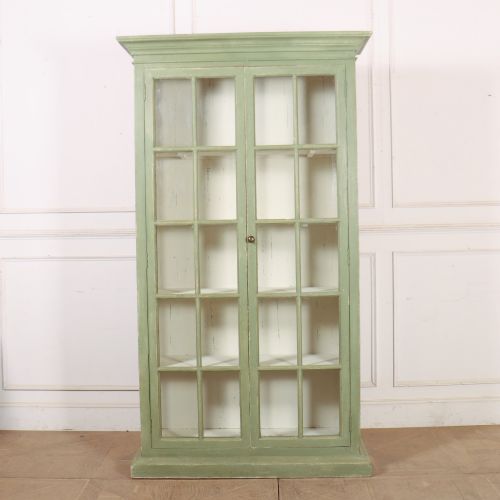


Green Display Cabinet
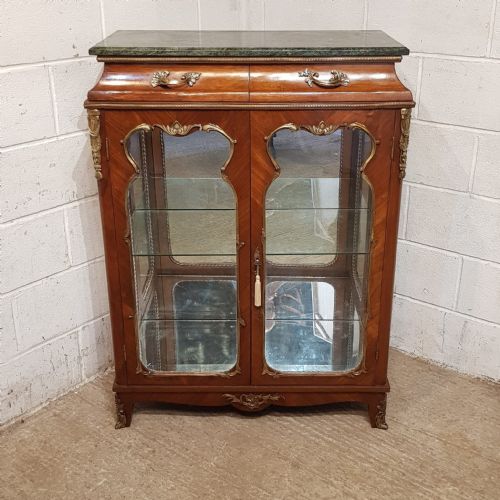
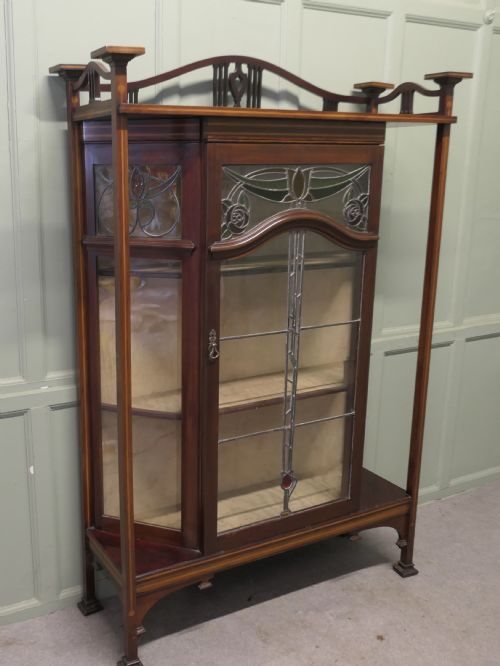
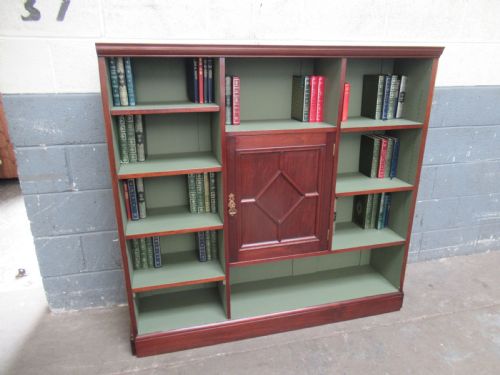
A green display cabinet brings painted character and preserved porcelain or glass to a room, offering functional storage with distinct period charm.
Green Display Cabinet
A green display cabinet encompasses painted cupboards, glazed vitrines, and kitchen dressers designed to show and store precious objects. The pieces appearing in this selection span the eighteenth, nineteenth, and early twentieth centuries, drawing on styles from Edwardian practicality to French Provincial and Louis revivalism.
Buyers meet variations ranging from compact countertop shops cases and wall-mounted vitrines to monumental oak bookcases and Dutch glazed cabinets. Painted wood finishes dominate the aesthetic, frequently paired with mahogany, walnut, and pine.
Origin points stretch across English, French, and Dutch workshops, supplying both formal parlour furniture and rustic country kitchen furniture. Each form serves the dual purpose of keeping dust from delicate wares while displaying them clearly through glass panels.
How they were made
Cabinet makers utilised solid timbers such as oak, mahogany, walnut, and pine, constructing carcases with traditional joinery before applying layered paint finishes or clear polishes. Glazing relied on hand-blown glass panes secured within timber or gilt metal framework.
Decorative detailing involved carved motifs like Green Man masks, intricate floral marquetry, and brass hardware mountings. Painted variants received hand-applied pigments on wood, occasionally finished with a distressed surface texture that reflects decades of handling.
Object forms span from countertop shop display cases and kitchen dressers to tall glazed bookcases and decorative porcelain plaques.
What varies in quality
Construction integrity separates standard utility cupboards from master cabinet work, with tighter dovetail joints and well-hung doors commanding greater appreciation. The crispness of hand-carved ornamentation, such as deep oak foliage or applied metal mounts, indicates the skill of the original workshop.
The survival of original glass panes, functional brass locks, and undisturbed painted surfaces preserves the historical integrity of a piece. Finer examples retain balanced proportions and harmonious integration between the glazed display section and the enclosed storage below.
Shapland and Petter·Mercier Frères·Royal Doulton·James Gardner·Flight Barr and Barr
The Green Display Cabinet Glossary
- Vitrine
- A glass-panelled cabinet specifically built for the display of porcelain, curiosities, and decorative objects. These units often feature glazed sides as well as front doors to maximise light penetration.
- Kitchen Dresser
- A dual-purpose domestic piece combining open plate racks or upper shelving with lower cupboards and drawers. They appear frequently in English and regional country styles.
- Green Man
- A sculptural architectural ornament depicting a human face disgorging foliage or vines. This motif emerges on nineteenth-century oak furniture and revivalist sideboards.
- Gilt Metal Mounted
- Hardware or decorative trims formed of cast metal treated with a gold-coloured finish. Makers applied these mounts to enrich the angles and cornices of display cabinets.
- Countertop Display Cabinet
- A smaller glazed enclosure designed to sit upon shop counters or tables for merchandise inspection. Edwardian merchants utilised them extensively for retail trade.
Green Display Cabinet: Frequently Asked Questions
How do I clean a painted green display cabinet?
Dust surfaces gently with a dry, soft cloth to prevent abrasive particles from scratching the painted wood finish. Avoid modern chemical sprays or excessive moisture which can degrade older paint layers.
For glazed panels, use a mild glass cleaner applied directly to a cloth rather than the timber frame. Regular gentle maintenance preserves both the historical surface and the structural integrity of the cabinet.
What periods do these green display cabinets come from?
The pieces span multiple centuries, including eighteenth-century Dutch vitrines, nineteenth-century Victorian oak bookcases, and early twentieth-century Edwardian painted cabinets. Each era brought distinct proportions and regional woodworking traditions to the craft.
Reviewing the materials and construction details helps date a specific piece accurately. Makers from different decades utilised distinct hardware, timber selections, and decorative carving styles.
Where were these cabinets originally used?
Many originated in domestic settings such as drawing rooms, libraries, and country kitchens for storing china, books, and provisions. Others served commercial functions as shop display counters and vitrines for merchants.
This diverse heritage means modern buyers can place them in dining rooms for tableware or living spaces for collections. Their dual storage and display functions remain as practical today as in past centuries.
Are the glass panels original?
Older cabinets frequently feature hand-blown glass characterised by minor surface ripples, tiny air bubbles, and slight thickness variations. Examining the glass under angled light reveals these authentic traces of early manufacturing methods.
Replacement glass often appears completely flat and uniform by comparison. Checking the putty or timber retaining beads provides further clues about whether the glazing dates to the construction period.