
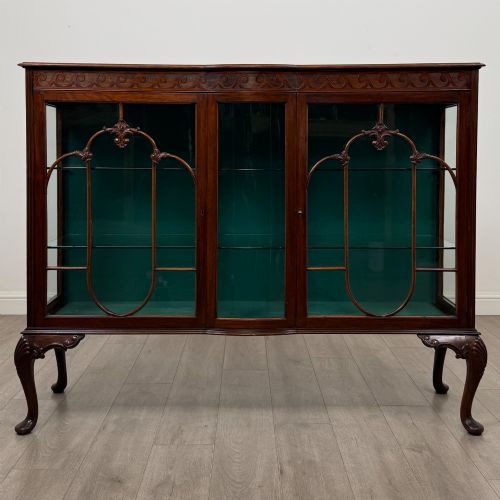
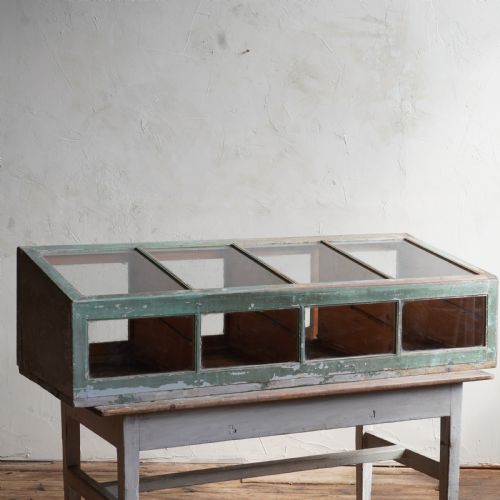
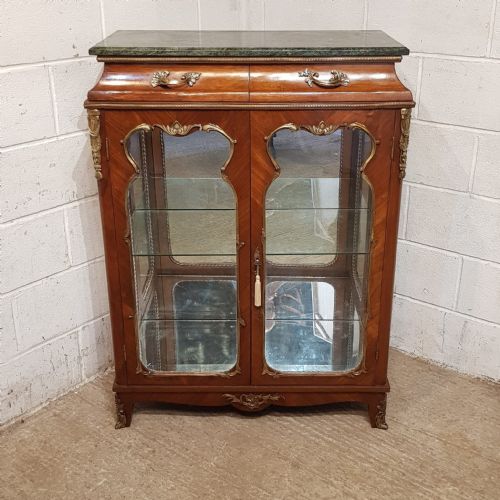
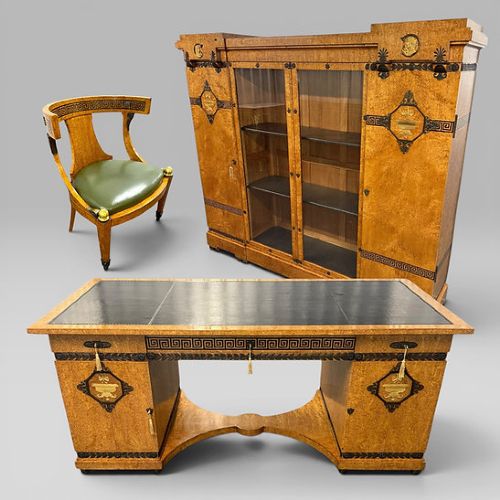
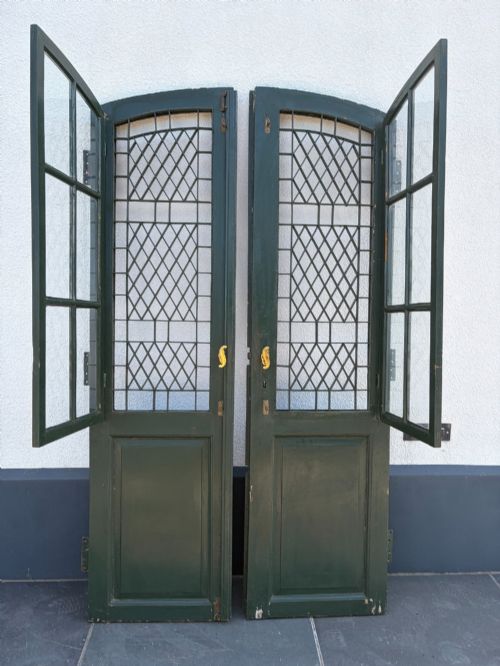
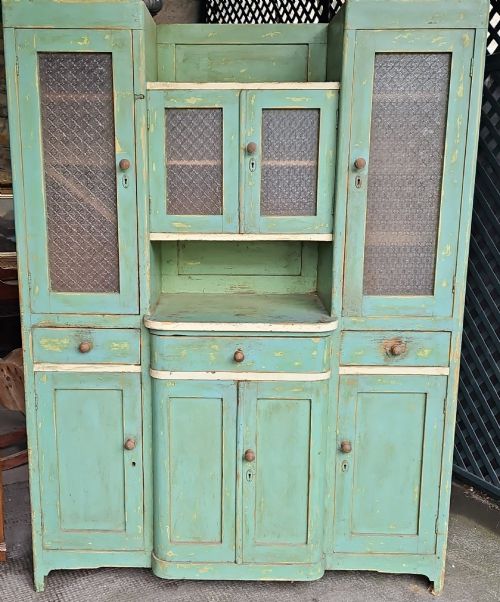
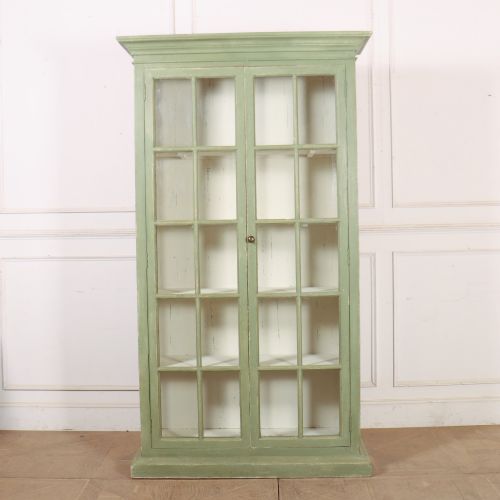




Green Glazed Cabinet
A green glazed cabinet brings colour and light into a room, housing books or collections behind glass doors.
Green Glazed Cabinet
A green glazed cabinet covers an array of storage forms, from tall bookcases to kitchen dressers and countertop display pieces. These items serve to exhibit china, books or provisions while adding a distinct painted finish to domestic interiors.
The versions appearing here span centuries of craftsmanship, crossing regional styles like English country and French provincial. Buyers encounter everything from rustic pine cupboards to refined mahogany and walnut display pieces.
Origins stretch across Britain, France, Holland and Denmark, showing how different European workshops approached storage furniture. Painted wood finishes dominate the selection, bringing character to domestic and commercial spaces alike.
Materials and construction methods
Carpenters built these pieces using solid timbers such as pine, oak, mahogany and walnut, often applying painted finishes over the wood. Glass panels fitted into wooden doors allowed visibility for contents while protecting them from dust.
Brass mounts, gilt metal details and iron hardware appeared on select cabinets, adding functional and decorative accents to the structure. Joinery techniques varied from straightforward peg construction in country workshops to detailed carving on formal library bookcases.
Current listings feature pieces spanning the 18th century through to the 1920s, incorporating oak, pine, mahogany and walnut.
Assessing quality and craftsmanship
Quality rests on the selection of timber and the proportion of the carcass, alongside the crispness of any applied carvings or mouldings. Finer pieces demonstrate careful attention to internal shelving and the smoothness of drawer and door operations.
The integrity of the painted finish and the clarity of the original glass panels also set individual examples apart. Pieces retaining untouched surfaces and period hardware carry stronger historical presence than heavily altered items.
Mercier Frères·Fry
The Green Glazed Cabinet Glossary
- Vitrine
- A glass-fronted cabinet designed specifically for displaying fine objects or curiosities. These pieces often feature glass on multiple sides to maximise illumination.
- Dresser
- A multi-tier kitchen or dining room unit combining lower cupboards with upper shelving or display space. They traditionally served for storing and showing earthenware.
- Secretaire
- A cabinet incorporating a pull-down writing flap that conceals small drawers and pigeonholes. This hybrid form merges desk space with enclosed shelving.
- Bijouterie table
- A glass-topped display table intended for jewellery and small collectables. They lift on legs to present items at a convenient viewing height.
- Gilt metal
- Metal treated with a gold-coloured finish or plating to resemble solid gold. Makers used this material for decorative mounts and decorative hinges.
Green Glazed Cabinet: Frequently Asked Questions
What rooms suit a green glazed cabinet?
These cabinets work well in kitchens, dining rooms and living spaces where visible storage adds character. Their glass doors keep dust off books or ceramics while maintaining an open feel in the room.
Tall bookcases and dressers anchor larger walls, whereas countertop versions fit nicely on side tables or counters. The painted finishes help tie the furniture into existing colour schemes.
How do I date these cabinets?
Dating relies on observing timber types, construction methods and stylistic clues like Edwardian or Victorian ornamentation. Door hinges, backboards and fixings often reveal the period of manufacture.
Craftsmanship transitions from hand-sawn timbers in earlier items to more standardised machine production in later 19th and 20th-century pieces. Comparing proportion and decorative motifs against known historical styles confirms the era.
Were these cabinets originally painted?
Many kitchen dressers, food cupboards and country pieces received painted finishes during their original production or subsequent working life. Regional traditions across Britain and Europe frequently utilised paint over pine and softwood.
Examining the layers of paint helps determine whether the finish is period-authentic or a later application. Patina on the painted surface indicates age and years of domestic use.
How should I care for the glass and wood?
Maintain the timber surfaces by dusting regularly with a dry cloth and avoiding harsh chemical polishes. Period glass requires gentle cleaning with standard glass cleaner applied to a cloth rather than sprayed directly.
Keep wooden cabinets away from direct heat sources and drastic humidity changes to prevent timber movement. Checking hinges and door alignment periodically ensures the doors swing smoothly without catching.