




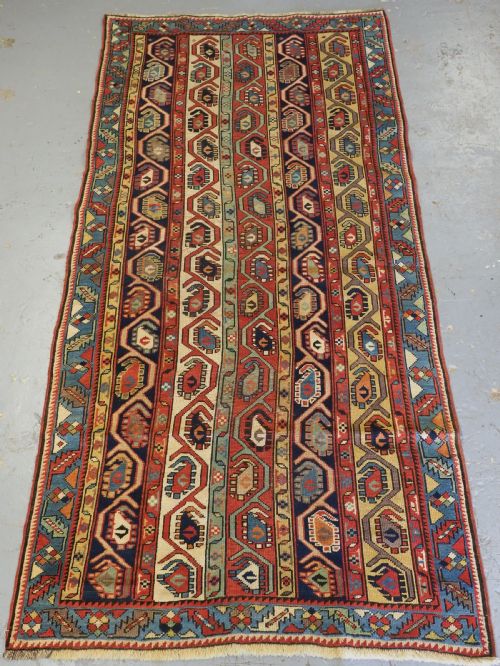
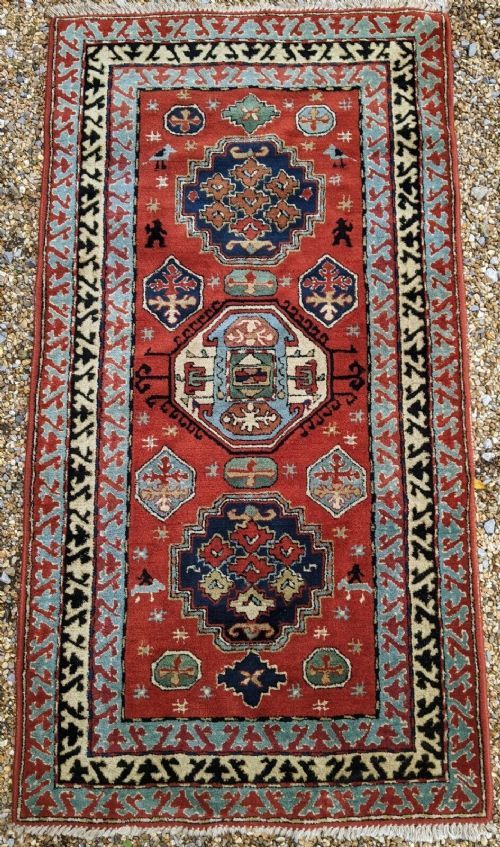

Traditional Kazak Runner
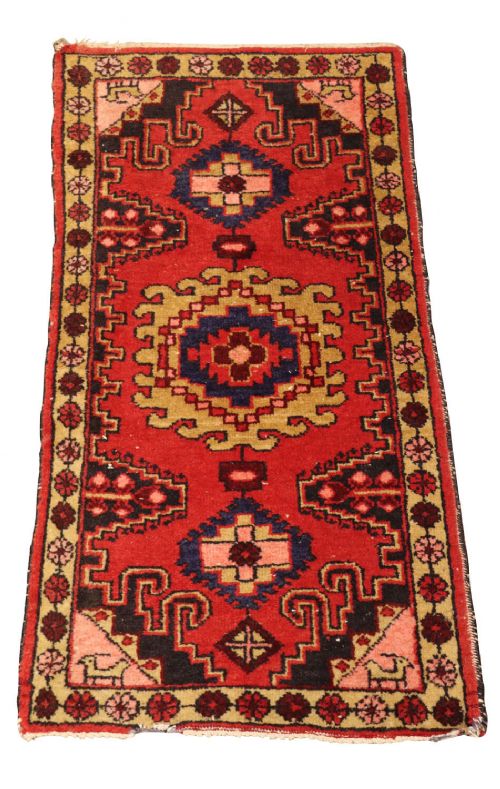
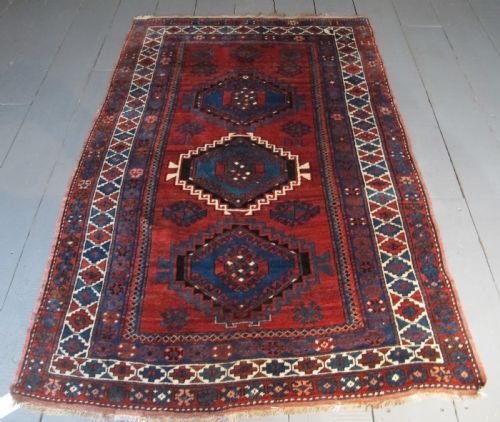
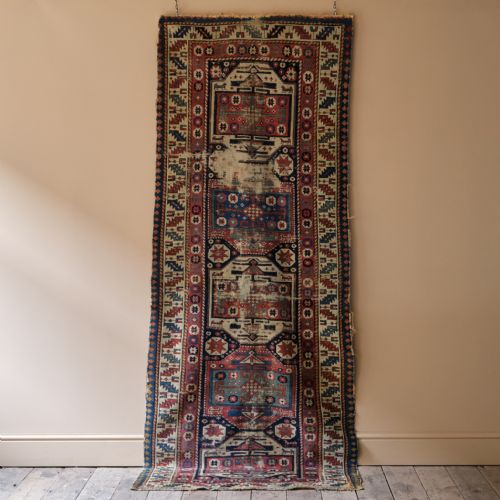
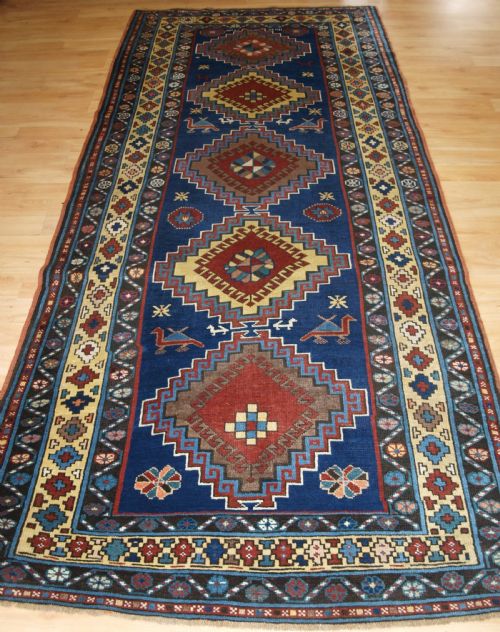
A traditional kazak runner is a tribal floor covering woven in the Caucasus, prized for bold geometric medallions and saturated hues.
Traditional Kazak Runner
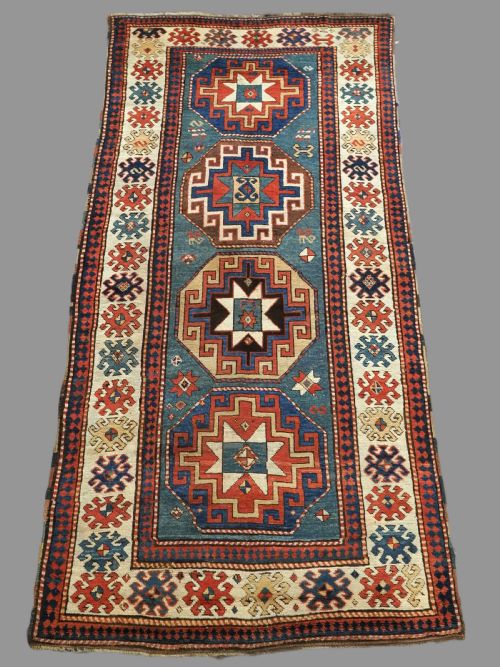
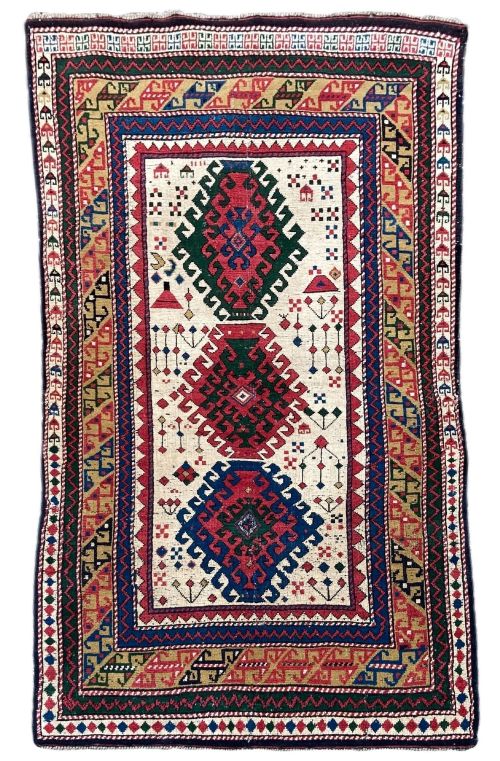
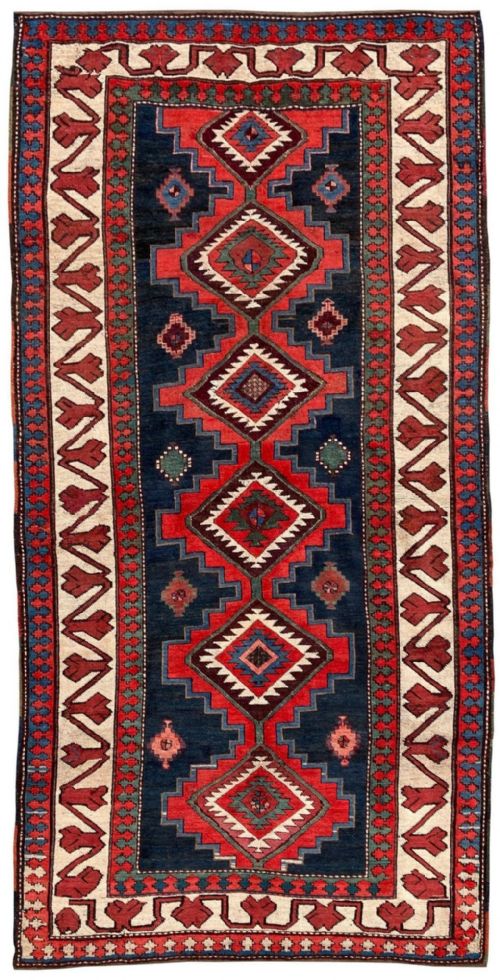
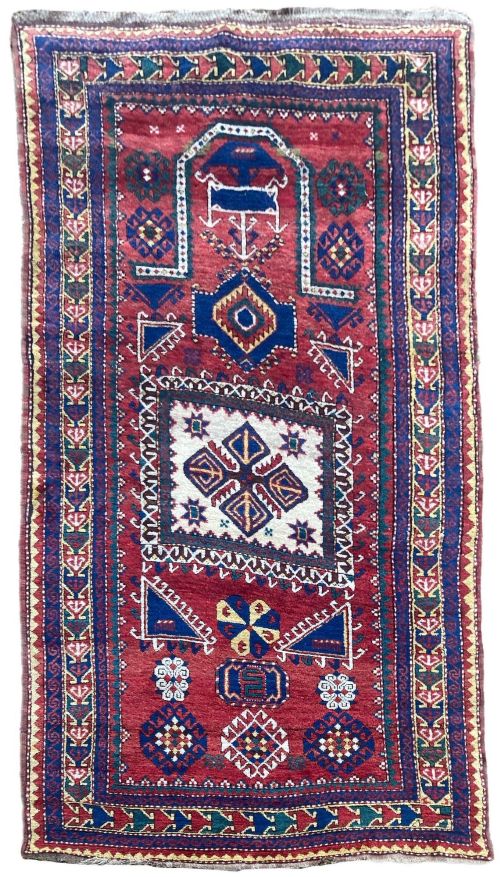
When you search for a traditional kazak runner, you encounter hand-knotted tribal floor coverings originating from the Caucasus region during the nineteenth and early twentieth centuries. These textiles include specific regional types such as Moghan, Gendje, Fachralo, and Terekeme, reflecting distinct village traditions.
The format on this page predominantly takes the shape of long runner rugs and elongated carpets designed for hallways and narrow spaces. Formats range from narrow geometric runners to larger long rugs featuring repeat medallions and animal motifs.
Makers in the Caucasus utilised traditional village weaving methods, producing pieces dated from the 1870s up through the 1930s. The visual vocabulary relies heavily on tribal geometry, hooked medallions, and structured fields rather than sweeping floral curves.
Materials and construction
The foundation and pile rely on wool, frequently hand-spun wool combined with cotton structural elements. Weavers secured the pile using hand-knotting techniques typical of Caucasian tribal workshops.
Colour comes from natural dyes applied to local wool fibres, yielding deep saturated tones that age with character. The physical structure incorporates sturdy selvedges and tightly packed warps and wefts.
Traditional Kazak Runner Retail Price Guide 2026
Typical asking prices for traditional kazak runner among the pieces listed under this phrase on Sellingantiques today, from the lower quarter to the upper quarter. They describe what is for sale here now, not the wider market.
Separating the grades
Quality rests in the precision of the tribal geometry and the clarity of the natural dyes used across the field. Crisp latch hooks and sharply defined medallions distinguish superior weaving from softer, less distinct compositions.
The handling of wool and the tightness of the knotting dictate durability and physical presence. Finer examples maintain an even, dense pile that preserves the integrity of animal motifs and repeat patterns over generations.
The Traditional Kazak Runner Glossary
- Kazak
- A term applied to rugs woven in the Caucasus region, known for bold geometric designs and saturated natural colours. These pieces often feature prominent medallions and tribal motifs.
- Medallion
- A central ornamental motif set within the field of the rug. In these textiles, medallions frequently appear with hooked edges or geometric outlines.
- Boteh
- A stylised teardrop or almond-shaped motif representing a almond or floral sprout. This pattern appears frequently in regional Gendje weaves.
- Memling Gul
- An octagonal or polygonal gul motif containing hooked appendages, named after the fifteenth-century painter who depicted similar carpets. It is characteristic of Moghan regional designs.
- Natural Dyes
- Colourants derived from plant and mineral sources rather than synthetic formulas. They produce the rich, varied tones seen in nineteenth-century village weaving.
Traditional Kazak Runner: Frequently Asked Questions
Where were traditional kazak runner rugs made?
These runners were produced by tribal and village weavers across the Caucasus region, encompassing areas associated with Moghan, Gendje, and Fachralo traditions.
Production spans the nineteenth and early twentieth centuries, capturing local weaving methods before industrial dyes became widespread.
What materials make up these rugs?
The construction typically involves wool pile tied onto wool or cotton foundations using traditional hand-knotting techniques.
Natural dyes provide the palette, resulting in the characteristic deep tones found across the surviving examples from this region.
How do I identify different regional types?
Identification depends on specific design elements like Memling guls, boteh patterns, or hooked medallions. Moghan and Gendje attribution rests on these distinct structural motifs.
Examining the border arrangements and the geometry of the central field clarifies the particular Caucasian origin.
How should I care for an antique runner?
Place the textile in a low-traffic hallway or use it as a wall hanging to minimise physical wear on the wool pile. Regular gentle vacuuming without a beater bar removes trapped grit.
Consult a specialist in antique textiles for professional cleaning rather than attempting wet washing at home.