




Traditional Harbour Artwork
Traditional harbour artwork captures maritime life across Britain and Europe through coastal scenes painted in oil and watercolour.
Traditional Harbour Artwork
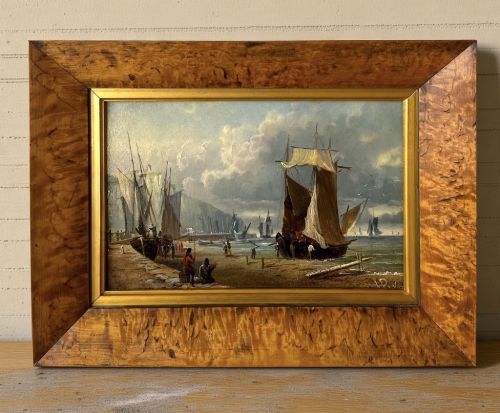
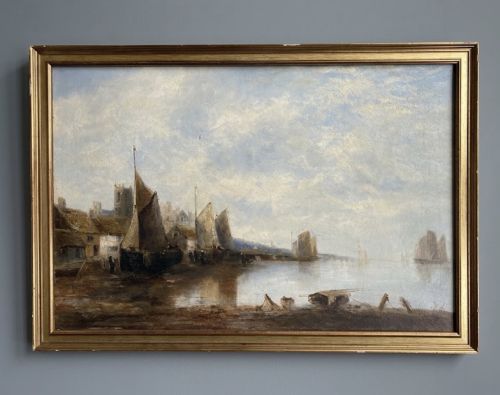
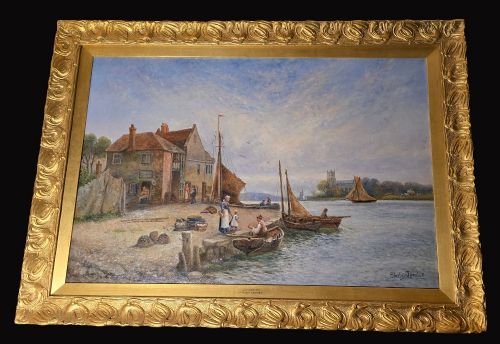
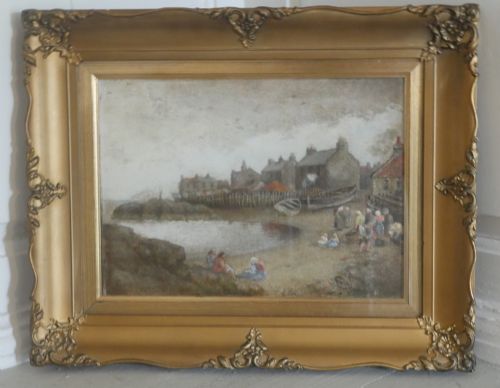
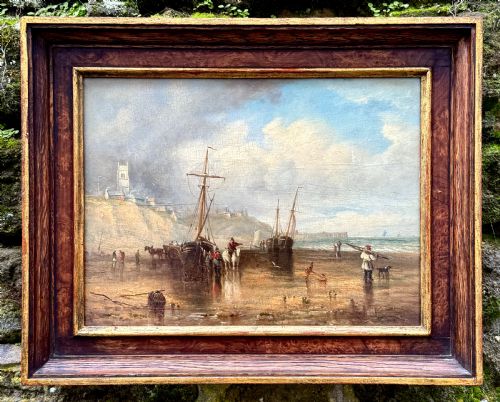
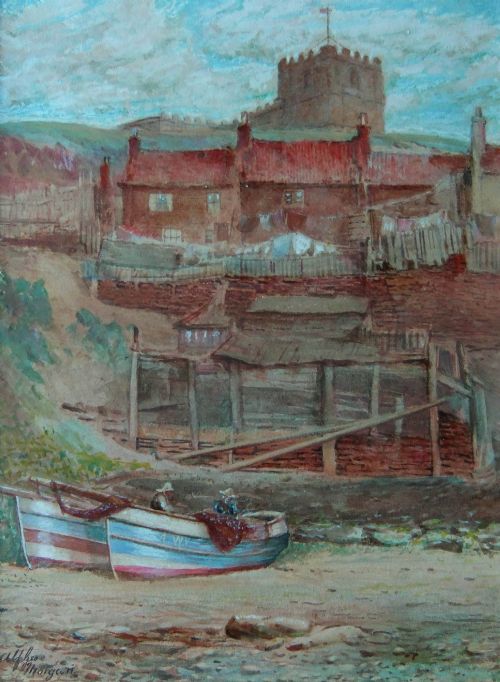
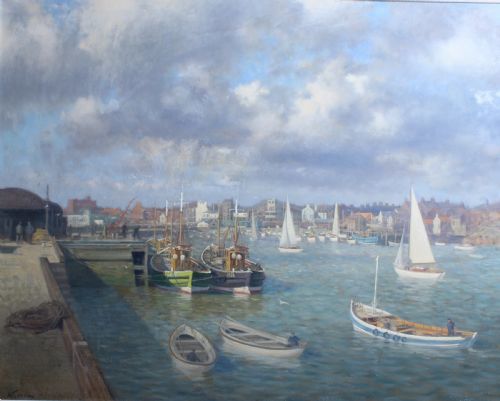
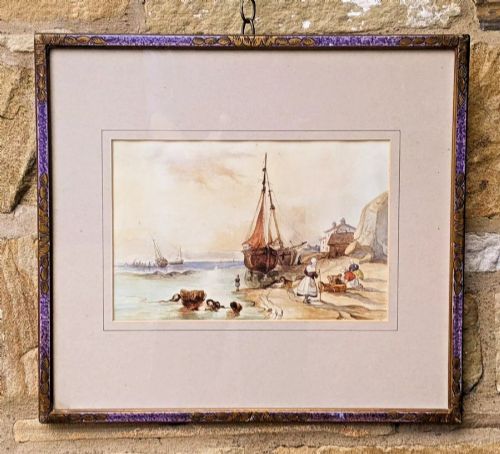
Traditional harbour artwork focuses on coastal views, fishing ports, and shipping activity recorded by artists from the nineteenth century through the mid-twentieth century. These works depict specific locations such as St Ives, Whitby, and foreign ports including Malta and Rotterdam.
The subjects range from bustling quaysides with fishing boats and figures to calm estuaries and choppy seas under moonlight. Most examples employ styles associated with Victorian marine painting, Edwardian watercolours, and British impressionism.
Collectors encounter both small panel paintings and larger framed works showing coastal towns, marine landscapes, and harbour architecture. These pieces document working ports and maritime communities as they appeared across successive decades.
Materials and methods
Painters used oil paint on canvas, panel, and board, or applied watercolour to paper. These mediums captured the shifting light of coastal environments, maritime atmospheres, and water reflections.
Supports often include wood, paper, and canvas, framed in wood and occasionally gilt mouldings. Some watercolours feature specialised surrounds such as hand enamelled polychrome frames.
Traditional Harbour Artwork Retail Price Guide 2026
Typical asking prices for traditional harbour artwork among the pieces listed under this phrase on Sellingantiques today, from the lower quarter to the upper quarter. They describe what is for sale here now, not the wider market.
Listings feature works created across nine distinct decades, spanning from the early nineteenth century through the mid-twentieth century.
Variations in quality
Quality rests upon the handling of light, atmosphere, and maritime detail by the painter. Stronger compositions demonstrate accurate perspectives of shipping, rigging, and coastal architecture.
The skill of the artist in conveying movement in water and weather conditions distinguishes finer works from routine topographical views.
James Hardy·Edward Mills·William Banks Fortescue·Thomas Creswick·Alfred G Morgan·Walter Goodin·William Edward Webb·James Kyd·Arthur Tucker·Stanley Leader·John Bell·James Webb·Ernest F Hill·John Callow·Albert Robert Quinton·Ralph Todd·Edward Henry Holder·Walter Sweet·Jane Vivian·Walter Henry Sweet·Hubert Thornley·Charles France·John James Wilson·Owen Bowen·Micheal Matthews
The Traditional Harbour Artwork Glossary
- Seascape
- A painting depicting the sea, coastal views, or ships. These works form the core of traditional maritime art.
- Watercolour
- A paint consisting of pigment suspended in a water-soluble vehicle, frequently used on paper for lighter coastal sketches.
- Oil on Canvas
- Pigment bound in an oil medium applied to a stretched fabric support. This combination allows for rich colour depth and textured brushwork.
- Panel
- A flat piece of wood or board used as a painting support instead of canvas. Artists often utilised panels for smaller outdoor studies.
Traditional Harbour Artwork: Frequently Asked Questions
What periods do these paintings date from?
These works span the nineteenth century through the mid-twentieth century, with a large concentration originating in the Victorian and Edwardian eras.
Dates recorded in the listings range from the early eighteen hundreds to the nineteen sixties, reflecting changing artistic movements across those decades.
Which locations appear most often?
British coastal towns dominate the subjects, particularly Cornish fishing ports like St Ives, Mousehole, and Newlyn, alongside Yorkshire locations such as Whitby and Staithes.
Views of European ports, including Rotterdam, Venice, and Cannes, also feature among the maritime scenes.
How should I display a framed watercolour?
Watercolours require protection from direct sunlight to prevent fading of the pigments on paper. Glass-fronted frames should maintain a small gap between the surface and the glazing.
Placement away from damp environments ensures the paper and historic mounts remain preserved.
Are these works signed by the artists?
Many examples carry signatures or initials from the painters who created them, while others remain attributed based on style and subject matter.
Signatures often appear in the lower corners of canvases, panels, or watercolour sheets.