



Traditional Gul Carpet
When you choose a traditional gul carpet, you bring home a piece of Central Asian tribal weaving defined by repeated geometric medallions and rich red palettes.
Traditional Gul Carpet
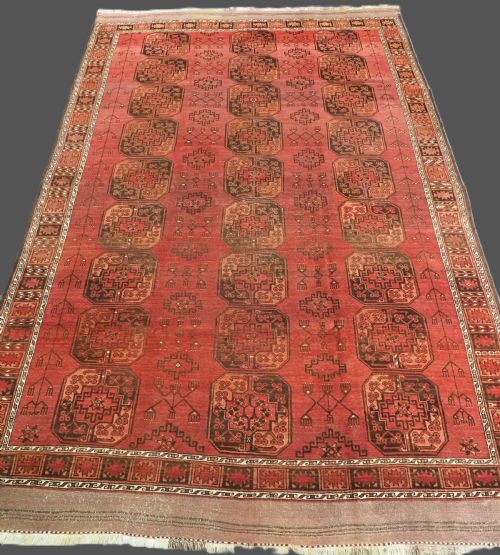
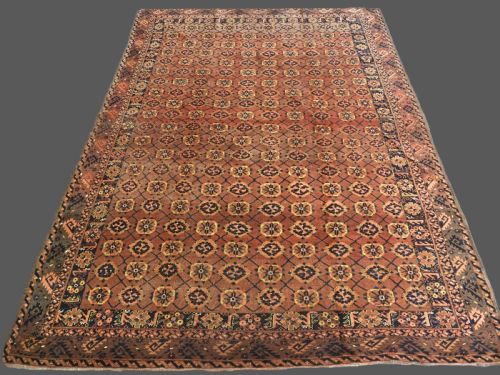
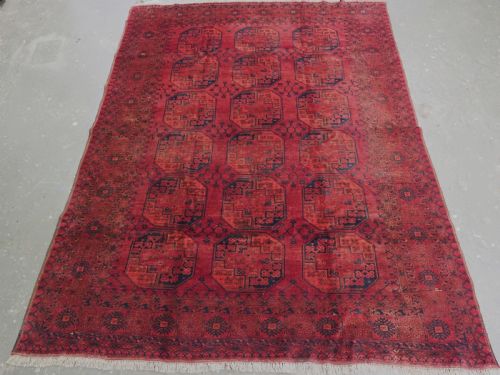
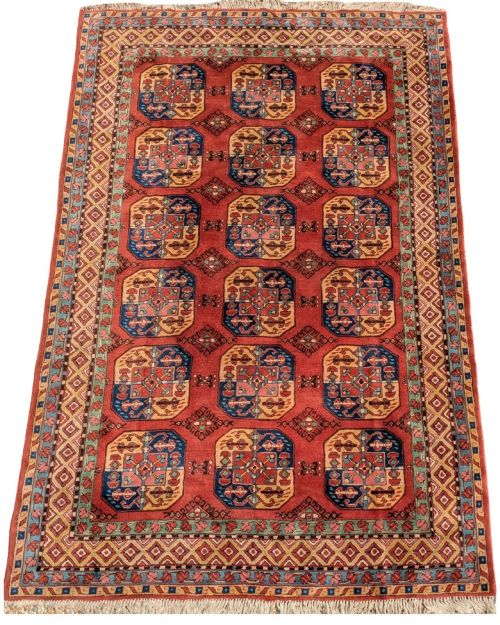
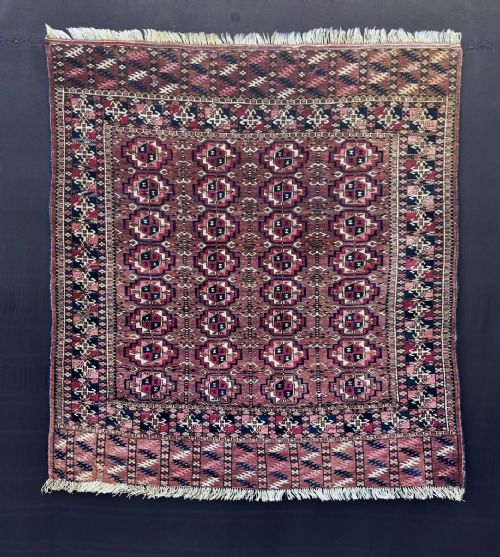
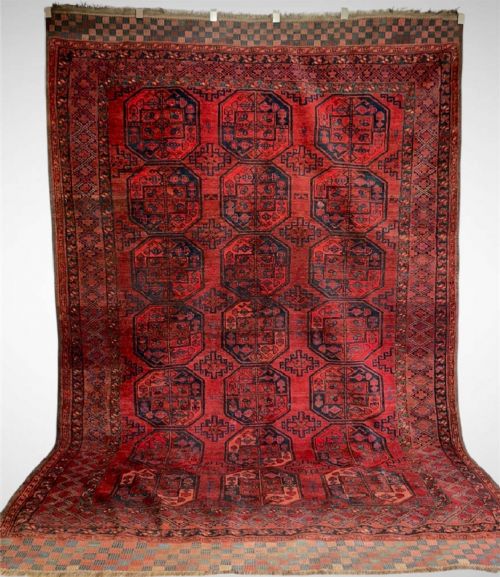
A traditional gul carpet brings together centuries of nomadic artistry originating from Central Asian and Turkmen tribal weavers. These floor coverings are defined by their structural layout of guls, which are octagonal or repeating medallion motifs passed down through specific tribes.
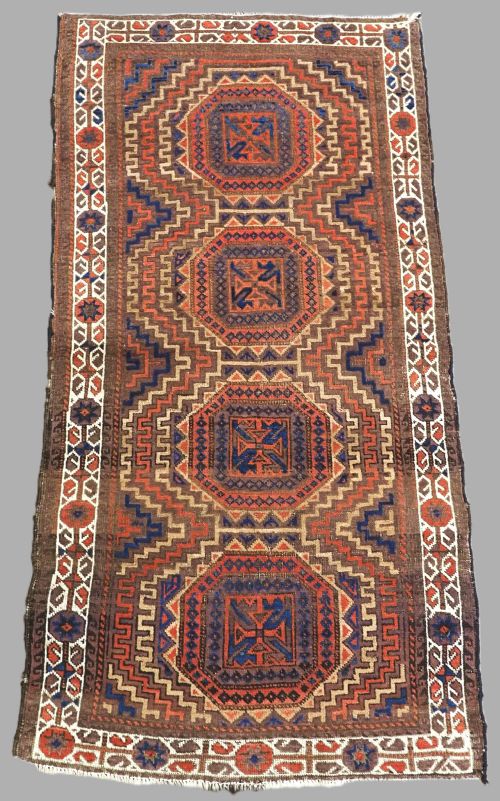
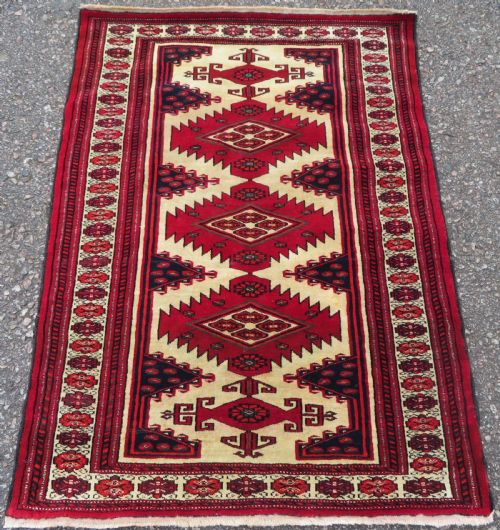
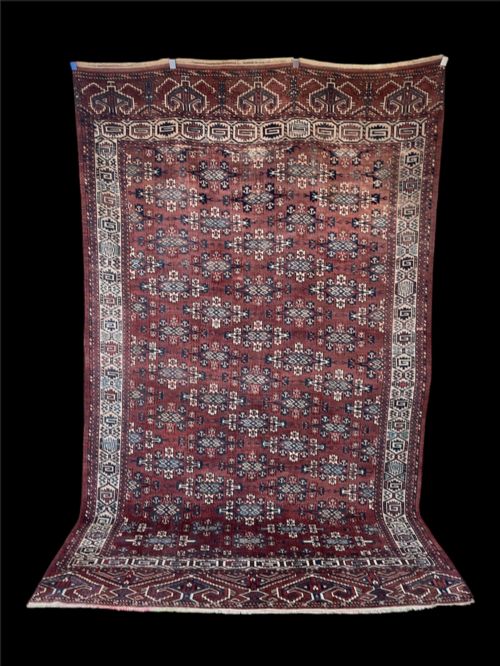
On this page, buyers most frequently encounter room-size main carpets and smaller village rugs originating from Turkmen, Afghan, and Baluch traditions. These items span production periods from the mid-nineteenth century through the early twentieth century.
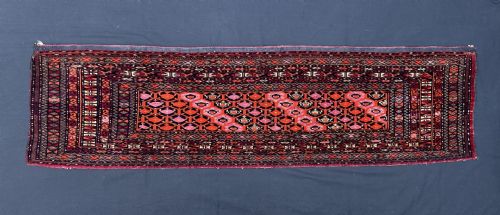
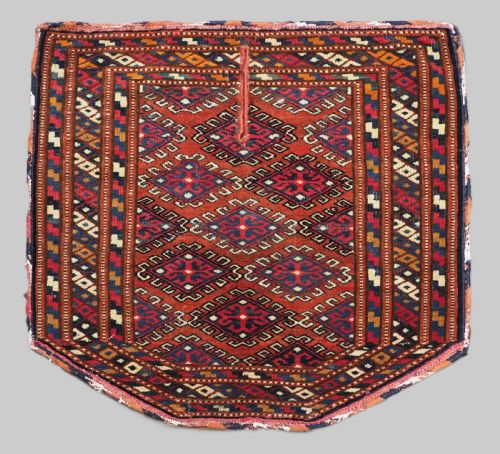
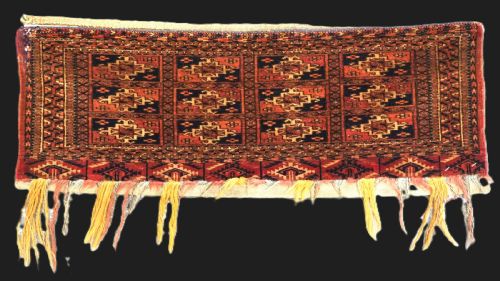
The category encompasses diverse utilitarian formats including dowry rugs, saddle covers, torbas, and long runners. Each form reflects the specific domestic and ceremonial requirements of nomadic and village communities across Turkmenistan and Northern Afghanistan.
How they were made
Weavers constructed traditional gul carpets primarily using hand-spun wool for the pile, foundations, and fringes, occasionally incorporating silk highlights for decorative contrast. Structural integrity relied on sturdy wool warps and wefts, while select tribal examples utilised goat hair or horsehair within the foundation for enhanced durability.
Colouring was achieved through natural dyes derived from local plants and minerals, producing characteristic warm red, gold, and earthy tones that age gracefully. Knotting techniques and weave densities varied by tribe, resulting in structures ranging from coarse village utility pieces to remarkably fine tent bag faces.
Several antique rugs retain their original flat-weave camel hair backs, surviving decades of nomadic tent life intact.
What varies in quality
Quality in a traditional gul carpet rests on the precision of the knotting, the handling of the wool, and the depth of the natural dye palette. Finer examples display high knot counts and crisp definition within the geometric gul motifs, whereas coarser pieces lean towards heavy-duty utility.
The integrity of the original selvedges and ends heavily influences the standing of a piece, alongside the preservation of the pile and structural hair foundations. Subtle variations in secondary colours and the inclusion of silk highlights elevate specific dowry and wedding rugs above standard utilitarian formats.
The Traditional Gul Carpet Glossary
- Gul
- The primary octagonal or floral medallion motif repeated across Central Asian and Turkmen carpets. Each tribal group traditionally wove its own distinct variation of this shape.
- Main Carpet
- A large-format tribal floor covering designed for domestic use within a tent or dwelling, typically featuring an expansive field of repeated major guls. These represent the principal weaving output of regional tribes.
- Natural Dyes
- Organic colouring agents extracted from plants, insects, and minerals before the advent of synthetic aniline dyes. They produce rich, saturated hues that develop a soft patina over time.
- Selvedge
- The reinforced outer edge of a carpet running parallel to the warp threads, finished to prevent fraying and unravelling. Original surviving selvedges indicate a well-preserved textile.
Traditional Gul Carpet: Frequently Asked Questions
What is a gul?
A gul is a repeated octagonal medallion motif that forms the central design structure of carpets woven by Central Asian tribes. These geometric emblems often indicated the specific tribal identity and heritage of the maker.
Over generations, different groups developed their own characteristic gul shapes, ranging from classic Turkmen octagons to ovoid and turreted variants.
How do I care for an antique rug?
Protect your antique carpet by placing it in a low-traffic area away from direct sunlight, which can fade natural dyes over time. Regular gentle vacuuming without a rotating power brush helps remove embedded dust from the wool pile.
Professional specialist cleaning should be employed periodically to maintain the integrity of the natural fibres and foundation.
How are different tribes identified?
Tribal origin is typically identified by examining the specific structure of the guls, the border designs, and the secondary colour palette. Distinct knotting styles and the choice of foundation materials also provide reliable clues to the makers.
For instance, specific forms of Ersari or Yomut guls display unique geometric proportions that set them apart within the region.