
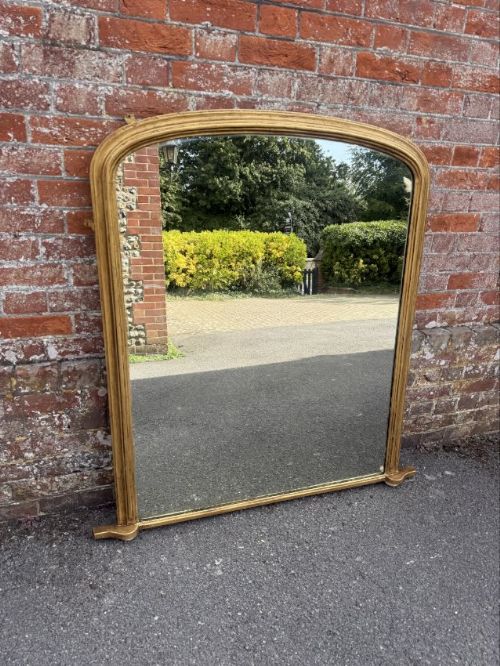
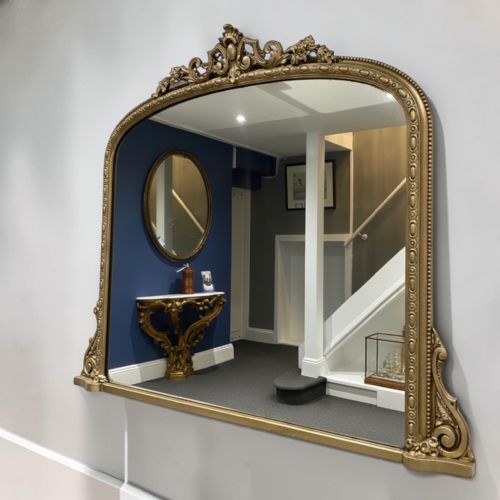
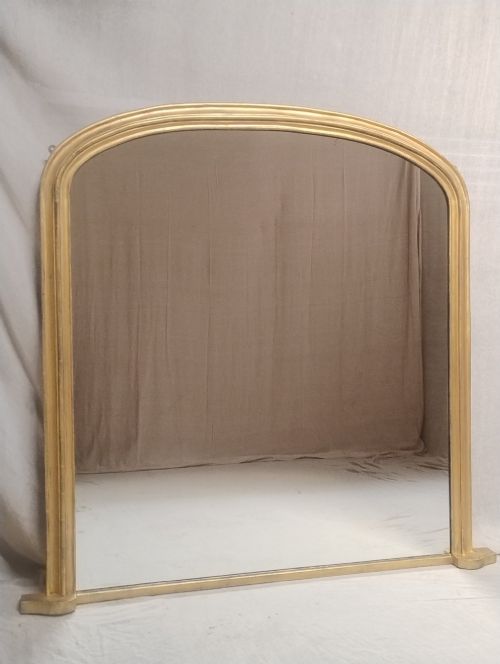

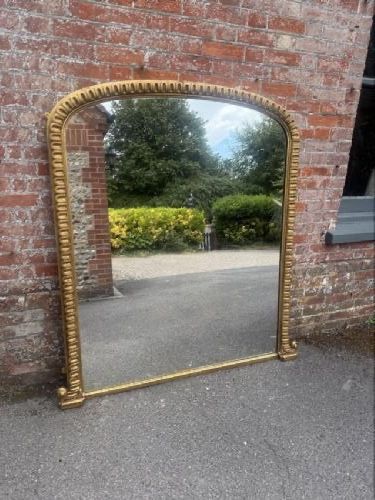
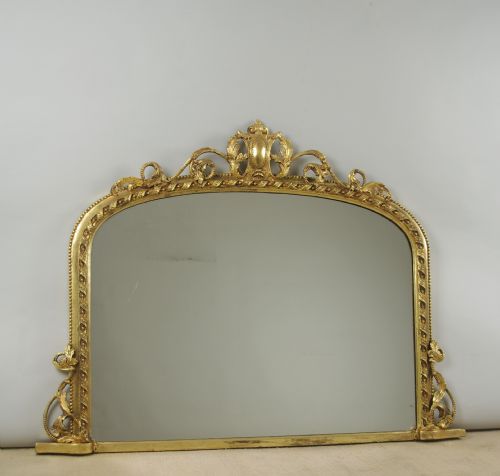
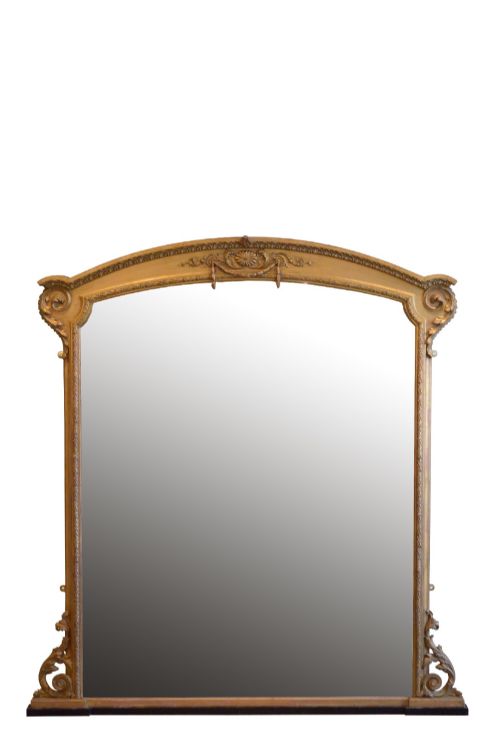

Traditional Gold Arched Mirror
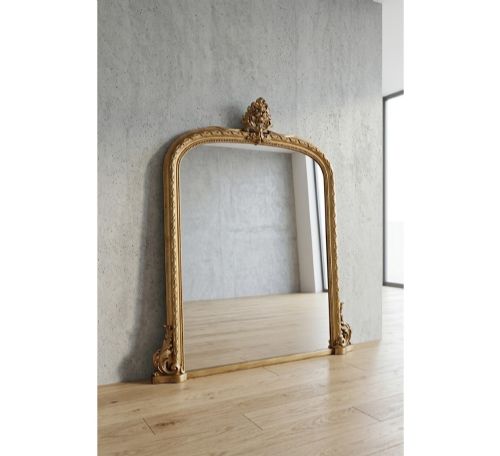
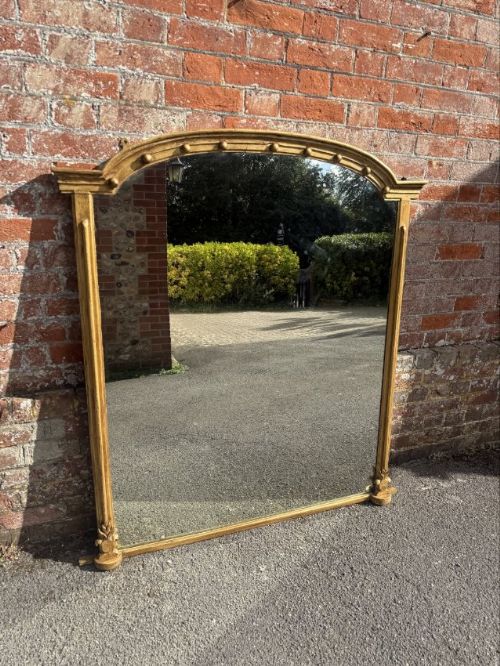
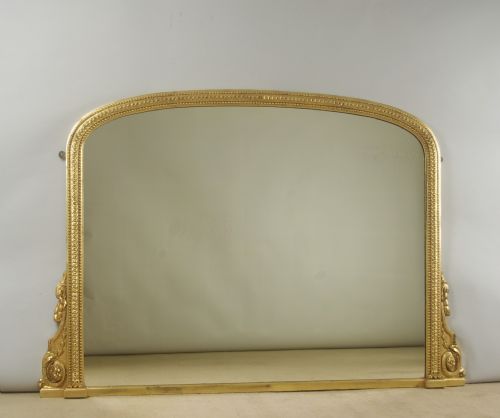
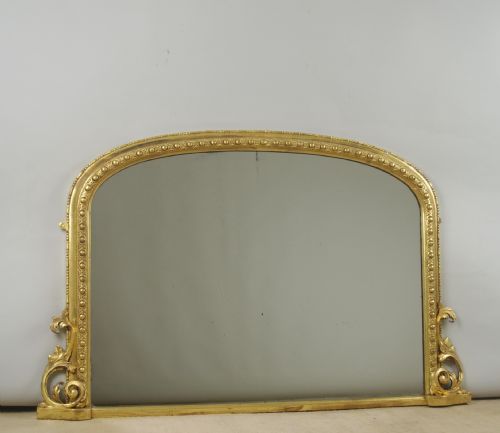
These traditional gold arched mirrors bring nineteenth-century scale and light into a room, dominated by large Victorian overmantels.
Traditional Gold Arched Mirror
A buyer searching for a traditional gold arched mirror encounters substantial nineteenth-century pieces designed to hang above a fireplace or upon a main wall. The selection spans the Victorian period alongside Regency and Louis Philippe influences, offering arched and shaped top silhouettes.
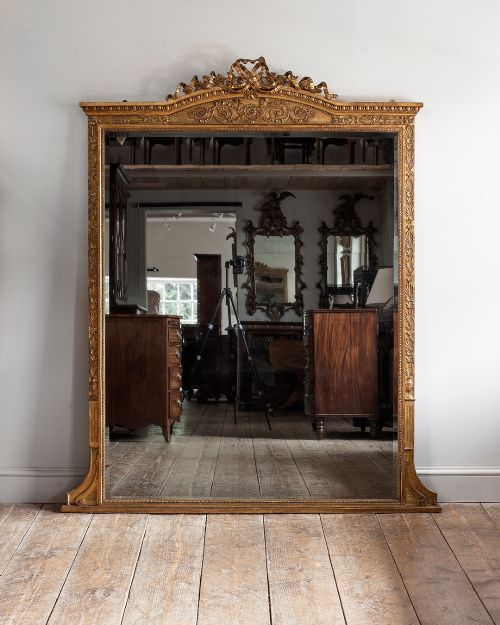
Most examples found here function as overmantel mirrors, constructed in large formats intended to reflect light across a principal reception room. Wall mirrors also appear, alongside specific decorative variations influenced by French Rococo and French Chateau styles.
Originating largely from English workshops of the 1850s to 1880s, these forms utilise classic proportions designed to anchor a chimney breast. The heavy arched frames create an architectural presence that defines the period aesthetic.
How they were made
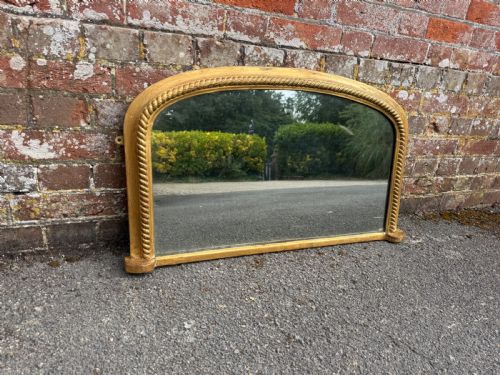
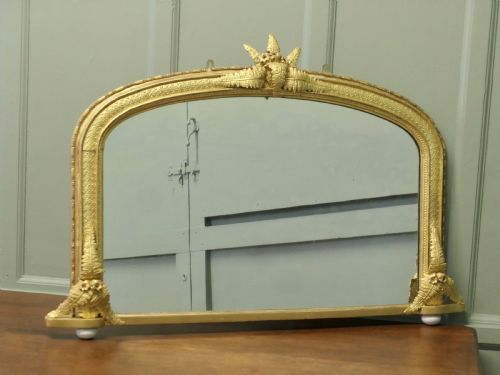
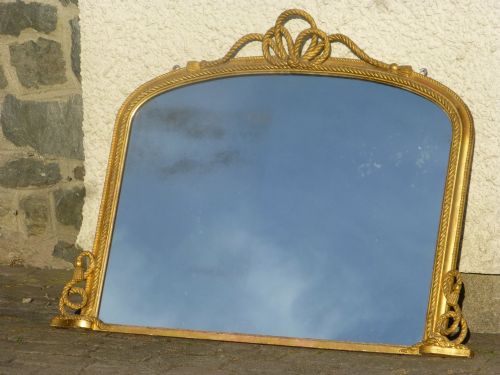
Framing is built from carved wood and composition plaster, often finished with applied gesso to receive the gold leaf or gilding. This combination allowed makers to build up elaborate rope twist motifs, ribs, and ornamental crests.
Mirror glass is set within these heavy gilded frames, sometimes retaining original plates that show the slight foxing and depth associated with nineteenth-century silvering. The structural wood provides a rigid backing to support the considerable weight of the glass.
Several Victorian frames incorporate nautical rope twist carvings, letting nineteenth-century makers bring a touch of the sea to the fireplace.
What varies in quality
The definition and depth of the carved wood and gesso ornamentation separate standard framing from exceptional work. Crispness in the rope twist details and the handling of the arched crest demonstrate the maker's skill.
The survival of original gilt surfaces and original mirror glass adds depth to a piece. Greater refinement in the proportions and the balance of the architectural frame distinguish the upper tier of nineteenth-century examples.
The Traditional Gold Arched Mirror Glossary
- Overmantel mirror
- A large mirror specifically designed to be positioned on the wall directly above a fireplace mantelpiece. They often feature an arched top to follow the curve of an architectural alcove or chimney breast.
- Gesso
- A plaster-like mixture applied to wood frames to create a smooth surface for gilding. Artisans carved intricate details directly into this layer before applying gold leaf.
- Giltwood
- Timber that has been coated with gold leaf or gold paint. It forms the primary decorative finish for these traditional nineteenth-century frames.
- Rope twist
- A carved decorative moulding resembling the spiral strands of a rope. This pattern appears frequently on the inner or outer frames of Victorian mirrors.
- Louis Philippe
- A nineteenth-century French architectural and furniture style known for slightly rounded upper corners and restrained classical elegance. Pieces in this style often feature gentle arches without heavy ornamentation.
Traditional Gold Arched Mirror: Frequently Asked Questions
Where should I hang an overmantel mirror?
These large pieces traditionally hang centrally above a fireplace mantelpiece, where the arched frame draws the eye upward and reflects light from opposite windows.
Alternatively, positioning one on a plain drawing room wall creates an architectural focal point that mimics the presence of a window.
How do I date these mirrors?
Dating relies on the combination of framing materials, such as carved wood and gesso, alongside stylistic cues from the Victorian and Regency periods.
Specific decade markers like the 1860s and 1870s appear through the weight of the timber construction and the character of the original gilt finish.
Are the mirror plates original?
Many nineteenth-century pieces retain their original mirror glass, which often exhibits subtle ageing and clouding across the surface.
Replacement glass occasionally appears in listings where the original plate could not be preserved over time.
How do I clean a gilded frame?
Gilded wood and gesso surfaces require delicate maintenance using a dry, soft brush to remove dust from the intricate carved details.
Moisture and modern chemical cleaners must be avoided to protect the fragile gold leaf and composition ornament.