
Traditional Glass Lantern
Traditional glass lanterns are enduring hanging and wall lights designed to illuminate entryways, hallways, and exterior facades with period character.
Traditional Glass Lantern
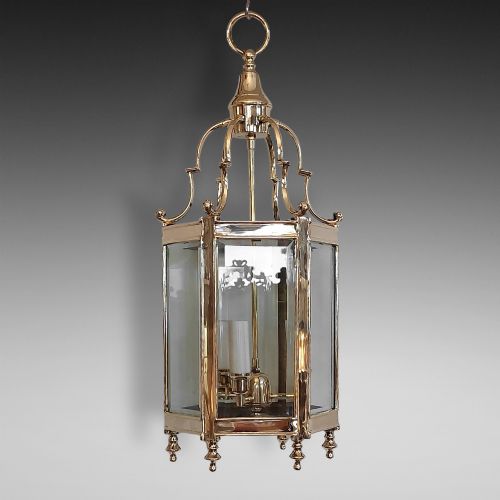
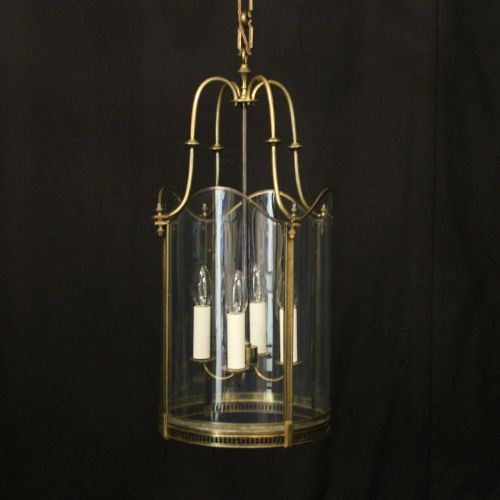
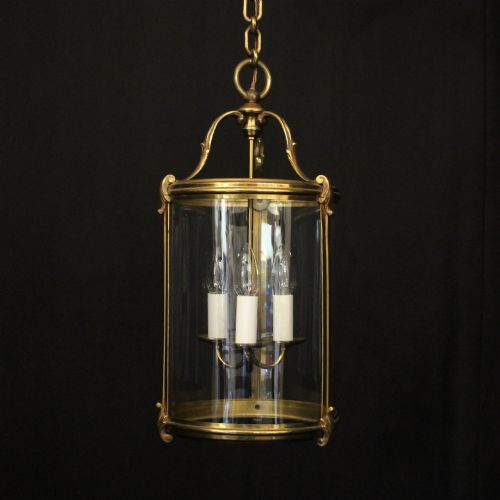
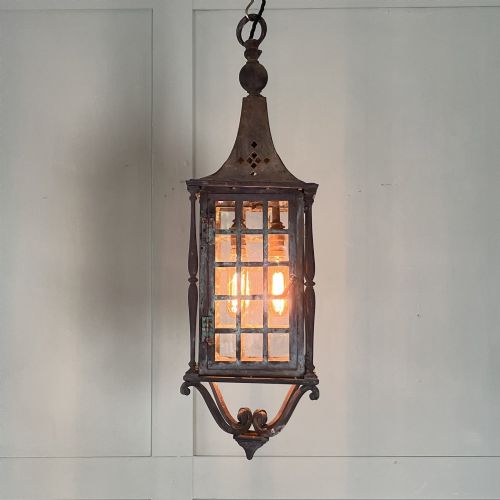
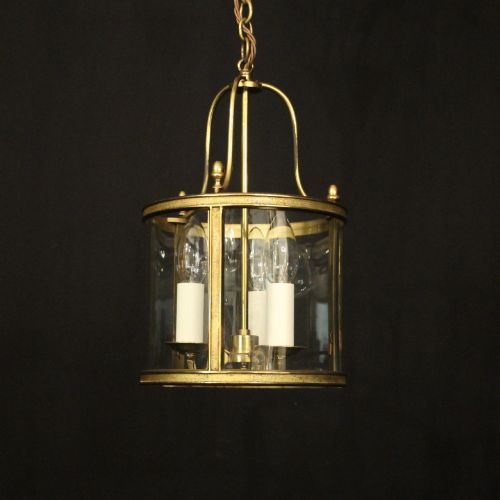
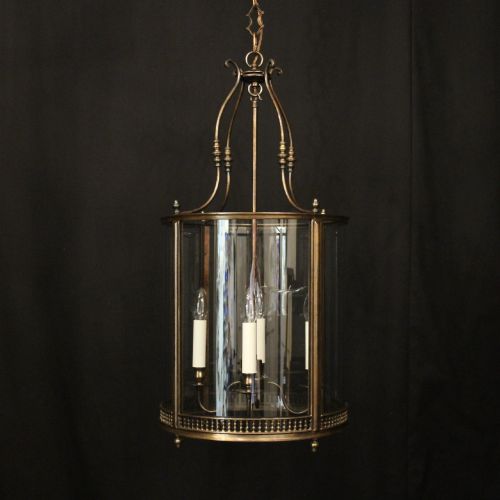
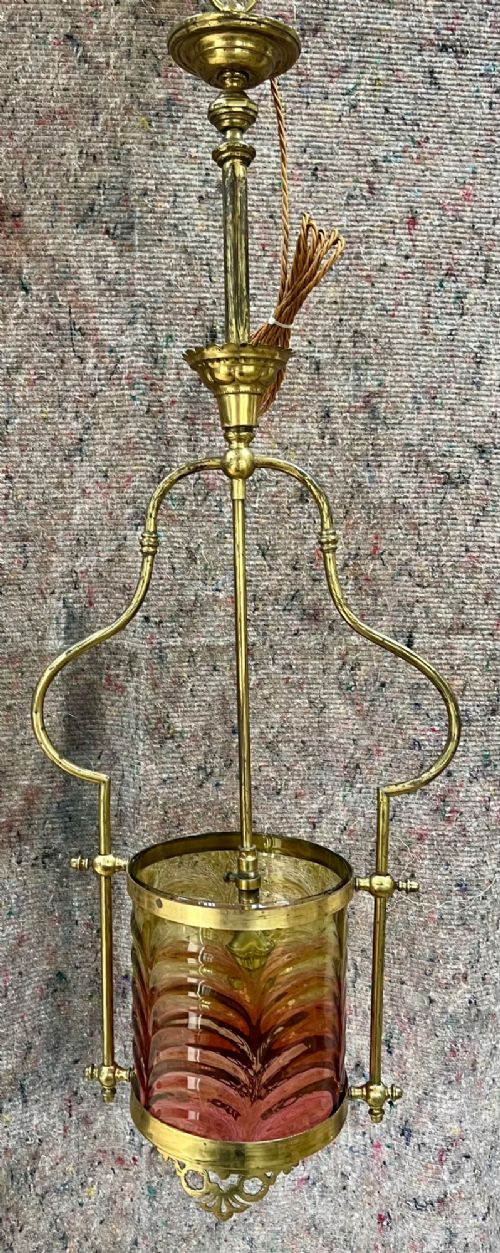
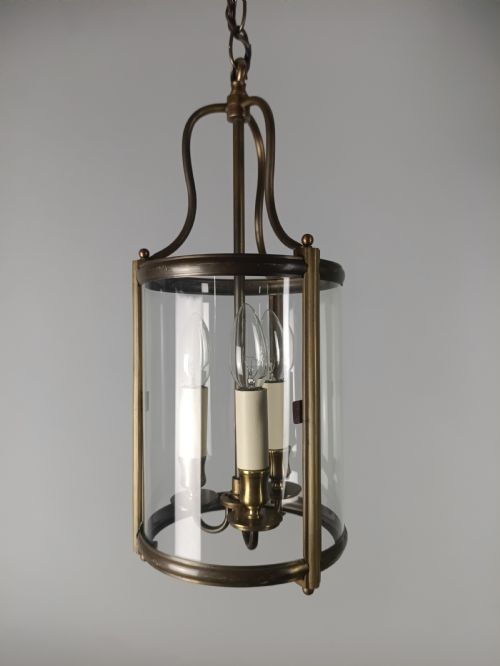
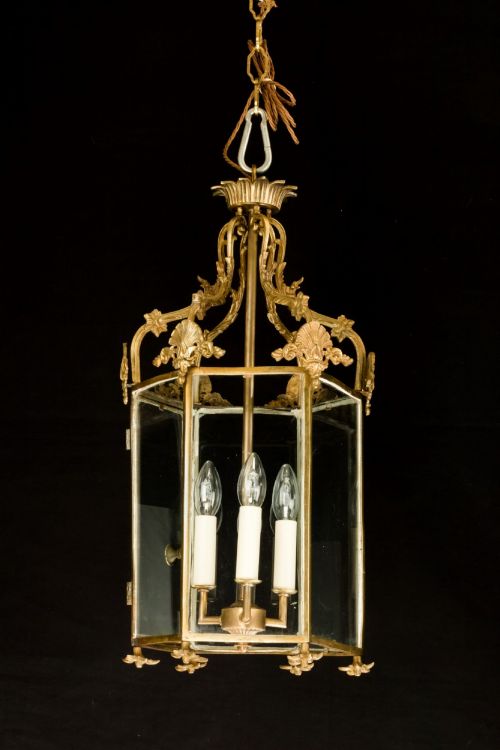
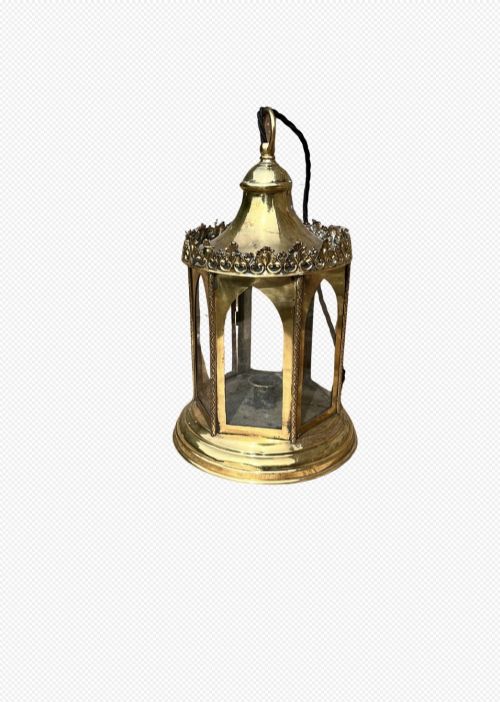
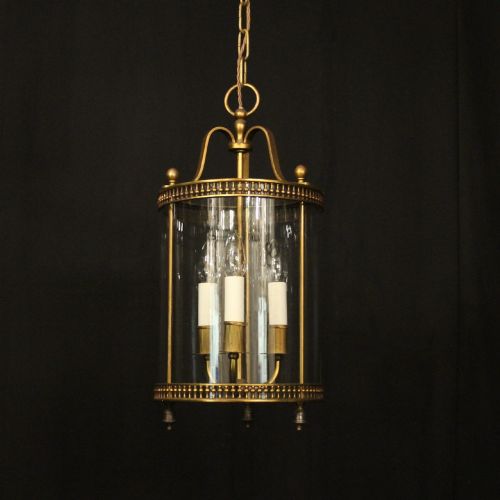
A traditional glass lantern is a sturdy housing of metal and glass designed to hold a light source and direct illumination safely within a hallway, porch, or exterior space. These fixtures appear in forms ranging from simple hexagonal pendants to multi-light hall fixtures and substantial wall brackets.
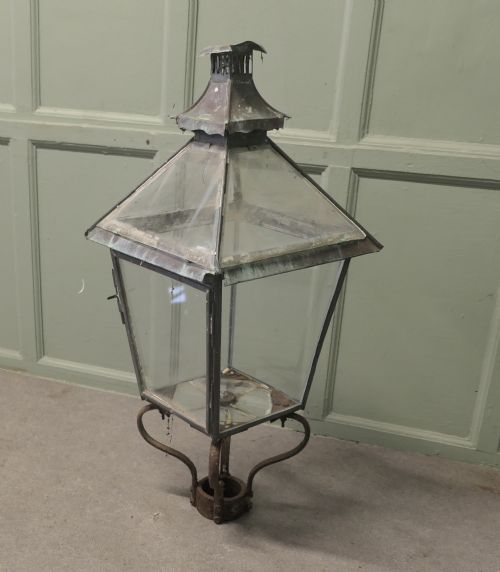
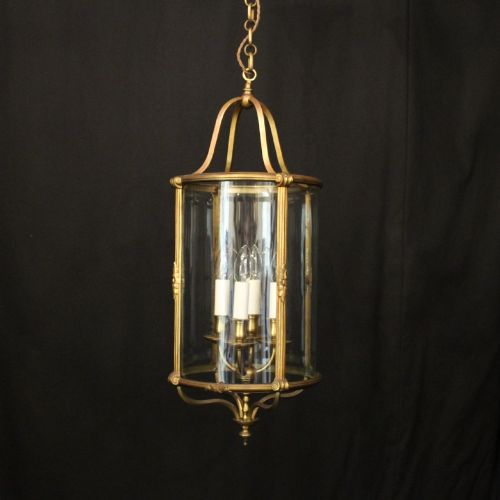
The pieces available span from the Victorian and Edwardian eras into the early twentieth century, incorporating styles such as Arts and Crafts, Gothic Revival, and French Neoclassical. Buyers seeking a classic architectural statement will frequently encounter brass and copper hanging lanterns from the late nineteenth and early twentieth centuries.
Makers utilised various geometric shapes, including hexagonal, octagonal, and round frames, to suit different architectural proportions. These lanterns served both utilitarian lighting needs in streets and grander decorative functions in domestic hallways.
How they were made
Makers constructed these lanterns using durable metals such as brass, copper, bronze, and wrought iron to form the structural framework. These metal components were often cast, beaten, or soldered together to create rigid enclosures capable of supporting heavy glass panels.
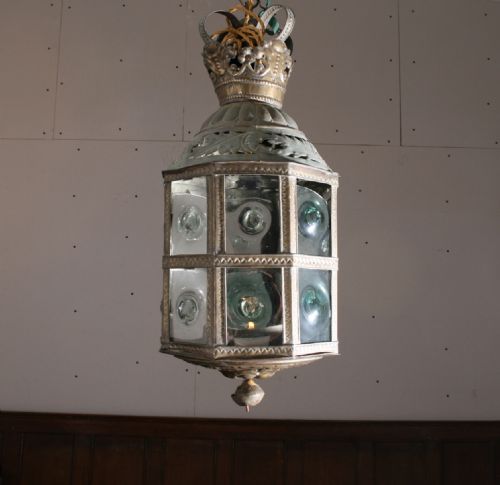
Glazing techniques involved fitting flat, bevelled, or hand-blown bullseye glass panes into the metal channels. Gilded finishes, whether on bronze or brass, were frequently applied to enhance the reflective quality and visual warmth of the metalwork.
Traditional Glass Lantern Retail Price Guide 2026
Typical asking prices for traditional glass lantern among the pieces listed under this phrase on Sellingantiques today, from the lower quarter to the upper quarter. They describe what is for sale here now, not the wider market.
Early street lanterns often incorporated hand-blown bullseye glass to bend harsh gaslight into a softer glow for late-night callers.
What varies in quality
Quality in these lanterns is evident in the substantial weight of the metal frame and the precision of the joinery. Heavier brass, bronze, and copper constructions maintain structural rigidity better over decades of hanging.
The glass selection also dictates overall quality, with bevelled panes or hand-blown bullseye elements showing greater depth and craftsmanship than standard flat glass. Finer examples exhibit intricate cast detailing on the metal mounts and cleaner soldered joints.
The Traditional Glass Lantern Glossary
- Bevelled glass
- Glass panes with angled edges cut and polished to a specific slope. This technique refracts light effectively and adds decorative depth to the lantern frame.
- Bullseye glass
- Circular glass panels featuring a central protrusion formed during the hand-blowing process. It provides texture and diffuses light unevenly.
- Hall lantern
- A ceiling-hung lighting fixture specifically scaled for corridors, vestibules, and entranceways. These typically feature enclosed glass sides to protect the flame or bulb from drafts.
- Gilded bronze
- Bronze metal treated with a thin layer of gold leaf or gilt finish. This treatment prevents tarnish and gives a rich, uniform metallic lustre.
Traditional Glass Lantern: Frequently Asked Questions
Where should I hang a hall lantern?
These lanterns suit high-ceilinged entrance halls, stairwells, and landings where their vertical proportions can be fully appreciated.
Ensure adequate clearance beneath the fixture so that doors open freely and movement remains unobstructed.
How do I identify the period of a lantern?
Examine the construction methods, metal types, and stylistic cues such as Arts and Crafts simplicity or French Neoclassical ornamentation.
Periods often reflect specific manufacturing techniques, from Victorian copper work to Edwardian brass casting.
Can these lanterns be used outdoors?
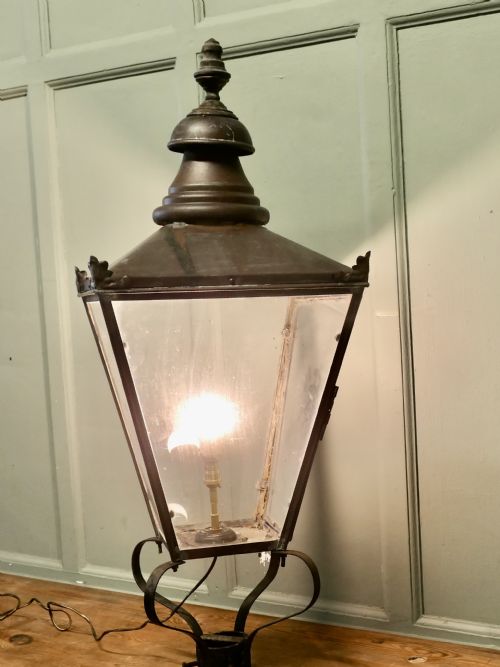
Certain designs, such as copper street lights and gate post lanterns, were originally built for exterior environments.
Check the specific mounting and sealing of each piece before exposing it to weather.
How are antique lanterns wired for modern electricity?
Many surviving fixtures have been adapted with internal lamp holders while preserving their historic exterior metal and glass frames.
Consult a qualified electrician to ensure the internal wiring meets current safety standards.