



Traditional French Mantel Mirror
A traditional french mantel mirror brings light and scale to a room, sitting low on a chimney breast with arched or shaped tops.
Traditional French Mantel Mirror
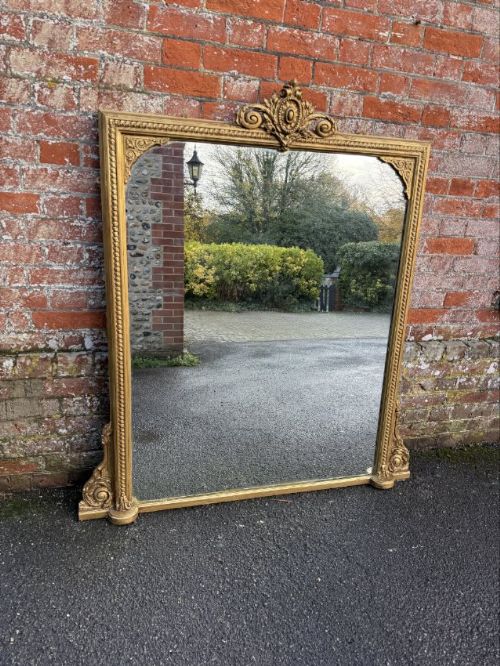
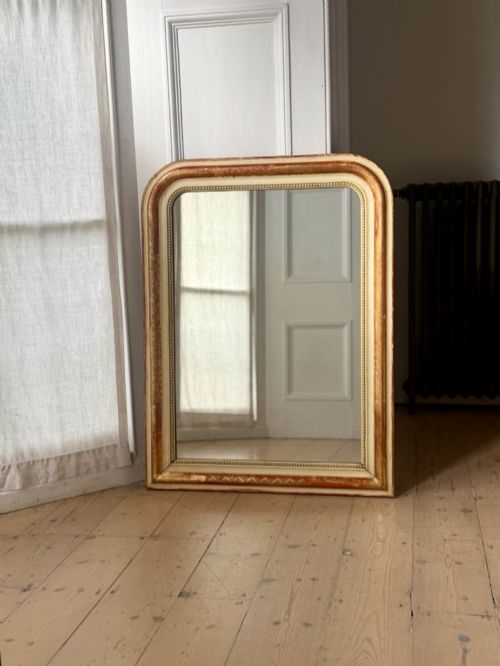
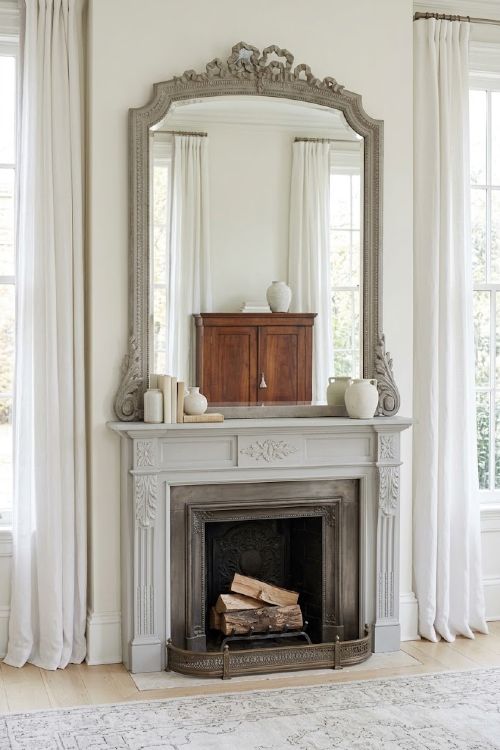
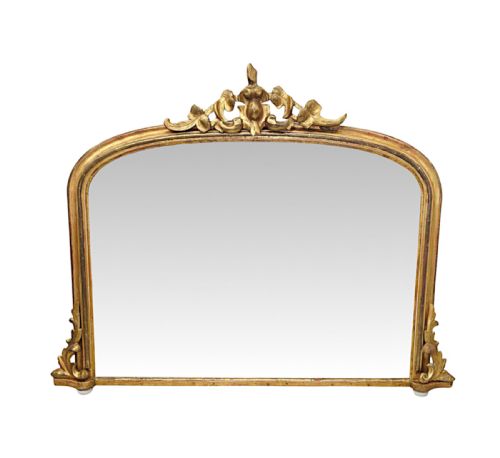
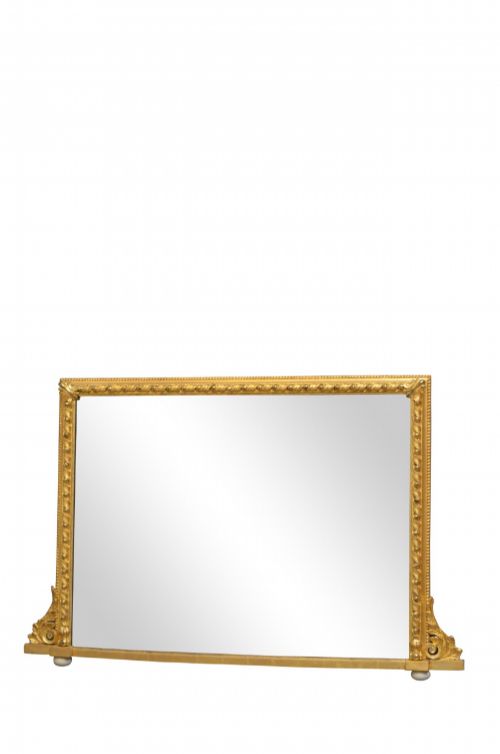
A traditional french mantel mirror is designed specifically to sit above a fireplace, taking wide proportions that reflect the hearth and floorboards across the room. These pieces appear primarily in nineteenth-century forms, including Victorian interpretations and specific continental styles like Louis XV and Louis Philippe.
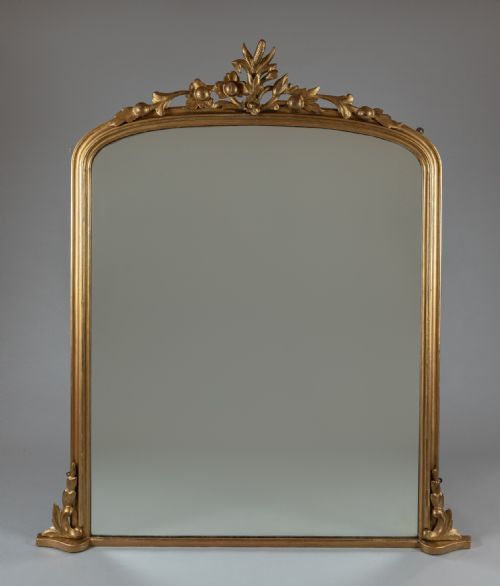
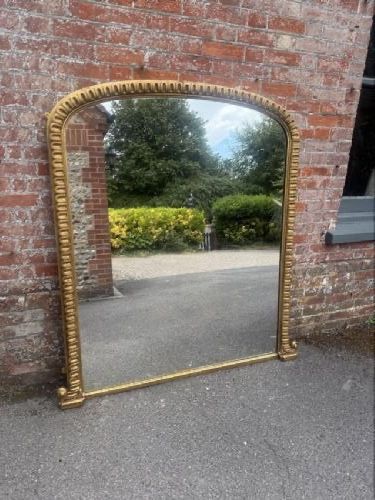
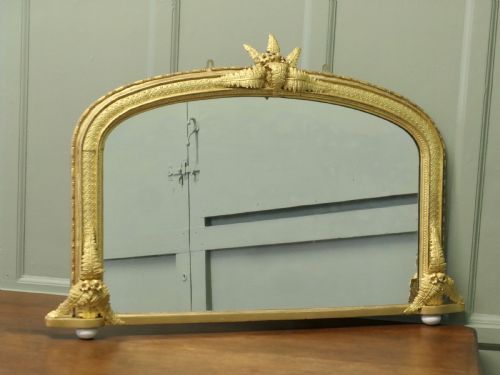
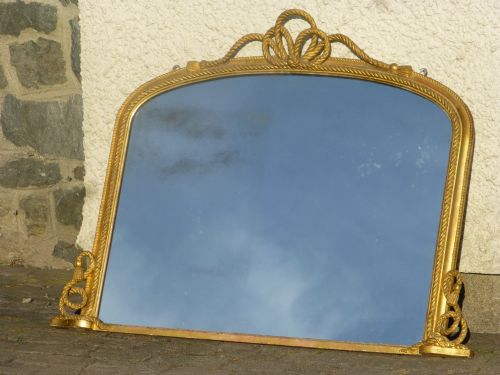
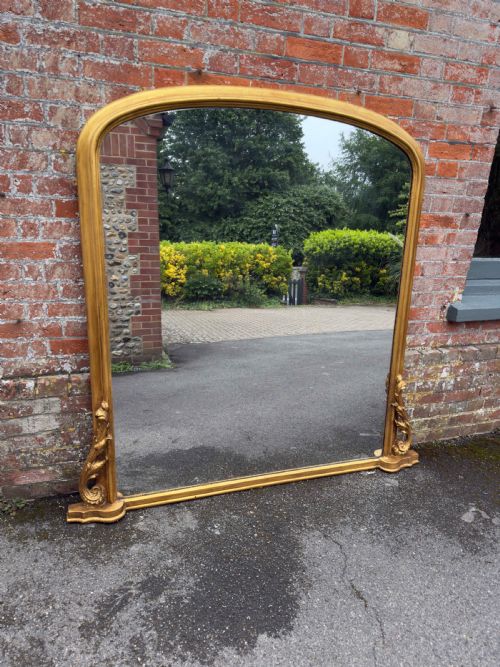
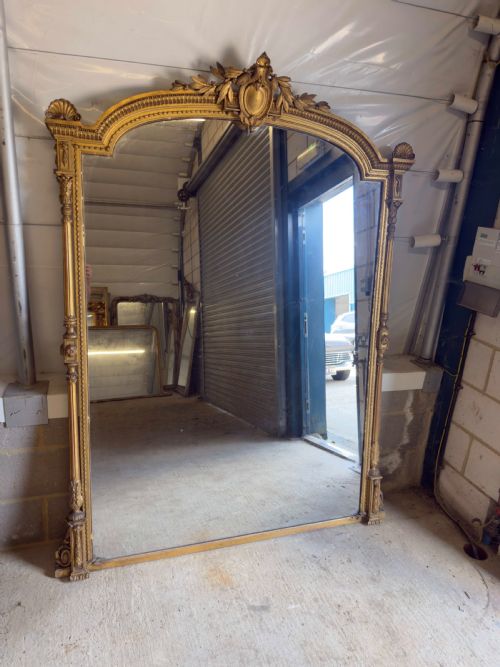
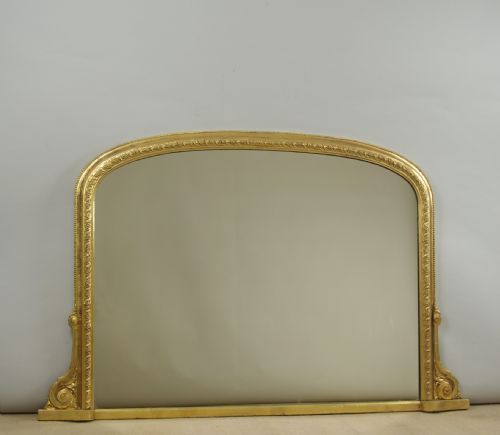
The dominant format on this page is the large overmantel mirror featuring an arched or shaped top designed to draw the eye upward toward the ceiling. Makers built these mirrors to anchor tall chimney breasts, balancing the heavy mass of masonry below with gleaming glass and gilded surfaces.
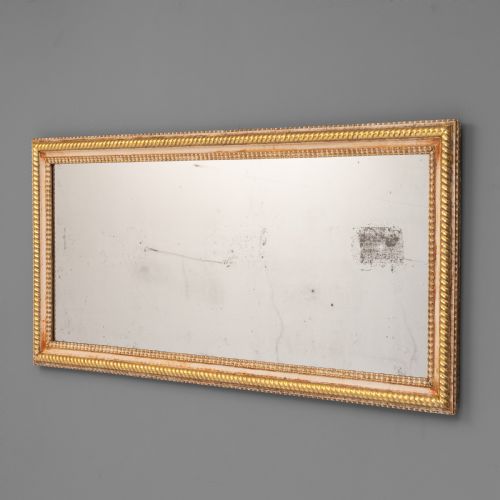
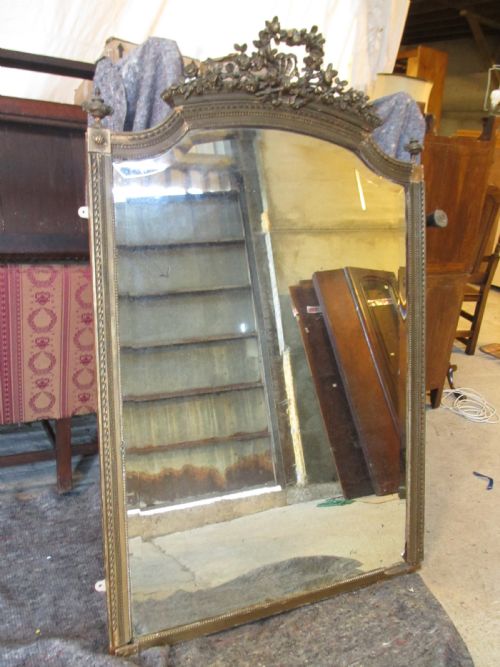
Alongside grand gilt examples, the selection includes painted wooden finishes and robust oak frames originating from nineteenth and early twentieth-century workshops. Each piece functions as both an architectural fixture and an optical tool to brighten darker corners of a period interior.
How they were made
Craftsmen built the underlying carcass from timber such as oak or pine, shaping the curved arches and structural supports by hand. Over this wooden base, they applied layers of composition or gesso to build up high-relief decorative motifs like scrolling leaves and rope twists.
Gilding involved laying thin sheets of gold leaf or applied gilt over the prepared gesso surfaces, sometimes leaving portions of the bare gesso or paint exposed beneath. Heavy mirror glass was then fitted into the rebate behind the frame, held securely by wooden backing boards.
Traditional French Mantel Mirror Retail Price Guide 2026
Typical asking prices for traditional french mantel mirror among the pieces listed under this phrase on Sellingantiques today, from the lower quarter to the upper quarter. They describe what is for sale here now, not the wider market.
Listings feature eighteenth and nineteenth-century forms including Regency, Victorian, Louis XV style, and French Chateau periods.
What varies in quality
The sophistication of the carved wooden ornament and the crispness of the gesso detailing separate standard production from finer work. Superior examples show deeply undercut carving and carefully burnished gold leaf that catches candlelight or daylight evenly across the room.
The preservation of the original mirror glass and the integrity of the gilt surface determine the character of an individual piece. Heavy oxidation in the glass plate and losses to the composition mouldings indicate the wear of decades above active fireplaces.
The Traditional French Mantel Mirror Glossary
- Overmantel mirror
- A large wall-hanging or mantel-resting glass designed expressly to hang above a fireplace opening. These items typically feature wide horizontal or vertical dimensions suited to chimney breasts.
- Gesso
- A plaster-like mixture applied to wooden frame bases to create a smooth surface for gilding or to be moulded into relief decoration. Artisans carved and shaped this compound before applying gold leaf.
- Giltwood
- Timber that has been coated with gold leaf or metallic paint to simulate solid gold. This material catches and reflects room light effectively.
- Composition
- A moulded mixture of whiting, resin, glue, and linseed oil pressed into decorative ornaments for frames. It offered a faster alternative to hand-carving intricate details.
- Louis Philippe style
- A nineteenth-century French aesthetic characterised by restrained curves and simpler architectural lines than earlier Rococo forms. Frames from this period often display gentle arched tops with minimal ornamentation.
Traditional French Mantel Mirror: Frequently Asked Questions
How do I hang a heavy mantel mirror?
These large frames require secure fixing directly into brick or studwork using heavy-duty brackets suited to the weight of the timber and glass.
Many examples are heavy enough to rest safely on the mantel shelf itself while anchored to the wall for stability.
Can I place these mirrors in modern rooms?
The expansive glass and reflective gilt surfaces work well to bounce light around contemporary minimalist spaces as well as period interiors.
Positioning them above low sideboards or fireplaces creates an immediate focal point in rooms of any era.
Are the mirror plates original?
Many nineteenth-century pieces retain their original glass, which often exhibits gentle foxing and dark speckling from age.
Original plates contribute historical depth to the piece, though some mirrors received replacement glass during their working lives.
How do I clean giltwood frames?
Dusting gently with a soft, dry brush prevents dirt accumulation without disturbing delicate gold leaf or fragile gesso mouldings.
Liquid cleaners and abrasive cloths must be avoided entirely to protect the historic surface finishes from damage.