
Traditional Floor Standing Clock
A traditional floor standing clock anchors a room with mechanical rhythm, offering the steady swing of a pendulum and the warm chime of the hours.
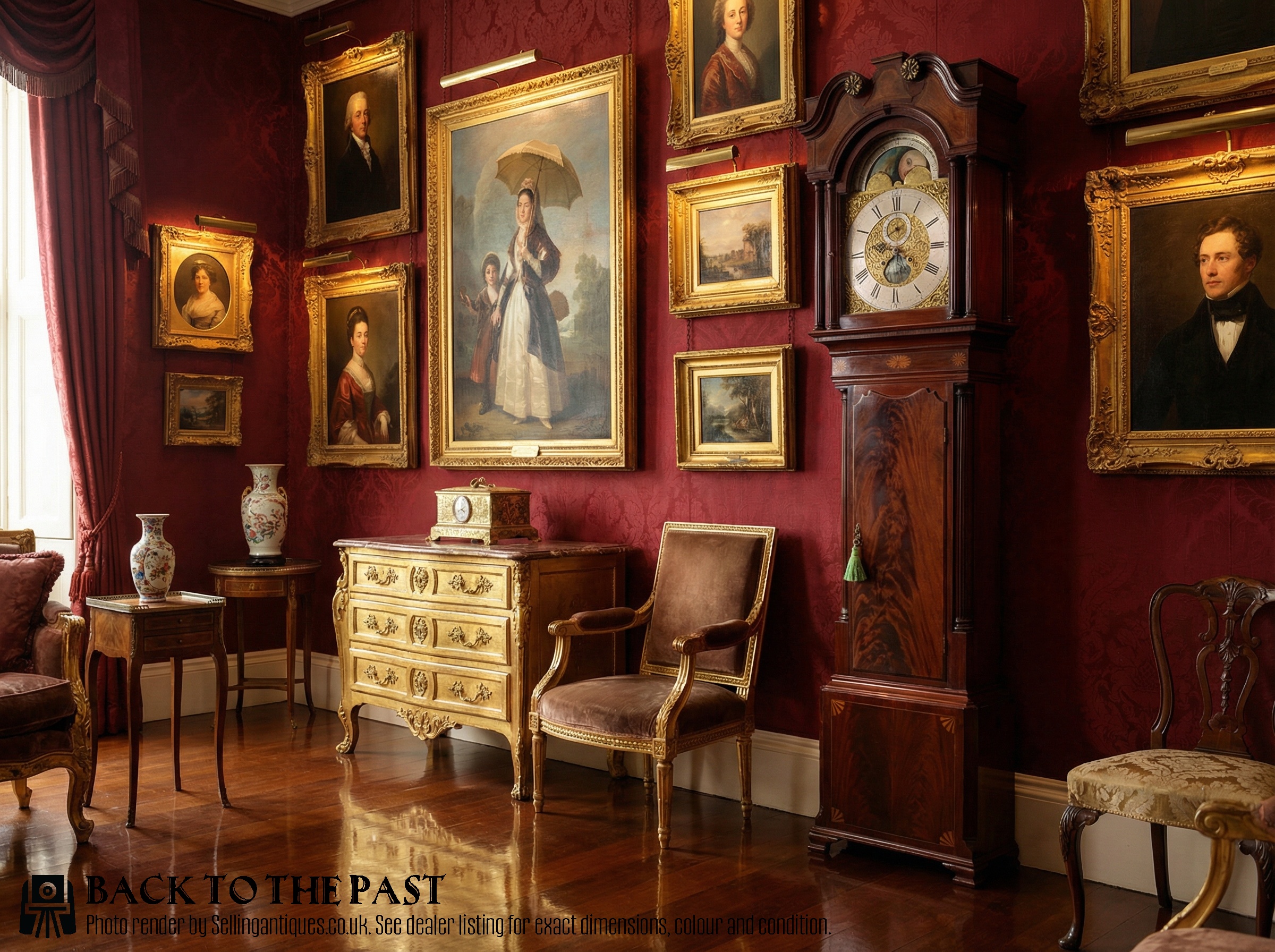
Traditional Floor Standing Clock
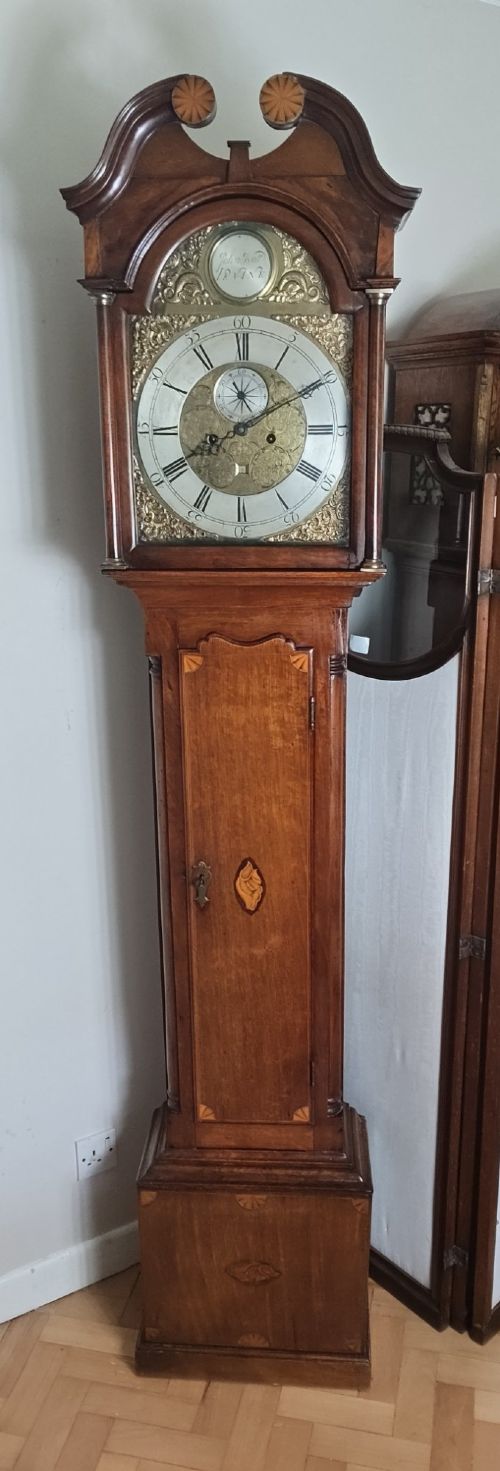
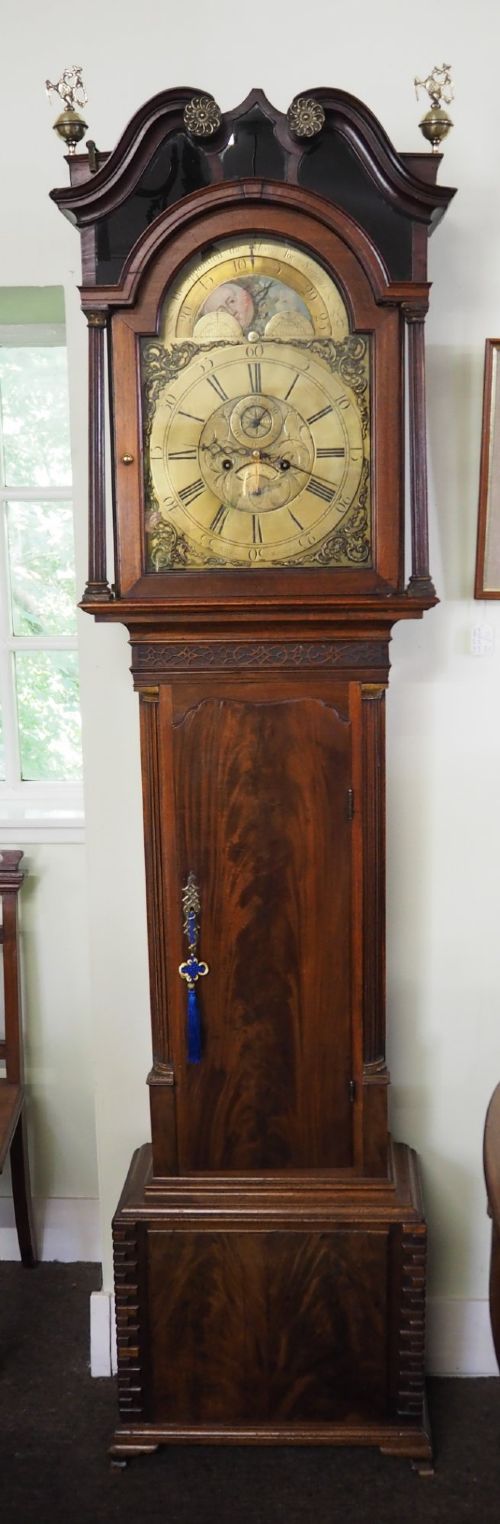
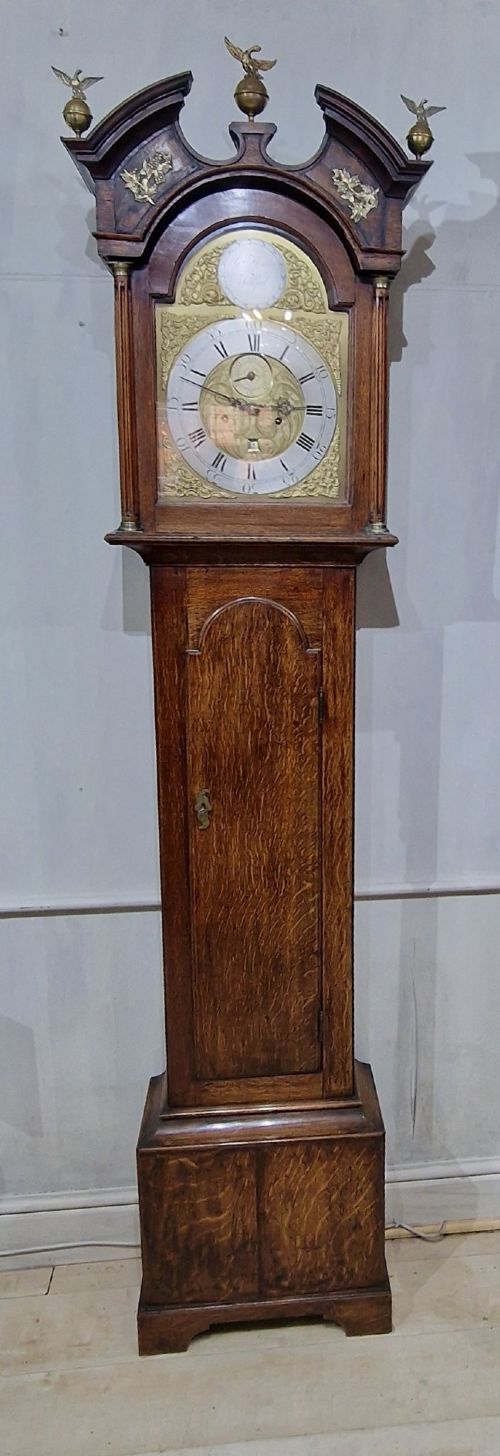
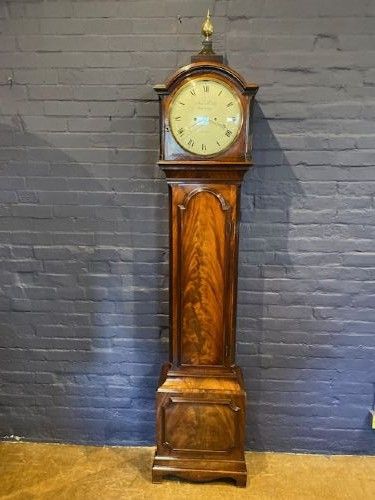
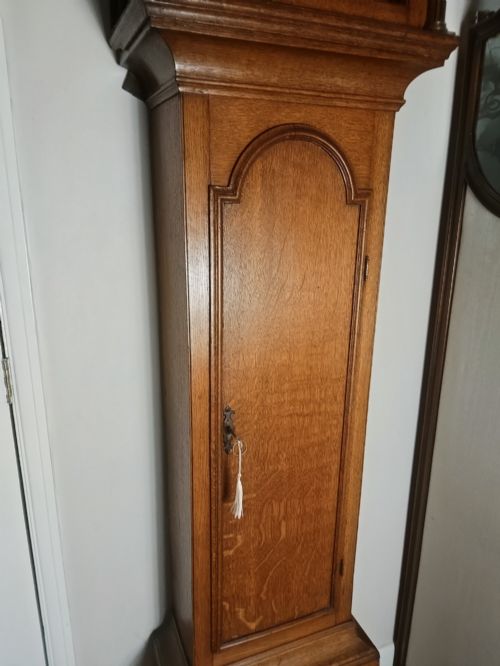
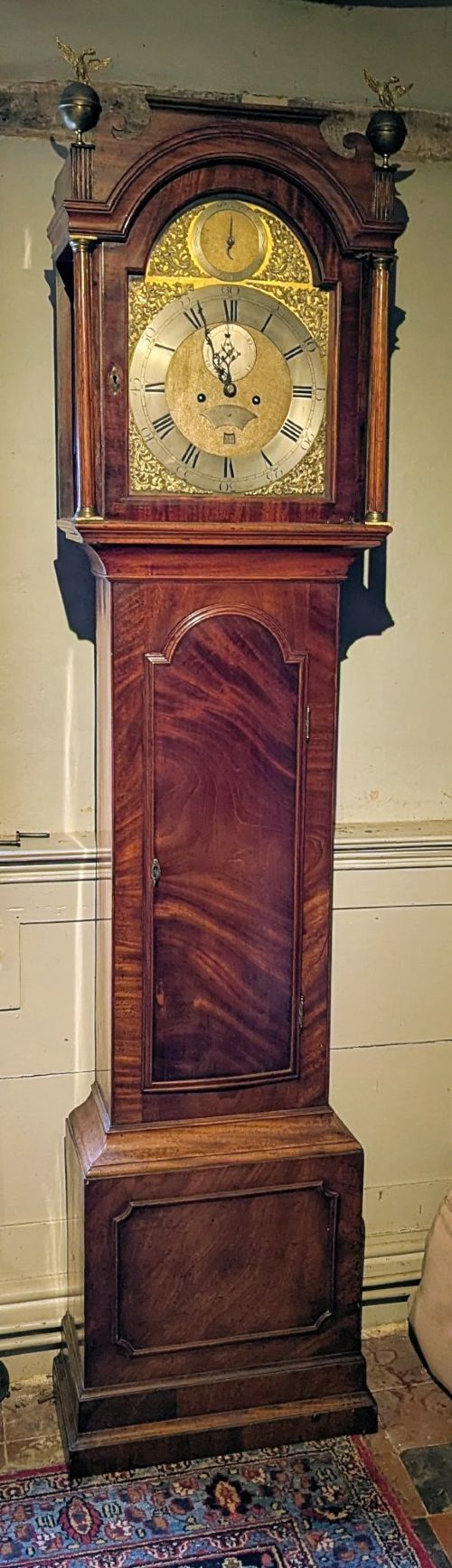
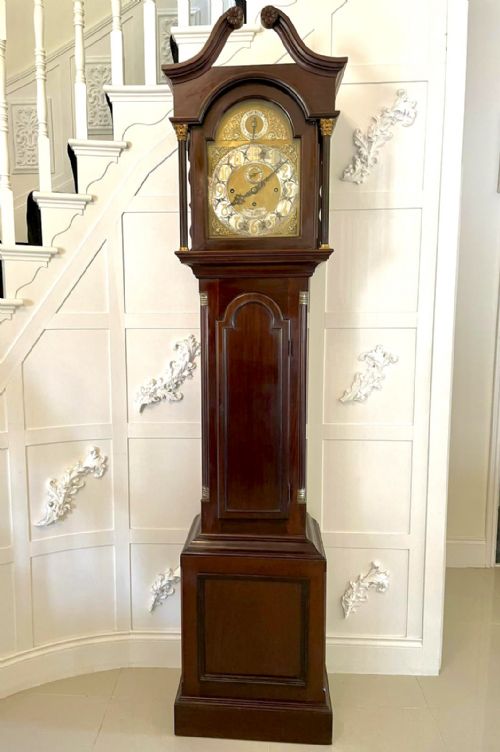
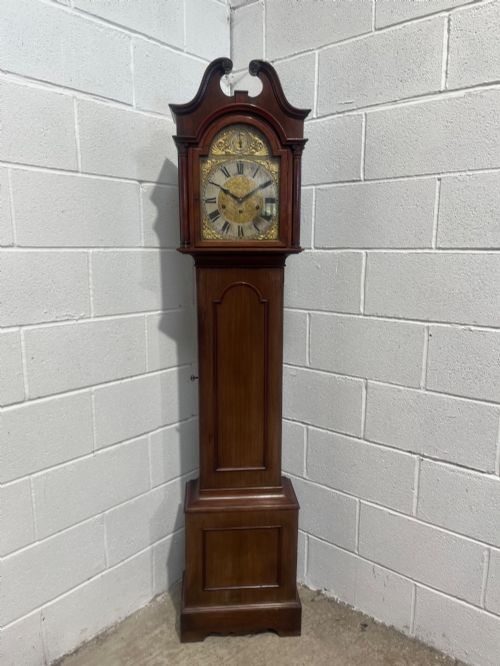
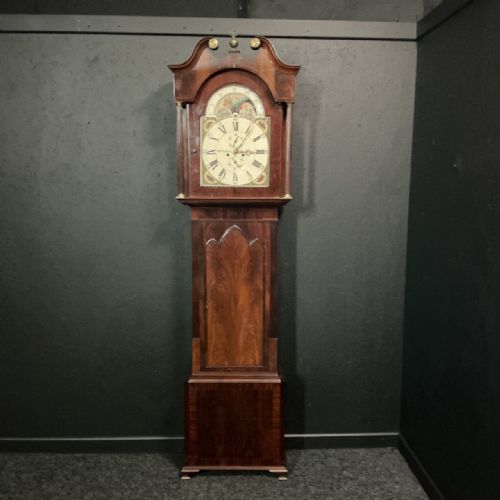
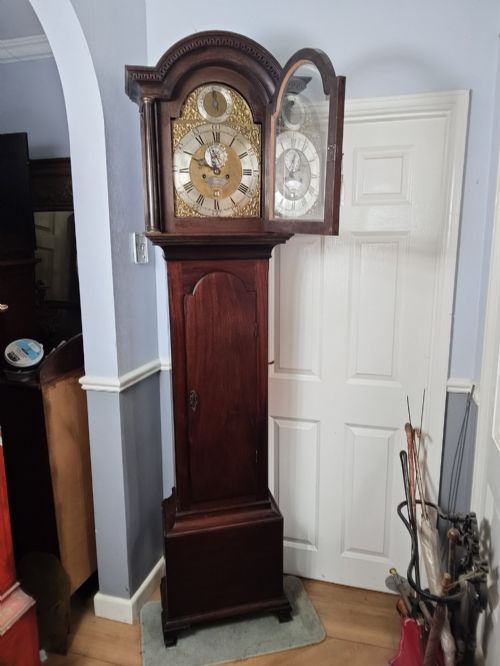
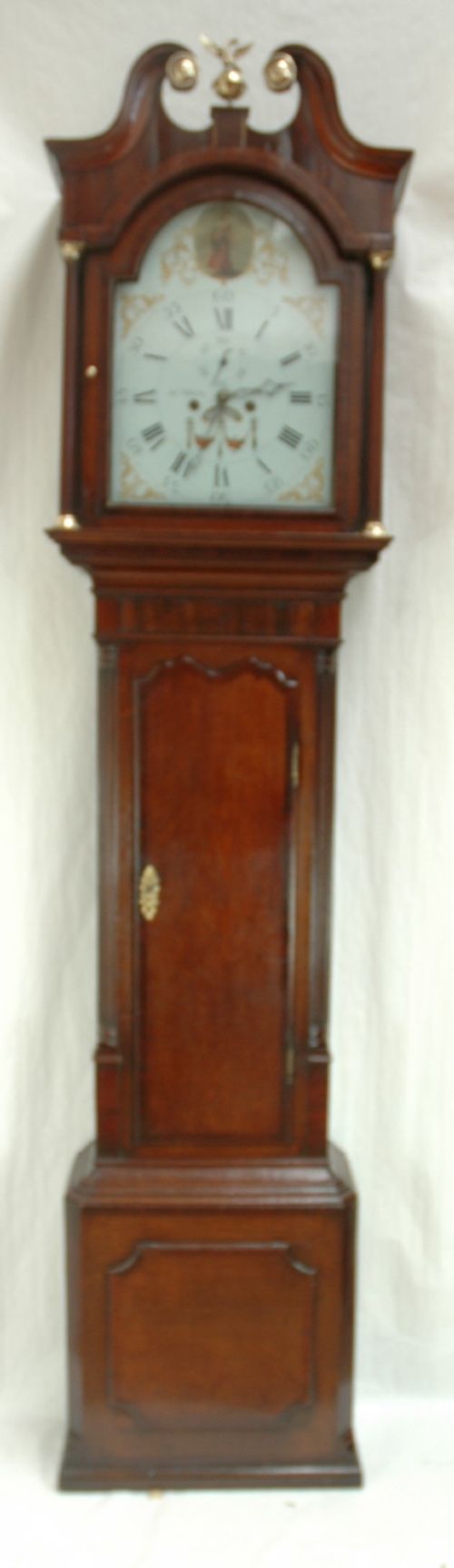
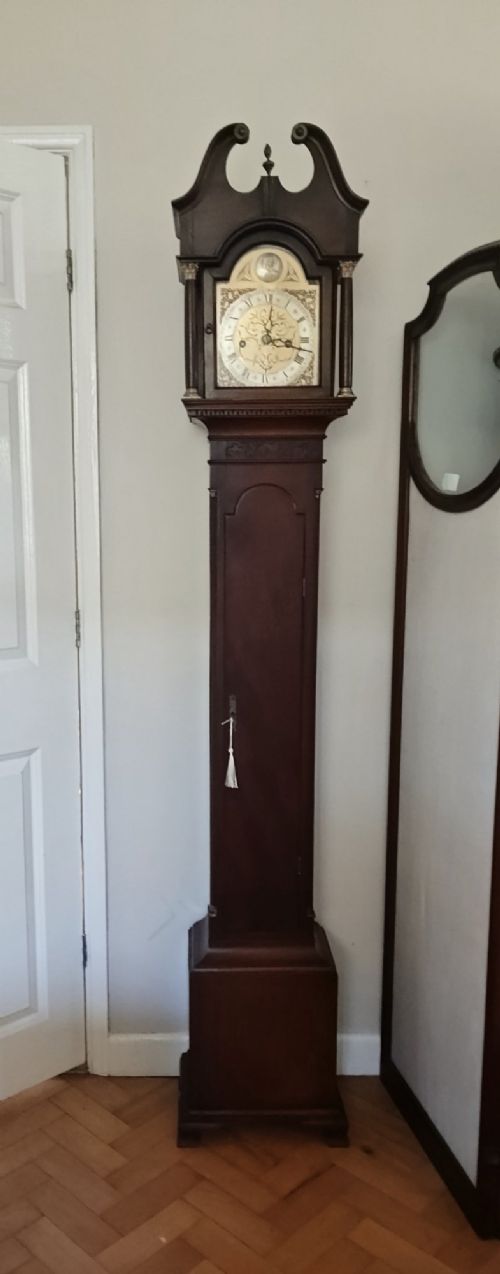
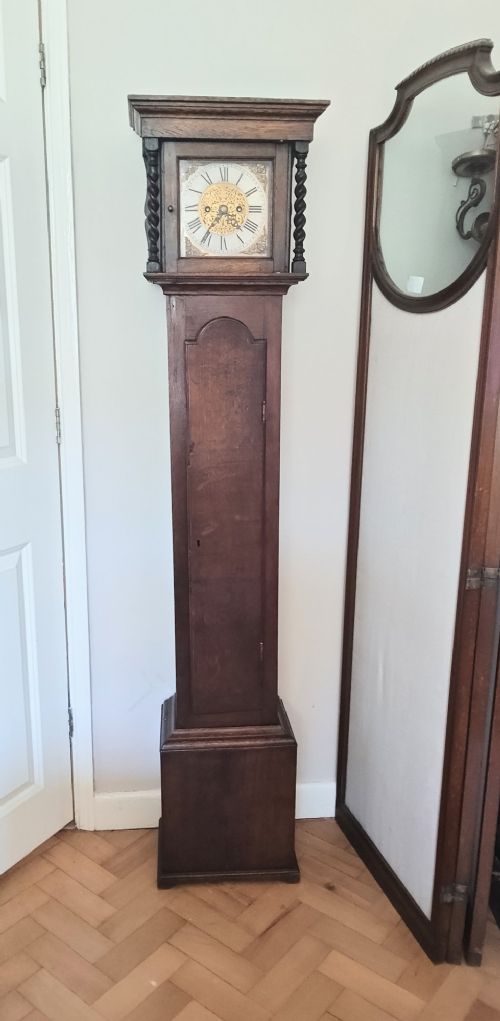
A traditional floor standing clock appears in forms such as longcase, grandfather, grandmother and granddaughter clocks, rising tall from the floor to house a weighted movement and pendulum. Buyers searching this phrase meet examples spanning the Georgian, Victorian and Edwardian periods, alongside later twentieth-century iterations.
Proportions shift from full-sized eight-day longcase pieces down to more compact grandmother and granddaughter clocks suited to lower ceiling heights. Each version maintains the vertical wooden trunk design intended to protect the internal weights and pendulum.

Materials and construction methods
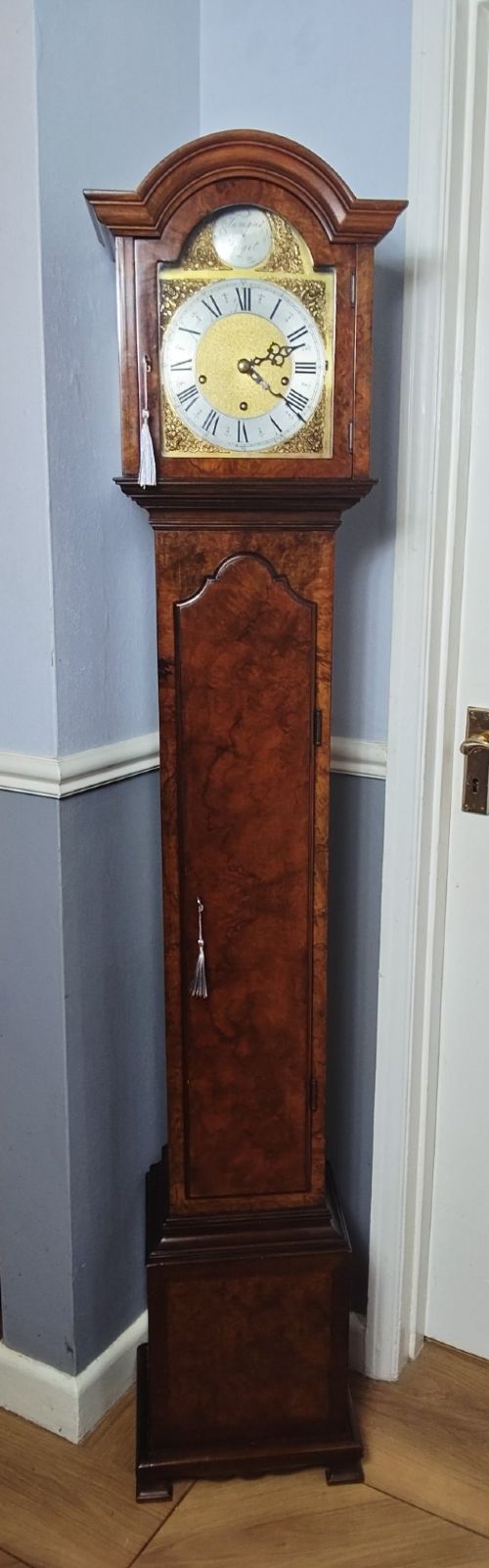
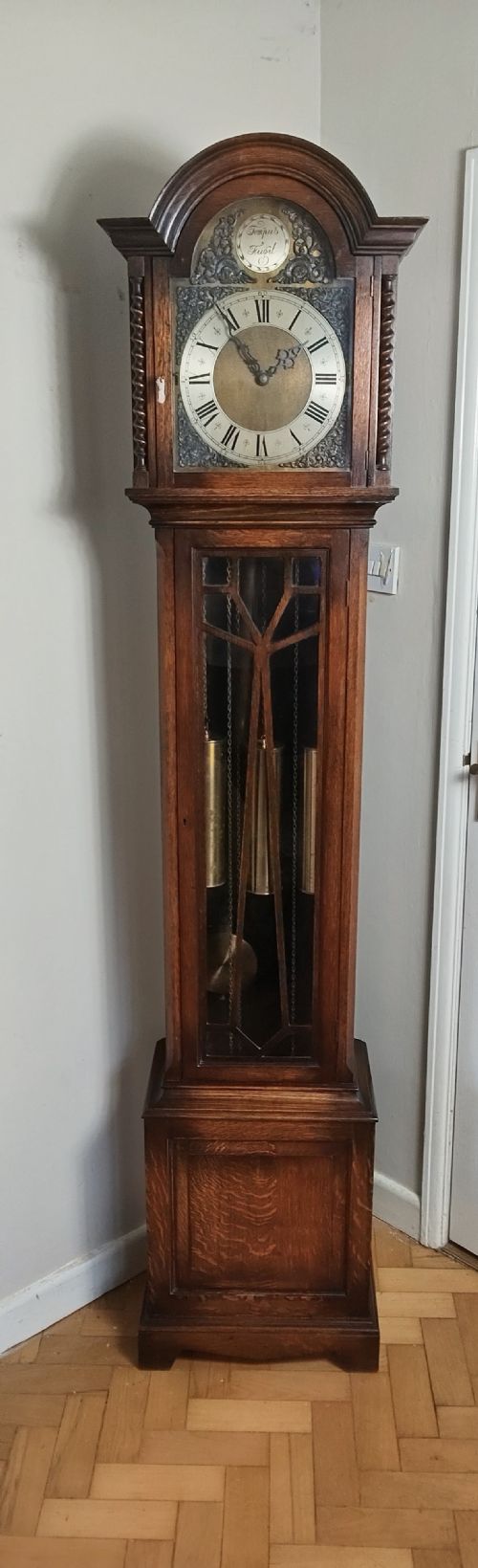
Cabinetmakers utilised timber boards of mahogany, oak and walnut, frequently selecting figured or flame veneer grains for the trunk doors and hoods. Joinery techniques involved precision framing to house the brass gear trains and dials securely within the wooden cases.
Dial faces combined cast brass spandrels, silvered chapter rings and engraved maker signatures, driven by lead or iron weights suspended on cords or chains. Movement mechanics ranged from simple time-and-strike systems to intricate musical mechanisms playing multiple tunes on bells or gongs.
Traditional Floor Standing Clock Retail Price Guide 2026
Typical asking prices for traditional floor standing clock among the pieces listed under this phrase on Sellingantiques today, from the lower quarter to the upper quarter. They describe what is for sale here now, not the wider market.
One Scottish longcase clock arrives accompanied by a horse in its title, adding an unexpected equestrian touch to the horology.
Distinctions in craftsmanship and execution
Superior examples display finely figured timber veneers matched across the door and base, alongside crisp dial engraving and high-specification movements with strike-silent facilities or musical capability. Less complex pieces rely on plain solid timbers and simpler time-only movements without chiming trains.
The precision of the mechanical gear train and the retention of original brass weights and pendulum dictate the integrity of the piece. Cases retaining their original surface patination and proportion represent the higher tier of surviving examples.
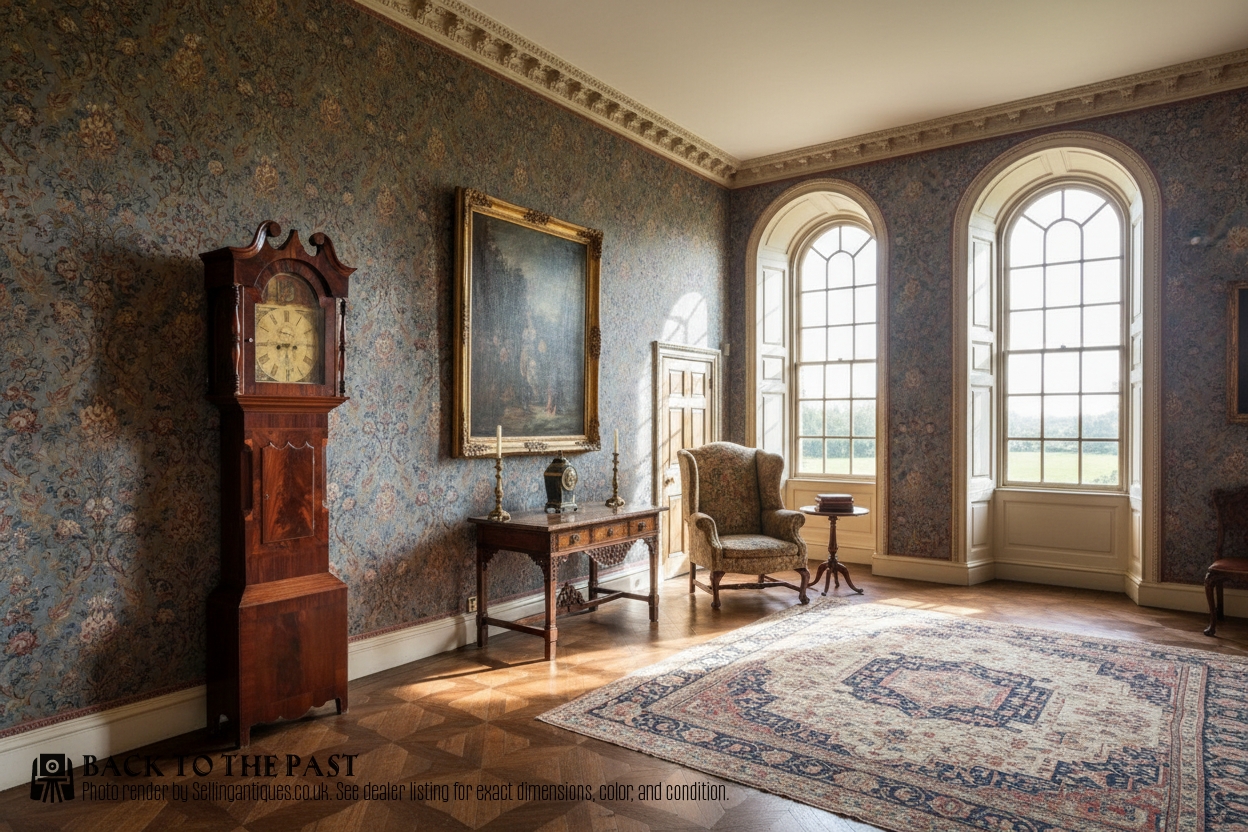
James Hendrie·James McCabe·Winsor Bishop Norwich·Henry Weedon London
The Traditional Floor Standing Clock Glossary
- Longcase clock
- A tall, floor-standing pendulum clock enclosed in a wooden case with a hood and trunk. This form is commonly known as a grandfather clock.
- Chapter ring
- The metal ring on the clock face that displays the hour and minute numerals. It is often silvered and engraved.
- Spandrel
- An ornamental corner piece fitted to the dial face outside the chapter ring. These are frequently cast in brass and chased or pierced.
- Strike-silent
- A mechanical lever or mechanism that allows the striking train to be turned off so the clock does not sound the hours. This was useful during sleeping hours.
Traditional Floor Standing Clock: Frequently Asked Questions
What is the difference between a grandfather and a grandmother clock?
A grandfather clock is a full-sized longcase clock standing over six feet tall, designed to house heavy weights and a long pendulum for an eight-day duration.
A grandmother clock is a scaled-down version standing significantly shorter, making it suitable for smaller rooms while still operating a mechanical movement.
How do eight-day movements work?
An eight-day movement requires winding via a crank or key once every week to draw the driving weights back to the top of the trunk.
Gravity pulls the weights down slowly over the course of the week, driving the escapement and gear trains that turn the hands and operate the chimes.
Where should I place a floor standing clock?
Position the clock against a solid interior wall where it will not be disturbed by foot traffic or vibrations from heavy doors.
A stable floor surface ensures the case remains plumb, which is essential for the pendulum to beat evenly and keep accurate time.
How do I identify the period of a longcase clock?
Examine the timber choice, dial design and architectural details of the hood and trunk to determine the period of origin.
Georgian examples often feature plain or architectural mahogany and oak cases with brass dial plates, whereas later Victorian and Edwardian pieces frequently incorporate richer veneers and inlaid marquetry.