
Traditional Fireplace Fire Irons
Traditional fireplace fire irons bring warmth and period character to a hearth through solid brass, steel and iron construction.
Traditional Fireplace Fire Irons
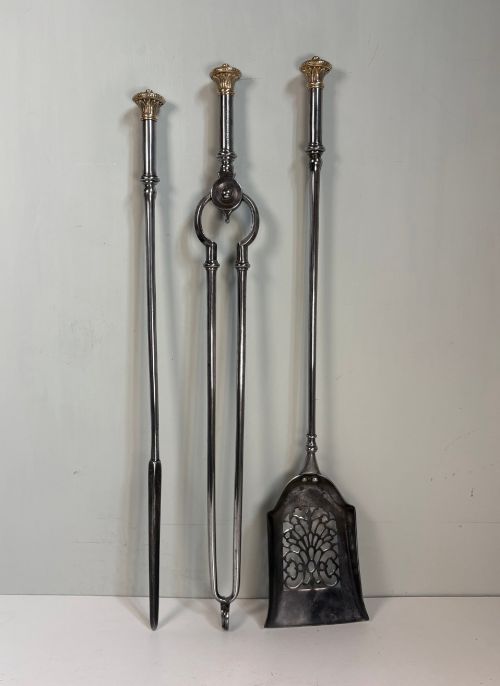
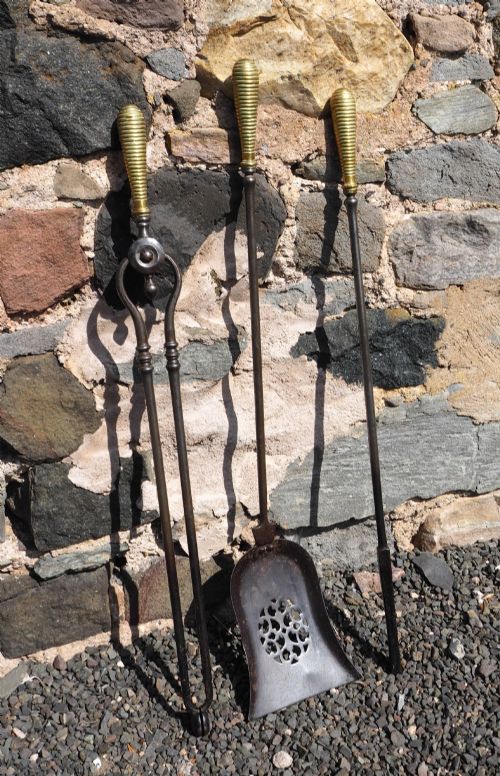
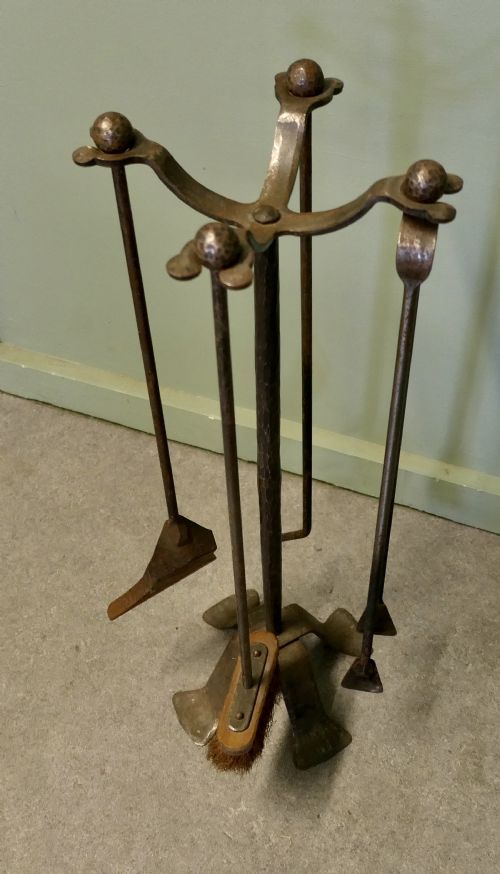
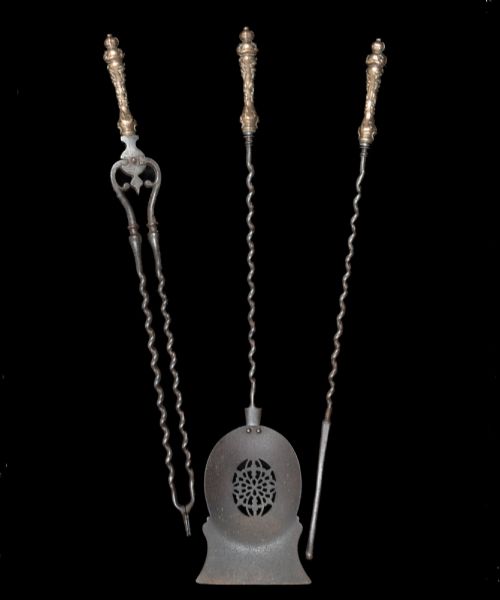
Traditional fireplace fire irons comprise poker, tongs, shovel and sometimes a brush, forming a matched or assembled set for tending an open hearth. When searching for traditional fireplace fire irons, buyers encounter sets spanning the Georgian, Victorian and Edwardian eras, alongside later twentieth century interpretations.
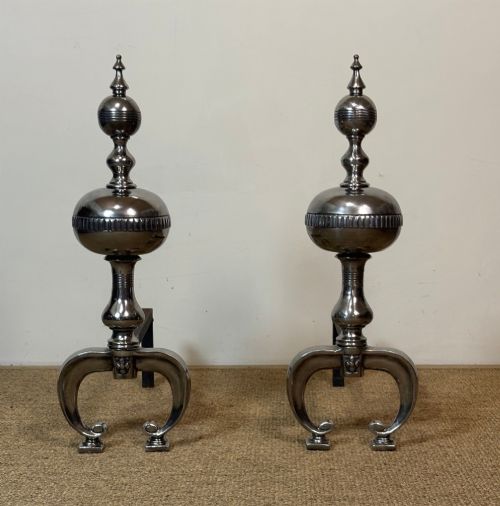
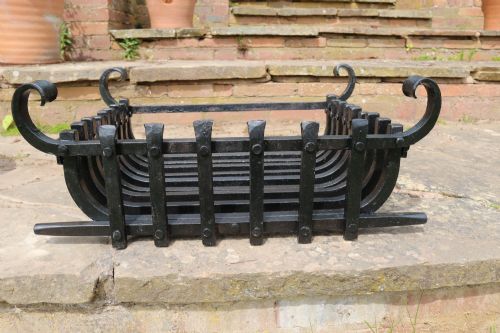
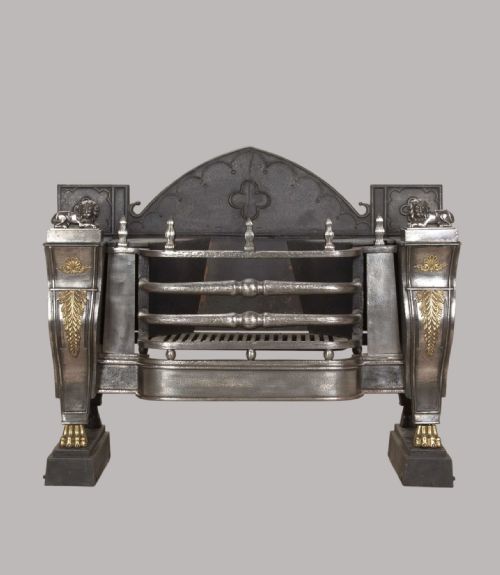
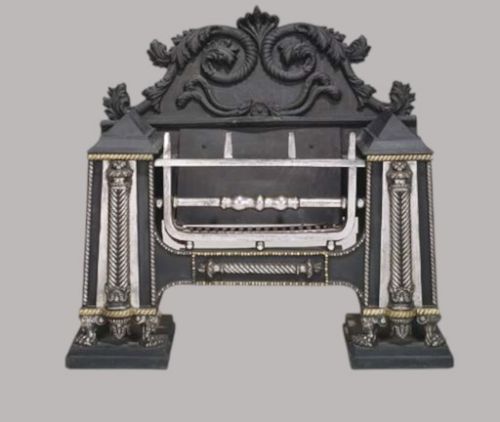
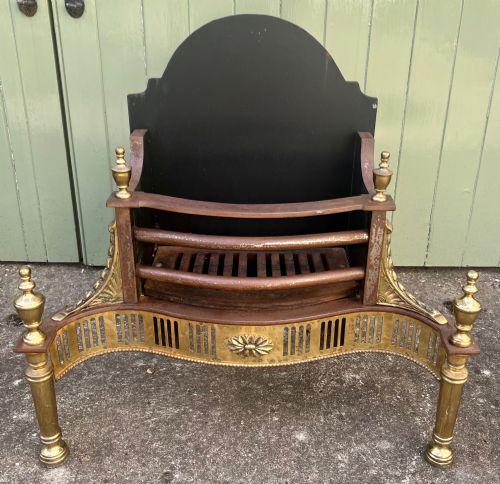
The majority of pieces seen on this page date from the nineteenth century, including Victorian brass and steel companion sets and country house tools. These tools arrive in various configurations, from simple wrought iron pokers to complete sets housed with fire dogs and baskets.
Originating from English country houses and French manors, these fireplace accessories reflect the domestic heating habits of past centuries. Buyers select them to complement period grates, hob grates and open hearths in both period properties and restored interiors.
Materials and construction
Makers utilised brass, cast iron, wrought iron and polished steel to forge and cast these implements, selecting metals for both heat resistance and decorative appearance. Brass provided bright finials and fire-facing surfaces, whilst steel and wrought iron gave the strength required for daily hearth use.
Techniques combined blacksmithing with foundry casting, shaping molten iron in moulds or hammering hot steel into slender shafts and decorative handles. Gun metal and wire mesh also appear in specific companion pieces and guards.
Surfaces were polished, left as cast, or finished with decorative motifs such as dragon designs or classical brass tops, balancing industrial utility with domestic ornamentation.
Listed periods range from the Georgian and Regency eras through the Victorian and Edwardian decades.
Judging quality
Quality rests upon the weight of the metal, the crispness of any cast ornamentation, and the integrity of the joins between handles and shafts. Heavier gauge steel and solid brass components indicate superior manufacturing standard over lighter, mass-produced alternatives.
The aesthetic coherence of a set separates ordinary utility items from finer examples, where turnings, brass finials and companion stands share a deliberate design vocabulary. Preservation of the original polished surface or honest age patina also dictates the standing of a set.
The Traditional Fireplace Fire Irons Glossary
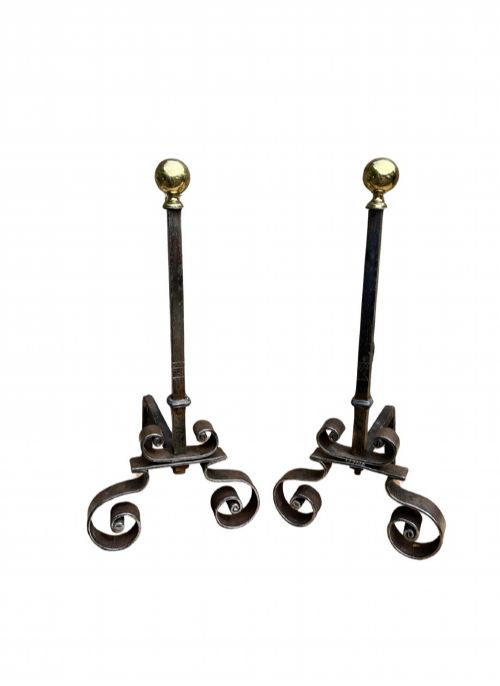
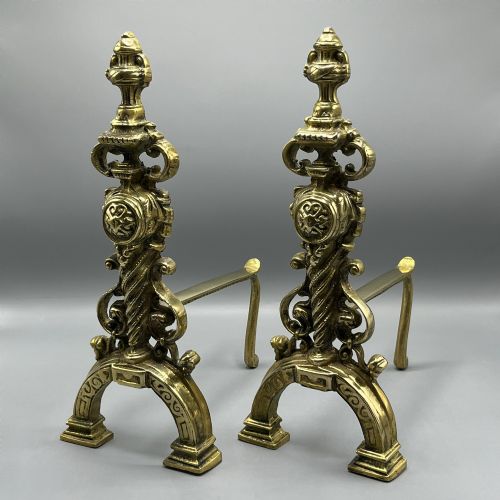
- Andirons
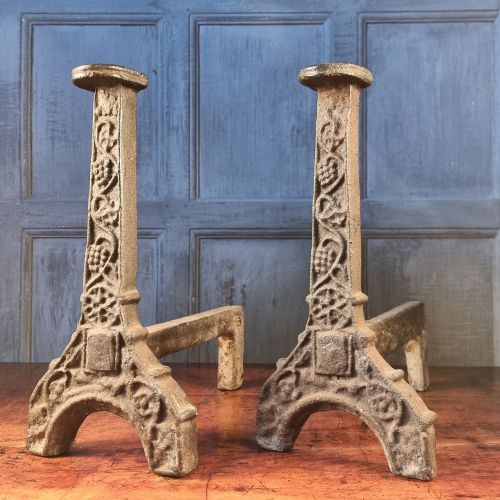
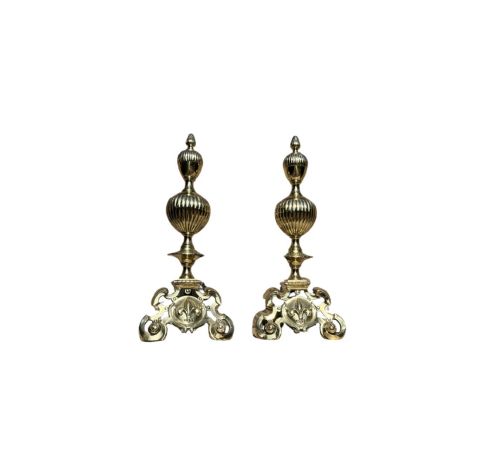
- Supports used to hold logs above the hearth floor. They often match the fire irons and feature decorative fronts.
- Companion set
- A matched group of fireside tools kept together on a stand or rack. These sets typically include a poker, tongs and shovel.
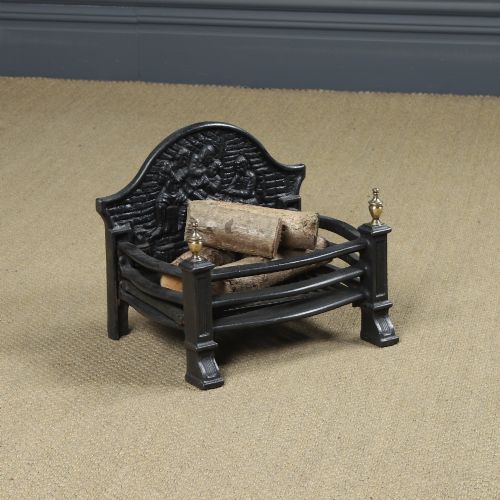
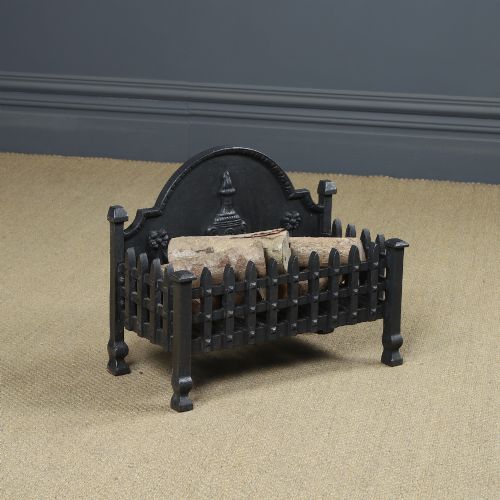
- Fire basket
- An open metal grate designed to hold coal or wood inside a fireplace. They frequently incorporate cast and wrought iron elements.
- Hob grate
- A fireplace grate featuring flat side shelves for heating kettles or food. They date predominantly from the Georgian and Regency periods.
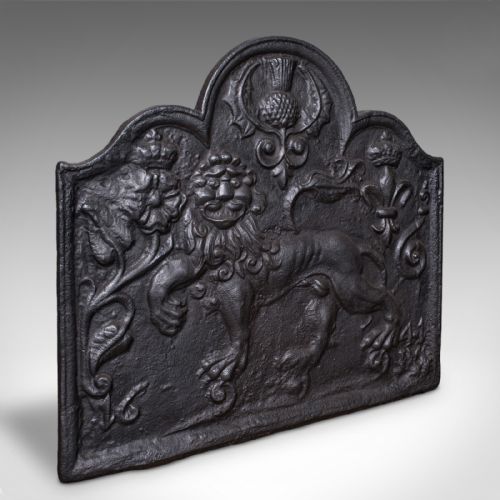
- Fire back
- A heavy iron plate placed at the rear of a fireplace. It protects the masonry and reflects heat back into the room.
Traditional Fireplace Fire Irons: Frequently Asked Questions
How do I choose the right size fire irons?
Match the length of the pokers and shovels to the depth and scale of your fire basket or hearth opening.
Smaller grates require shorter tools to maintain proportion and ease of handling during tending.
Can I use antique fire irons daily?
Solid steel, iron and brass tools are built for practical use and handle regular hearth duties well.
Care should be taken with delicate brass finials or nineteenth-century wirework guards to preserve their condition.
What is the difference between brass and steel sets?
Brass sets offer a bright, golden appearance often associated with Victorian and Edwardian formal parlours.
Steel and iron tools provide a darker, more industrial aesthetic suited to country house and rustic hearths.
How do I identify a Georgian fire iron set?
Georgian sets display classical restraint, featuring balanced proportions, urn-shaped finials and hand-forged steel shafts.
They lack the heavier ornamentation seen on later Victorian and Gothic Revival pieces.