
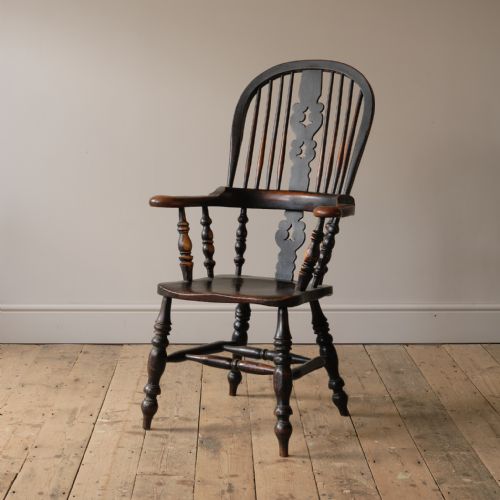
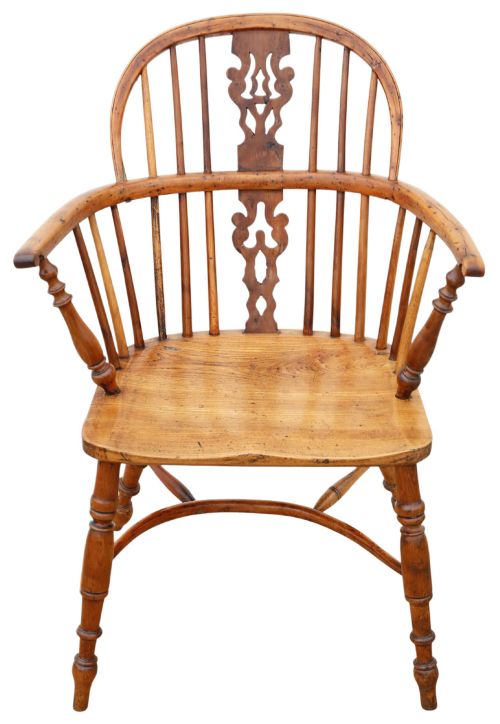
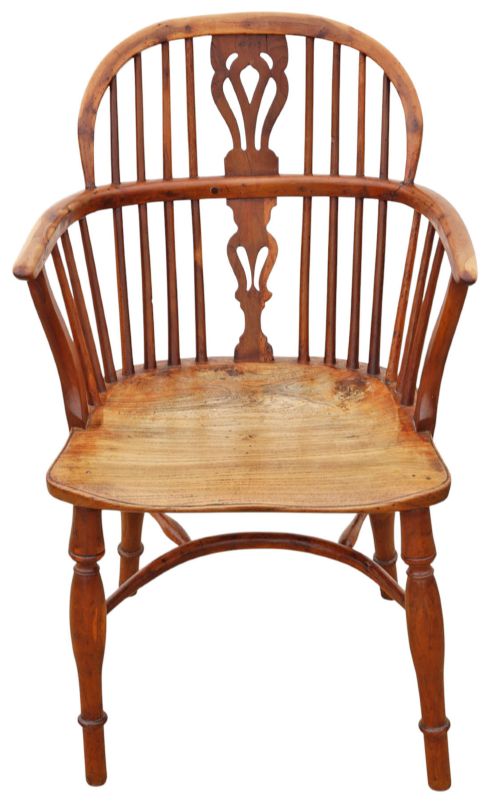
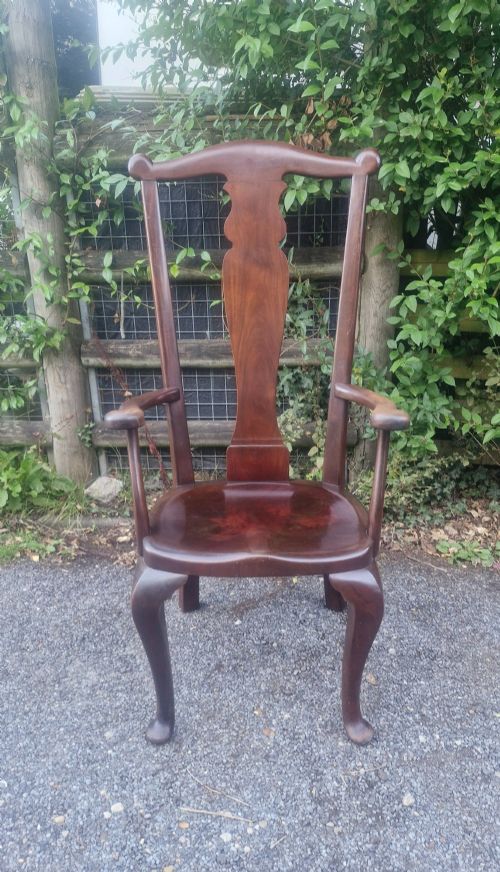

Traditional Elbow Chair
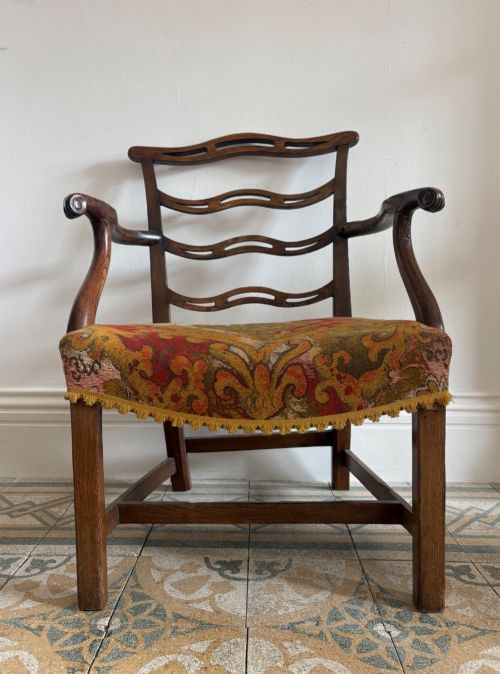
A traditional elbow chair offers generous arm support and sturdy timber construction, making it a practical and handsome seat for a desk or dining table.
Traditional Elbow Chair
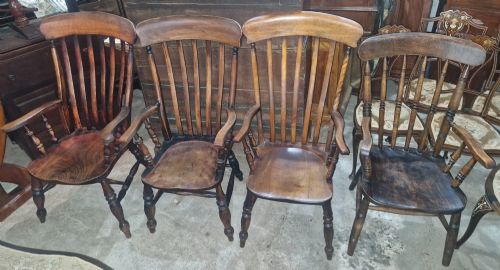
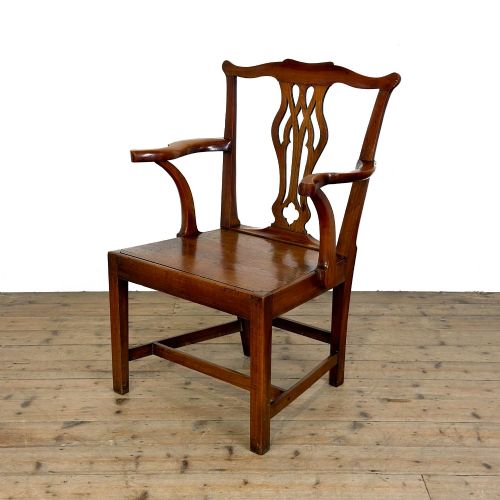
When you search for a traditional elbow chair, you encounter sturdy wooden seating designed with integrated arms for daily use. These pieces function as carvers, desk chairs, or fireside seating across domestic spaces.
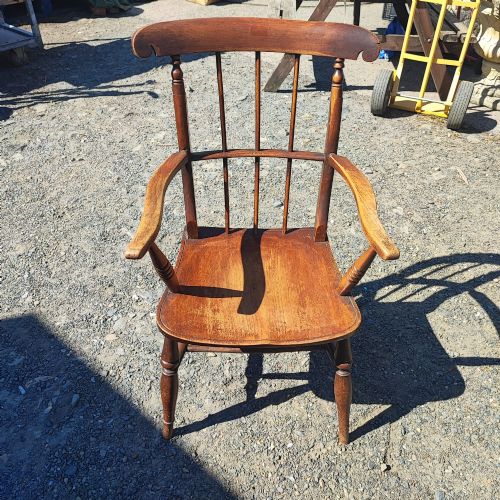
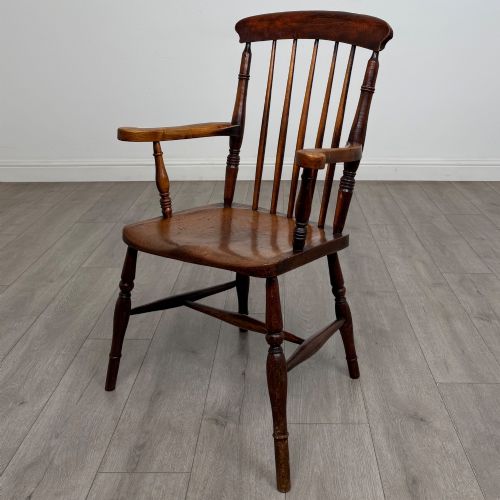
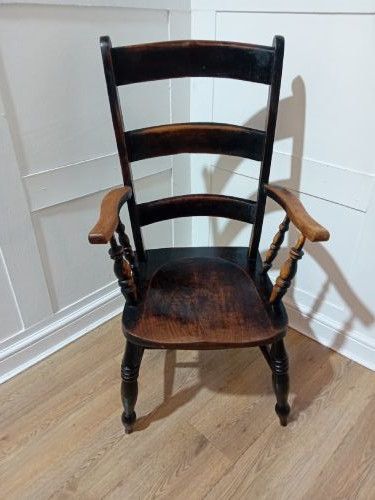
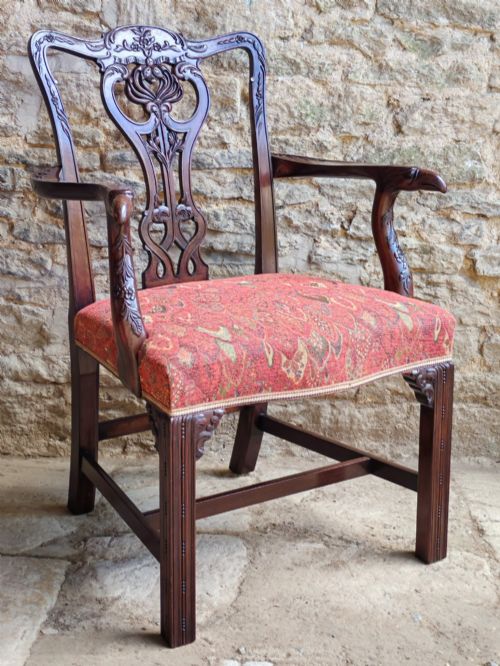
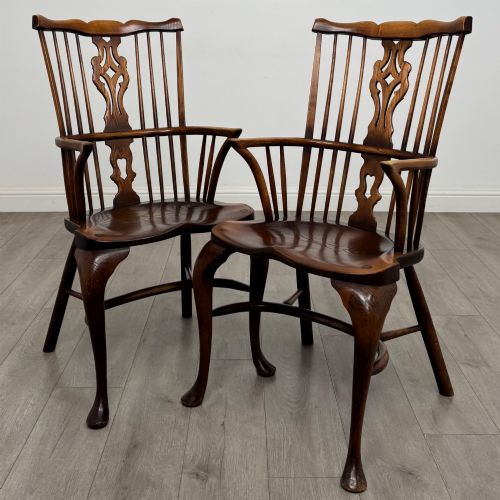
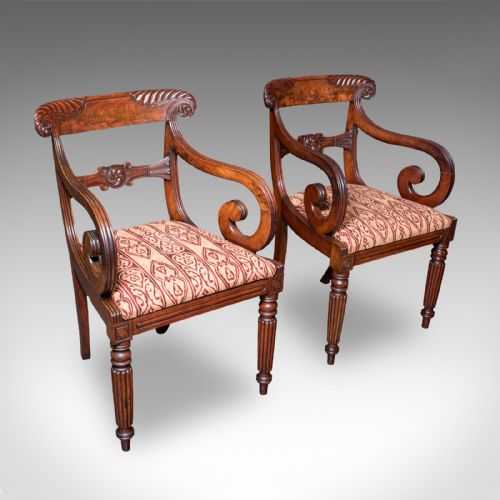
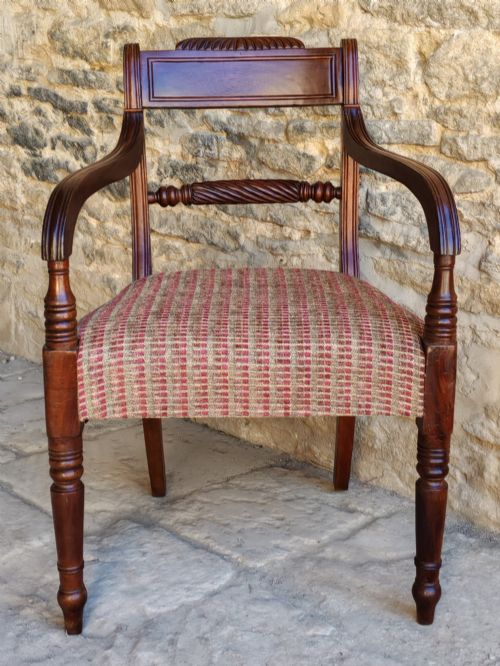
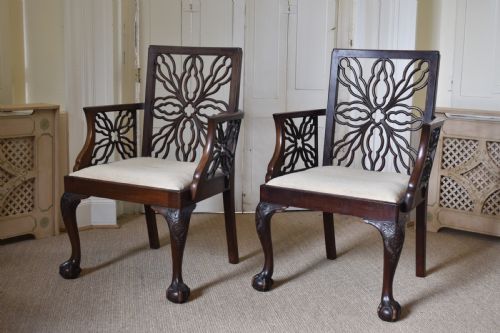
The most common forms on this page include Windsor chairs in elm, ash, and yew, alongside mahogany and oak styles from the Georgian and Victorian periods. Country vernacular pieces and formal revival designs share this category.
Origins stretch from English provincial workshops to Scottish makers and Welsh farmhouse kitchens, encompassing diverse regional traditions in woodwork.
How they were made
Cabinet makers and bodgers built these seats using native timbers such as elm for solid seats, ash for steam-bent spindles, and yew for rich figuring. Hardwoods like mahogany and oak served formal urban commissions.
Joinery techniques combined mortise and tenon joints with turned legs and comb backs, relying on the natural strength of unyielding woods to support daily sitting without excessive metal hardware.
Traditional Elbow Chair Retail Price Guide 2026
Typical asking prices for traditional elbow chair among the pieces listed under this phrase on Sellingantiques today, from the lower quarter to the upper quarter. They describe what is for sale here now, not the wider market.
Country bodgers shaped green wood in woodland huts before carting the components down to village workshops.
What varies in quality
Quality rests in the harmony of timber selection, such as a well-figured yew grain or a thick single-piece elm seat, paired with balanced proportions in the arm bow and spindles. Lesser pieces rely on replacement parts or timber with less character.
The crispness of hand-carved details on mahogany carvers or the careful turning of stick-back Windsor legs separates workshop masterpieces from utilitarian furniture.
Howard and Sons
The Traditional Elbow Chair Glossary
- Windsor chair
- A wooden chair featuring a thick solid wooden seat into which the legs and back spindles are separately bored. This vernacular form developed deep regional variations across the British countryside.
- Carver
- An armchair designed to match a set of dining chairs, traditionally placed at the head of the table. It provides broader arms for comfort during meals.
- Comb back
- A Windsor chair design where the top rail resembles the spine of a comb, often supporting a row of vertical spindles. It offers an extended backrest for extra support.
- Smokers bow
- A low-backed Windsor or Captain's chair with a continuous curved armrail popular in public houses and offices. It provides compact yet sturdy elbow support.
- Vernacular
- Everyday furniture made by local rural craftsmen using regional materials rather than following strict high-style London fashions.
Traditional Elbow Chair: Frequently Asked Questions
What is a traditional elbow chair?
A traditional elbow chair is a wooden seat featuring structural arms, built for dining tables, desks, or parlours.
These chairs span vernacular country windsors and formal mahogany carvers from past centuries.
Where were these chairs used?
They served in farmhouse kitchens, gentleman's studies, libraries, and grand dining rooms alike.
Different regions produced specific forms suited to local domestic habits and available timbers.
How do I date an elbow chair?
Dating relies on timber species, tool marks, joinery methods, and prevailing design styles like Chippendale or Regency.
Vernacular country pieces often retain traditional building methods long after urban centres adopt new fashions.
Can I use an elbow chair at a desk?
Many sturdy armchairs and carvers function well at writing desks, particularly high-back or desk-specific variants.
Check the seat height and arm clearance against your desk measurements to ensure a comfortable fit.