
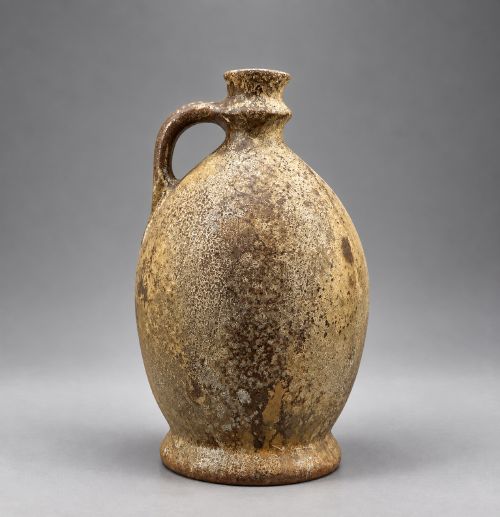
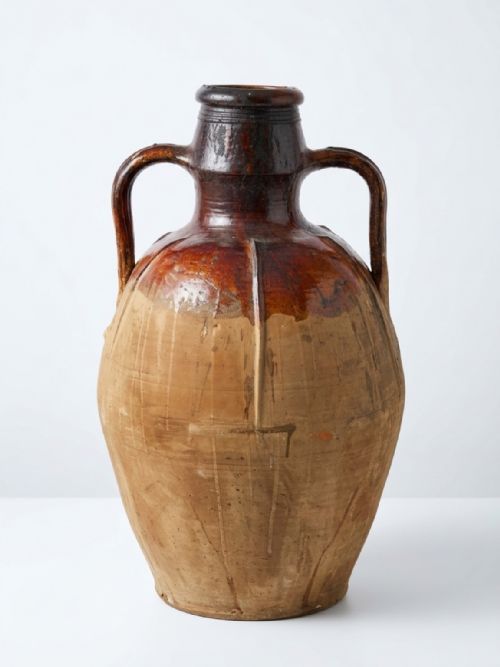
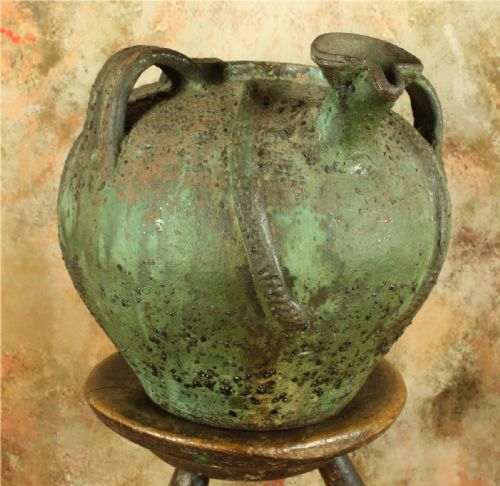
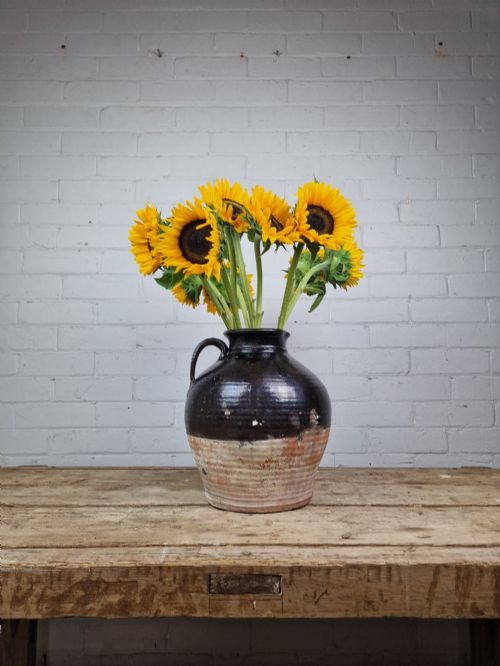


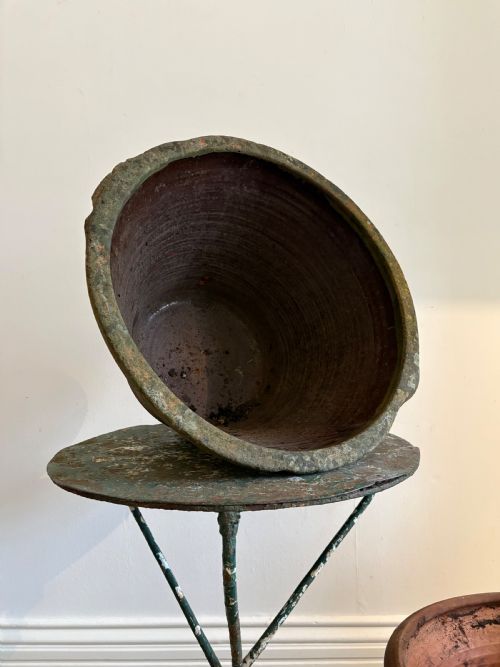


Traditional Earthenware Vessel
These traditional earthenware vessel examples offer rustic utility and simple beauty, bringing tactile warmth and historic character straight into your living space.
Traditional Earthenware Vessel
When you search for a traditional earthenware vessel, you encounter utilitarian pots, jugs, and storage jars designed for practical domestic and agricultural tasks. The selection spans centuries of domestic pottery, with nineteenth-century pieces forming the largest group alongside earlier eighteenth-century examples.
The common forms include large wine jars, olive pots, dairy bowls, and tavern jugs. French confit pots, Turkish water vessels, and Italian terracotta storage jars appear frequently across the collection.
Originating from English, French, Italian, and Turkish workshops, these pieces showcase regional domestic traditions. Most items display the heavy, robust proportions typical of utilitarian earthenware intended for daily use.
Materials and construction methods
Potters shaped these vessels from local clay and terracotta, building thick walls to withstand heavy daily handling in dairies, kitchens, and cellars. Many pieces incorporate simple glazes or tin glaze to seal the porous clay body for holding liquids.
Some examples feature painted decoration or slipware details applied before firing. Surface finishes range from unglazed terracotta to rich ceramic glazes and painted motifs.
The listings span from the seventeenth century through to the twentieth century, using clay, terracotta, and ceramic glaze.
What separates the best examples
Quality rests on the integrity of the form and the harmonious application of glaze. Better examples display confident throwing and balanced proportions despite their utilitarian origins.
The character of the surface finish also distinguishes finer pieces, whether through an even tin glaze, expressive slip trails, or honest patination gained from long service.
Staffordshire Pottery·Wedgwood·Poole Pottery Carter Stabler Adams
The Traditional Earthenware Vessel Glossary
- Earthenware
- Pottery fired at a relatively low temperature which remains porous unless glazed. This fundamental ceramic type forms the core of domestic utility wares across centuries.
- Slipware
- Pottery decorated with a thin mixture of clay and water applied to the vessel before firing. Potters utilise this technique to create contrasting linear patterns.
- Majolica
- Tin-glazed earthenware decorated with colourful metal oxide paints on an opaque white background. Italian and later European potteries produced these decorative wares.
- Confit pot
- A traditional French earthenware jar designed for preserving and storing food. These pots typically feature partial glazing and sturdy side handles.
Traditional Earthenware Vessel: Frequently Asked Questions
What were traditional earthenware vessels used for?
These vessels served essential domestic and agricultural functions, such as storing oil, wine, water, and milk, or preserving food in large confit pots.
Households and farms relied on their robust earthenware construction to keep provisions cool and secure before modern refrigeration.
How do I date an earthenware vessel?
Dating relies on examining the potting technique, glaze formulation, and overall form alongside any stylistic clues or regional markers.
Earlier pieces often display hand-thrown irregularities and simpler slip decorations, while nineteenth-century items show more standardised utilitarian production.
How should I display these vessels at home?
These tactile pots suit placement on sturdy wooden tables, open shelving, or directly on flagged stone floors where their scale and earthy tones stand out.
Large olive jars and dairy bowls work particularly well as standalone sculptural objects or filled with dried stems.
Are these pots waterproof?
Many traditional earthenware vessels feature internal glazes designed to hold liquids like water, wine, or oil safely during daily use.
However, unglazed terracotta pieces remain porous and require a protective inner liner if you intend to hold fresh flowers with water.