



Traditional Drinks Tray
A traditional drinks tray brings functional elegance to hosting, offering sturdy timber surfaces and raised edges designed to transport glassware with ease.
Traditional Drinks Tray
A traditional drinks tray encompasses a variety of portable serving pieces and elevated surfaces designed for carrying or presenting beverages. The examples found here span multiple periods, from the robust proportions of the Georgian and Victorian eras through to Edwardian designs and early twentieth century interpretations.
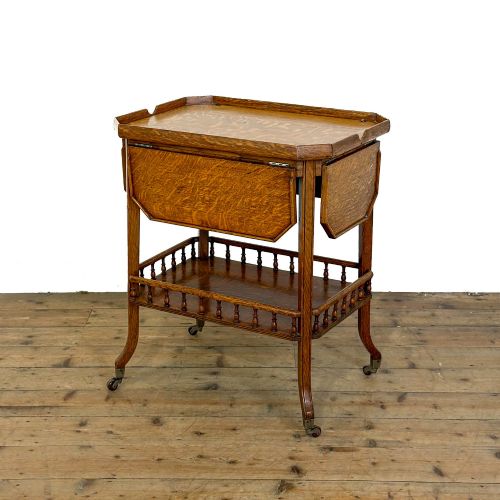
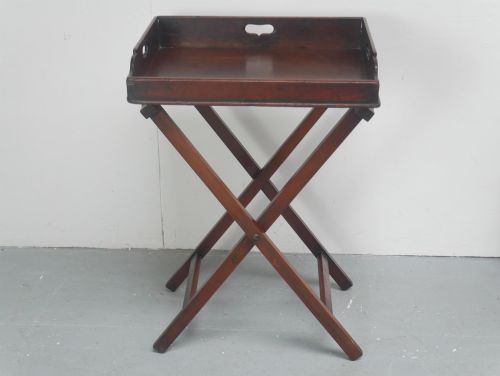
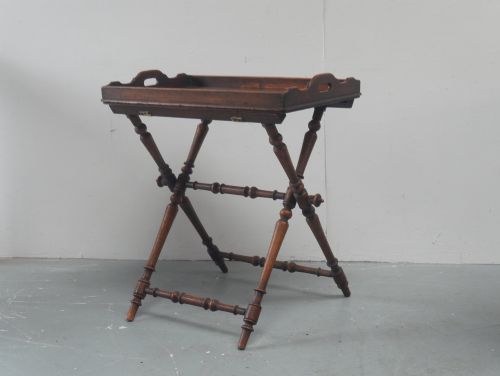
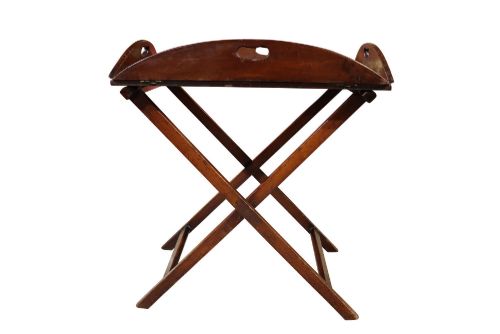
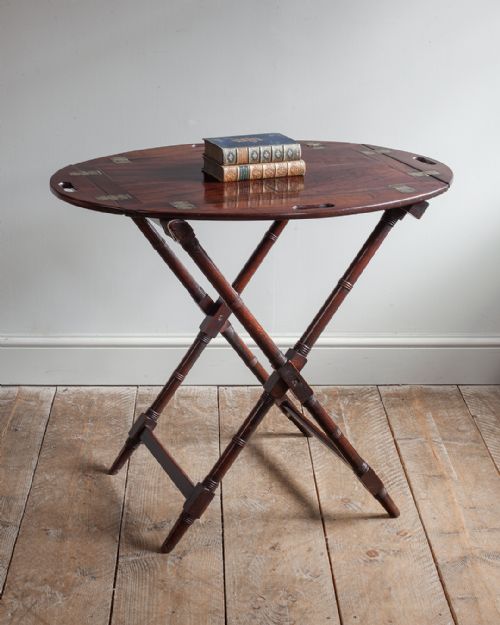
Buyers will most frequently encounter the classic butler tray paired with a folding stand, constructed predominantly in mahogany or oak. These pieces range from simple serving trays with carrying handles to comprehensive tray tables and two tier tea trolleys.
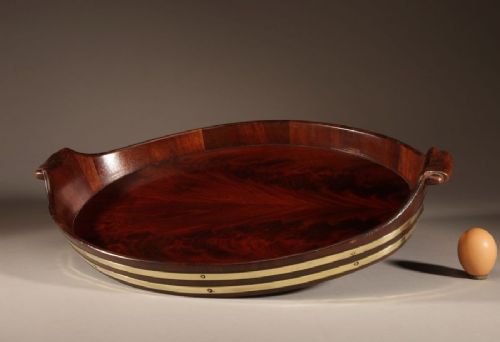
The selection also extends to specialised forms such as oval coopered timber trays, silver plated salvers, and Japanese sake sets complete with small cups. Each object reflects the social rituals of its period, balancing domestic utility with craftsmanship.
How they were made
Cabinet makers relied primarily on dense hardwoods such as mahogany and oak to construct the bodies and folding stands of these trays, ensuring structural integrity for heavy service. Joinery techniques varied from traditional dovetailing to secure raised rims and handled cutouts.
Metal components such as brass accents, silver plate, and gold leaf finishings were frequently integrated to enhance decorative appeal and protect high wear edges. Carved ornamentation, engraved surfaces, and specialised lacquer work appear on specific regional and period variants.
Traditional Drinks Tray Retail Price Guide 2026
Typical asking prices for traditional drinks tray among the pieces listed under this phrase on Sellingantiques today, from the lower quarter to the upper quarter. They describe what is for sale here now, not the wider market.
Some early trays feature coopered wooden walls originally borrowed from barrel making techniques, proving that a good drinking vessel deserves a sturdy fence.
What varies in quality
Quality in a traditional drinks tray is determined by the selection of timber and the precision of the joinery connecting the tray surface to its folding stand. Superior pieces display carefully matched wood grain, solid brass hardware, and crisp hand carving rather than mechanical shortcuts.
The integration of original stands and hardware significantly elevates a piece, as many trays have been separated from their original supports over time. Depth of engraving on silver plated salvers and the durability of lacquer work similarly divide standard utility items from finer examples.
The Traditional Drinks Tray Glossary
- Butlers tray
- A portable wooden tray with raised sides, often featuring hinged flaps or hand cut carrying grips, designed to sit upon a dedicated folding stand. These items formed an essential part of domestic service in large households.
- Salver
- A flat metal tray, typically silver plated, used for presenting glasses, letters, or calling cards. They usually feature an engraved surface and a decorative raised rim.
- Coopered
- A construction method utilising vertical staves of wood bound together with metal bands, traditionally used in barrel making and adapted for oval trays. This technique provides exceptional structural strength.
- Tray table
- A piece of furniture consisting of a removable serving tray positioned atop a rigid or folding base, functioning as an occasional table. They combine the mobility of a tray with the height of a side table.
- Sake set
- A traditional Japanese serving assembly comprising a small table and matching cups utilised for drinking rice wine. These sets demonstrate distinct regional styles from the early twentieth century.
Traditional Drinks Tray: Frequently Asked Questions
What is a butlers tray on stand?
A butlers tray on stand combines a removable wooden serving tray with a collapsible wooden base, allowing the entire unit to be easily moved and stored. This dual function made them practical for serving afternoon tea or drinks in various rooms of the house.
Over time, these pieces transitioned from functional service items into decorative occasional furniture. Today they serve effectively as side tables in living spaces while retaining their historical character.
How do I date a wooden drinks tray?
Dating a wooden drinks tray involves examining the timber species, construction methods, and hardware style. Mahogany and heavy oak often point to Georgian or Victorian origins, whereas lighter oak variants frequently align with the Edwardian period.
Tool marks, screw types, and the presence of original stands provide further clues to the manufacturing era. Comparing the piece against known period styles helps narrow down its age.
Were these trays used only for drinks?
While primarily designed for carrying glassware, teacups, and decanters, these trays served multiple domestic purposes. They were frequently employed during garden parties, veranda gatherings, and formal afternoon teas.
Their portable nature meant staff could clear rooms rapidly or transport provisions between floors. This versatility explains their diverse sizes and structural forms.
How do I care for antique wood and silver?
Antique wooden trays require regular dusting with a dry cloth and occasional treatment with suitable wax to preserve the timber grain and finish. Avoiding direct sunlight and extreme humidity prevents the wood from warping or cracking.
Silver plated salvers benefit from gentle cleaning with specialised silver polish to maintain their reflective surface without harming the engraved details. Proper handling ensures these materials endure for daily use.