
Carved Turned Leg Stand
A carved turned leg stand brings solid timber architecture into a room through shaped supports and functional surfaces.
Carved Turned Leg Stand
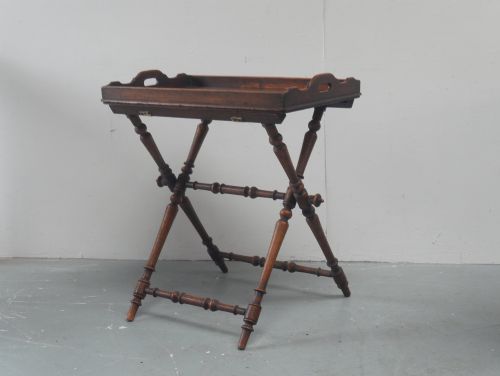
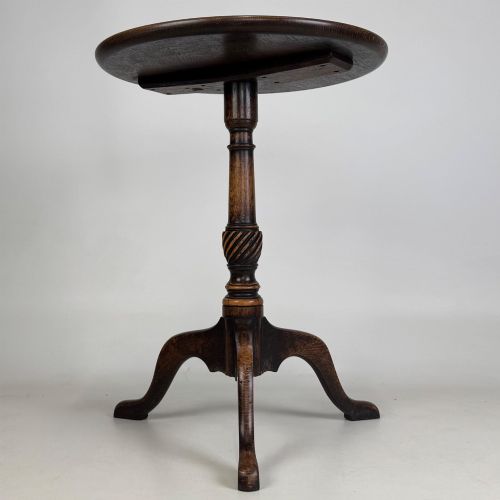
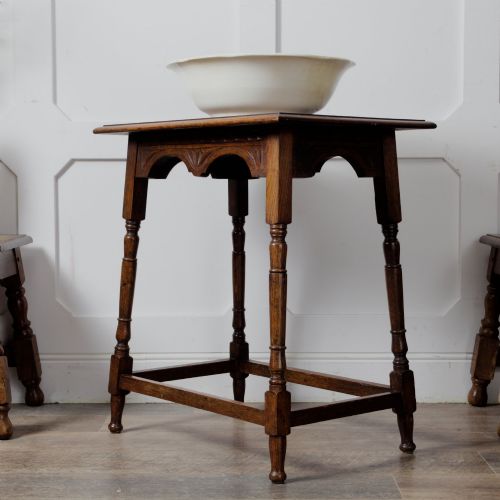
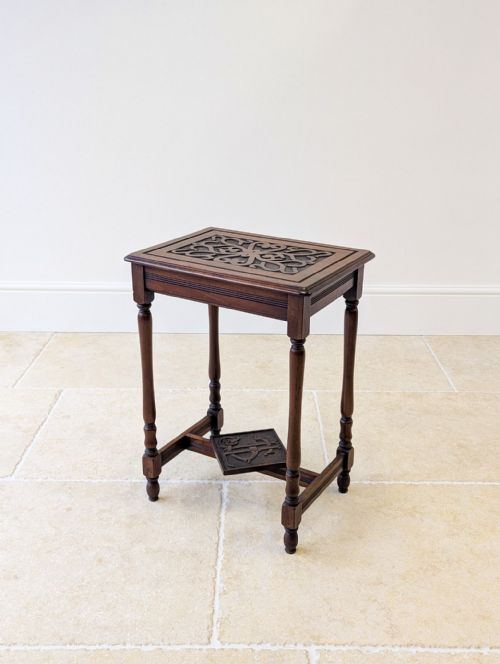
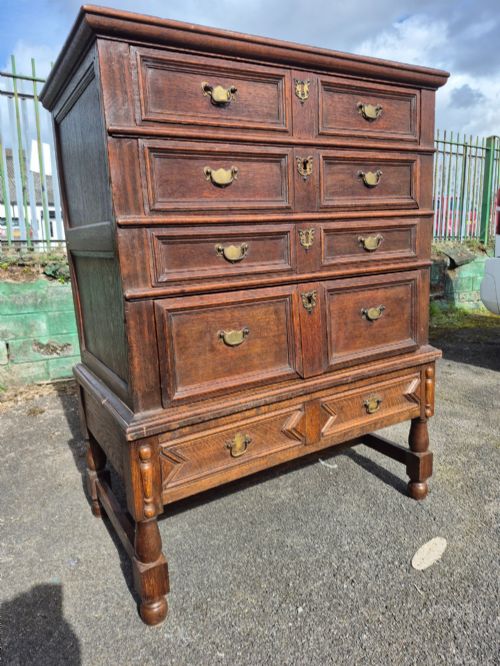
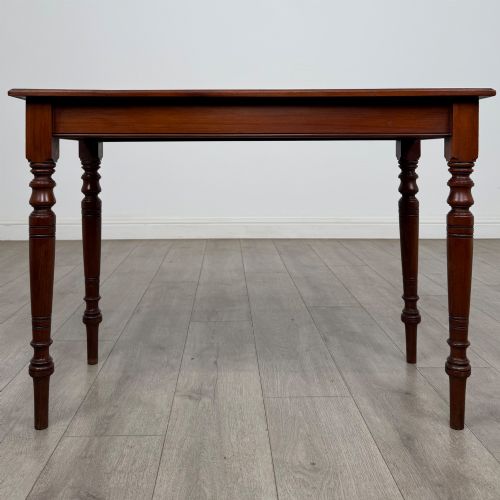
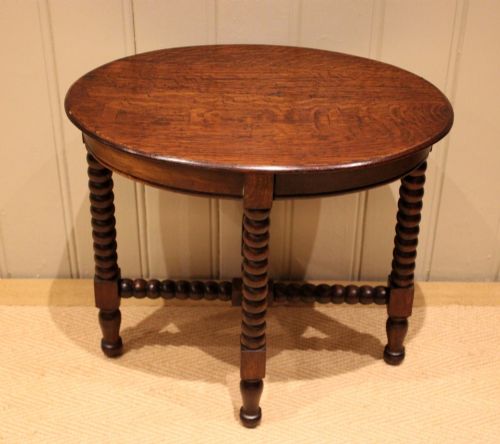
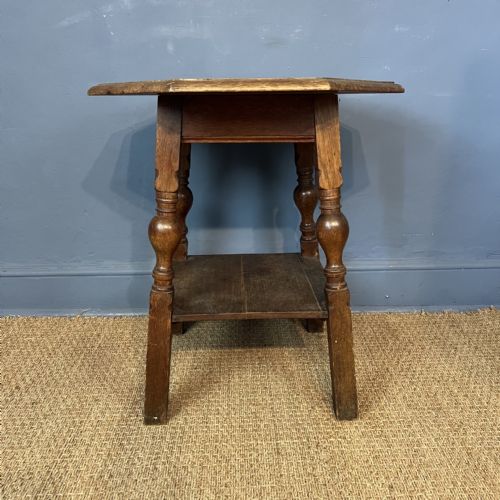
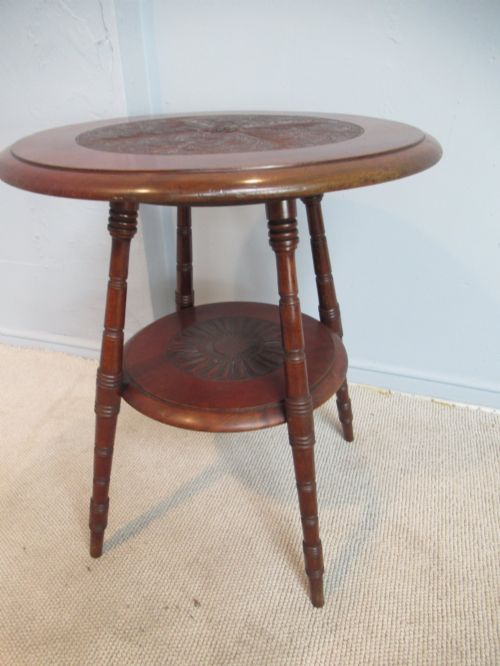
A carved turned leg stand encompasses a variety of compact furniture forms designed for display or utility, spanning side tables, stools, occasional tables, and cabinets on stands. These items emerge primarily from the nineteenth and early twentieth centuries, alongside earlier revivals and seventeenth-century roots, reflecting domestic needs across multiple eras. Buyers seek a carved turned leg stand to introduce tactile timber texture and sculptural leg work into hallways, living spaces, or bedrooms.
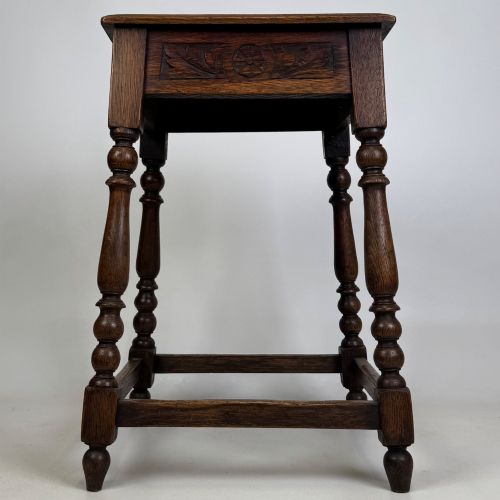
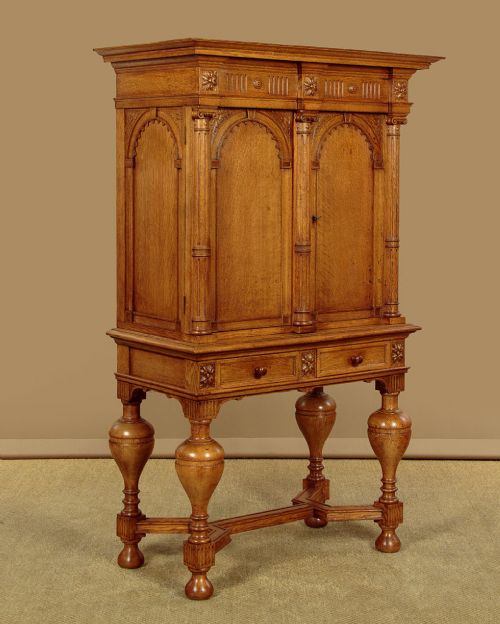
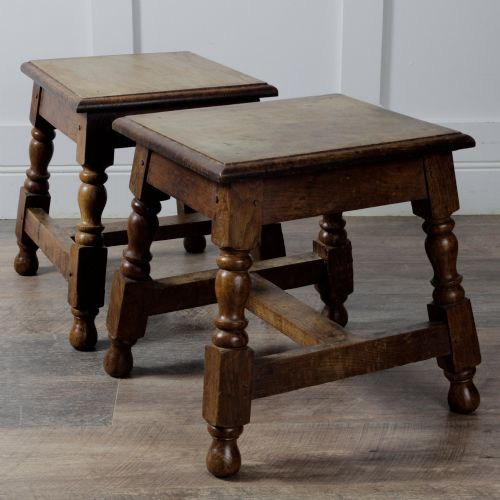
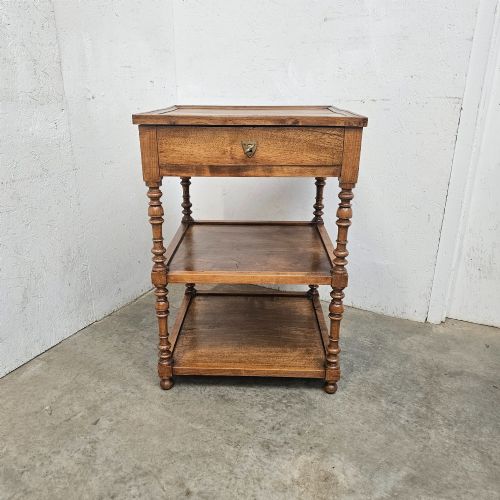
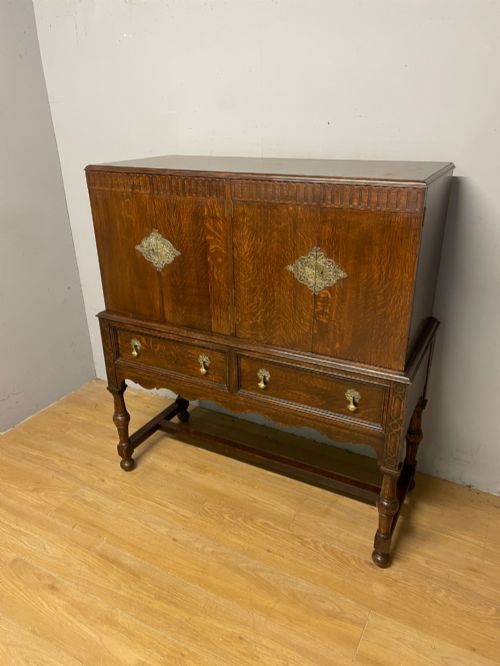
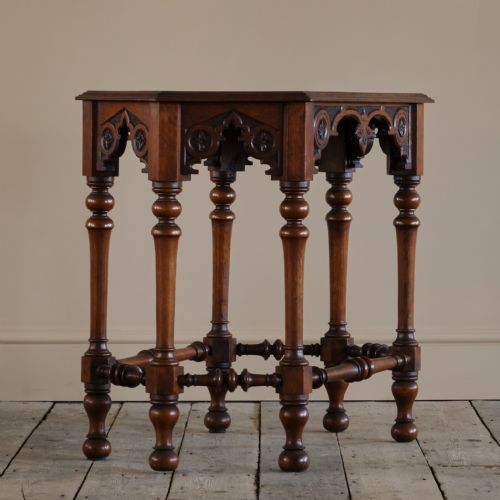
The selections available here lean heavily toward oak, walnut, and mahogany, taking shapes such as small lamp tables, plant stands, joint stools, and multi-tiered etageres. Pieces from the Victorian and Edwardian periods dominate the physical record, supplemented by earlier styles like Jacobean, William and Mary, and Dutch Renaissance revivals. Each form utilises the signature turned and carved leg to elevate the surface above the floor, whether supporting a butler tray, an oval top, or a cabinet body.
What varies in quality
The definition of the hand carving and the crispness of the lathe turning set the finest examples apart from standard utility items. Sharp, deep relief work on the timber reveals the hand of a skilled maker, whereas softened or shallow tool marks suggest mass production.
The choice of primary wood and secondary framing timber dictates structural integrity and longevity. Solid hardwood construction with balanced grain patterns maintains stability over decades, whereas lesser pieces rely on thin veneers over secondary softwoods that show strain at the joints.
One determined maker sliced tree branches into tiny oyster shapes just to make a cabinet look like a seafood platter.
The Carved Turned Leg Stand Glossary
- Turned leg
- A pillar or support shaped on a lathe by rotating the timber against a cutting tool. This method produces symmetrical patterns such as bobbin, baluster, or spiral columns.
- Oyster veneer
- Small circular or oval slices cut across the branches of a tree, such as olive wood, and laid in geometric patterns across a surface. The technique creates a distinctive rippled grain effect reminiscent of oyster shells.
- Joint stool
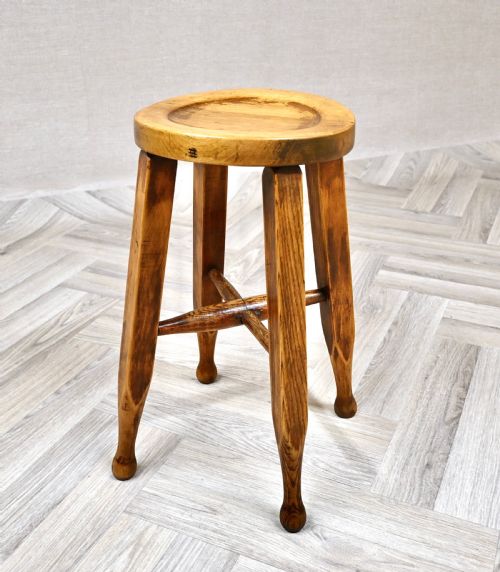
- A sturdy wooden stool constructed with mortise and tenon joints rather than turned legs alone. These pieces often served as casual seating or elevated stands for household items.
- Cabinet on stand
- A freestanding storage cabinet elevated on an open frame with four or more legs. This form raises the primary storage volume to a convenient height while lightening the visual mass of the furniture.
Carved Turned Leg Stand: Frequently Asked Questions
What rooms suit a carved turned leg stand best?
These versatile stands fit comfortably beside armchairs as lamp surfaces or in hallways to hold decorative items and small essentials. Their compact footprints allow them to occupy awkward corners or narrow passages without crowding the floor area.
Living rooms and studies benefit particularly from the tactile warmth of turned timber legs and carved aprons. They anchor small vignettes of books, plants, or lighting while introducing period character.
How do I identify a Jacobean revival piece?
Jacobean revival furniture mimics the heavy, geometric forms and dark oak surfaces of seventeenth-century English design. Look for chunky turned legs, strapwork carving, and low-slung stretchers connecting the supports near the floor.
Cabinetmakers working in the nineteenth and early twentieth centuries revived these styles to satisfy demand for historic domestic interiors. The timber weight and construction methods usually distinguish these later interpretations from genuine seventeenth-century originals.
Can these stands support heavy plants or lamps?
Solid hardwood construction ensures these tables and stands can bear the weight of standard table lamps, books, and potted plants safely. The sturdy nature of oak, walnut, and mahogany frames provides reliable daily support.
Heavier items should be centred on the top surface to maintain balance across the narrow legs. Checking the tightness of the leg stretchers and joints guarantees long-term stability under regular loads.
What is the difference between an occasional table and a side table?
An occasional table is typically light and portable, designed to be moved around a room as needed for temporary tasks. A side table usually maintains a more permanent position against a wall or beside a larger piece of furniture.
Both forms utilise turned legs and decorative timber tops within domestic settings. The distinction often lies in how easily the piece can be shifted to accommodate daily activities.