




Antique Bar Side Table
These antique bar side table pieces bring period hospitality home, ranging from robust pub tables to wheeled drinks trolleys.
Antique Bar Side Table
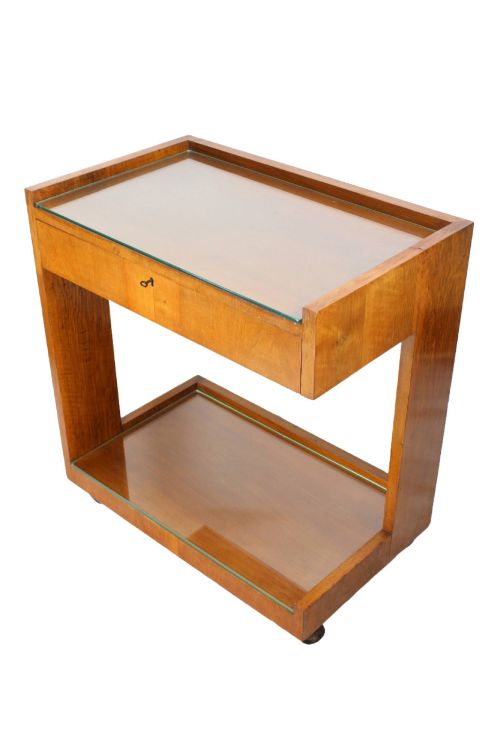
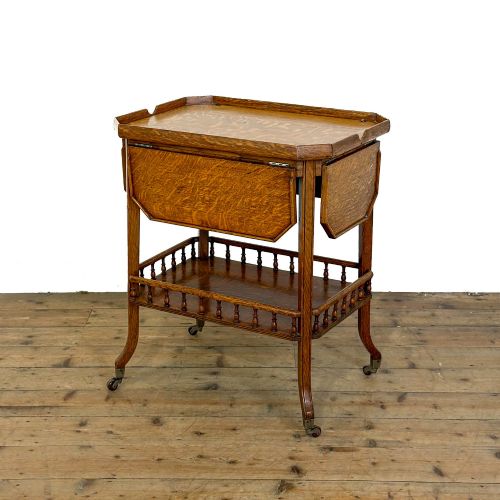
An antique bar side table encompasses versatile serving furniture designed for hospitality, including pub tables, drinks trolleys, tea trolleys, and butlers trays on stands. When searching for this phrase, buyers encounter pieces spanning from the Regency and Victorian eras through the Edwardian period and the 1930s and 1940s.
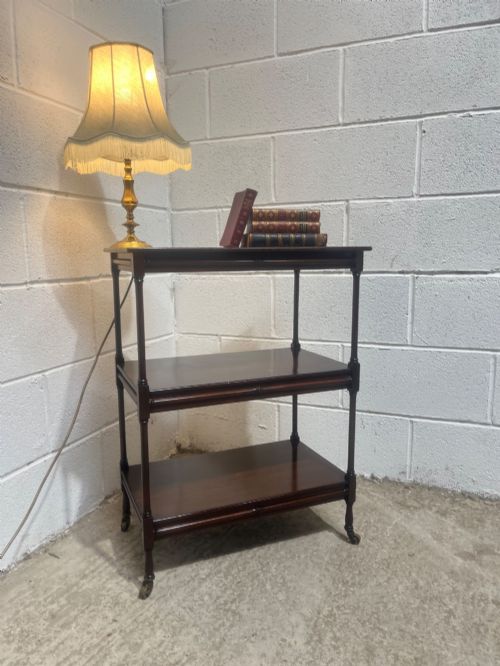
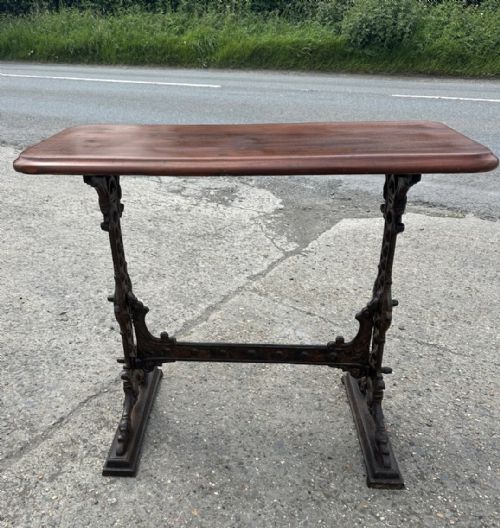
The version most commonly met on this page is the sturdy pub table featuring a cast iron base and a wooden top, alongside tiered mahogany or oak trolleys. These items reflect social drinking and serving habits of past centuries, utilising hardwoods and metals built for regular use in domestic and public spaces.
How they were made
Makers constructed these tables predominantly using solid timbers such as mahogany, oak, and walnut, frequently pairing them with structural cast iron bases for stability. Glass components appear in trolleys, while brass hardware and textile elements accent selected items.
Joinery techniques ranged from traditional cabinetmaking for folding butlers trays and metamorphic drinks chests to industrial casting for pub table pedestals. Inlaid details and turned supports add decorative refinement to the structural timber frames.
Antique Bar Side Table Retail Price Guide 2026
Typical asking prices for bar side table among the pieces listed under this phrase on Sellingantiques today, from the lower quarter to the upper quarter. They describe what is for sale here now, not the wider market.
Listings feature items spanning the Georgian era, Regency period, Victorian age, Edwardian years, and the 1930s and 1940s.
What varies in quality
The standard of an antique bar side table depends on the selection of timber grain, the precision of the joinery, and the integrity of the materials. Pieces featuring figured mahogany or well-selected walnut sit higher in the range than utility pine or plain stained hardwoods.
Originality of components defines the superior examples, particularly where cast iron pub bases retain their early surfaces or where mechanical actions in metamorphic drinks chests operate smoothly. The weight and casting crispness of iron elements distinguish better workshop output from standard production.
The Antique Bar Side Table Glossary
- Butlers tray
- A portable wooden tray with hinged or fixed sides, designed to sit upon a folding wooden stand. These were utilised for serving drinks and clearing glasses.
- Metamorphic
- Describing furniture that transforms from one form into another, such as a side table concealing a drinks chest or compartment. This clever design preserved floor space in period rooms.
- Barley twist
- A type of turned furniture leg or support shaped in a helical spiral resembling twisted barley. It became popular during the seventeenth century and saw revivals in Victorian and Edwardian joinery.
- Britannia
- A specific style of heavy cast iron pub table base featuring the seated figure of Britannia. These sturdy frames provided essential stability for nineteenth-century tavern use.
- Sabre leg
- A concave sweeping table or chair leg that curves outward towards the floor, characteristic of Regency design. This form borrows inspiration from classical military sabres.
Antique Bar Side Table: Frequently Asked Questions
What is an antique bar side table?
An antique bar side table is a serving piece, pub table, or drinks trolley from the eighteenth, nineteenth, or early twentieth century. These items were built to hold glassware, bottles, and refreshments in homes and taverns.
They combine practical surfaces with period materials like mahogany, oak, and cast iron, serving as both functional furniture and historical decor.
How were pub tables used?
Pub tables provided sturdy, heavy surfaces for patrons to place drinks and meals in busy nineteenth-century taverns and inns. Their cast iron bases ensured the furniture stayed firmly planted on uneven floors.
Domestic versions adapted this robust engineering for home entertaining and casual dining spaces.
How do I identify a Victorian table?
Victorian tables often display dense mahogany or oak construction, sometimes incorporating heavy cast iron Britannia pedestals or elaborate turning. Dates frequently align with the reigns of nineteenth-century monarchs.
Look for period construction methods, traditional joinery, and patination accumulated over decades of use.
Are drinks trolleys practical today?
Drinks trolleys and tiered side tables offer mobile surface space for serving beverages and displaying decorative objects in modern interiors. Their wheels and multiple tiers maximise utility in compact rooms.
Solid timber and metal construction ensures these vintage pieces handle daily use just as they did a century ago.