

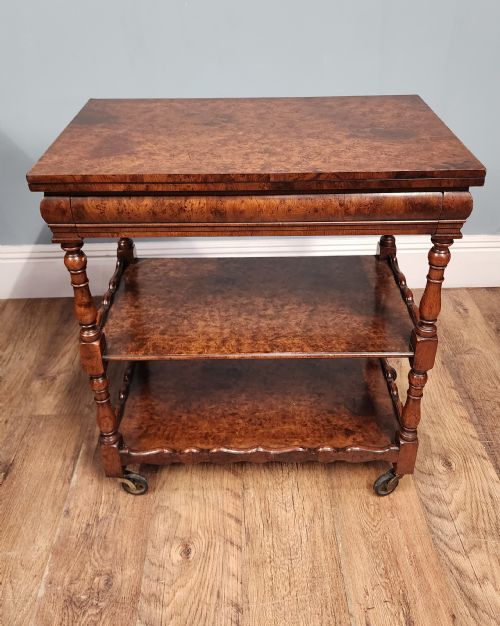
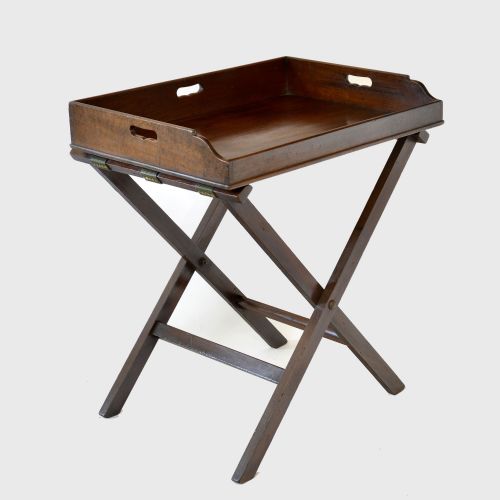
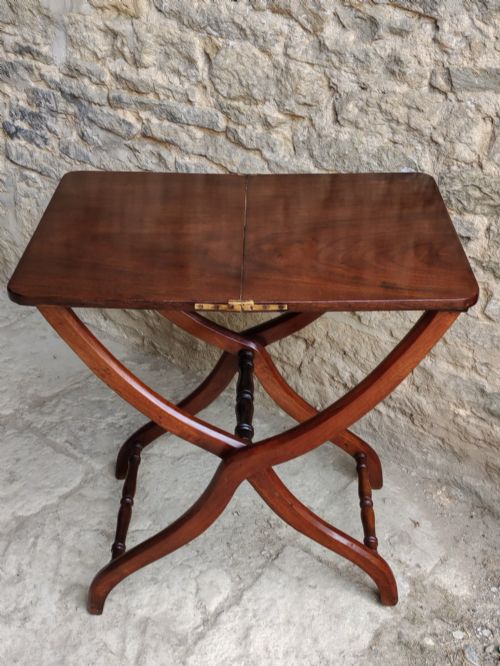
Wooden Butler Table
A wooden butler table combines a detachable serving tray with a folding stand, offering practical surface space rooted in historic domestic service.
Wooden Butler Table
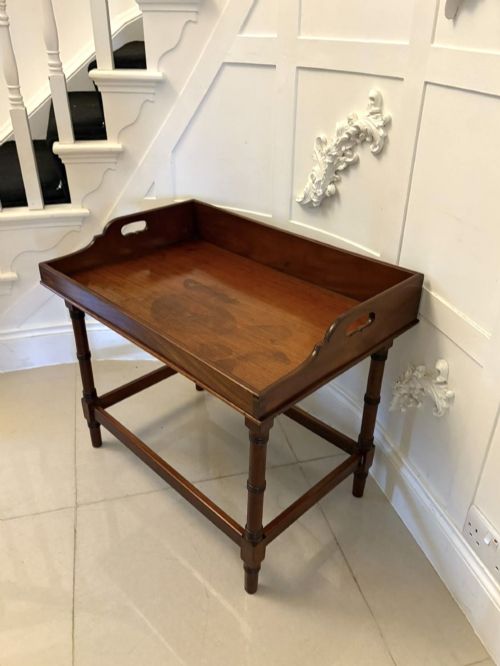
A wooden butler table typically comprises a raised-edge tray resting on a collapsible or fixed stand, designed originally for carrying and serving refreshments. The form evolved through the Georgian, Victorian, and Edwardian eras, moving from utilitarian basement service rooms to main living spaces.
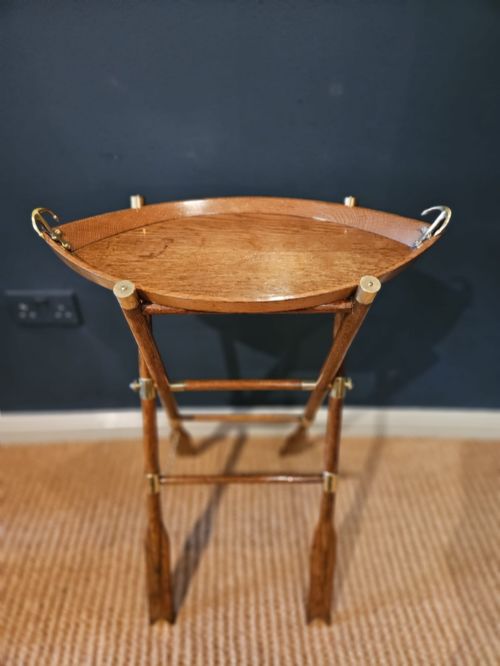
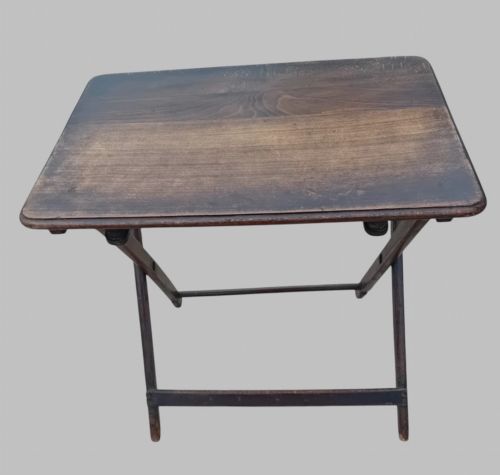
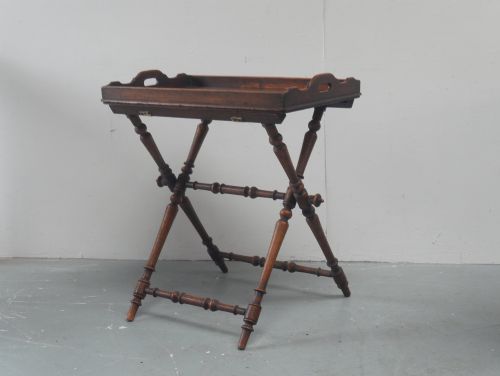
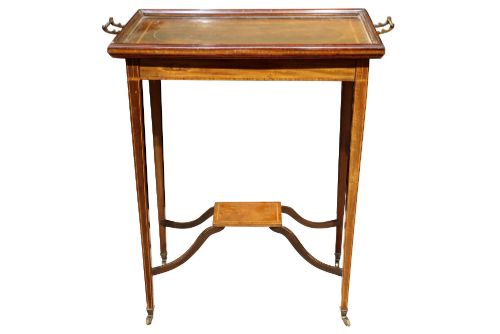
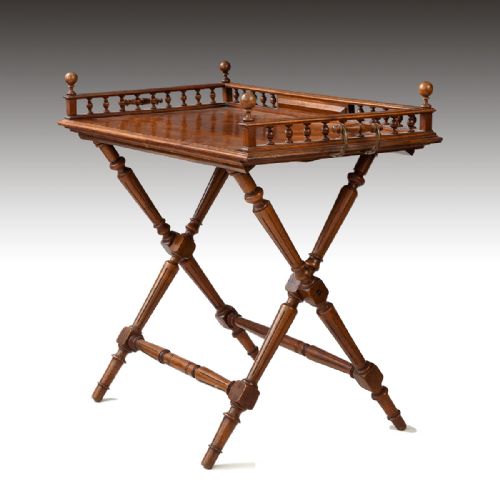
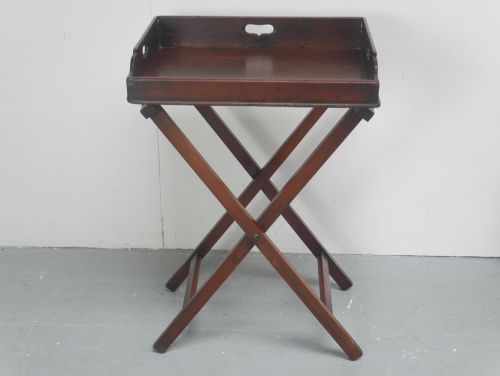
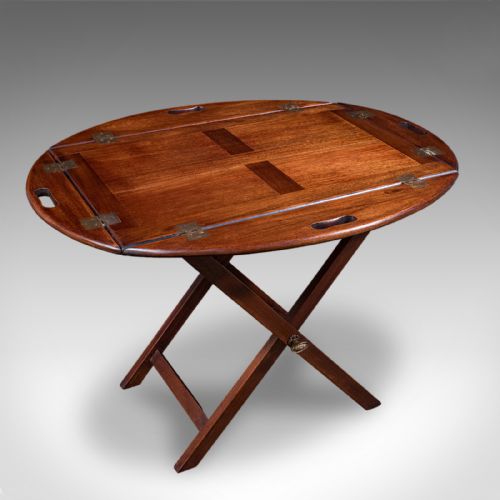
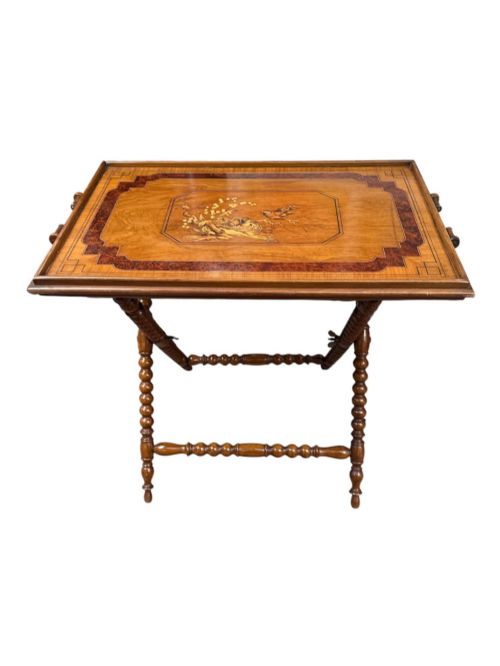
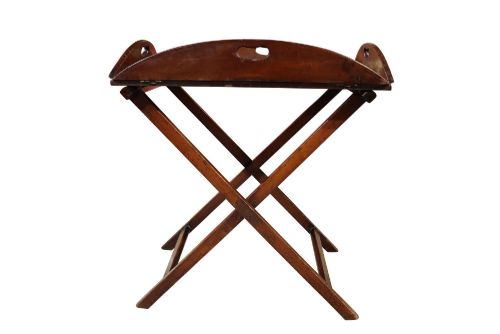
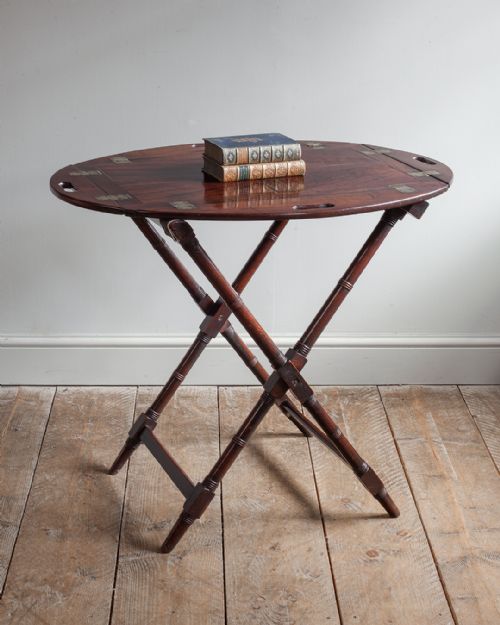
The version most commonly encountered on this page is the mahogany tray on a folding X-frame stand dating from the nineteenth century. Variations span from oval Georgian serving trays to Edwardian inlaid occasional tables and campaign-style folding beech versions.
Makers adapted the form into coaching tables, drinks stands, and coffee tables while retaining the characteristic cutout carrying handles or hinged drop-flaps. Pieces range from plain utilitarian oak and beech to elaborate Sorrento ware marquetry and walnut designs.
How they were made
Cabinetmakers constructed these tables primarily using dense hardwoods such as mahogany, oak, and walnut, often accentuating the surfaces with satinwood inlay or marquetry. Timber selection prioritised durability for frequent transport between kitchens and dining rooms.
Stands were engineered with folding mechanisms, incorporating brass hinges, butterfly joints, or pegged X-frames to allow compact storage when not in use. Tray edges frequently featured shaped rims with hand-cut apertures for lifting.
Finishes relied on traditional hand-rubbed polishes that protected the wood from moisture during serving while highlighting the natural grain and colour variations of the timber.
Some Victorian trays double as cheese truckles or map-topped cartographer surfaces, proving butlers carried more than tea.
What varies in quality
The standard of timber selection and joinery distinguishes basic utility pieces from high-status examples, evident in the thickness of the tray boards and the precision of the dovetail or mitred joints. Finer pieces employ figured mahogany or intricate marquetry rather than plain commercial veneers.
Originality of the pairing between tray and stand dictates collector appeal, as many replacement stands were paired with antique trays later. The robustness of the folding mechanism and the weight and quality of the brass fittings further separate standard workshop production from superior cabinet work.
The Wooden Butler Table Glossary
- Tray top
- A flat serving surface surrounded by a raised gallery or rim to prevent items sliding off. These rims often feature cut-out hand grips.
- X-frame stand
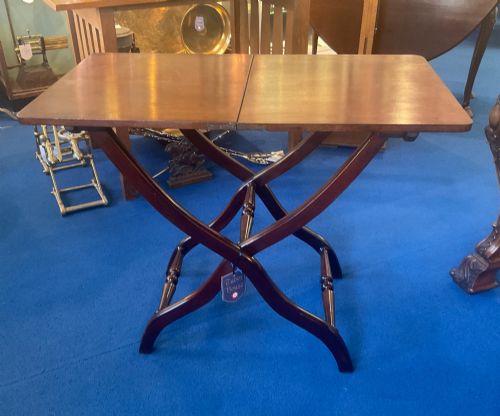
- A folding support structure formed by two pairs of crossed wooden legs linked by a central pivot or hinge. This design allows the entire base to collapse flat.
- Drop-flap
- A hinged section of the tray or table top that folds down when not in use. It extends the surface area quickly for serving.
- Sorrento ware
- Woodwork decorated with micro-mosaic marquetry, originating from an Italian coastal town. It often depicts scenic views or intricate geometric patterns on tabletops.
- Campaign style
- Portable furniture designed for military officers to pack and transport easily. It typically relies on folding elements and flush brass hardware.
Wooden Butler Table: Frequently Asked Questions
What is a wooden butler table?
A wooden butler table is a portable serving surface consisting of a removable tray placed upon a folding or fixed wooden stand. Originally utilised by household staff to carry food and drink, the form combines utility with domestic furniture.
Today, these pieces function as versatile side tables, coffee tables, or occasional stands in modern interiors. Their folding capability makes them practical for flexible living spaces.
How do I distinguish an 18th-century piece?
Eighteenth-century examples often display deep Georgian mahogany patination, hand-cut dovetail joints, and oval or rectangular trays with solid shaped galleries. The timbers used in this period typically show denser grain and heavier mass.
Later Victorian and Edwardian iterations frequently introduce machine-sawn components, lighter satinwood stringing, or different structural woods like beech and oak. Examining the construction of the tray base helps establish the manufacturing period.
Are the tray and stand always original to each other?
Many trays and stands were separated over centuries of domestic use, leading workshops and dealers to reunite compatible pieces from similar periods. Original pairings display matching timber ageing, wear patterns, and appropriate scale.
While married pieces remain entirely functional and collectable, matching provenance increases historical integrity. Checking the fit of the tray upon the stand reveals whether they originated together.
How can I use a butler table at home?
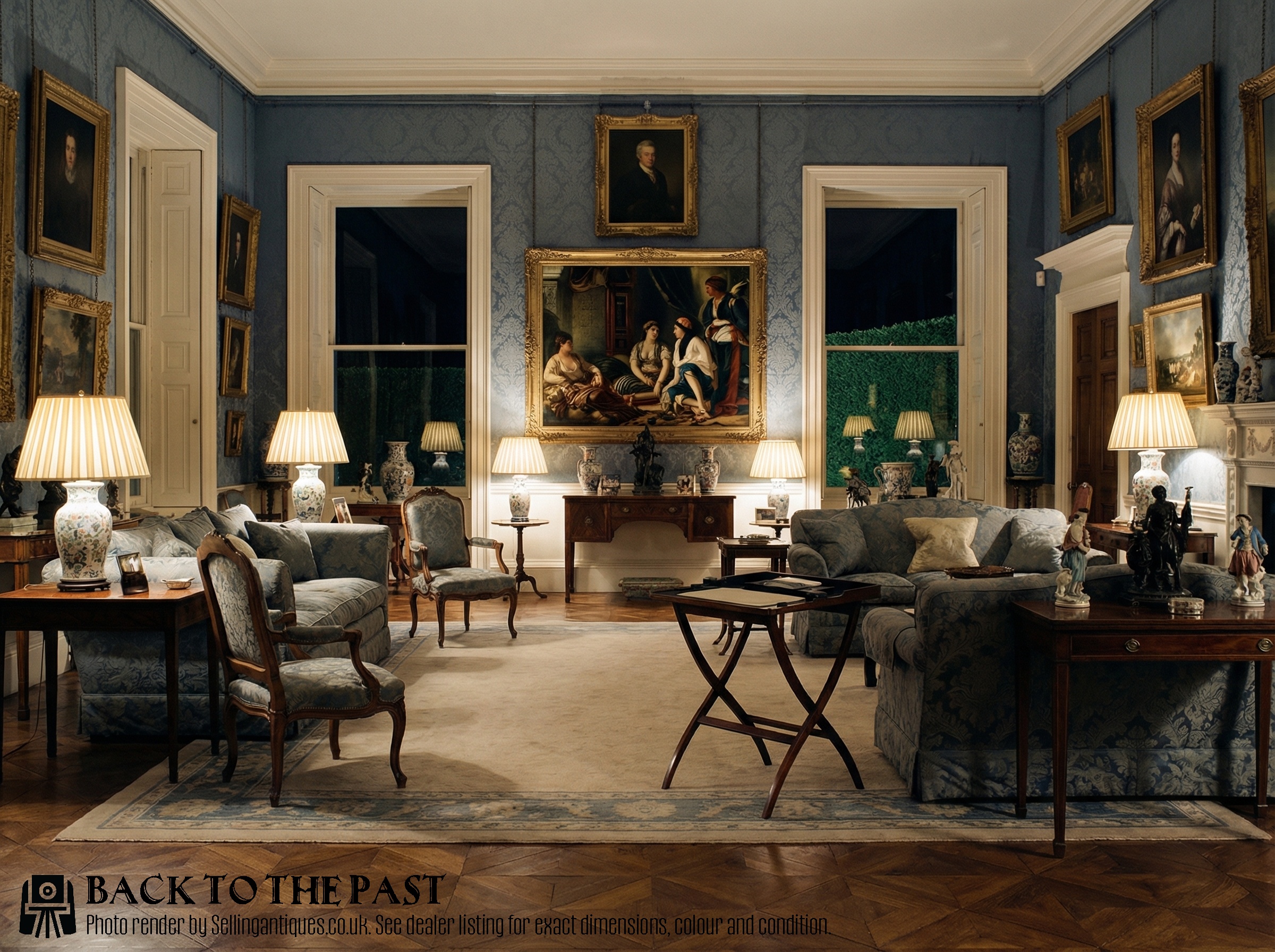
Butler tables suit living rooms as compact coffee tables or beside seating as lamp and occasional tables. The removable tray allows you to use the top independently for serving drinks or displaying decorative objects.
Because many stands fold flat, you can easily store the base when floor space is required. Their historic character adds warmth to both traditional and contemporary interior schemes.