

Traditional Dining Carver
These traditional dining carver options provide sturdy elegance at the head of the table, offering supportive arms for daily meals.
Traditional Dining Carver
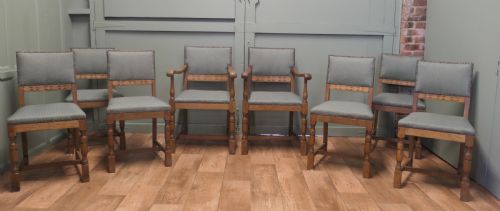
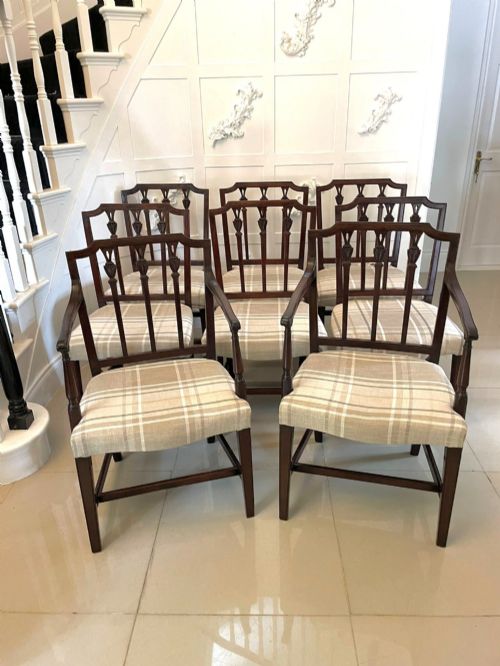
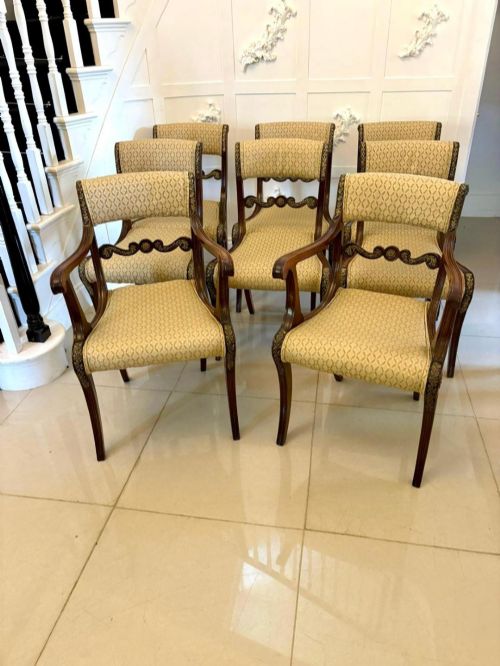
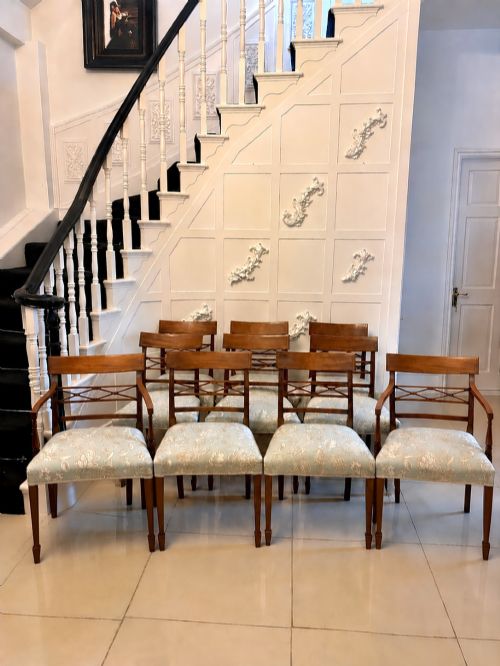
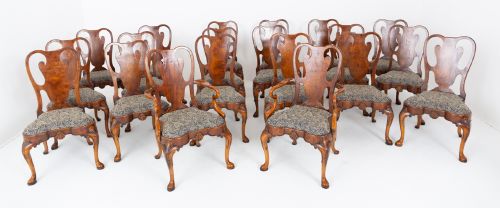
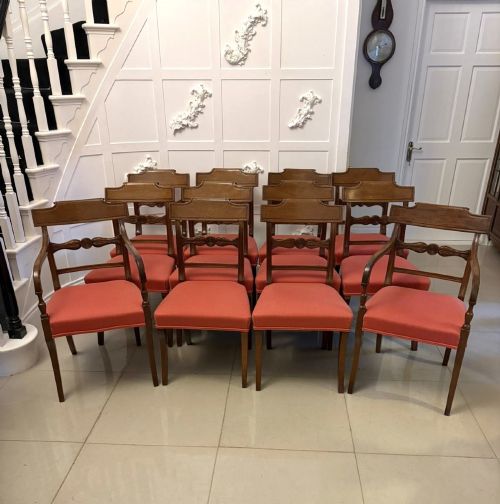
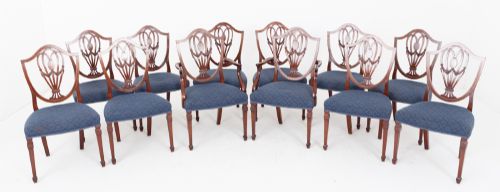
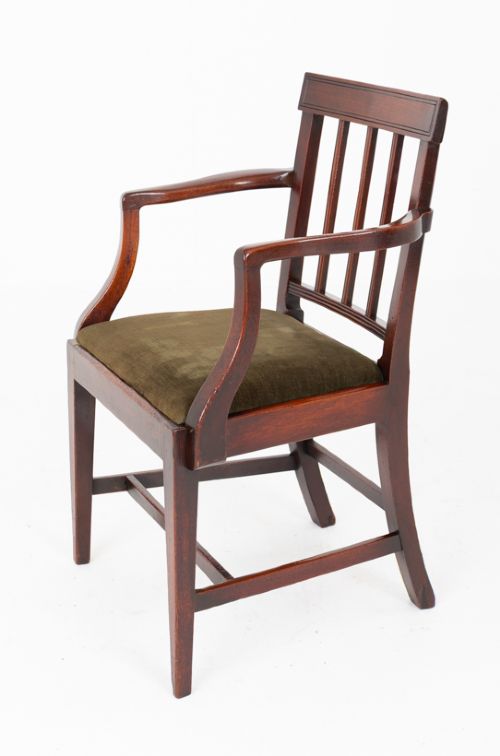
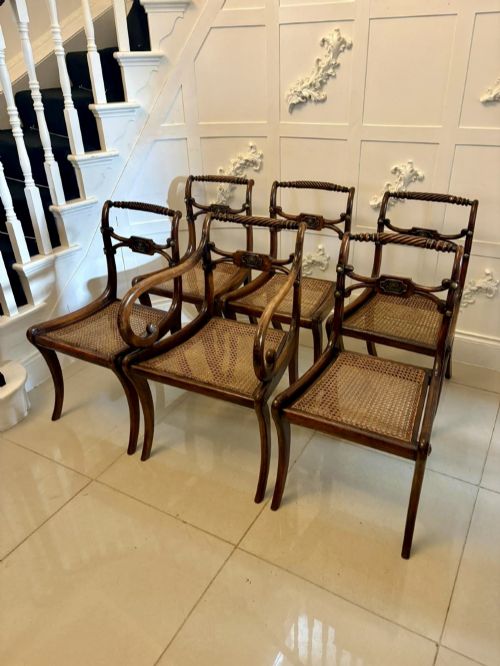
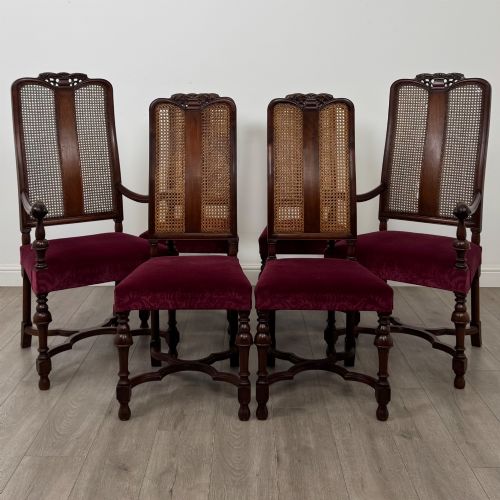
A traditional dining carver is an armchair designed specifically to sit at the head of a dining table, matching or complementing the smaller side chairs. These pieces appear across multiple historical periods, including the eighteenth, nineteenth, and twentieth centuries.
Originating from English workshops and provincial makers, these seating options combine functional armrests with decorative backsplashes. They ground a dining room with historical weight and practical comfort.
Distinctions in construction and design
The division between standard workshop output and exhibition quality lies in the crispness of the hand carving and the selection of figured timber grain. Superior examples display deeply sculpted arm supports and precisely fitted joinery that remains rigid over centuries of use.
Proportion and comfort further separate grades, as better carvers offer generous seat widths and well-raked backrests without sacrificing architectural balance. The integrity of the original wood frames dictates the overall standing of each piece.
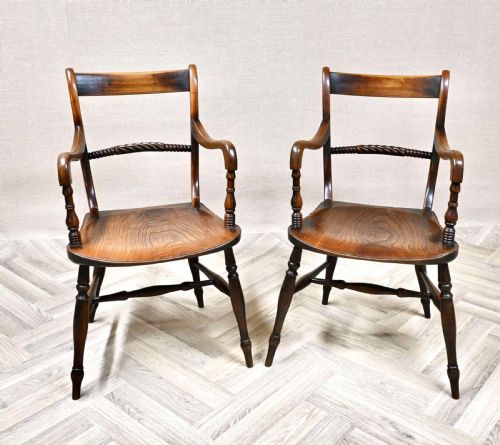
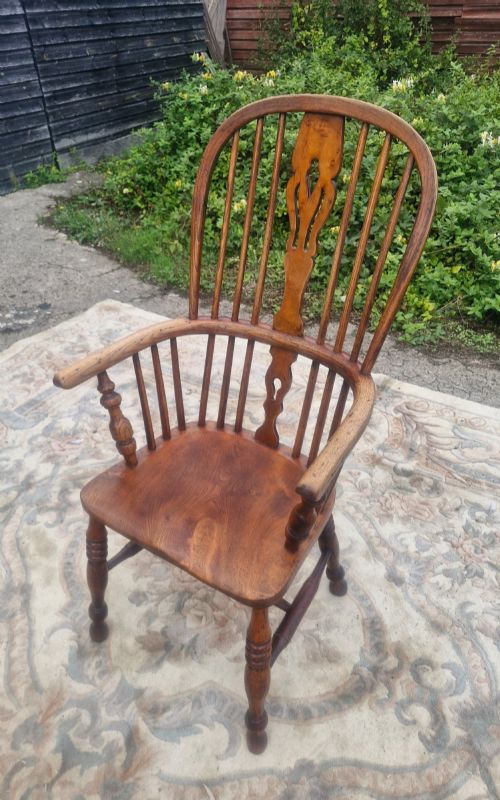
Country farmhouse kitchens gain immediate character when sturdy elm Windsor carvers pull up to the board.
Howard and Sons·Warings·Maple and Co·Alfred Allen of Birmingham
The Traditional Dining Carver Glossary
- Carver
- An armchair designed to match a set of dining chairs, traditionally placed at the head of the table. These provide supportive armrests for the host.
- Windsor
- A traditional wooden chair construction where legs and back spindles are wedged directly into a solid sculpted seat. Elm and ash are frequently utilised for these country pieces.
- Splat
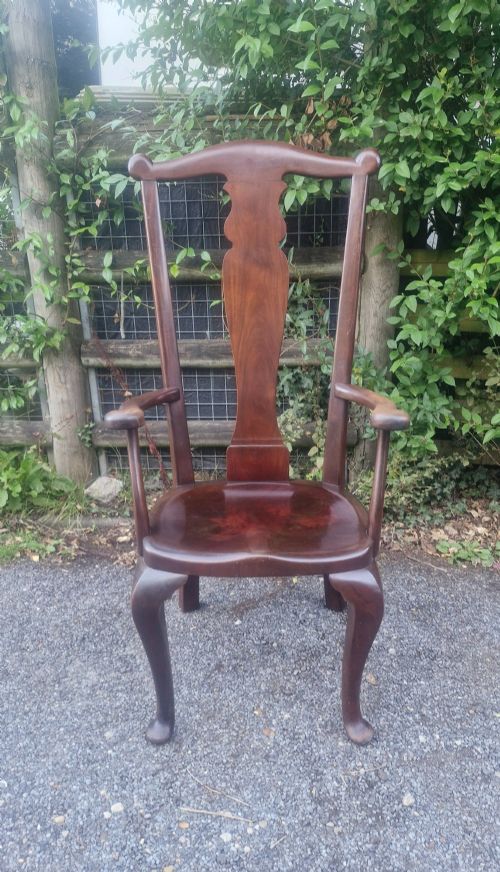
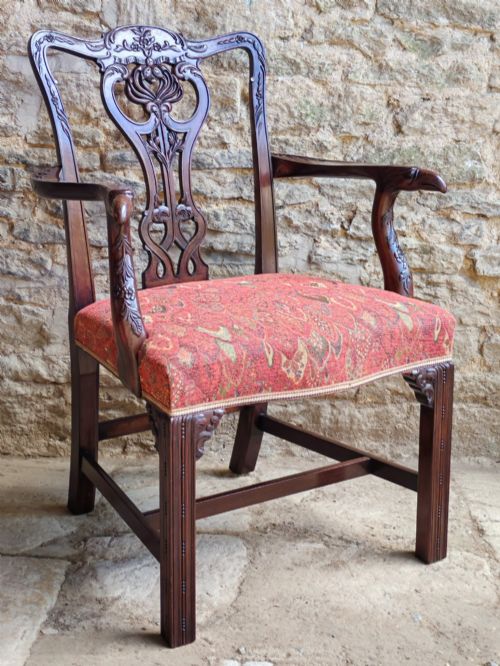
- The vertical central strip of wood running from the seat to the top rail of a chair back. Carved or pierced splats define many formal eighteenth and nineteenth-century styles.
- Ropetwist
- A carved decorative motif resembling a twisted rope, appearing on chair rails and arm supports. This detail adds texture to nineteenth-century mahogany frames.
Traditional Dining Carver: Frequently Asked Questions
How do I match a carver to my table?
Consider the height of the dining table apron to ensure the armrests of the carver slide underneath comfortably when pushed in. Matching the primary timber, such as mahogany or oak, helps maintain visual continuity.
Mixing revival styles with older tables is acceptable if the wood tones share a similar warmth and finish. Proportion remains key, ensuring the scale of the armchair does not overwhelm adjacent seating.
Can I use a single carver on its own?
A single carver functions admirably as a desk chair or as an accent piece in a hallway or bedroom. Its structural arms provide a distinct silhouette compared to standard side chairs.
Placing one at a writing desk highlights the craftsmanship of the carved backrest. These chairs add functional seating without requiring a full dining set.
What is the difference between Georgian and revival styles?
Georgian pieces were constructed during the eighteenth and early nineteenth centuries, bearing the direct influence of period designers. They display authentic age-related patina and period joinery techniques.
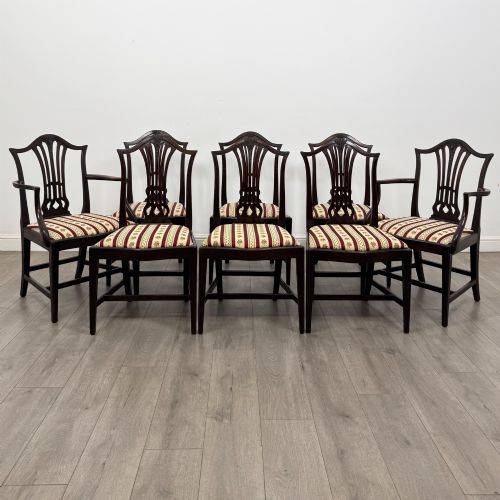
Revival styles were produced later, during the nineteenth and twentieth centuries, copying earlier aesthetics like Chippendale or Hepplewhite. These later interpretations allow buyers to acquire matching sets in larger numbers.
How do I care for antique upholstery?
Protect fabric and leather surfaces from direct sunlight to prevent fading and drying of the material over time. Regular gentle dusting preserves textiles without wearing down the fibres.
For leather components, occasional application of appropriate conditioning balms maintains suppleness. Professional cleaning is recommended for antique velvet and woven upholstery fabrics.