
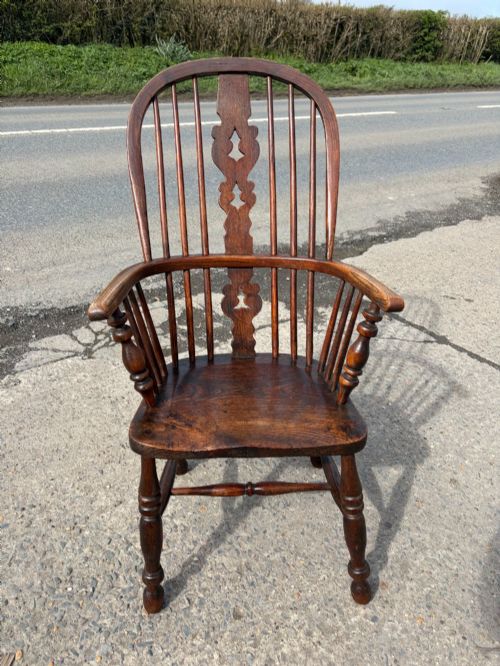


Beech Dining Armchair
A beech dining armchair brings sturdy vernacular character to the table, offering practical seating shaped by generations of English country makers.
Beech Dining Armchair
A beech dining armchair sits firmly within the English country tradition, serving as a sturdy carver or elbow chair for the table. When searching for a beech dining armchair, buyers encounter robust vernacular forms designed for everyday dining rather than formal drawing rooms.
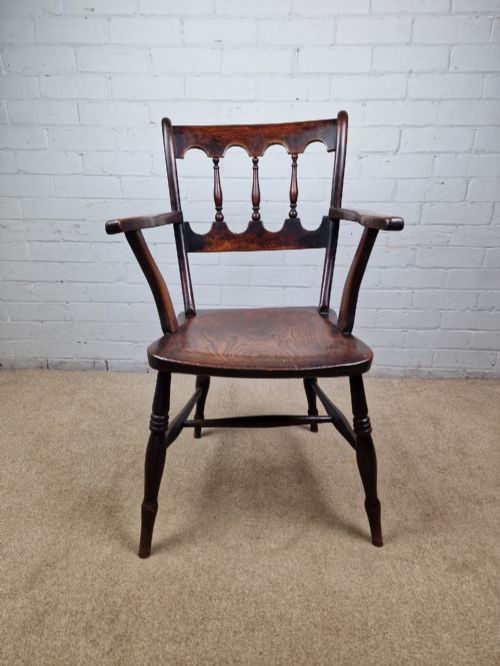
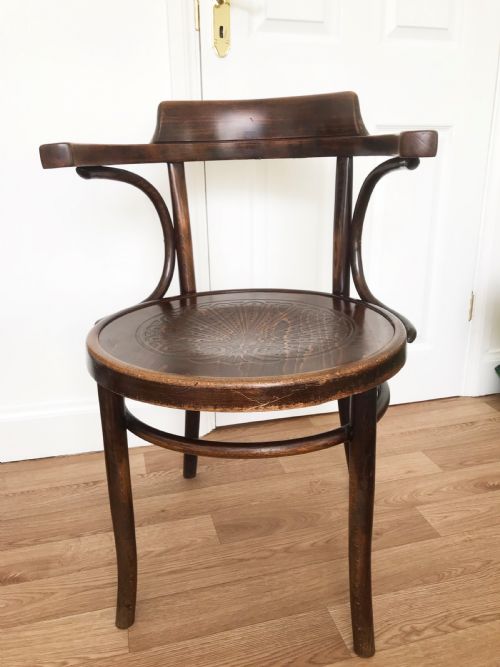
The evidence shows these chairs spanning the Victorian and Edwardian eras, alongside pieces from around nineteen-ten and nineteen-twenty. Common variations include Windsor designs with bar backs, splats, or wheels, as well as bentwood bistro models and grotto styles.
How they were made
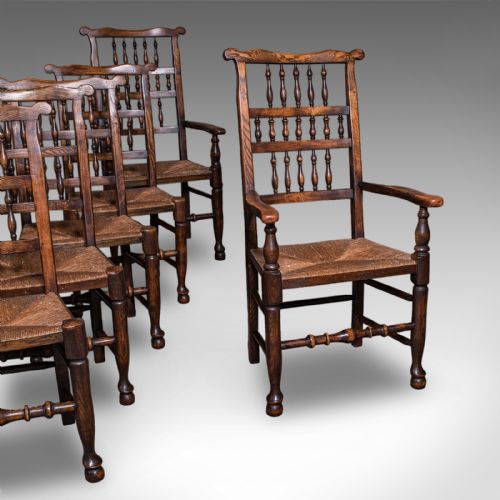
Maker workshops relied on regional timbers, pairing turned beech legs and spindles with solid elm seats and ash frameworks. This combination of woods exploited the specific strengths of each material, ensuring both rigidity and comfort in vernacular seating.
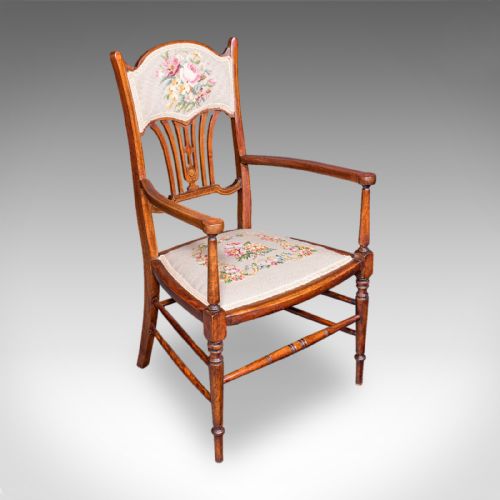
Bending techniques defined the production of bentwood carvers, while traditional Windsor construction utilised steam and pegged joints to secure spindles and arms. Surfaces were frequently stained or left as natural timber, sometimes accompanied by rush seating or textile cushions.
Listings feature beech combined with elm, ash, and rush across Victorian and Edwardian periods.
What varies in quality
Quality depends upon the integrity of the timber combination and the crispness of the original turning in the spindles and legs. Chairs that retain their original timber pairing, such as elm and beech, display a more harmonious balance of tone and wear.
Construction methods also distinguish standard production from finer workshop output, particularly in the tightness of pegged joints and the sculpted depth of solid wood seats. The presence of retained structural elements like original carver arms or well-fitted rush panels elevates the piece.
The Beech Dining Armchair Glossary
- Carver
- An armchair designed with elbow supports, traditionally placed at the head of a dining table. These pieces match or complement sets of smaller side chairs.
- Windsor
- A chair constructed with a solid wooden seat into which the legs and back spindles are directly bored and wedged. This traditional method provides exceptional stability.
- Bentwood
- Wood softened through steaming or boiling and then forced into curved shapes using metal straps and moulds. Thonet famously popularised this lightweight technique for bistro seating.
- Rush
- Dried marsh grass twisted into cords and woven tightly to form a supportive, resilient seat base. It appears frequently on traditional country dining chairs.
- Spindle
- A slender, turned wooden rod used decoratively and structurally in chair backs. Skilled turning produces clean lines and uniform thickness across these components.
Beech Dining Armchair: Frequently Asked Questions
Are beech dining armchairs comfortable for everyday use?
These armchairs were built for daily practicality, featuring supportive elbow rests and ergonomically shaped wooden seats. Many owners add loose cushions or textile pads to soften the wooden surface for longer dining sessions.
The sturdy construction of beech and elm provides reliable back support, making them well-suited as permanent seating around a family dining table.
How do I date a beech dining armchair?
Dating relies on observing construction details, timber characteristics, and stylistic markers associated with specific periods like the Victorian era or nineteen-ten. Vernacular country chairs often retain regional idiosyncrasies that point to their approximate decade of manufacture.
Comparing the turning style of the legs and the shaping of the arms against dated examples in the record helps narrow down the period of origin.
Can I mix these armchairs with modern tables?
The neutral tones of stained wood, beech, and elm allow these armchairs to pair naturally with contemporary wooden or glass dining tables. Their organic shapes soften minimalist interiors while adding historical texture to the room.
Placing a single carver at the head of a modern table creates a strong focal point without disrupting the clean lines of the space.
What is the difference between a carver and an armchair?
In historical furniture terminology, a carver specifically denotes an armchair designed to match a set of dining chairs, traditionally used by the host. These pieces share the design motifs and wood types of their smaller counterparts.
While all carvers are armchairs, the term places the seating firmly in the context of a dining suite rather than a parlour or library.