

Antique Desk Carver
An antique desk carver brings sturdy timber construction and generous elbow room to a study, serving as both a functional workspace seat and a handsome armchair.
Antique Desk Carver
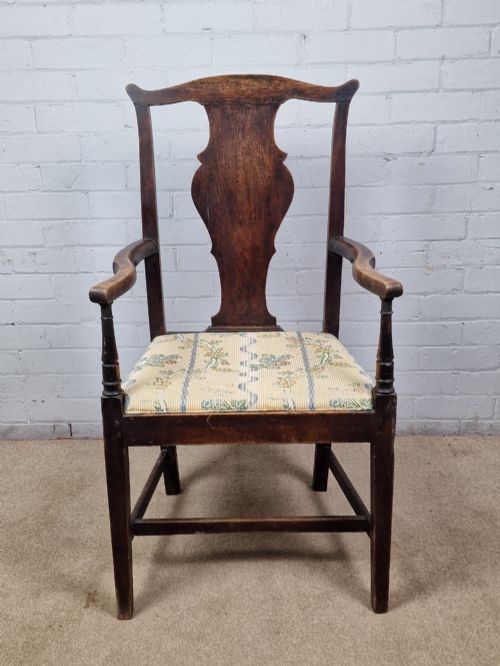
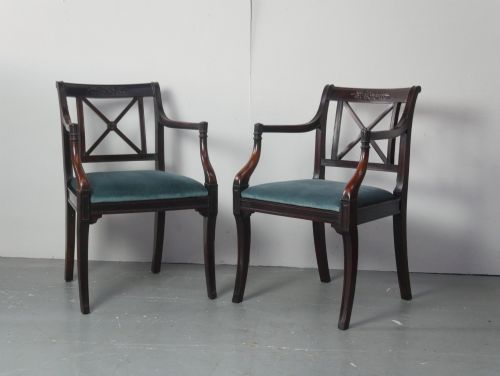
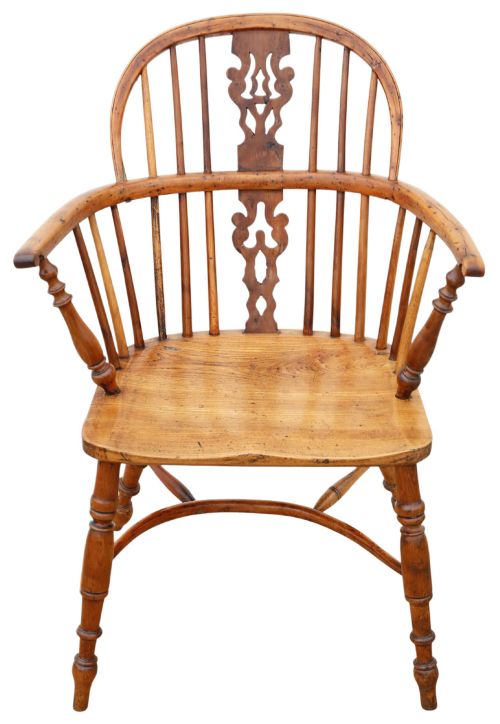
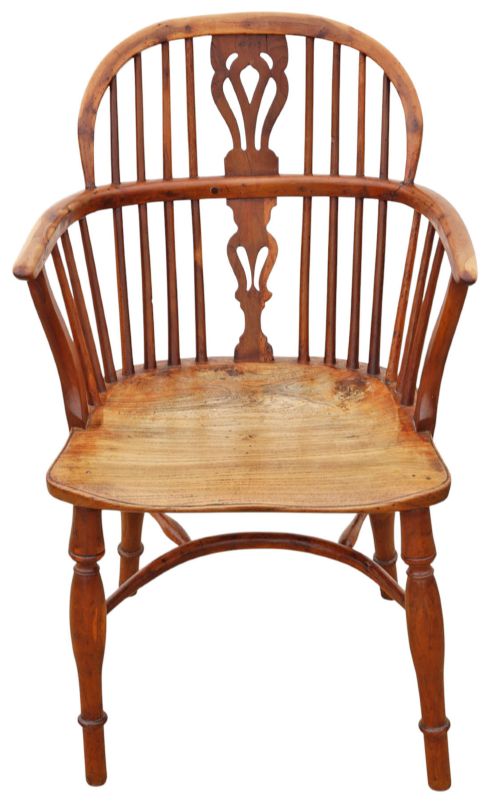
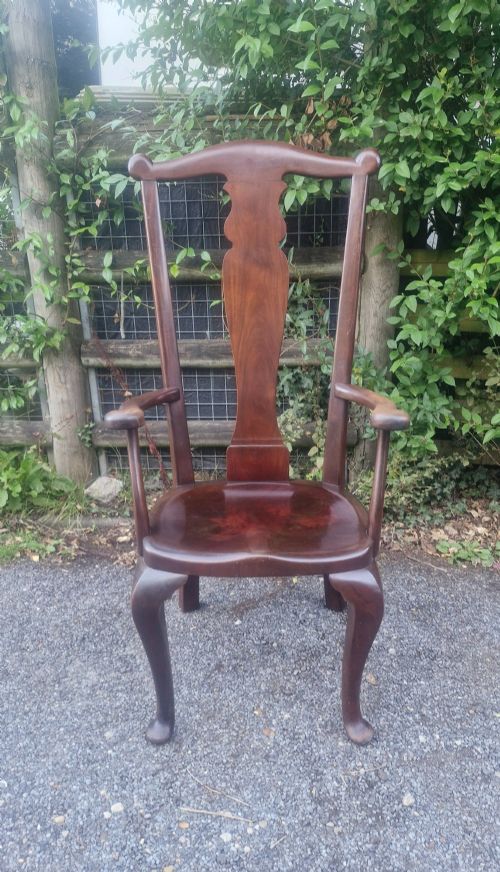
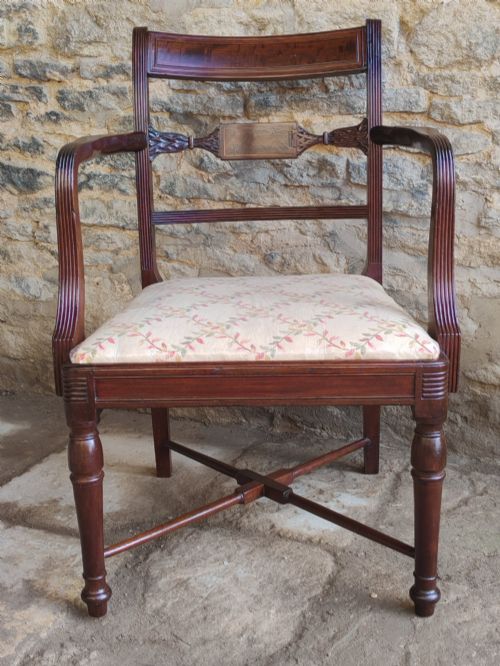
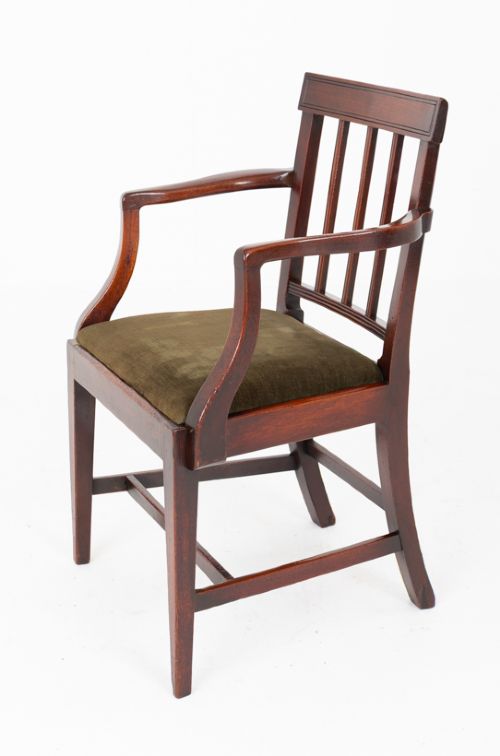
An antique desk carver bridges the gap between formal dining armchairs and functional office seating, often featuring wider proportions and supportive armrests designed for prolonged working at a writing table. You will frequently find these pieces rendered in rich mahogany or sturdy country hardwoods like elm and ash, reflecting both refined urban cabinet-making and utilitarian rural traditions.
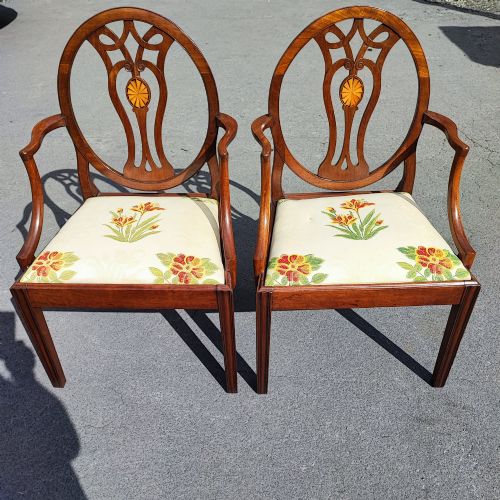
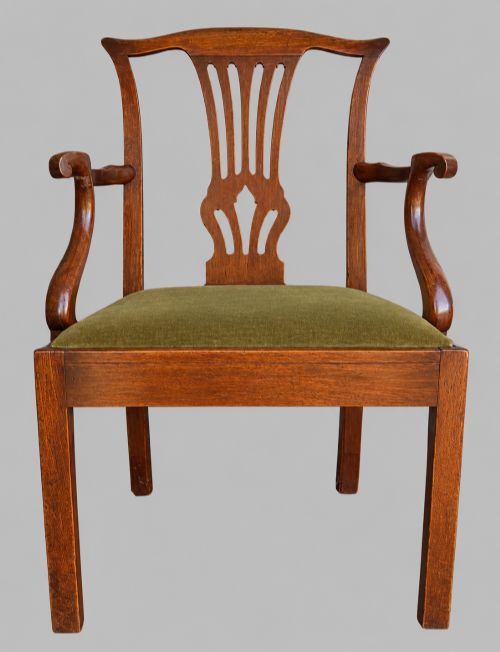
The surviving examples span major historical periods from the Georgian and Regency eras through the Victorian and Edwardian decades, each bringing distinct architectural traits to the workspace. While formal mahogany models display Chippendale or Sheraton styling, country variants embrace Windsor forms and stick-back construction.
These versatile elbow chairs appear under various historical labels including library chairs, morning room seats, and office carvers, yet they share a common lineage of sturdy joinery and comfortable arm support. Searching for this phrase reveals a diverse catalogue of seating that ranges from carved urban seating to vernacular country armchairs.
Materials and construction methods
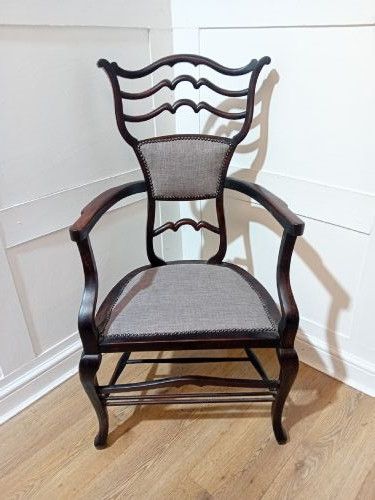
Cabinet-makers relied heavily on dense hardwoods such as mahogany, walnut, and oak for formal urban desk carvers, frequently incorporating fine inlay, carved splats, and curved bar backs. These formal seats often feature upholstered inserts in leather, fabric, or tapestry secured over supportive padding.
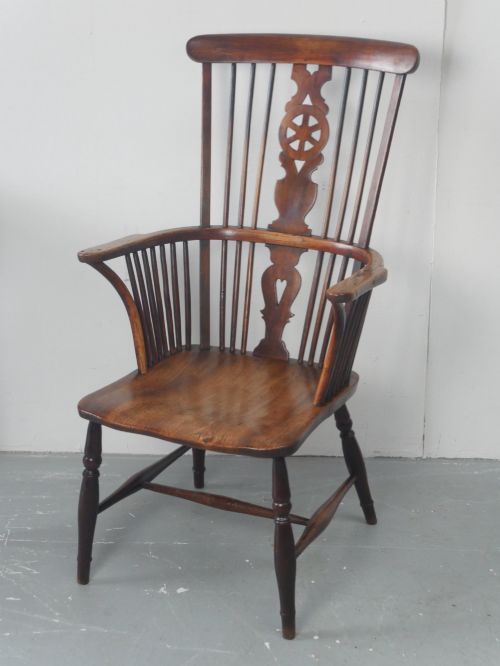
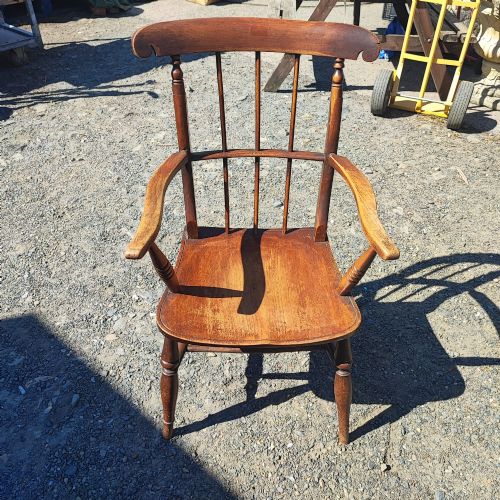
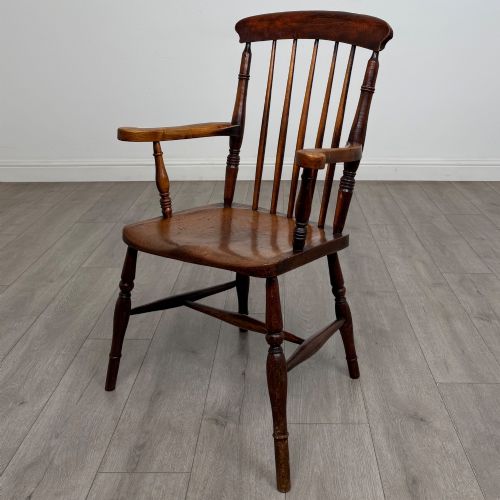
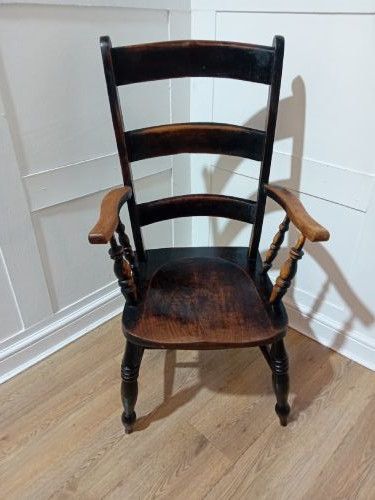
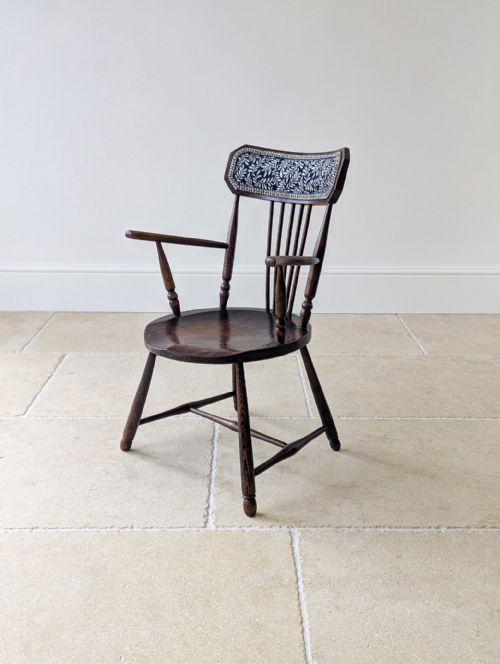
Country workshops utilised native timbers including elm, ash, beech, and fruitwood to construct robust vernacular armchairs like Windsors and stick-back desk chairs. Pegged joints, steam-bent bows, and sculpted solid seats formed the basis of this resilient regional craftsmanship.
Some nineteenth-century writers clearly needed robust elbow room, as evidenced by wonderfully wide elm carvers built to withstand energetic note-taking.
Distinctions in quality
The upper tier of these armchairs is defined by the crispness of hand-carved details, the selection of figured timber grain, and the integrity of traditional joinery. Superior examples maintain original surface finishes and structural stability without relying on modern replacement parts.
Lower grades often exhibit mechanical looseness in the arm joints, heavily sanded timbers that have lost their original edge definition, or mismatched replacement elements. The distinction lies in whether the piece retains its authentic period character and balanced proportions.
Alfred Allen of Birmingham·Gillows
The Antique Desk Carver Glossary
- Carver
- A term traditionally used for an armchair, often slightly larger than the side chairs in a matching dining set, suitable for use at a desk. These chairs provide supportive armrests for writing and reading.
- Elbow chair
- An alternative historical description for an armchair, highlighting the presence of arm supports that accommodate a seated person comfortably. This term frequently appears in older inventories for study and dining seating.
- Windsor
- A traditional chair construction method featuring a solid wooden seat into which the legs, back spindles, and steam-bent back bow are individually tenoned. Country workshops produced these sturdy armchairs in elm, ash, and yew.
- Bar back
- A horizontal curved wooden slat forming the central support of an open armchair's backrest, often found on Regency and William IV desk seating. This design offers ergonomic lumbar support.
- Chippendale style
- An aesthetic characterised by intricate fretwork, carved ribbon or interlaced splats, and cabriole legs terminating in claw-and-ball feet. Cabinet-makers adapted these classical proportions for refined library and desk chairs.
Antique Desk Carver: Frequently Asked Questions
What defines an antique desk carver?
An antique desk carver is an armchair featuring supportive elbow rests and sturdy timber framing, designed specifically for use at a writing table or library desk.
These pieces combine the comfort of an armchair with the upright posture required for working, drawing on historical styles ranging from Georgian formal mahogany to country vernacular Windsor forms.
Were these chairs originally meant for desks?
Historical makers designed many of these elbow chairs for multiple domestic functions, including dining carvers, occasional library seating, and office work.
Because standard desk heights and seating requirements evolved over the centuries, cabinet-makers adapted open armchairs and dining armovers interchangeably for writing and study.
How do I care for wooden desk carvers?
Preserving these wooden armchairs involves keeping them away from direct heat sources and sudden humidity changes to prevent timber shrinkage and joint separation.
Regular dusting with a dry cloth and occasional application of appropriate furniture wax helps maintain the natural lustre of older polished surfaces.
How can I tell the period of a chair?
Dating relies on observing structural characteristics, timber selection, and stylistic markers such as carved splats, leg shapes, and joining techniques.
Comparing the specific architectural details against documented examples from the 18th, 19th, and early 20th centuries reveals the likely decade of manufacture.