
Traditional Dining Buffet
Traditional dining buffet encompasses sturdy sideboards, servers, and dressers crafted in mahogany and oak for serving meals and storing tableware.
Traditional Dining Buffet
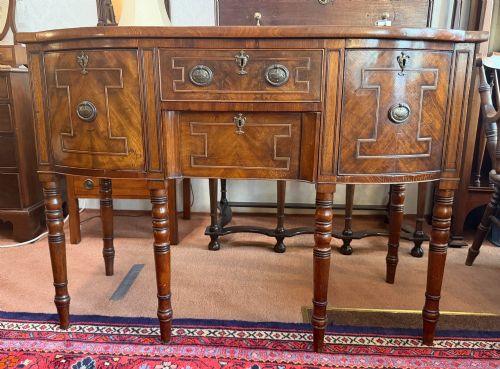
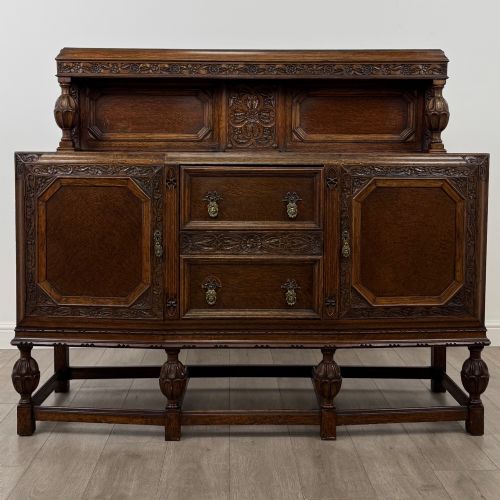
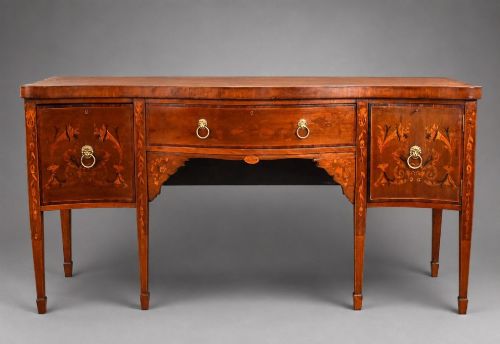
When searching for a traditional dining buffet, buyers encounter a variety of forms including sideboards, servers, dressers, and enfilades designed for the dining room. These pieces span several eras, from the 18th century and Georgian period through the Victorian, Edwardian, and 19th century up to the 1930s.
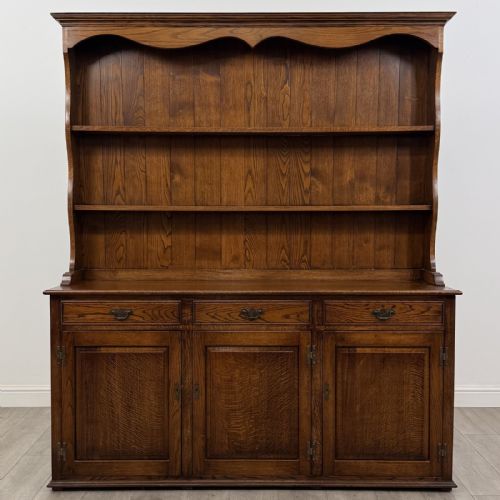
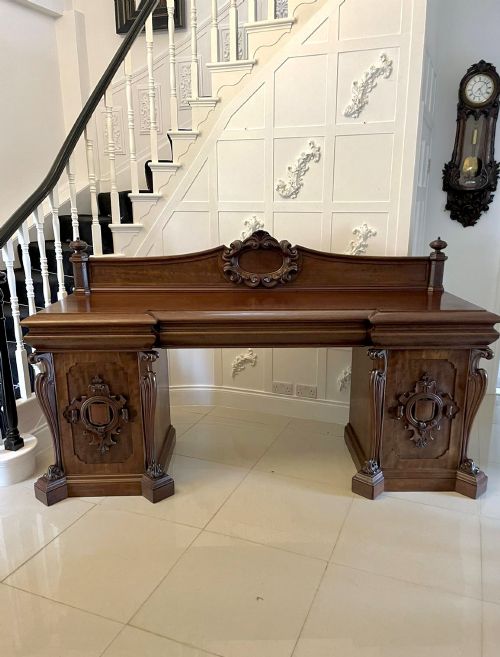
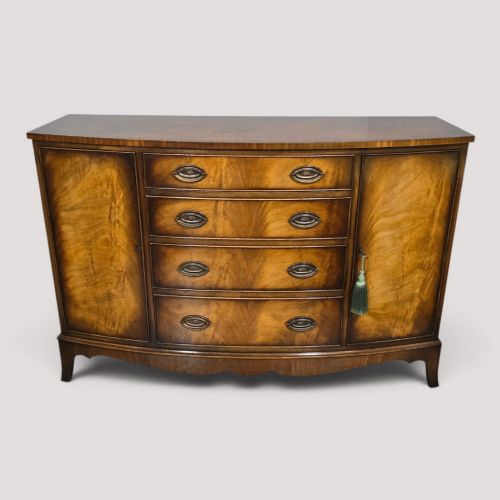
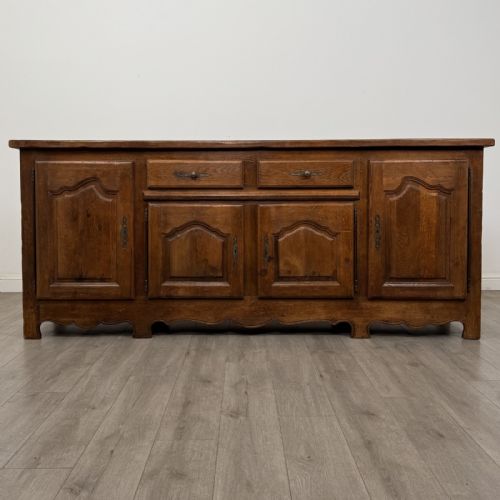
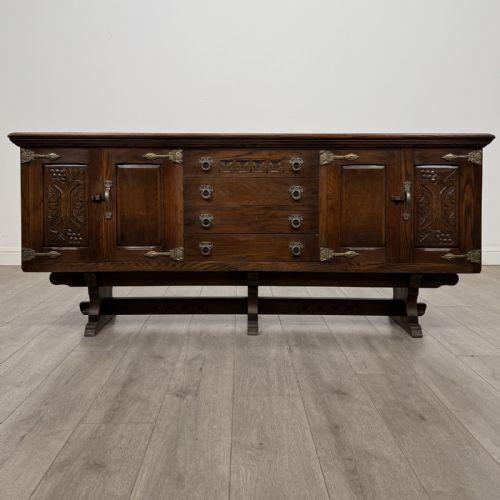
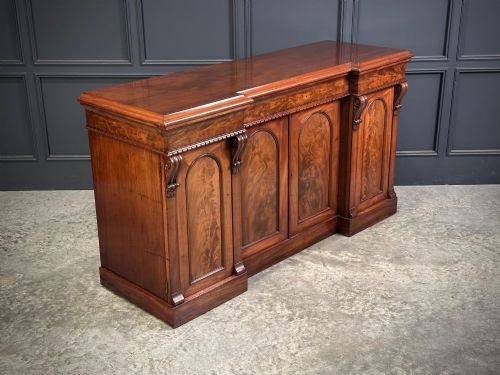
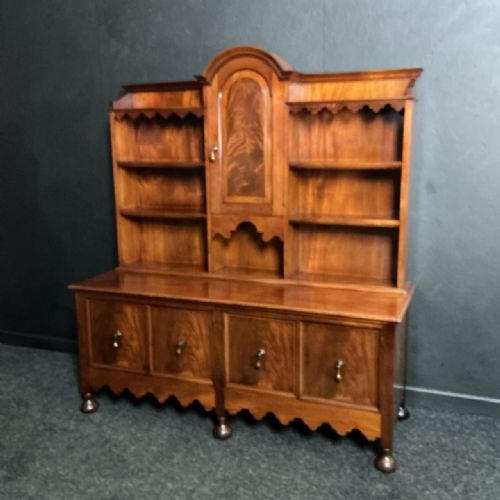
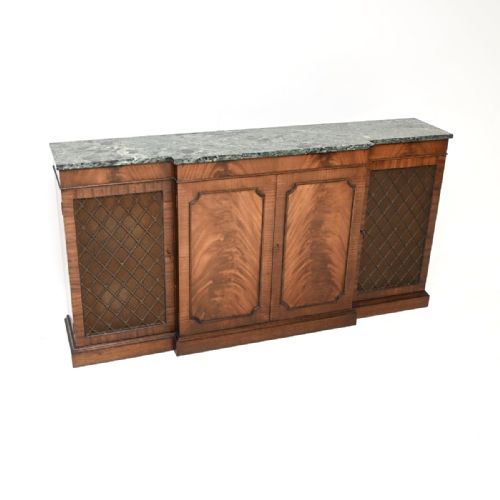
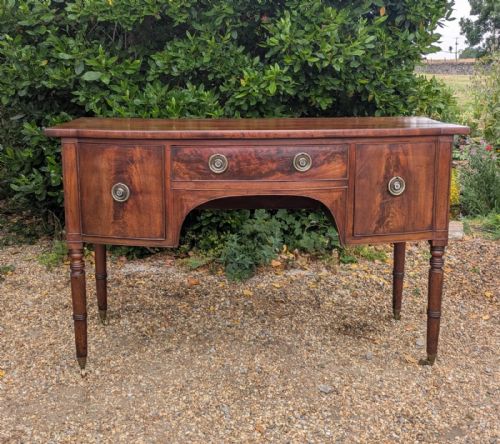
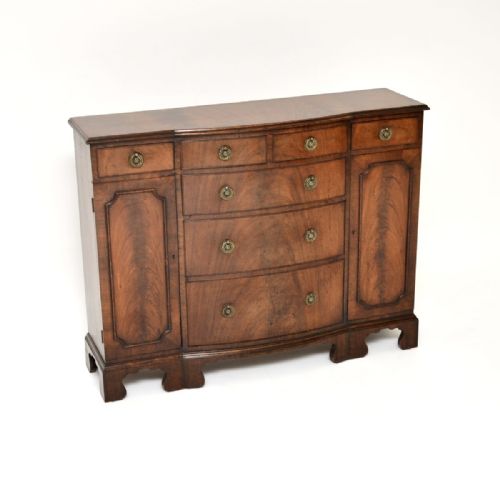
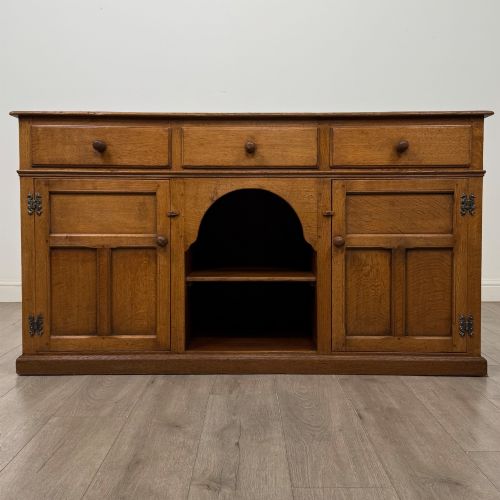
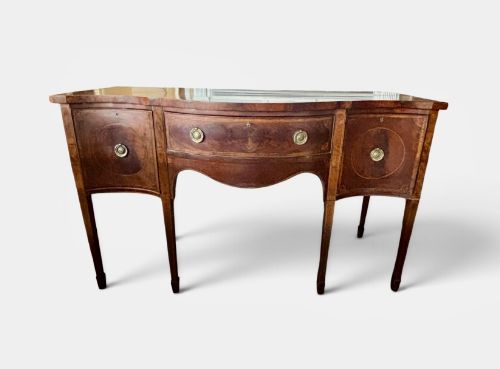
The most common versions on this page are mahogany and oak sideboards featuring drawers and doors, alongside breakout forms like serpentine fronts and bow fronts. Pieces range from grand breakfront cabinets to compact servers and oak dresser bases.
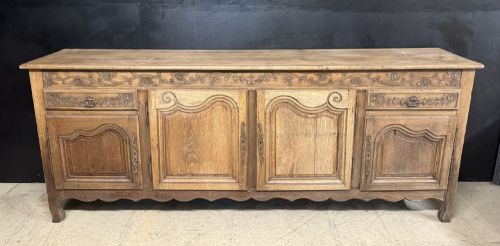
Stylistic influences vary widely across the inventory, drawing on Georgian, Regency, William IV, Jacobean Revival, French Provincial, and English Country traditions. Buyers select these items to anchor a dining space with period character and practical storage.
Materials and construction methods
Makers utilised solid timbers and veneers, predominantly mahogany and oak, alongside accents of burr walnut, flame mahogany veneer, and French walnut. Structural integrity relied on traditional joinery applied to drawer boxes, panelled doors, and stretcher bases.
Hardware details incorporated brass handles, iron elements, and occasionally glass panels or marble tops. Surface finishes highlighted the natural grain of the wood, whether through polished flame mahogany or carved oak details.
Listings feature mahogany and oak predominantly, spanning the 18th century through to the 1930s in various revival styles.
Distinctions in construction and design
Quality separates through the selection of timber figures, such as figured mahogany or flame mahogany veneer, and the crispness of carved details on oak and mahogany surfaces. Finer examples display balanced proportions in serpentine and bow front configurations.
The Traditional Dining Buffet Glossary
- Sideboard
- A long piece of furniture placed in a dining room for holding dishes and serving food. It typically incorporates a combination of cupboards and drawers.
- Breakfront
- A cabinet design where the central section projects forward from the flanking outer sections. This architectural arrangement creates depth and visual interest on large sideboards.
- Serpentine
- A front edge shaped with a concave curve flanked by two convex curves, or vice versa. This flowing contour requires expert carpentry.
- Dresser Base
- The lower section of a traditional dresser, featuring functional drawers and cupboards beneath a flat top surface. These serve as standalone low servers.
- Chiffonier
- A compact Victorian sideboard equipped with enclosed shelving and occasionally a mirror back. It provided practical storage in smaller dining spaces.
Traditional Dining Buffet: Frequently Asked Questions
What is a traditional dining buffet?
A traditional dining buffet is a heavy storage piece designed for the dining room to hold tableware, linens, and serving dishes.
These items encompass sideboards, servers, and dressers built in mahogany, oak, and walnut across various historical periods.
How do I identify a Georgian sideboard?
Georgian pieces often feature fine mahogany timber, symmetrical drawer arrangements, and restrained classical carving or inlay.
Many examples showcase proportions typical of the 18th century and early revival periods without heavy Victorian ornamentation.
Where should I place a buffet in my dining room?
Buffets traditionally stand against a main dining room wall, allowing easy access during meals for serving food and platters.
Ensure adequate clearance around the piece for doors and drawers to open fully without obstruction from dining chairs.
What is the difference between a sideboard and a server?
Sideboards generally offer extensive storage with multiple cupboards and drawers for complete dining room organisation.
Servers are typically smaller, lighter variants focused on surface space for presenting dishes during a meal.