


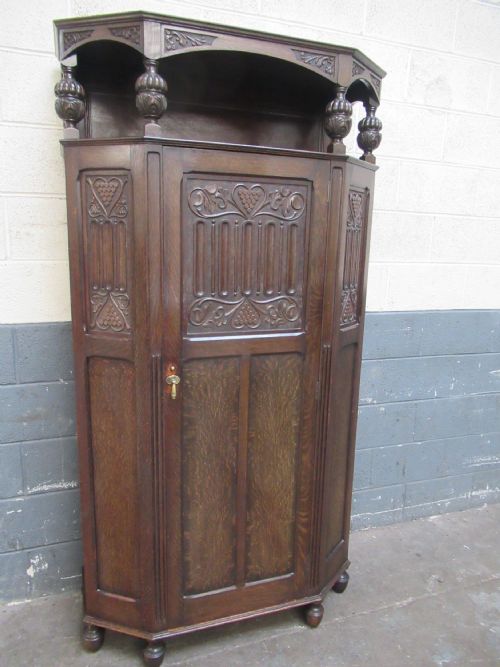

Traditional Corner Cupboard
A traditional corner cupboard turns dead room into display space, offering sturdy timber storage shaped precisely for a room junction.
Traditional Corner Cupboard
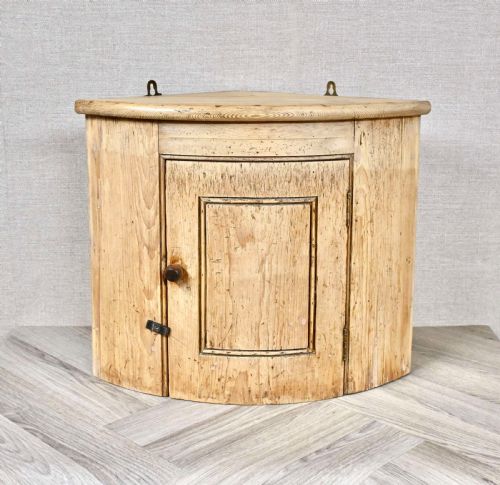
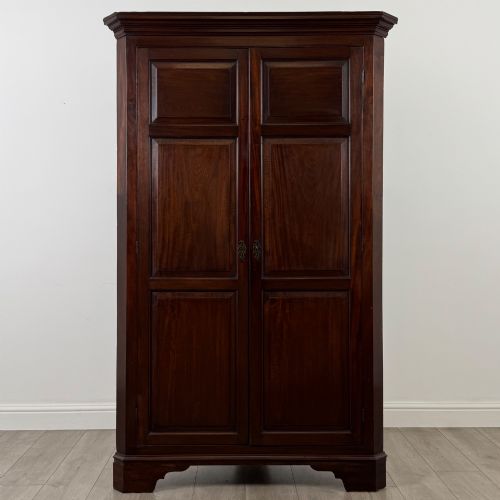
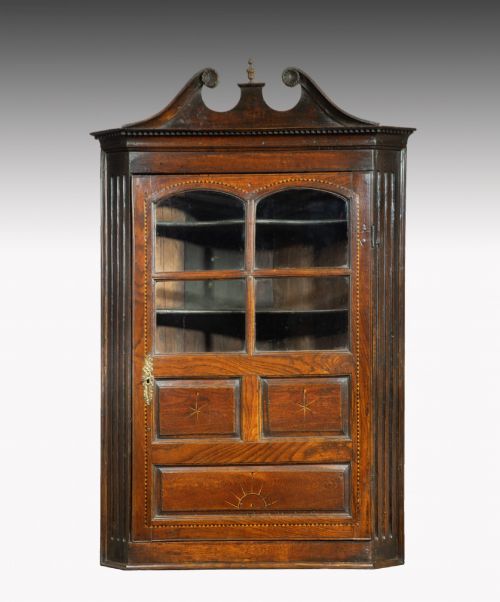
A traditional corner cupboard solves the problem of difficult room junctions by utilising ninety-degree angles to house ceramics, glassware or provisions. These pieces emerge predominantly from the Georgian and Victorian eras, ranging from small wall-hanging boxes to large floor-standing units.
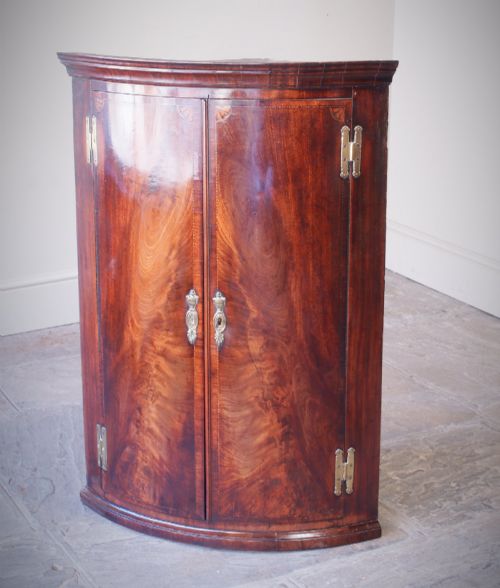
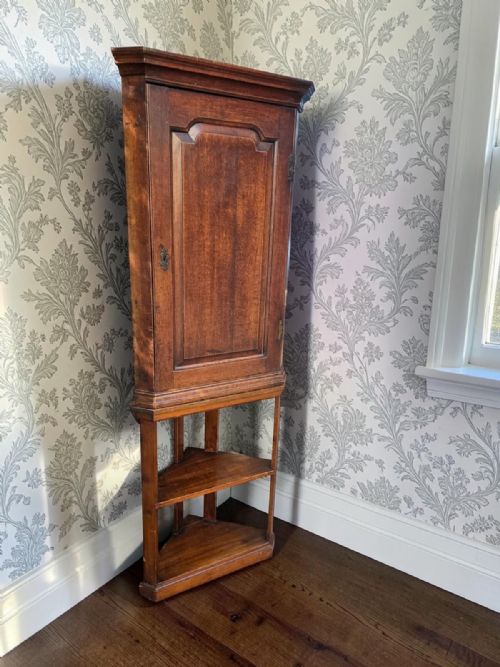
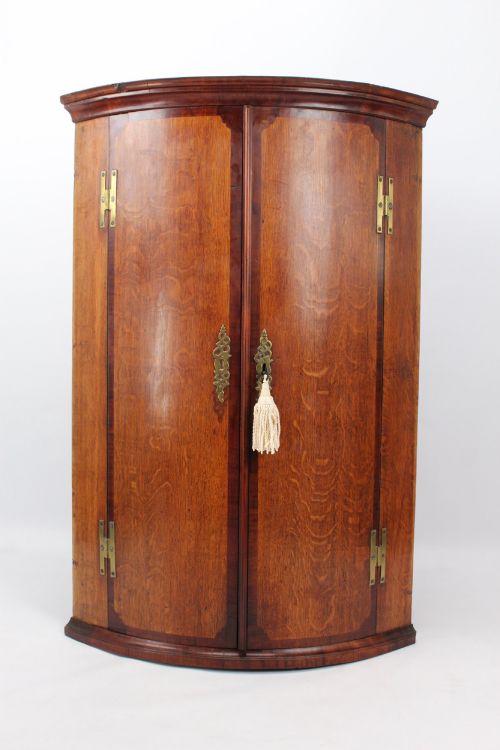
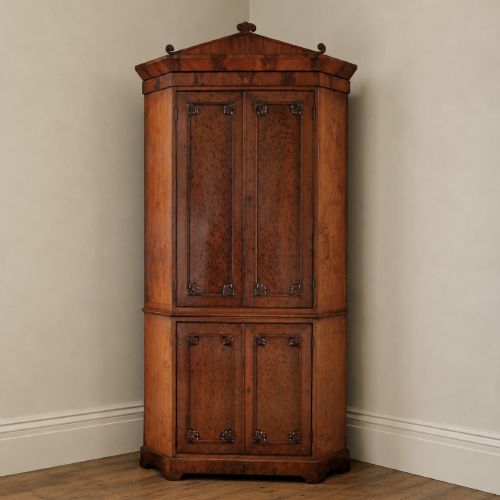
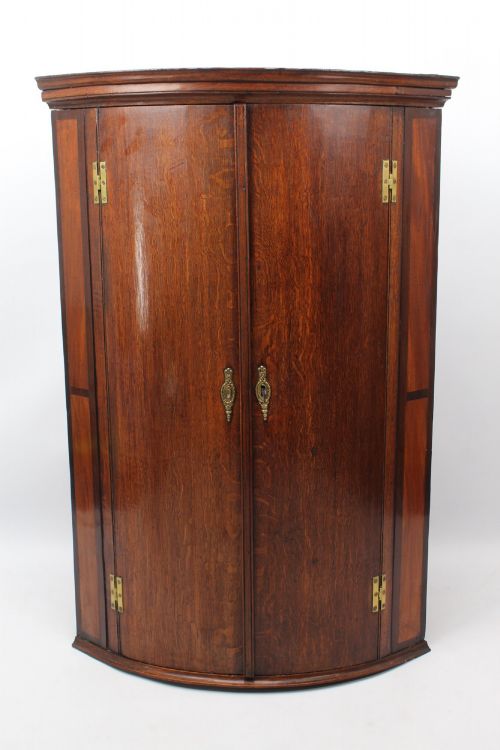
The version most commonly encountered on this page is constructed from oak or mahogany, often featuring a bow front that projects into the room. Formats vary from single-door hanging cabinets to double-door standing cupboards and tall units resting on dedicated stands.
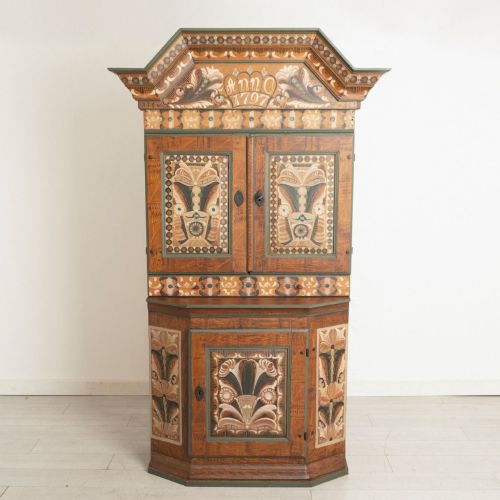
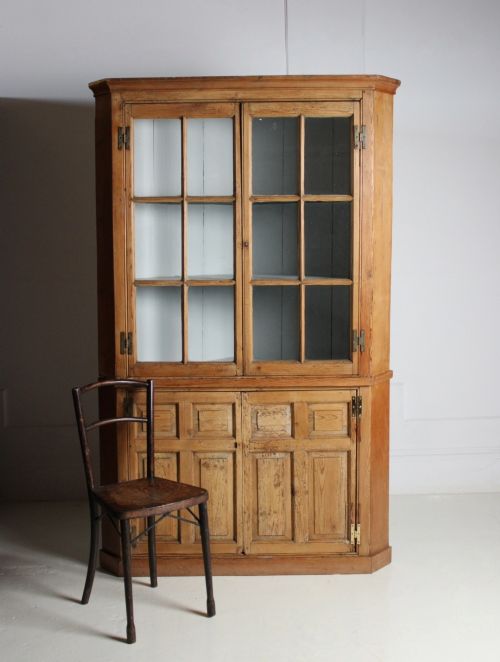
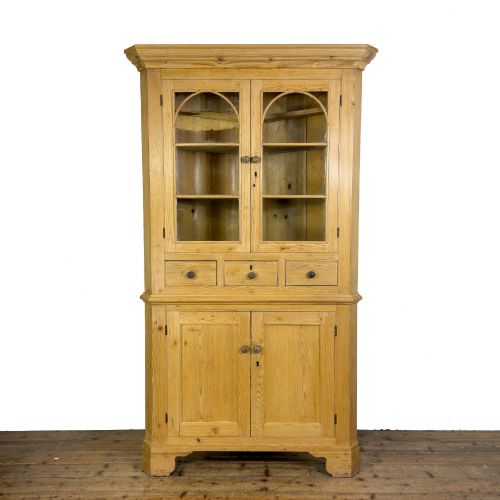
Origins stretch across English, Welsh, French and Scandinavian workshops, showing regional variations in timber choice and door configuration. Simpler country iterations use native pine or stripped softwood, whereas urban pieces favour figured mahogany and satinwood.
Materials and Construction
Cabinetmakers built these corner cupboards primarily using solid oak, mahogany and pine, selecting timbers suited to the domestic market of each period. Structural integrity relied on pegged mortise and tenon joints for the carcase, whilst doors utilised framed panels to accommodate seasonal wood movement.
Surface treatments included clear wax polishing to reveal grain patterns, painted finishes, and decorative elements such as brass H-hinges, key escutcheons and inlaid banding. Glazed doors incorporated wooden astragals to hold individual panes of glass securely within the frame.
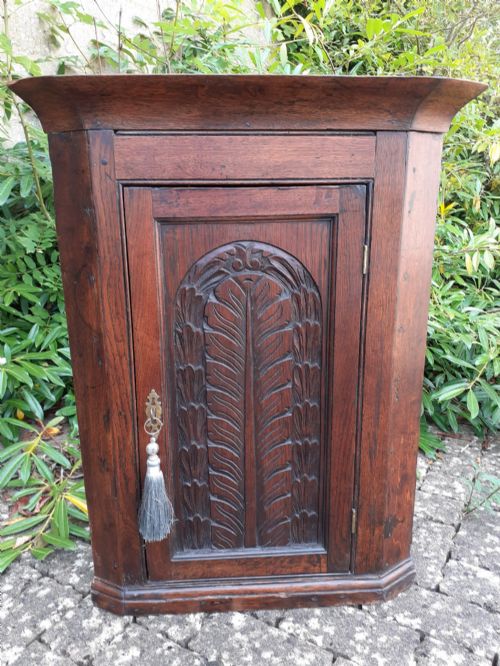
Several cupboards retain their original working keys, ensuring the little brass locks still secure the doors after centuries of service.
Distinctions in Quality
Quality rests on the selection of timber and the precision of the cabinet work, particularly in how well doors hang and close within their frames. Finer examples display figured mahogany veneers, subtle string inlays or well-proportioned bow fronts that require advanced woodworking skill to shape.
Proportion and architectural detailing set better pieces apart from utility items, seen in moulded cornices, shaped interior shelves and original brass hardware. The integration of stands or base cabinets adds complexity to the construction and elevates the visual presence of the piece.
The Traditional Corner Cupboard Glossary
- Bow front
- A convex curved cabinet front that projects outward from the corner. This curved profile requires skilled shaping of both the frame and the door.
- Astragal
- A narrow wooden moulding used to divide glass panes within a door. These strips create geometric patterns across display cabinets.
- Escutcheon
- A protective plate surrounding a keyhole. Brass or iron variants often double as decorative ornamentation on cupboard doors.
- Cornice
- The ornamental moulding running around the top edge of a cabinet. It crowns the structure and balances the proportions below.
- Vitrine
- A glass-fronted cabinet designed for the display of objects. These pieces often feature interior shelves and glazed side panels.
Traditional Corner Cupboard: Frequently Asked Questions
How do I hang a wall corner cupboard?
Hanging a wall cabinet requires locating secure fixing points through the internal backboards directly into solid wall studs or masonry. Professional installation ensures the substantial weight of timber and stored contents is supported safely.
Because these cabinets are heavy, especially when packed with ceramics, sturdy steel brackets or internal screw fixings through reinforced structural framing are essential for stability.
What is the difference between hanging and standing cupboards?
Hanging cupboards are compact units designed to be mounted directly onto walls at eye level or above other furniture. Standing cupboards rest on the floor, either as tall single units or on dedicated furniture stands.
Standing versions offer significantly greater storage capacity and often include lower drawers or secondary cupboard doors beneath the main display section.
How do I date an antique corner cupboard?
Dating relies on examining construction methods, timber species and hardware styles characteristic of specific periods. Hand-cut dovetails, pegged joints and specific secondary woods point towards Georgian or Victorian origins.
Stylistic cues such as Georgian mahogany veneers or Victorian rustic painted finishes further narrow down the era of manufacture.
Can these cupboards fit modern rooms?
These cupboards fit neatly into unused room junctions, making efficient use of awkward corners in contemporary kitchens, dining rooms or hallways. Their vertical orientation maximises storage without consuming valuable floor space.
Glass-fronted display versions work well for exhibiting tableware, whilst solid-door timber cabinets conceal clutter effectively in busy living areas.