


Traditional Copper Pots
Traditional copper pots bring centuries of warmth and utility to the kitchen, offering heavy gauges and hand-beaten surfaces that modern cookware simply cannot match.
Traditional Copper Pots
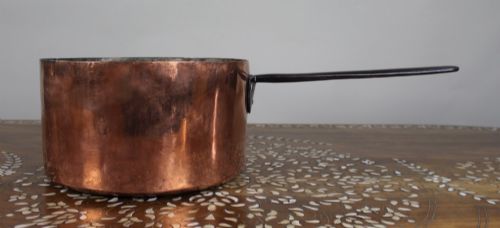
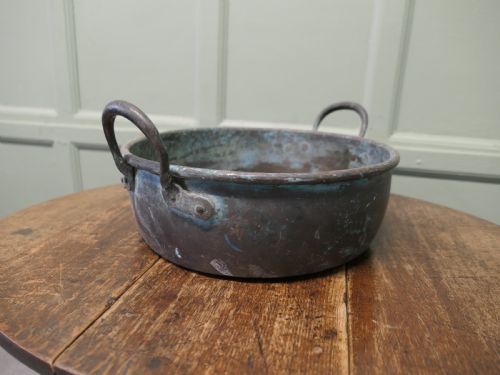
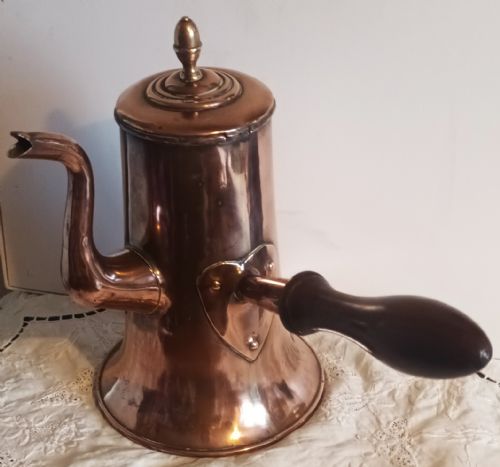
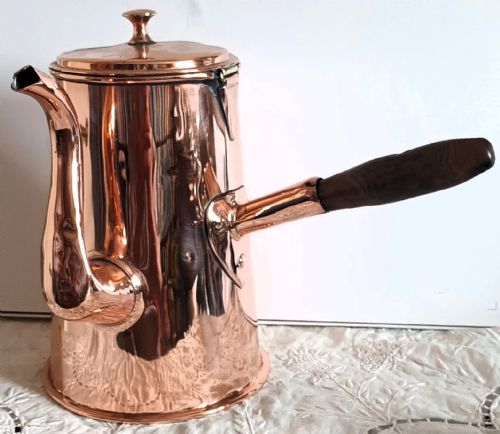
Traditional copper pots span utilitarian kitchenware and service vessels originating primarily from the eighteenth and nineteenth centuries. These pieces encompass heavy preserving pans, lidded saucepans, coffee pots, and kettles shaped for active hearth use.
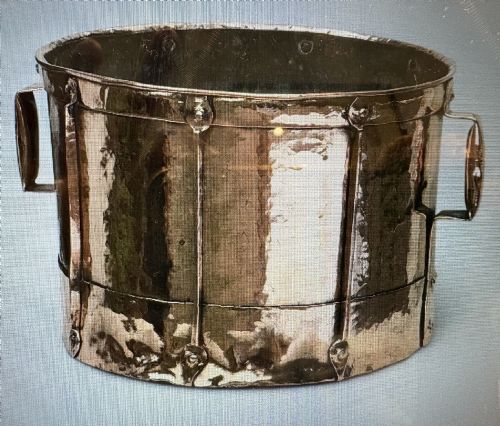
Buyers encounter regional forms ranging from English George III and Victorian examples to French provincial vessels, alongside allied kitchen pieces like grain measures and Jersey cans. The selection focuses heavily on domestic cookware intended for boiling, preserving, and brewing.
Many of these items date from the Georgian and Victorian eras, carrying the robust construction and utilitarian patination typical of nineteenth-century metalwork. They survive both as working vessels and as decorative focal points for country house interiors.
Materials and construction
Makers formed traditional copper pots from heavy sheets of copper, frequently joining seams with visible hand-cut rivets or dovetails. Handles in brass, iron, or wrought iron were typically secured with sturdy rivets to withstand the weight of liquid contents over open fires.
Surfaces display the marks of manual hammering, which hardened the metal and produced the undulating texture characteristic of period production. Accents in brass and occasional iron reinforcement provided durability to rims, handles, and spouts.
Several sets include matching arrangements of four or five pans, proving that nineteenth-century cooks appreciated a tidy workspace just as much as modern chefs.
Markers of distinction
Quality rests in the gauge of the metal and the integrity of construction, where thicker copper sheets and substantial cast brass handles signal superior utilitarian intent. Pieces bearing maker stamps or workshop marks command attention for their identifiable provenance.
The balance of form and the crispness of hand-forging distinguish fine examples from standard domestic wares. Retained structural rigidity and even wear across the base indicate how thoroughly a vessel was used and maintained.
Hodges & Sons
The Traditional Copper Pots Glossary
- Ferrat grain measure
- A cylindrical measuring vessel used in France, typically fashioned from heavy copper with reinforcement bands.
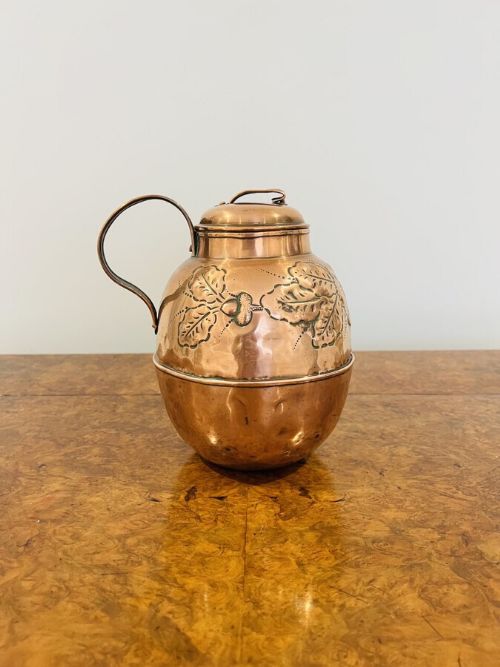
- Jersey can
- A distinctive tall copper vessel featuring a hinged lid and long spout, historically used in the Channel Islands for storing and pouring milk or cream.
- Old Sheffield Plate
- A composite material made by fusing a thin sheet of silver to a thicker copper base, common in eighteenth-century tankards and serving items.
- Preserving pan
- A wide, round-bottomed cooking vessel designed for boiling fruit and sugar, usually fitted with a strong swing handle for suspension over a hearth.
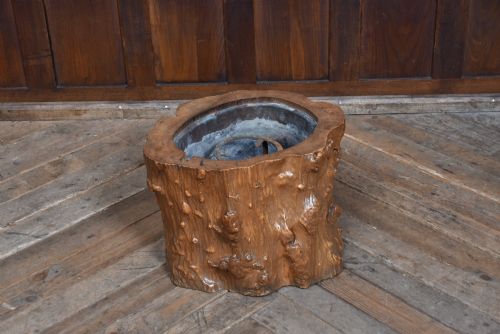
- Hibachi
- A traditional Japanese charcoal-burning heating device, occasionally rendered in wood or metal alongside other domestic metalware.
Traditional Copper Pots: Frequently Asked Questions
How do I date an old copper pot?
Dating relies on observing construction details such as dovetail seams, hand-cut rivets, and the shape of handles or spouts. Earlier Georgian pieces often show distinct hand-hammering patterns compared to later Victorian counterparts.
Material composition and style markers also help narrow the decade of production. Examining the wear around the base provides clues regarding hearth use versus later display.
Can I still cook with these pots?
Many of these vessels were designed for culinary use over open fires and stoves. Modern usage depends on the condition of the interior lining and the structural integrity of the base.
Buyers often choose to use them for display rather than daily cooking to preserve their historic surfaces. Professional tinning is sometimes required if food preparation is intended.
What is a Jersey can?
A Jersey can is a tall, narrow vessel featuring a long spout and a lid, historically utilised for dairy storage. Their distinct silhouette makes them striking decorative objects in rustic settings.
These pieces showcase the versatility of nineteenth-century metalworking beyond standard cooking pots. They are frequently collected for their sculptural qualities.
How should I clean copper?
Maintenance involves removing dust with a soft cloth and applying a gentle metal cleaner only when necessary to reduce active tarnish. Many collectors prefer to leave a dark historic patination undisturbed.
Avoid abrasive scouring pads that can scratch the hand-beaten surface of the metal. Preserving the natural finish maintains the visual character of the piece.