


French Kitchenware
French antique kitchenware brings heavy copper pans, glazed confit pots and brass cooking vessels directly from farmhouse hearths into modern spaces.
French Kitchenware
French antique kitchenware encompasses utilitarian objects designed for historic domestic food preparation, featuring heavy copper preserving pans, brass cooking pots and ceramic storage vessels. These pieces originate predominantly from the nineteenth century, reflecting the robust standards of nineteenth century French and Victorian country kitchens.
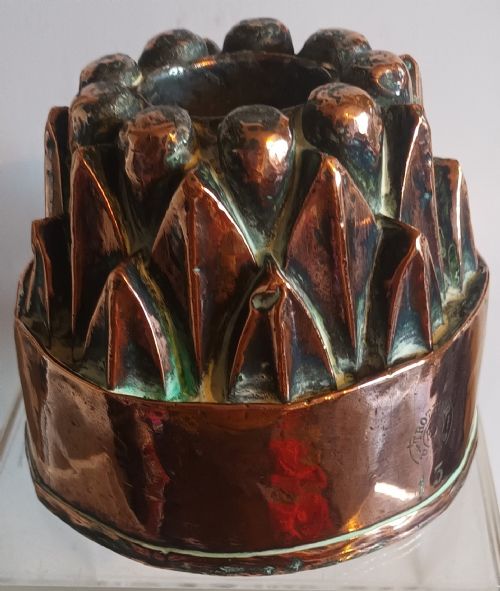
Confit pots and cream pots dominate the ceramic selection, while preservation pans and kitchen moulds represent the heavy metalwork category. Buyers encounter sets of copper pans alongside specialised items like fish kettles and egg-warmers from around eighteen hundred.
The aesthetic bridges rustic farmhouse utility and refined provincial display, making these items suitable for modern kitchen integration or standalone decorative collection. Every item carries the marks of active culinary use from its period of origin.
How they were made
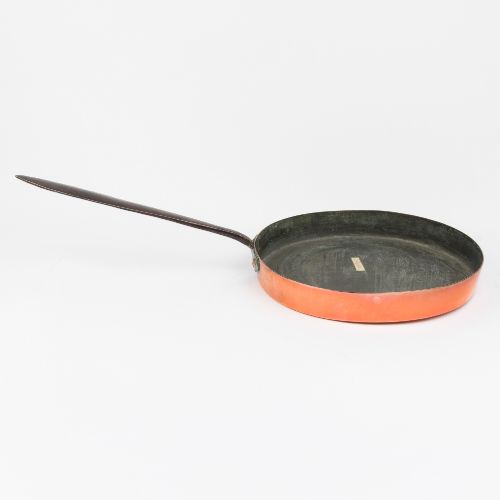
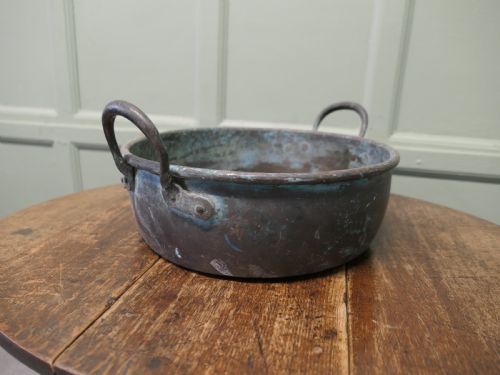
Metal items such as preserving pans, daubieres and fish kettles rely on heavy gauge copper and brass formed through traditional hand-beating and riveting techniques. These durable materials ensured even heat distribution over open hearths.
Ceramic pieces like confit pots and cream pots utilise earthenware and terracotta bodies finished with traditional glazes. Potters threw these storage vessels on wheels to achieve the thick walls required for preserving food.
The inventory spans rustic farmhouse and French provincial styles, including specialist objects like egg-warmers and fish kettles.
What varies in quality
Thickness of gauge metal dictates structural integrity, separating heavy workshop pans designed for daily culinary service from lighter decorative alternatives. Weight and solidity remain primary indicators of original utility.
Glaze consistency and surface preservation define the merit of ceramic confit and cream pots. Intact surfaces without structural compromise command greater attention from discerning collectors.
Trottier
The French Kitchenware Glossary
- Confit pot
- A glazed earthenware vessel traditionally used for storing preserved meats in fat. These pots usually feature a dipped glaze over terracotta.
- Daubiere
- A specialised cooking pot designed for slow-braising meats on the hearth. It often includes a tight-fitting lid to retain moisture.
- Preserving pan
- A wide, open metal basin used for boiling fruit and sugar down to jams. The large surface area aids rapid evaporation.
- Oeufrier
- A culinary apparatus designed specifically for poaching or cooking eggs. This uncommon form dates back to the early nineteenth century.
- Earthenware
- Porous pottery fired at lower temperatures and finished with a protective glaze. It forms the base material for storage jars and confit pots.
French Kitchenware: Frequently Asked Questions
What are confit pots used for?
Confit pots were historically utilised for preserving meats such as duck or pork by burying the cooked pieces in rendered fat inside the glazed ceramic vessel. This method kept food edible for months before refrigeration.
Today, buyers repurpose these heavy earthenware pots as decorative floor vases or kitchen storage containers for utensils and dried goods.
How do I clean copper pans?
Traditional copper kitchenware responds well to mild proprietary copper cleaners that remove oxidation without stripping the underlying metal. Avoid abrasive scourers that scratch the hand-beaten surface.
Many owners prefer to leave a natural aged patina on the exterior while keeping the cooking interior hygienic for display purposes.
Are these copper pans usable for cooking?
Many nineteenth-century copper preserving pans and saucepans retain their solid metal construction and remain physically capable of food preparation. However, historical pieces often require retinning of the interior cooking surface before modern culinary use.
Most buyers choose to display these heavy items in rustic farmhouse kitchens rather than subjecting them to daily heat.
How do I date nineteenth-century kitchenware?
Dating relies on observing manufacturing marks, dovetail or handmade copper joints, and the specific glaze characteristics of earthenware pots. Nineteenth-century pieces typically display hand-beaten hammer marks rather than uniform modern machine stamping.
Stylistic shifts between Victorian country aesthetics and French provincial forms also help narrow the period of origin.