



Traditional Chinese Display Stand
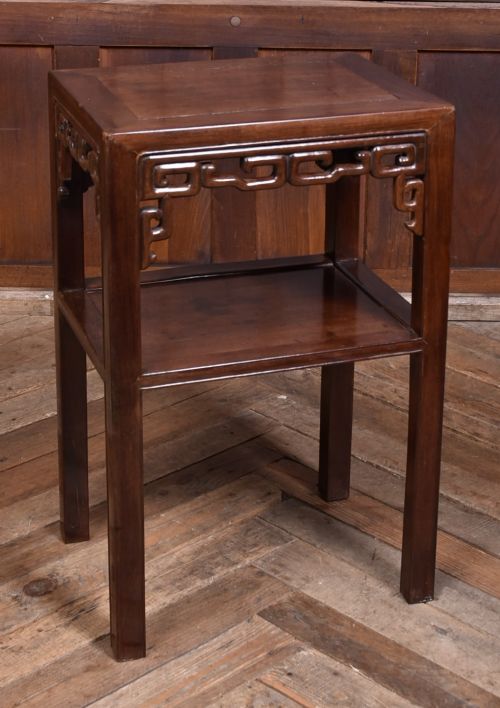
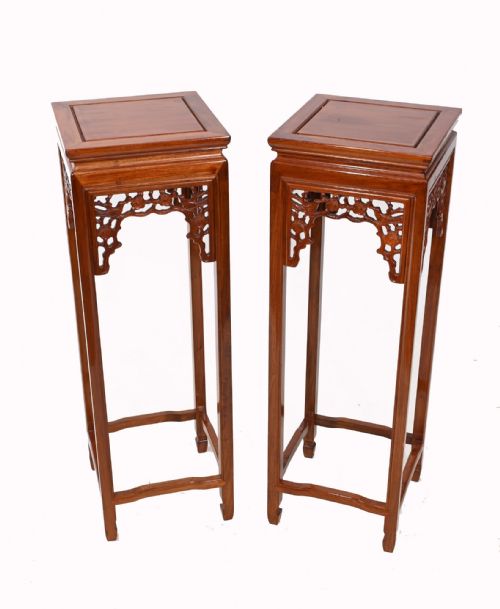
These are traditional chinese display stand pieces, offering carved surfaces for displaying prized objects in traditional interiors.
Traditional Chinese Display Stand
Traditional chinese display stand pieces appear across forms such as plant stands, occasional tables, pedestal stands, and nest tables. These items emerge from the nineteenth century, including pieces dated to eighteen eighty, nineteen ten, and nineteen twenty, often reflecting Qing dynasty or Victorian periods.
The objects serve to elevate porcelain, sculptures, or plants within a room. Formats range from console tables and altar tables to stools and bedside side tables.
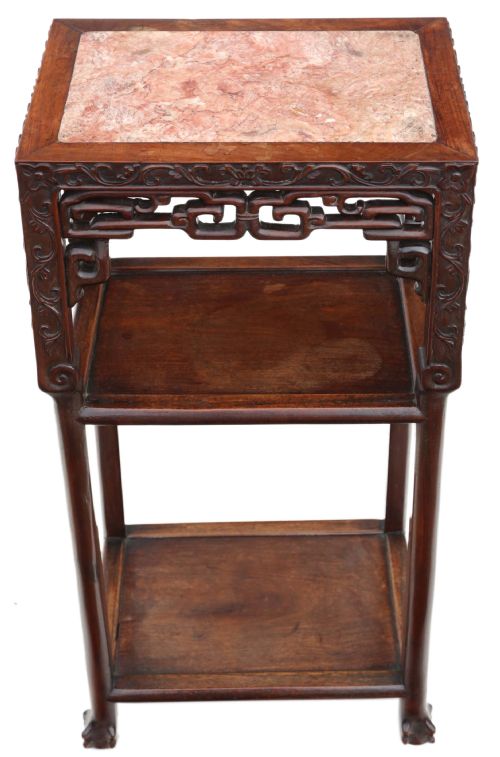
Buyers frequently encounter hardwood structures, occasionally paired with marble or mother-of-pearl accents. The designs follow Chinese traditional and Qing styles adapted for domestic interiors.
How they were made
Artisans construct these pieces primarily from dense timbers such as hongmu and rosewood, alongside general hardwood and wood. These materials provide the weight and stability required for supporting heavy decorative items.
Surfaces receive intricate carving characteristic of Qing dynasty styles, sometimes incorporating inset marble panels or soapstone elements. Structural joinery secures the multi-tiered stands and tables without relying on modern fasteners.
Listings feature items spanning the nineteenth century, eighteen eighty, nineteen ten, and nineteen twenty, alongside Victorian periods.
What varies in quality
Execution of the carving distinguishes standard examples from superior items. Finer pieces demonstrate deep, crisp relief work along the aprons and legs, whereas simpler versions remain plain.
Material selection also dictates standing, with dense hongmu and selected hardwoods commanding attention over basic wood. The integration of inset marble or soapstone panels adds complexity to the construction.
The Traditional Chinese Display Stand Glossary
- Hongmu
- A dense, dark tropical hardwood traditionally utilised in fine Chinese furniture construction. It patinates deeply over time.
- Qing Dynasty
- The imperial dynasty spanning from sixteen forty-four to nineteen twelve, known for elaborate carved woodwork. Pieces from this era reflect established court aesthetics.
- Nest of Tables
- A set of graduated tables designed to fit neatly beneath one another when not in use. They provide flexible surface space in compact areas.
- Soapstone
- A soft, talc-based stone carved into pictorial plaques or sculptures. It appears inset into wooden furniture or as standalone decorative objects.
Traditional Chinese Display Stand: Frequently Asked Questions
Where do I place a traditional chinese display stand?
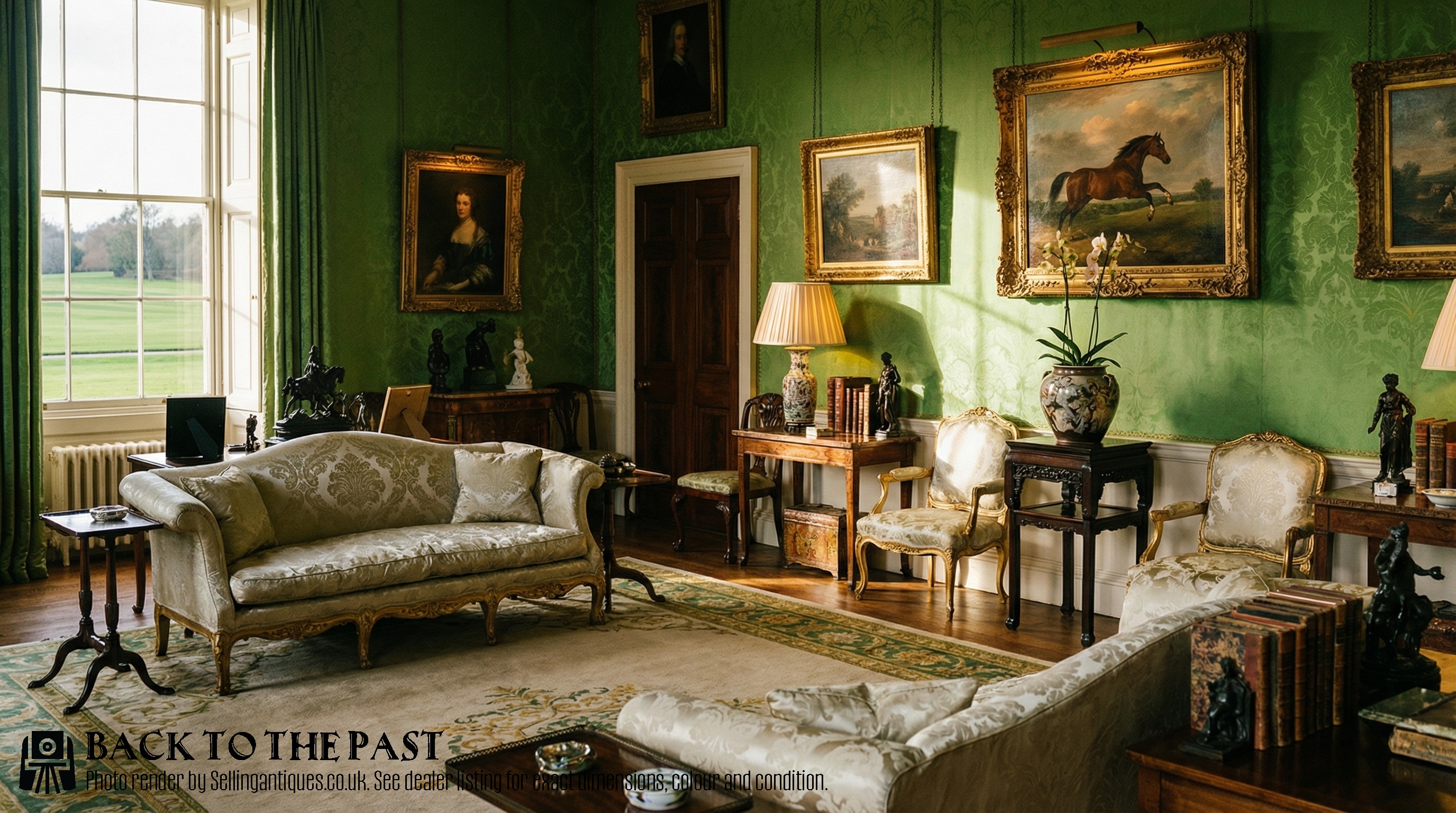
These stands suit corners or hallway spaces where they can elevate a single object, such as a ceramic vase or a bronze sculpture. Their compact footprints allow them to function alongside seating or against plain walls.
Matching pairs often flank larger furniture items or doorways to create symmetry in a room. Single pedestals work well independently as focal points for decorative pieces.
What items go on these stands?
Traditional items placed on these stands include carved sculptures, porcelain bowls, and potted plants. The surfaces are built to bear concentrated weight from dense materials.
Heavier stands can support larger arrangements, while smaller occasional tables suit lighter ornaments or lamps. The relationship between the stand and the object highlights the craftsmanship of both.
How do I clean hardwood stands?
Dust the carved surfaces regularly with a soft, dry cloth to prevent dirt accumulation in the recessed areas. Avoid liquid polishes that can build up within the intricate relief carvings over time.
Maintain stable humidity levels in the room to protect the dense timbers from splitting. Natural wax can be applied sparingly to nourish the grain of rosewood and hongmu.