

Traditional Chime Clock
A traditional chime clock brings acoustic depth to a room through mechanical movements that mark the hours with bells or gongs.
Traditional Chime Clock
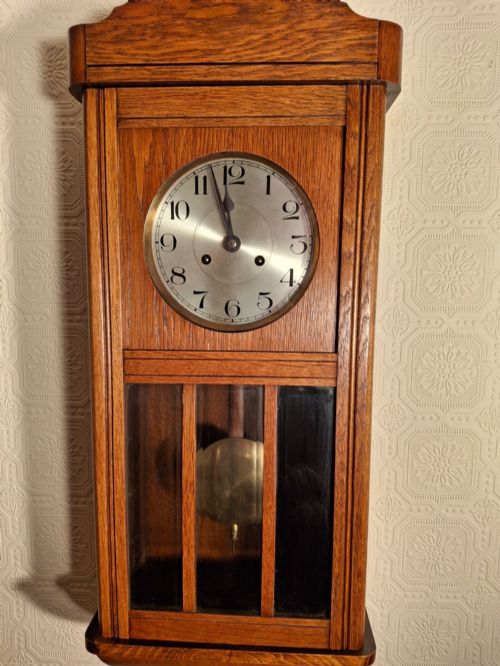
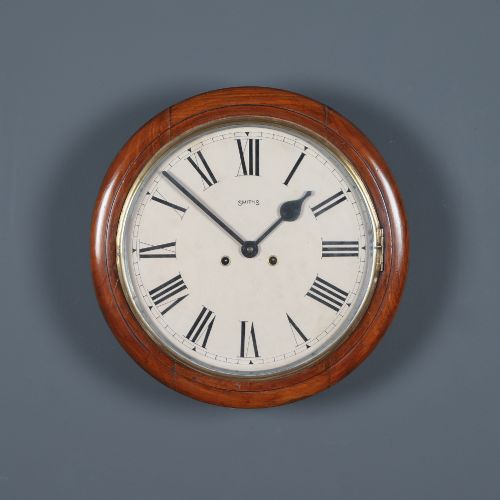
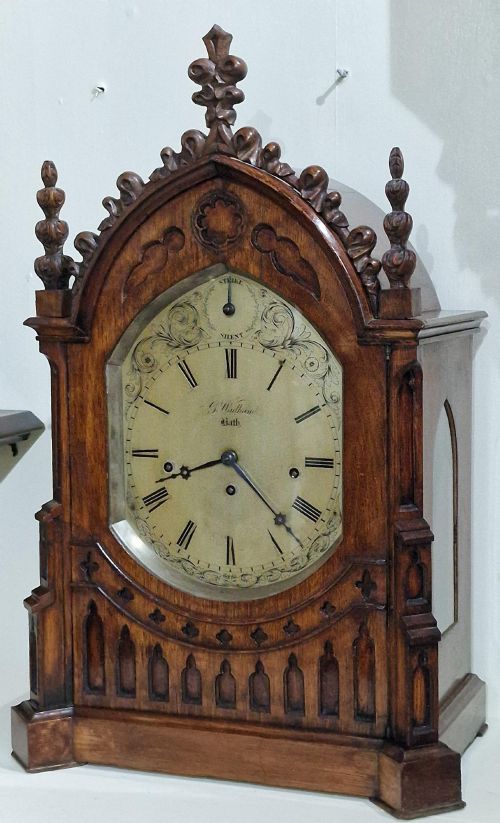
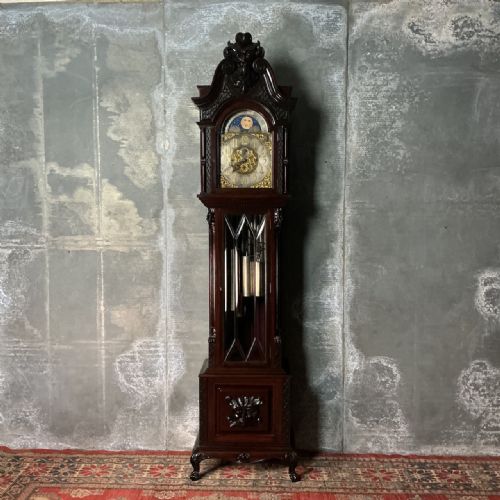
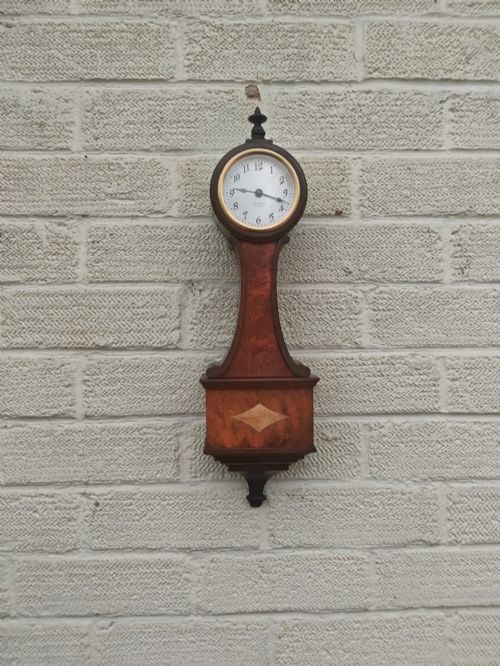
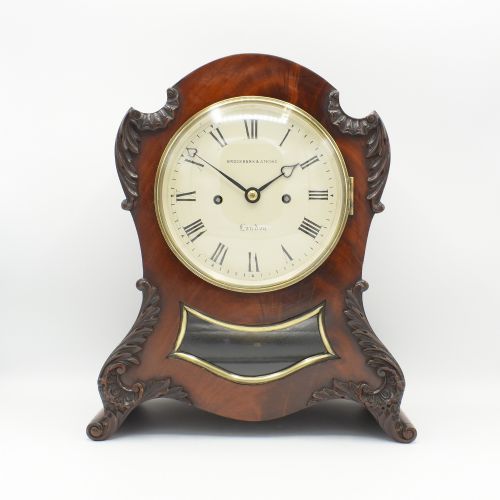
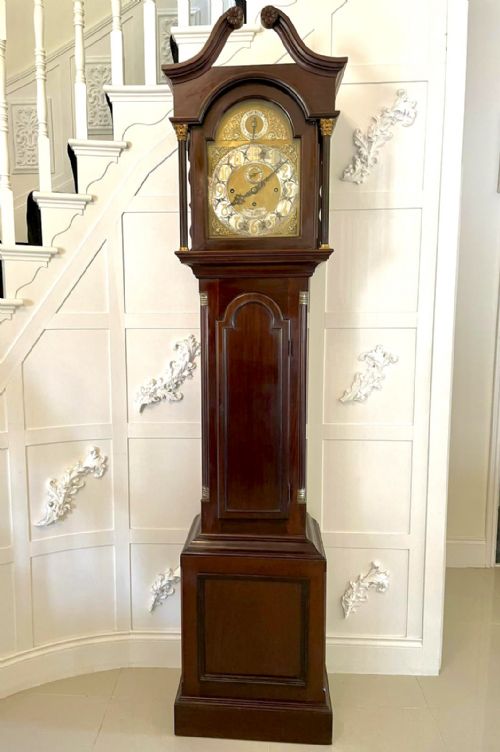
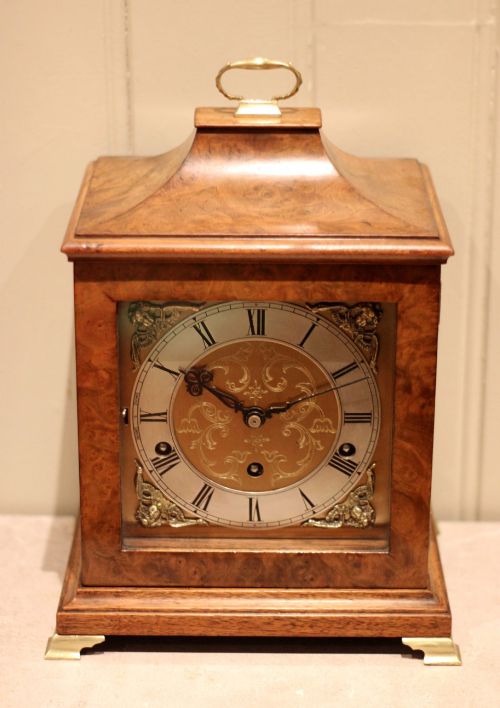
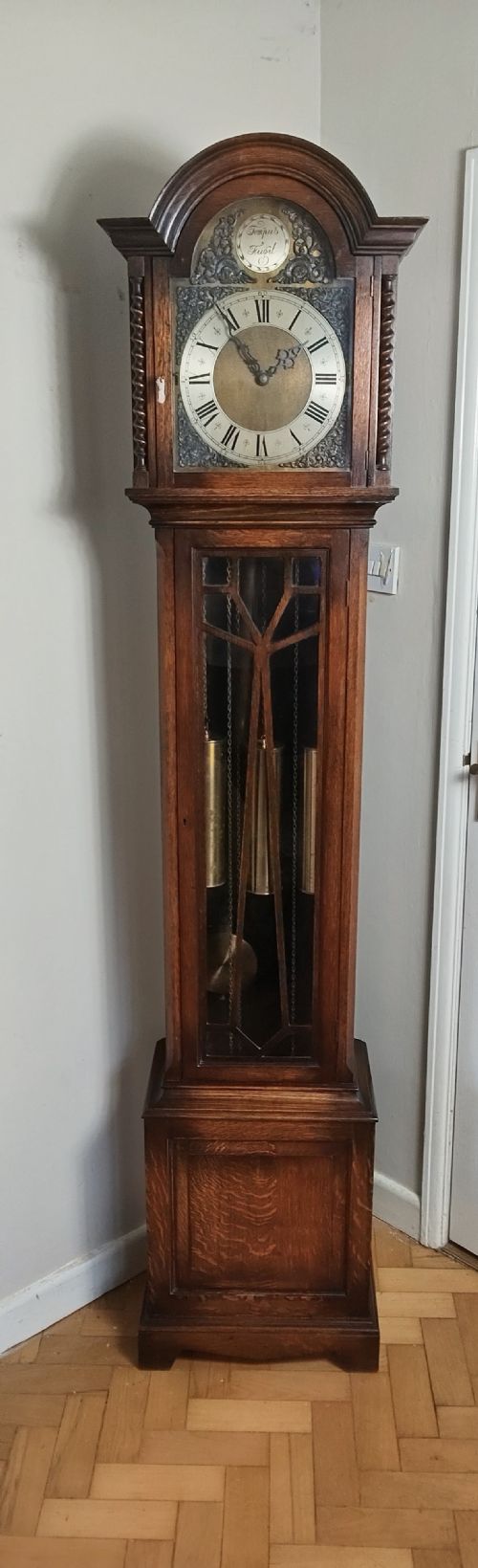
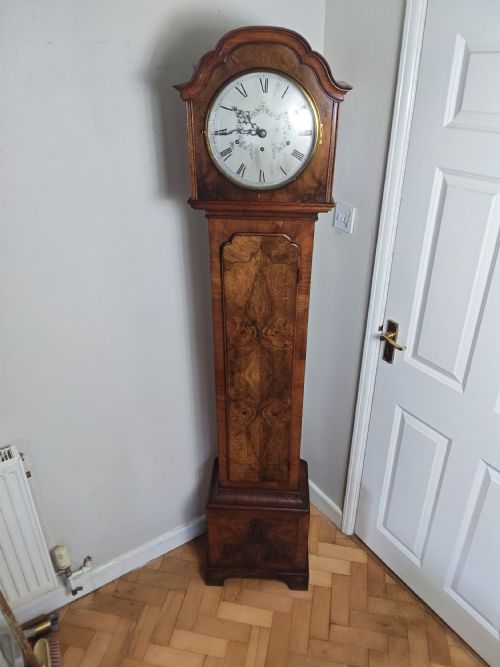
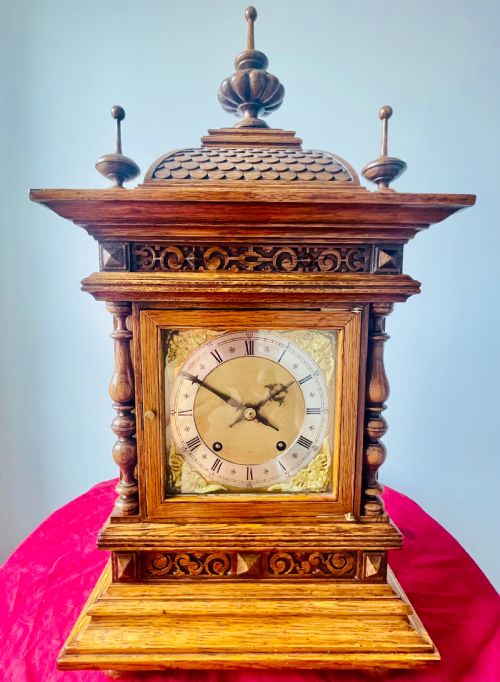
A traditional chime clock encompasses floor-standing longcase examples as well as smaller mantel, bracket and wall variants. When searching for a traditional chime clock, buyers encounter formats ranging from towering grandfather and grandmother cases to compact table models.
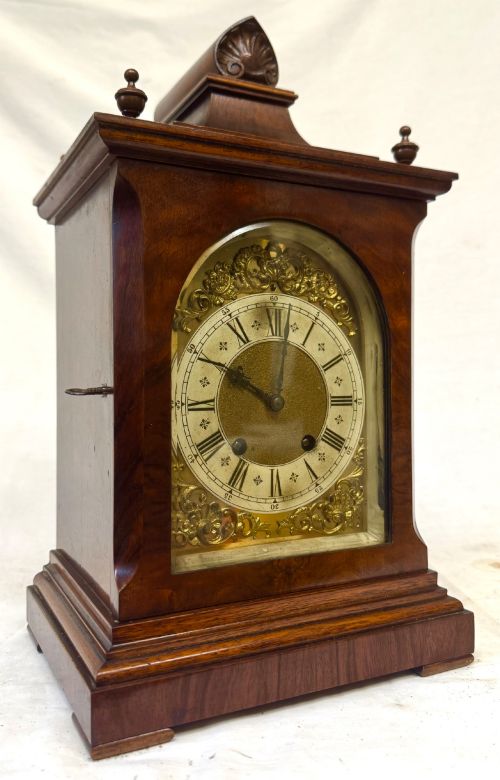
The pieces span multiple eras, including Victorian, Edwardian and early twentieth-century decades. Oak, mahogany and burr walnut dominate the cabinet woods, paired with brass dials and glass panels.
Domestic spaces accommodate these timepieces according to scale, with wall clocks and mantel versions suiting smaller rooms while longcase pieces anchor larger hallways and reception spaces.
How they were made
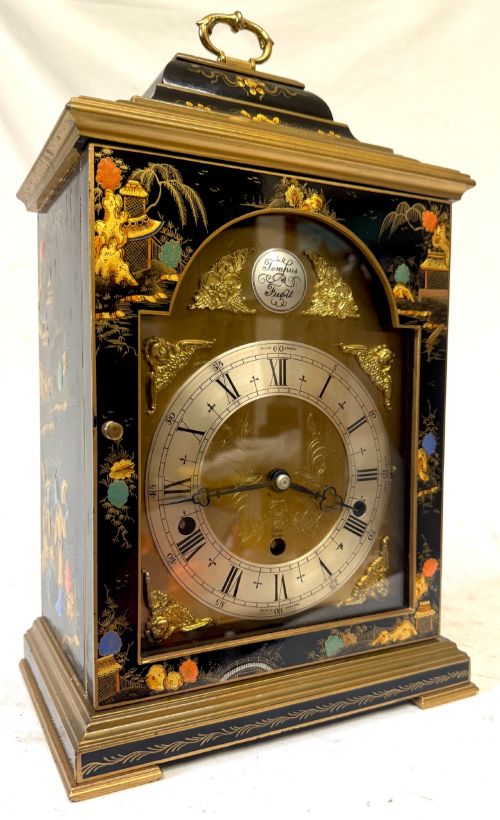
Cabinets utilise hardwoods such as mahogany, oak and burr walnut, sometimes finished with marquetry inlay or lacquer work like black Chinoiserie. Brass forms the dials, bezels and internal movement plates, while glass protects the face.
Mechanical gear trains drive the striking and chiming mechanisms, powered by weights or springs depending on whether the format is a tall longcase or a smaller bracket clock.
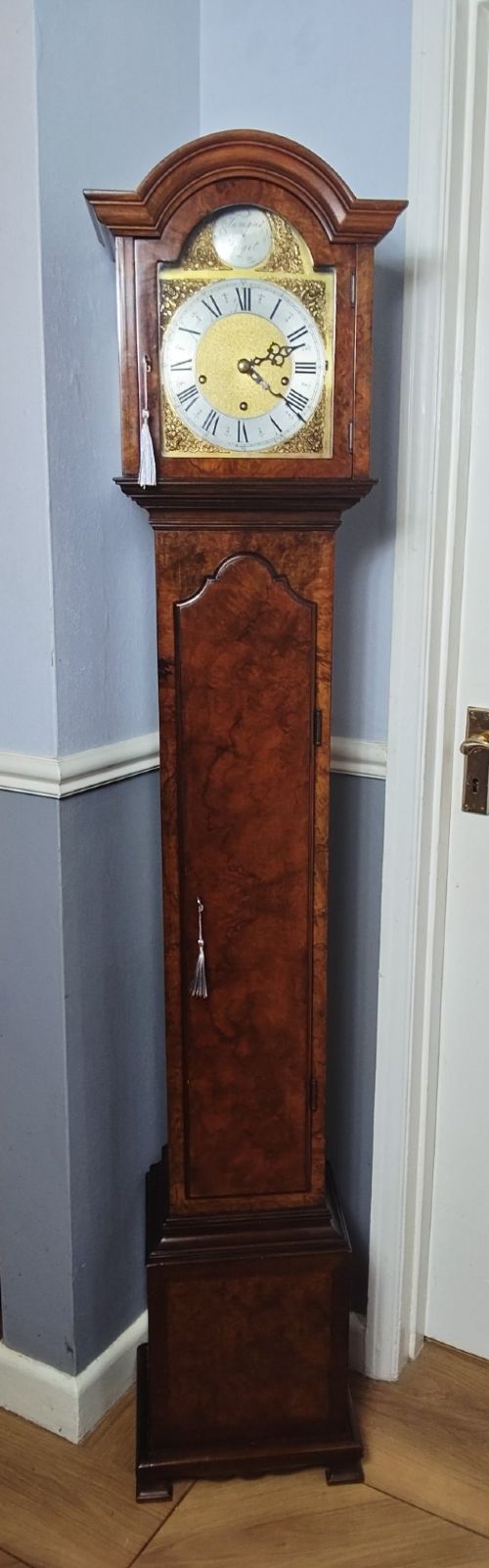
Grandmother clocks offer the theatrical presence of a grandfather clock without demanding high ceilings.
What varies in quality
The sophistication of the movement dictates much of the standing, with three-train setups that play multiple tunes or strike multiple bells sitting above simpler single-train timepieces.
Cabinet construction and timber selection set examples apart, with figured burr walnut veneers, intricate marquetry and solid brass dial fittings marking out superior production.
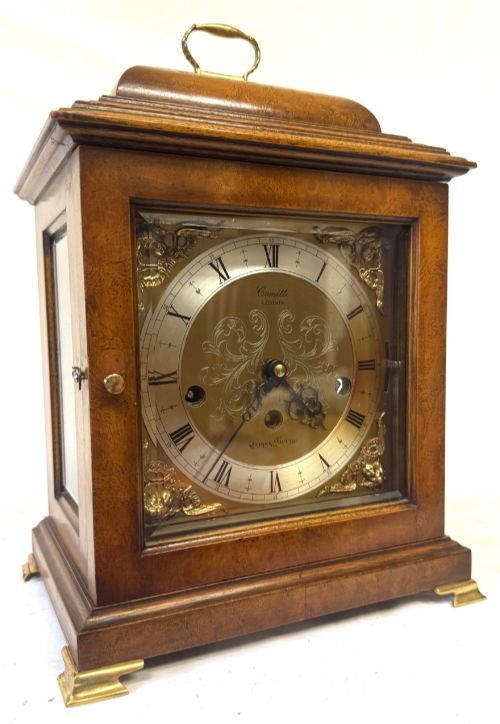
Comitti Of London·Mappin And Webb·Seth Thomas·Winterhalder·Lenzkirch
The Traditional Chime Clock Glossary
- Bracket clock
- A portable table or shelf clock historically designed to sit on a wall bracket. They often feature carrying handles on top.
- Longcase clock
- A tall weight-driven timekeeper housed in a wooden case, commonly called a grandfather or grandmother clock.
- Fusee
- A conical pulley connected to the mainspring by a chain or cord that equalises the torque as the spring unwinds. This mechanism improves timekeeping consistency.
- Triple train
- A movement with three gear trains operating the timekeeping, the hour strike and the musical chimes separately.
Traditional Chime Clock: Frequently Asked Questions
What is a grandmother clock?
A grandmother clock is a smaller, slender version of the traditional longcase grandfather clock.
They emerged to fit domestic spaces with lower ceiling heights while retaining weight-driven chiming movements.
How do three-train movements work?
A three-train movement divides the internal mechanics into three separate sections for time, strike and chime.
One train drives the hands, the second controls the hour strike, and the third operates the musical melody or quarter chimes.
Where should bracket clocks sit?
Bracket clocks suit sturdy tables, mantelpieces or dedicated wall shelves where their sound resonates.
Their enclosed wooden cases project the chime outwards through sound frets or side glass panels.
What woods appear most often?
Walnut, burr walnut, mahogany and oak form the primary timber choices for these clock cases.
Cabinetmakers selected them for stability and polished grain patterns that matched period interior decoration.