

Traditional Central Asian Rug
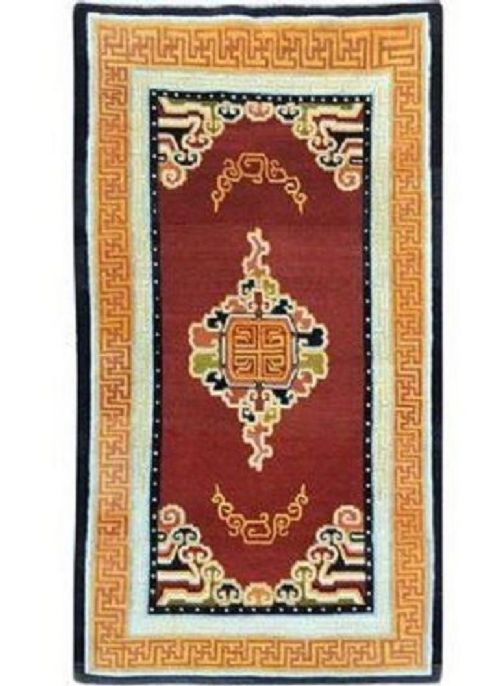
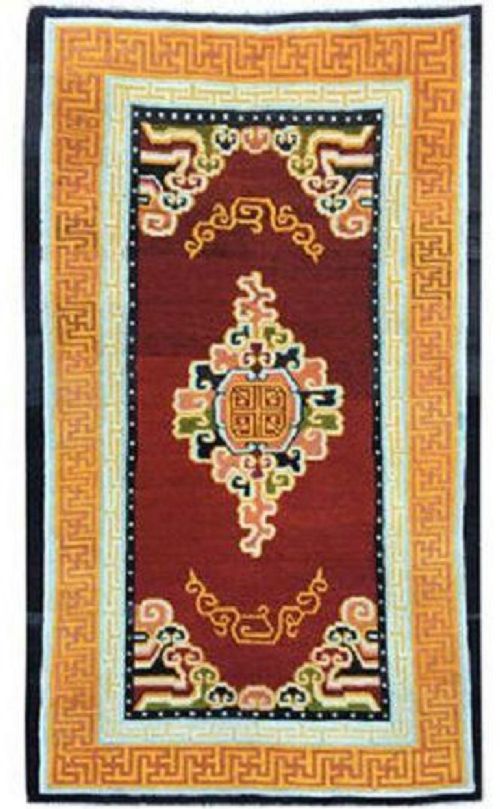
When you search for a traditional central asian rug, you are exploring knotted and embroidered tribal floor coverings and wall panels from nineteenth and early twentieth-century nomadic workshops.
Traditional Central Asian Rug
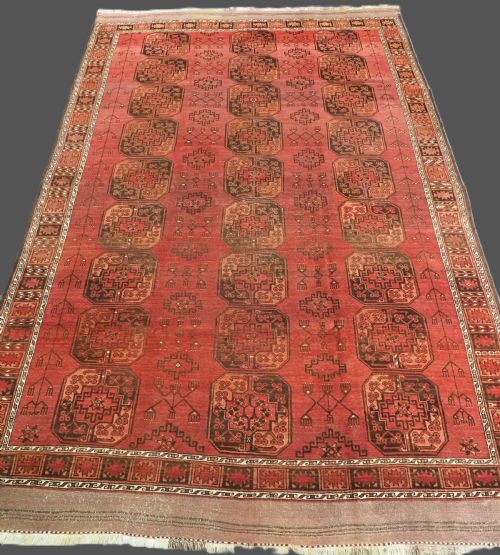
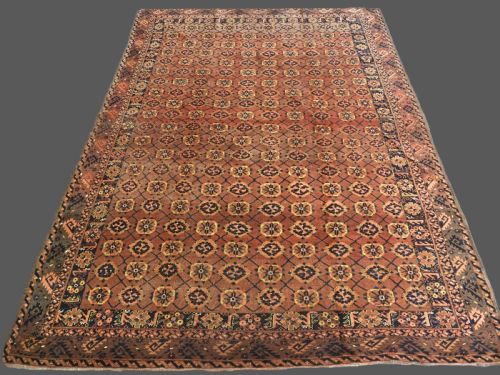
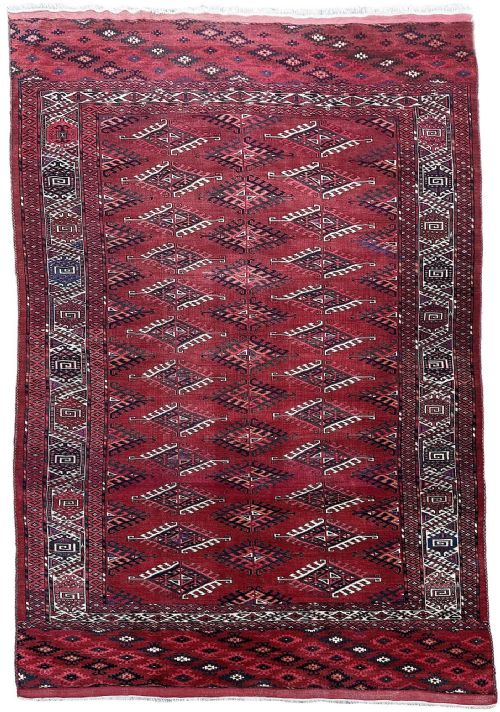
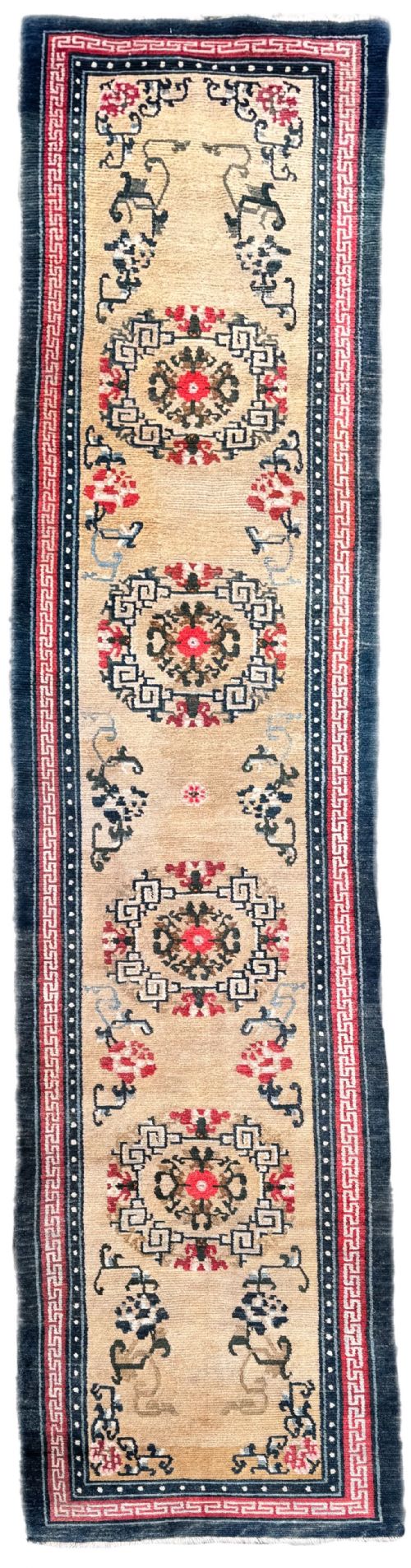
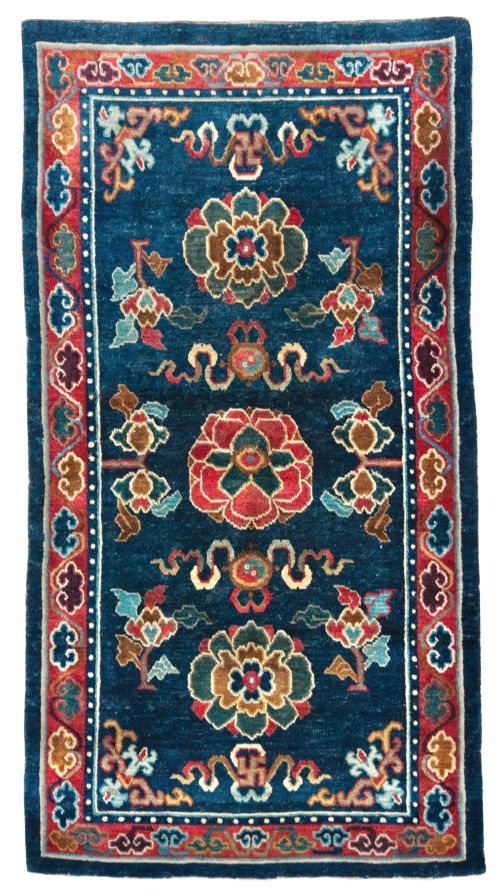
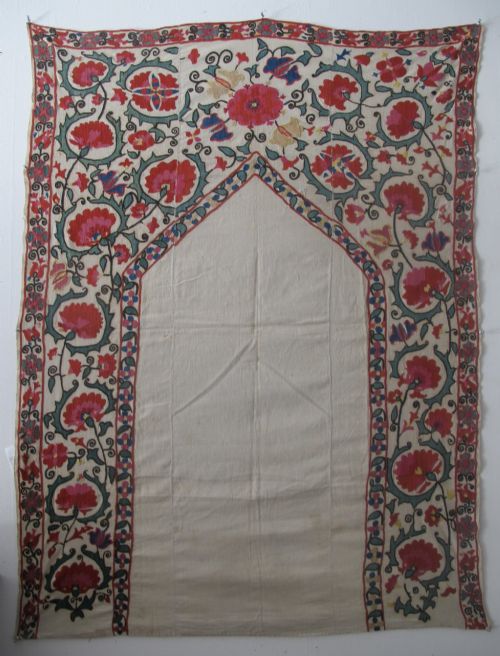
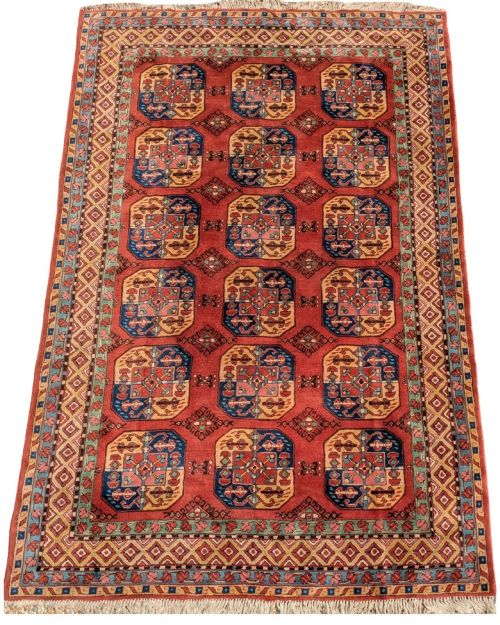
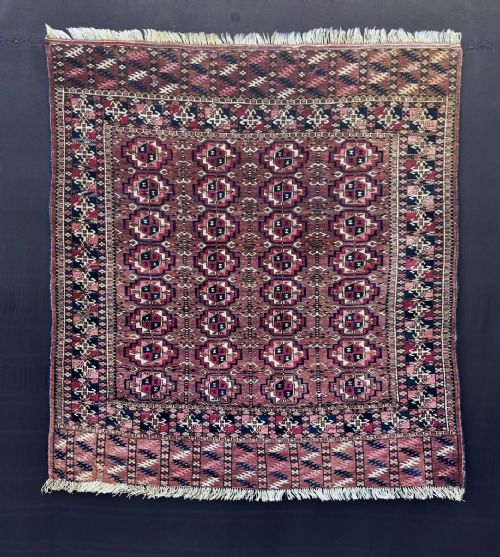
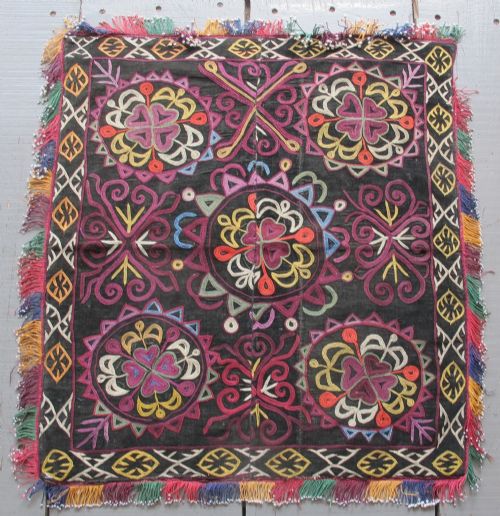
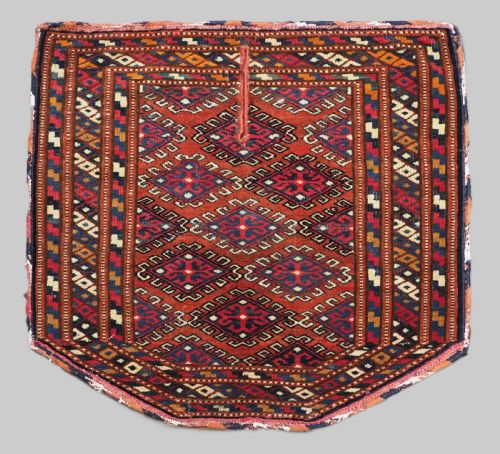
A traditional central asian rug encompasses woven carpets, embroidered wall hangings, and functional tent-bag faces originating from regions spanning Turkmenistan, Uzbekistan, and Tibet. The inventory on this page consists predominantly of nineteenth-century Turkmen tribal carpets, Uzbek suzanis, and felt panels.
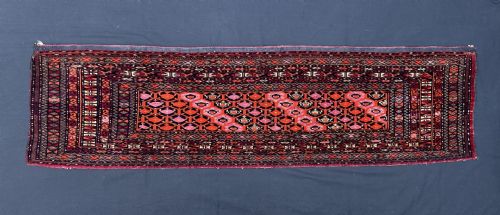
Makers utilised specific regional formats ranging from large main carpets down to small wedding trappings, saddle covers, and runner dimensions. These textiles served both practical nomadic life and domestic hospitality, displaying tribal motifs passed down through generations.
How They Were Made
Weavers constructed pile carpets using hand-spun wool and natural dyes on wool or cotton foundations, frequently incorporating silk highlights for specific motifs. Embroidered panels employed silk thread stitched onto cotton or linen grounds, alongside heavy wool felt bases utilised for applique work.
Tribal dyers achieved rich colour palettes through vegetable and insect sources before synthetic aniline dyes became prevalent towards the close of the nineteenth century. Artisans spun fibres by hand to yield dense, resilient yarns capable of enduring nomadic conditions.
Traditional Central Asian Rug Retail Price Guide 2026
Typical asking prices for traditional central asian rug among the pieces listed under this phrase on Sellingantiques today, from the lower quarter to the upper quarter. They describe what is for sale here now, not the wider market.
Listings span multiple nineteenth-century nomadic groups, including the Teke, Yomut, and Ersari tribes of Turkmenistan.
What Varies in Quality
Knot density and structural tightness dictate the longevity and definition of pile weavings, separating standard utilitarian rugs from finer tribal commissions. Precision in drawing and the complexity of geometric or floral layouts also elevate the standing of individual carpets.
The vibrancy and saturation of natural dyestuffs influence visual depth, while the integrity of surviving borders and original side-cordings preserves historical completeness. In embroidered panels, the finesse of needlework and the complexity of the silk layout determine execution standards.
The Traditional Central Asian Rug Glossary
- Gul
- A primary octagonal or gabled medallion motif repeated across Turkmen carpets. Each tribal group traditionally wove distinct variations of these primary patterns.
- Torba
- A small utility bag face or trapping produced by Turkmen tribes for domestic storage inside yurts. They frequently display intricate secondary gullings and elem panels at the base.
- Asmalyk
- A pentagonal camel trapping used during traditional Turkmen wedding processions. These decorative hangings were mounted on the flanks of bridal animals.
- Adras
- A traditional semi-silk fabric woven with a silk warp and cotton weft, commonly utilised in ikat panels from Bukhara. This blend created a distinct textile weight and surface sheen.
Traditional Central Asian Rug: Frequently Asked Questions
What is a suzani?
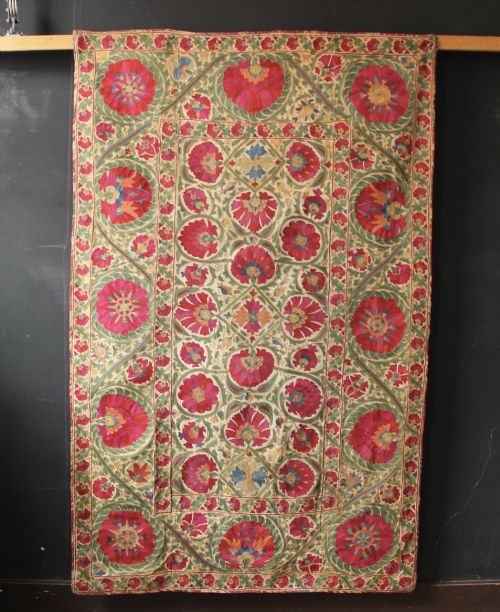
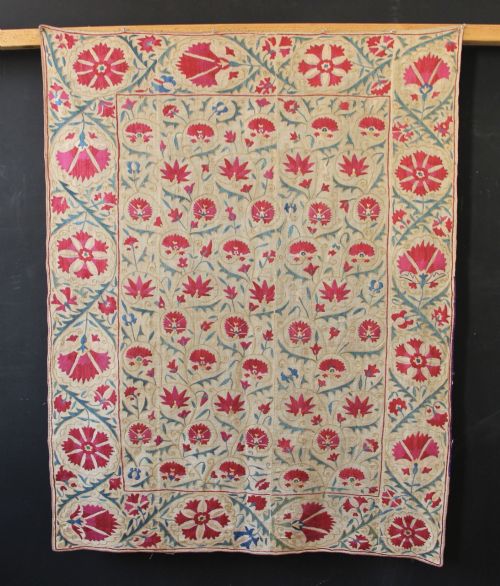
A suzani is a large, hand-embroidered textile panel originating from Uzbekistan and surrounding regions. Women traditionally stitched these pieces as part of a bride's dowry, employing vibrant silk threads on cotton or linen grounds.
Designs typically feature large central medallions, floral vines, and pomegranate motifs symbolising fertility. Families displayed these textiles on interior walls or utilised them as ceremonial coverings during domestic celebrations.
How are tribal rugs dated?
Collectors and dealers determine the age of a traditional central asian rug by examining material composition, dye types, and structural weave characteristics. The introduction of synthetic chemical dyes in the late nineteenth century provides a reliable chronological marker for separating earlier pieces from later ones.
Structural evidence such as hand-spun versus machine-spun wool, foundation materials, and tribal attribution further refine the period of origin. Stylistic evolution within specific weaving groups also helps narrow down the decade of production.
Where were these textiles made?
Nomadic and settled populations produced these textiles across historical Central Asia, encompassing modern-day Turkmenistan, Uzbekistan, and neighbouring territories. Different tribal confederations, such as the Teke, Yomut, and Ersari, occupied distinct desert and oasis regions.
Urban centres like Bukhara and Shakrisabz developed specialised embroidery workshops for suzanis and decorative panels. Meanwhile, pastoral groups wove heavy pile carpets and tent trappings suited to nomadic encampments.
How do I care for an antique rug?
Proper maintenance involves regular, gentle vacuuming without rotating brush heads to prevent fibre abrasion and fringe damage. Keeping textile pieces away from direct sunlight prevents the fading of natural vegetable dyes over time.
Professional textile conservation cleaners should handle washing and deep maintenance to protect fragile wool foundations and silk embroidery. Rotating the placement of floor rugs ensures even wear across traffic areas.