

Traditional Caucasian Weaving
Traditional caucasian weaving brings dense geometric symbolism and striking palettes straight from nineteenth and early twentieth century tribal workshops into modern spaces.
Traditional Caucasian Weaving
Traditional caucasian weaving encompasses hand-knotted rugs, carpets, runners and flat-weave kilims originating from the Caucasus region. Buyers searching for traditional caucasian weaving typically encounter antique pieces dating from the mid nineteenth century up through the nineteen-thirties.
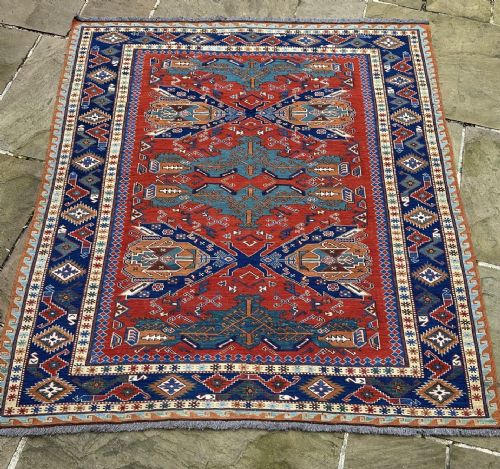
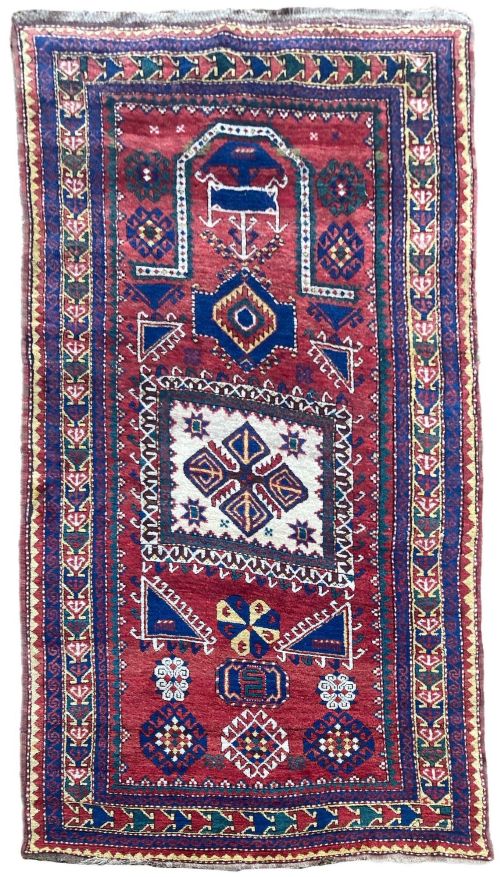
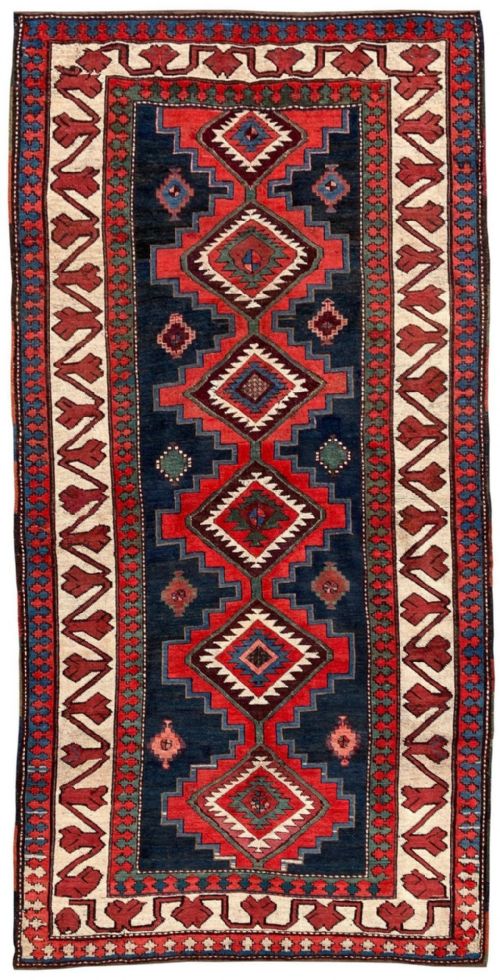
The inventory on this page ranges from prayer rugs and hallway runners to large carpets attributed to specific regional styles like Kazak, Shirvan and Karabagh. These floor coverings reflect the diverse tribal traditions of Kurdish, Shahsavan and regional weavers working across the Caucasus.
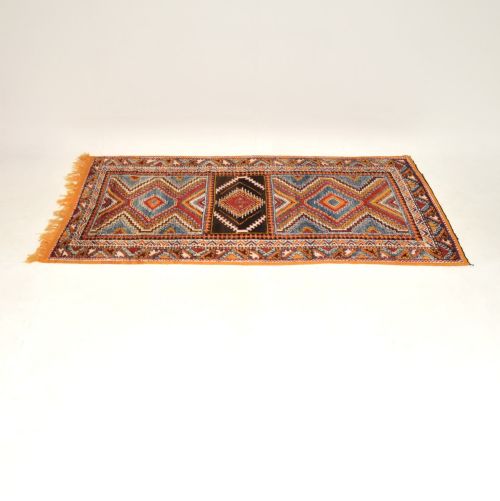
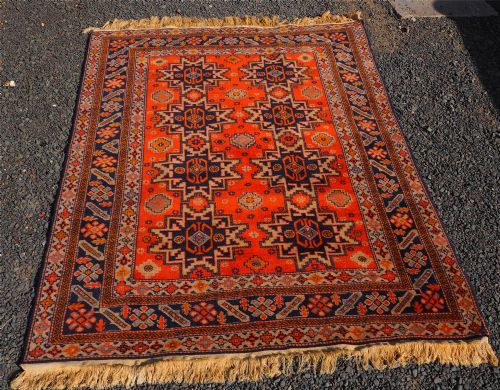
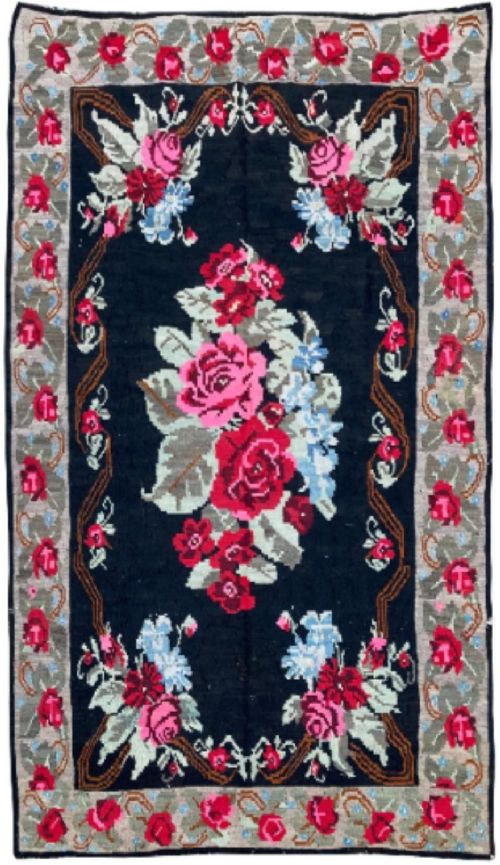
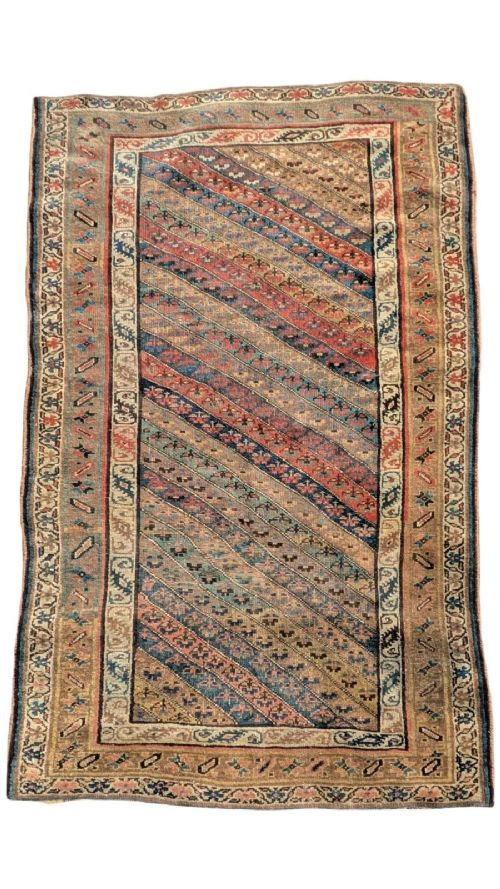
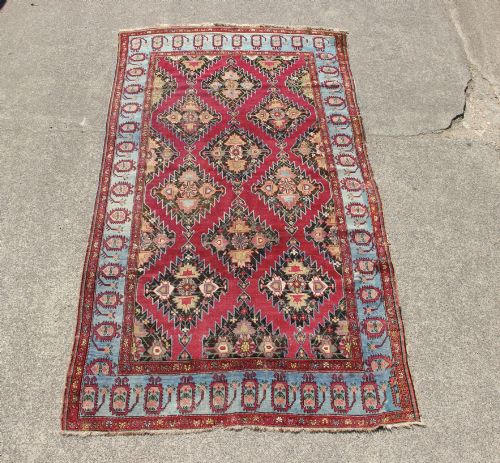
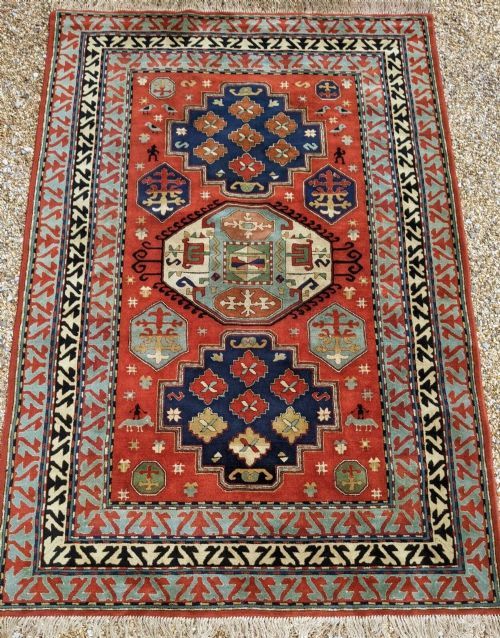
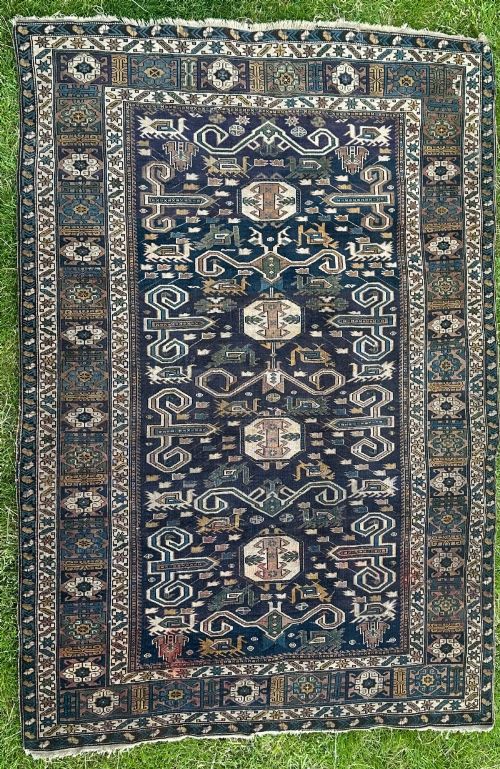
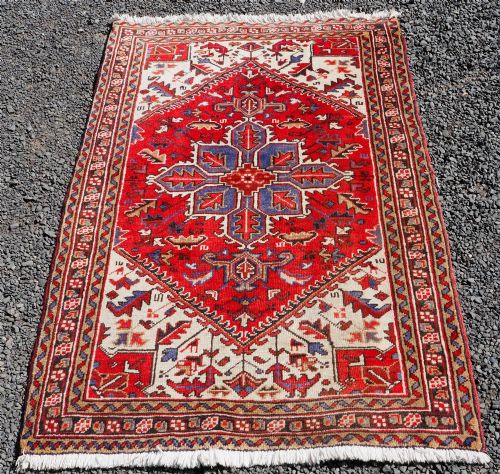
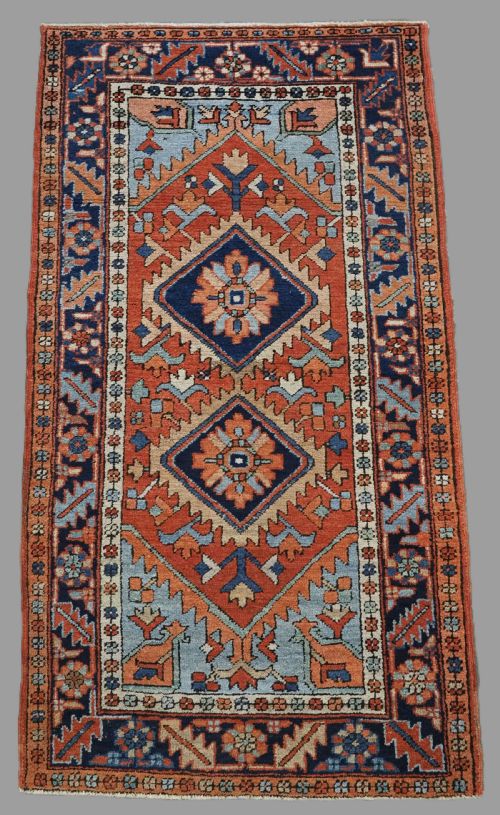
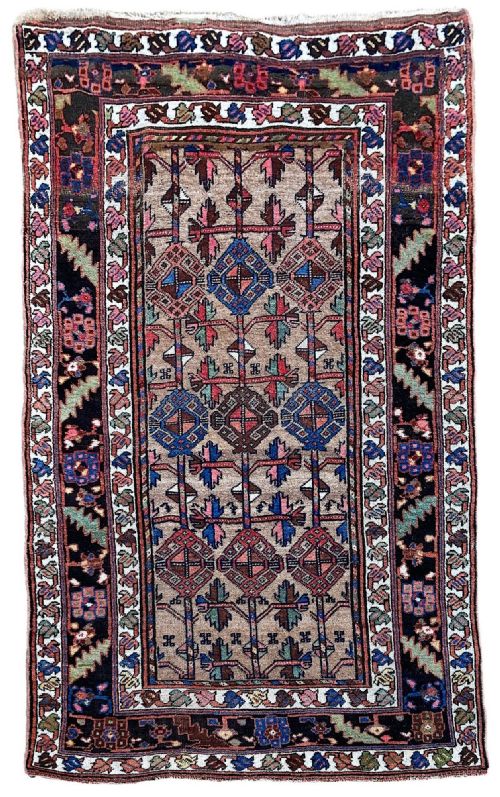
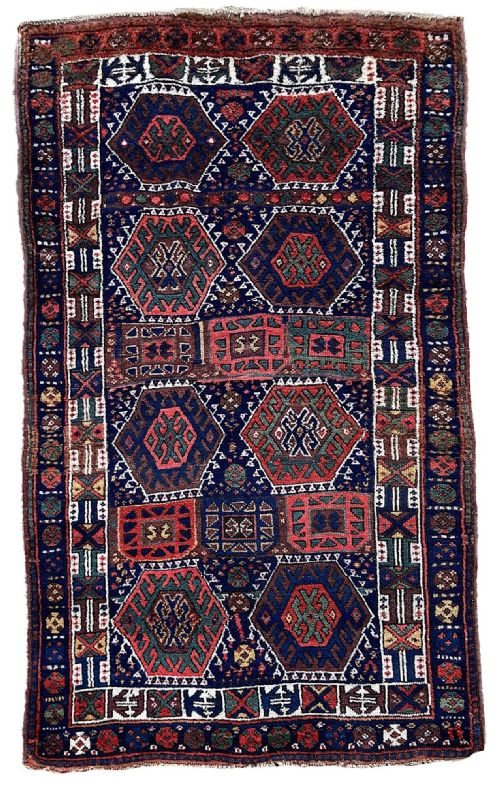
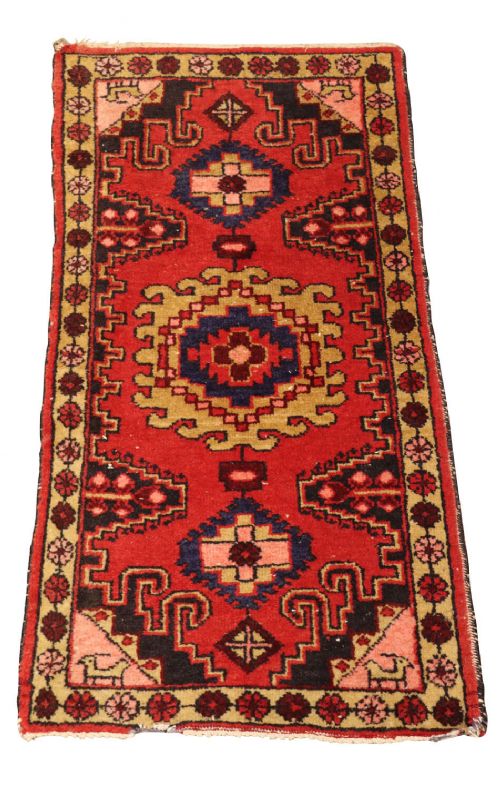
Geometric medallions, animal motifs and repeating guls dominate the visual language of these textiles. Pieces appear in various sizes, from small scatter formats to grand room-sized carpets.
How traditional caucasian weaving was made
Weavers constructed these textiles predominantly using wool pile on wool or cotton foundations, alongside flat-weave sumac and kilim techniques. Hand-spun wool supplied the durable pile necessary for daily floor use in rugged country houses.
Natural dyes infused the wool with rich hues that mellow gracefully over decades. Artisans utilised regional dye plants to achieve the characteristic deep tones seen across Kazak and Shirvan productions.
Listings span production dates from eighteen-fifty through nineteen-forty, executed in wool, cotton, hand-spun wool and natural dyes.
What varies in quality in traditional caucasian weaving
Quality separates along the crispness of the geometric drawing and the saturation of the natural dyes. Finer examples display tightly packed knots and precise execution of complex tribal motifs like the Memlinc guls.
The integrity of the original borders and the clarity of the wool pile dictate the standing of an individual piece. Superior weaving balances structural durability with harmonious colour ageing.
The Traditional Caucasian Weaving Glossary
- Kazak
- A distinct style of rug originating from the western Caucasus known for bold geometric medallions and saturated primary colours. These pieces often feature heavy wool pile and robust proportions.
- Kilim
- A flat-weave carpet produced without a pile by tightly interweaving warp and weft threads. These textiles serve as lighter floor coverings or wall hangings.
- Prayer rug
- A small format rug featuring a directional mihrab arch design used traditionally for daily devotions. Shirvan and Kazak regions frequently produced these focused formats.
- Sumac
- A supplementary weft-wrapping technique that creates a durable, textured surface on flat-woven bags and carpets. Shahsavan weavers employed this method for functional horse covers and storage sacks.
- Gul
- A medallion or repeating octagonal motif commonly found in tribal rugs. Kurdish and Kazak weavers utilised these geometric emblems across various carpet structures.
Traditional Caucasian Weaving: Frequently Asked Questions
Where were these rugs made?
These textiles originate from the Caucasus region, spanning areas associated with modern Armenia, Azerbaijan and regional tribal territories. Local weavers produced them in distinct cultural pockets.
Specific stylistic groups such as Kazak, Shirvan and Karabagh developed unique weaving signatures based on their geographic location.
How do I clean an antique rug?
Antique wool rugs require gentle maintenance and professional specialist cleaning rather than standard domestic washing. Regular light vacuuming without a beating brush helps remove grit from the pile.
Keeping the textile away from direct, prolonged sunlight preserves the natural dyes used in these historic pieces.
What is the difference between a kilim and a rug?
A kilim is woven flat without any raised pile, resulting in a lighter textile that can be used on floors or hung on walls. Standard rugs feature a dense wool pile knotted onto a foundation.
Both forms utilise traditional geometric designs characteristic of nineteenth and early twentieth century Caucasian production.
How do I identify a Kazak rug?
Kazak rugs are typically characterised by bold, large-scale geometric medallions, hooked polygons and vibrant primary colours. They generally feature a heavier wool pile and coarser knotting compared to eastern Caucasian pieces.
Regional subgroups like Fachralo or Borchalu exhibit specific variations in border arrangements and central medallion layouts.
Can I put these rugs in high traffic areas?
Hand-spun wool and sturdy cotton foundations make these antique carpets remarkably durable for domestic environments. Hallway runners and heavy pile carpets were originally built for functional daily use.
Placing a suitable underlay beneath the textile prevents slipping and reduces friction against hard floor surfaces.