
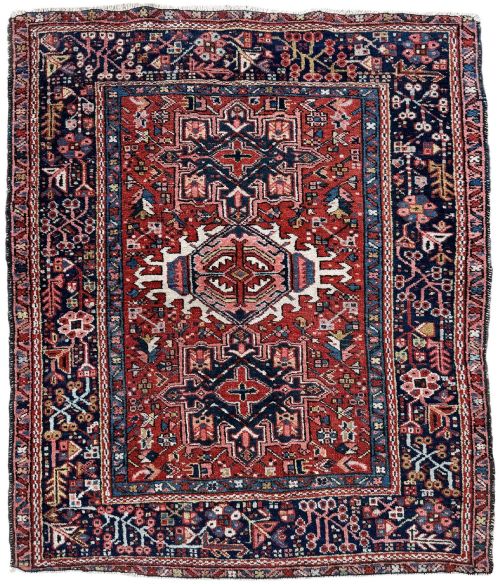
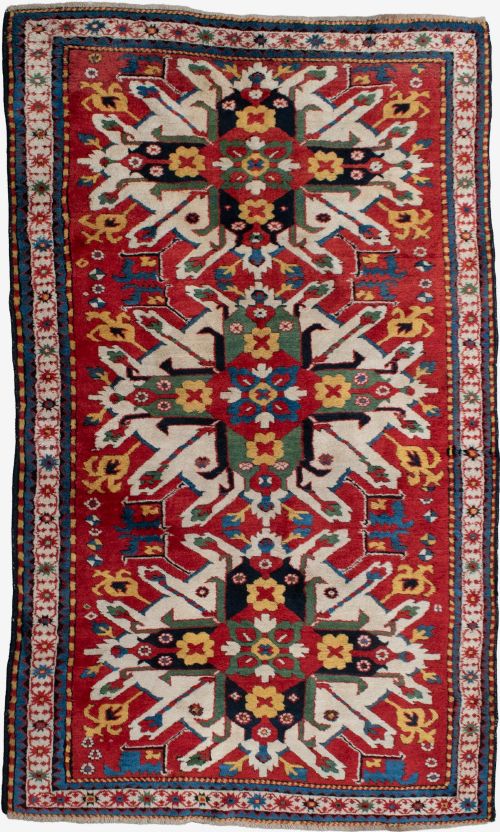
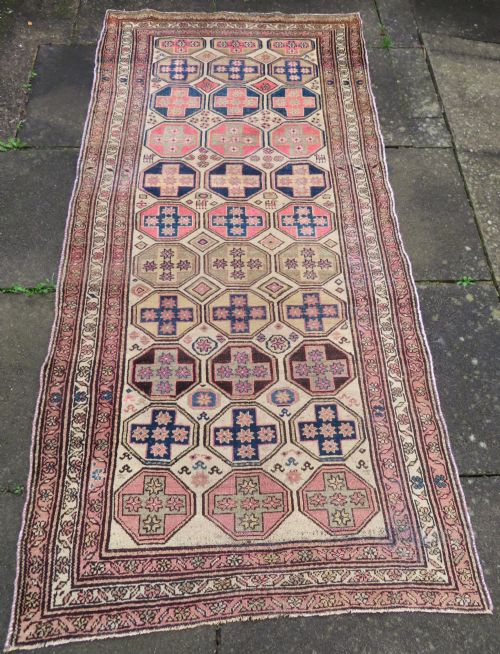
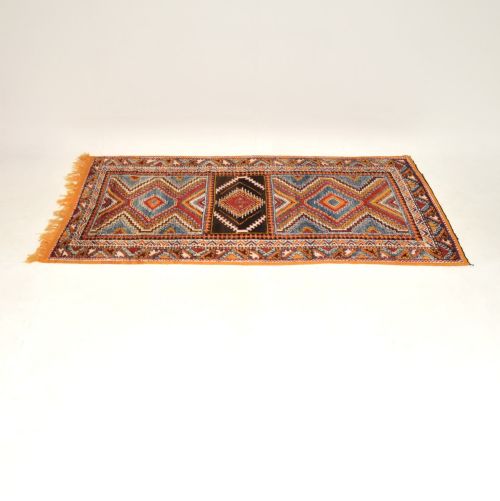
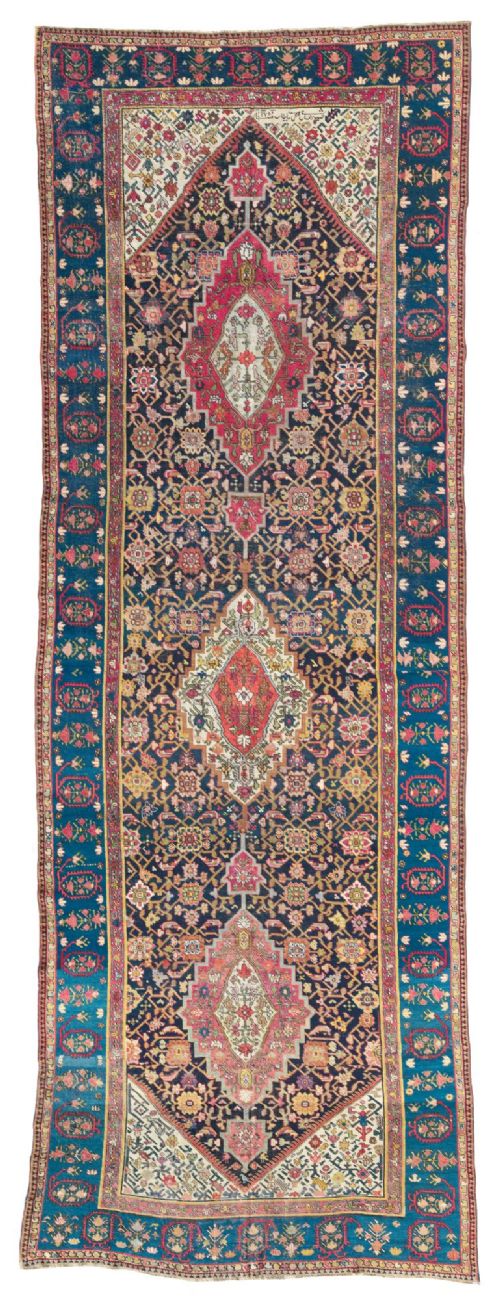
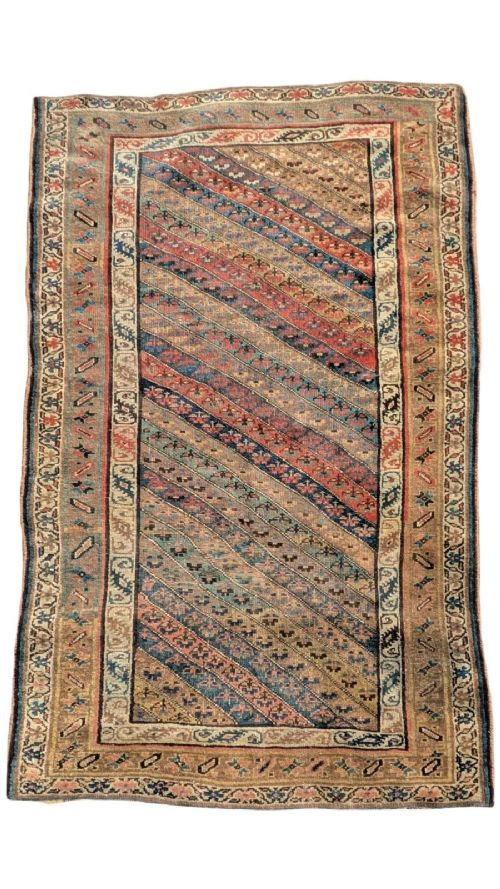
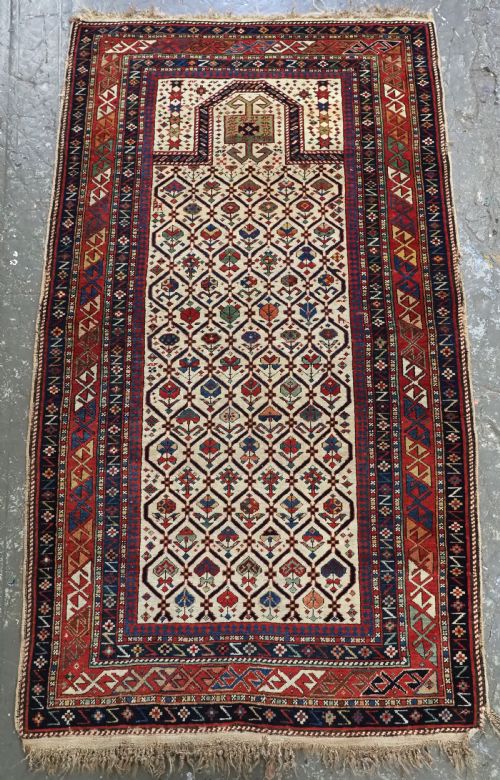
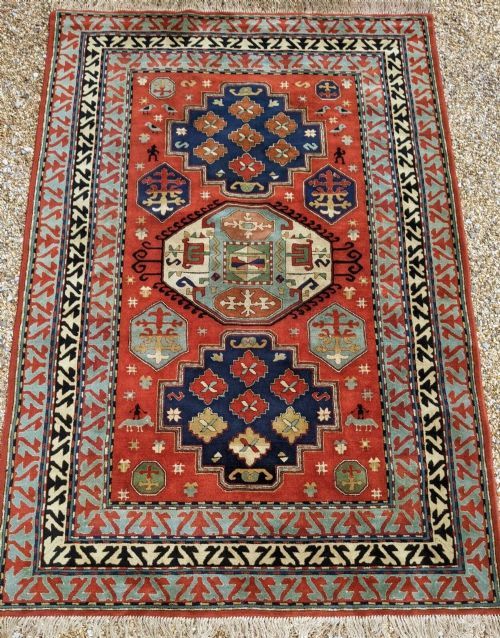


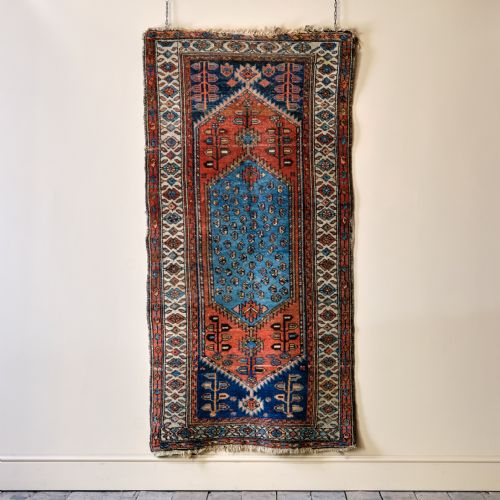
Antique Caucasian Floor Rug
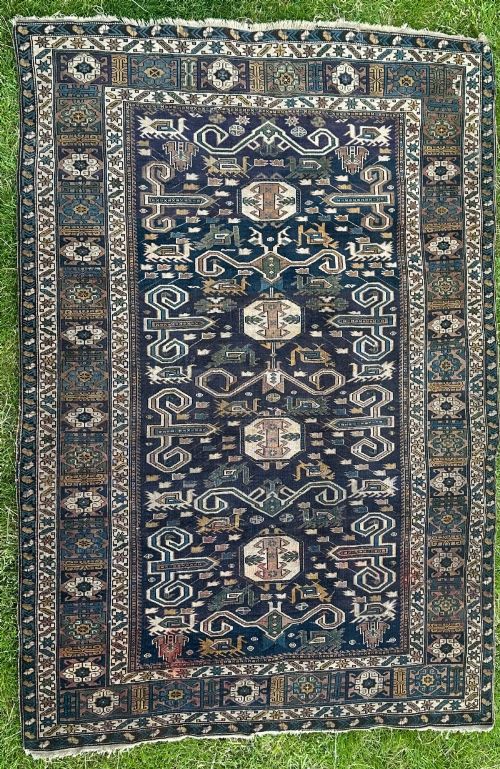
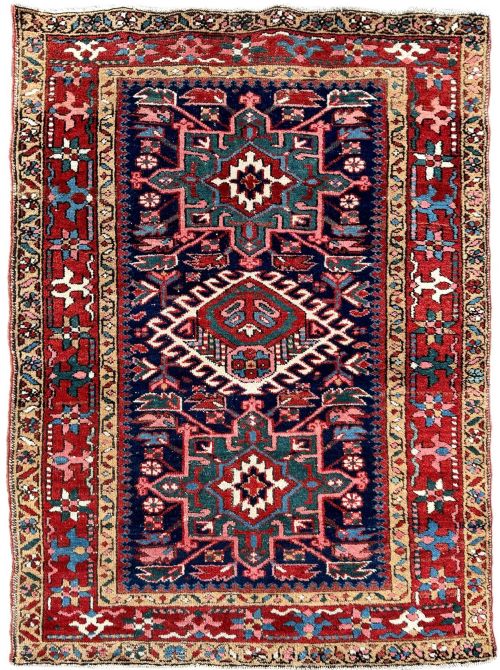
An antique caucasian floor rug brings distinct tribal geometries and rich regional weaving traditions directly to a hallway or living space.
Antique Caucasian Floor Rug
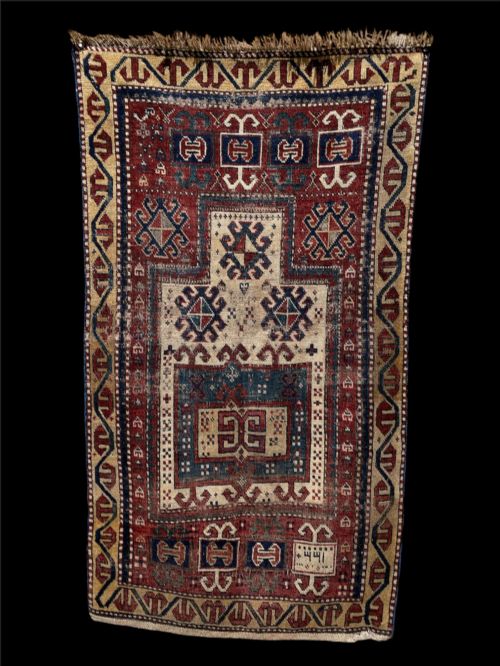
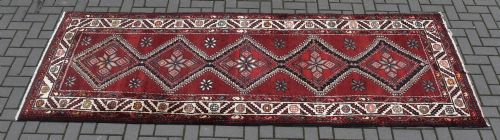
An antique caucasian floor rug encompasses diverse village and nomadic floor coverings originating from the Caucasus region and surrounding tribal territories. When searching for an antique caucasian floor rug, buyers typically encounter formats ranging from square area pieces to elongated hallway runners and specific regional formats like prayer rugs.
The selection includes pieces associated with specific styles such as Kazak, Shirvan, Karabagh, and Dagestan, alongside related tribal and nomadic expressions from Kurdish and Persian borderlands. These floor coverings bridge functional domestic textiles and highly collectible tribal art forms created during the nineteenth and early twentieth centuries.
Materials and construction methods
The primary structural materials recorded in these woven pieces are wool and cotton, utilising hand-spun wool for the pile to achieve variable surface textures and deep colour retention. Artisans employed hand-knotted and flat-weave techniques, constructing carpets and kilims designed for rigorous everyday utility.
Foundation yarns typically combine wool and cotton to support dense pile construction or precise flat-weave structures. Natural dyeing traditions underpin the colour palettes visible across these regional village and nomadic productions.
The listings span nineteenth-century pieces up to the 1930s, featuring wool and hand-spun wool materials across diverse runner and area rug formats.
Markers of distinction in weaving quality
Quality separates along the precision of the geometric layout, the crispness of tribal motifs such as Lezghi stars or floral lattices, and the integrity of the original borders. Finer examples display superior knot density and disciplined execution of traditional regional patterns.
Condition and originality heavily influence the standing of an individual piece, particularly regarding the preservation of original end finishes and pile depth. Stronger examples maintain balanced wool distribution and intact selvedges that reflect careful historical use.
The Antique Caucasian Floor Rug Glossary
- Kazak
- A designated style of rug originating from the southern Caucasus, known for bold geometric medallions and saturated primary colours.
- Prayer rug
- A small-format textile featuring a distinctive architectural niche or mihrab design used traditionally for devotional practice.
- Kelim
- A flat-woven carpet or rug produced without a pile, resulting in a lightweight structure with a pattern visible from both sides.
- Runner
- An elongated narrow floor covering specifically suited for hallways, corridors, and narrow passageways.
- Kelleh
- A large format carpet traditionally proportioned as a long room divider or hearth rug.
Antique Caucasian Floor Rug: Frequently Asked Questions
Where should I place these rugs?
These floor coverings suit low-traffic areas or living spaces where their geometric designs can be appreciated away from excessive moisture and heavy foot friction.
Smaller formats function well as accent pieces or bedside mats, while elongated runner variations suit hallways and narrow landings.
How do I identify different regional types?
Regional styles appear through distinct design vocabularies, such as the bold medallions of Kazak pieces or the detailed lattice work of Dagestan weaves.
Palette choices and border arrangements further distinguish productions from Shirvan, Karabagh, and surrounding tribal territories.
Are flat weaves different from piled rugs?
Flat weaves, or kilims, are constructed without a pile by interlocking warp and weft threads to create a smooth, tapestry-like surface.
Piled rugs incorporate knotted wool yarn onto a cotton or wool foundation, producing a heavier and more cushioned tactile texture.
How should I clean my rug?
Maintenance requires gentle surface dusting and professional specialist cleaning suited to antique textiles rather than domestic immersion washing.
Rotating the piece periodically ensures even exposure to light and wear across the woven surface.