

Caucasian Wool Runner
A caucasian wool runner brings geometric energy and dense pile to a hallway, answering the search for a striking tribal floor covering.
Caucasian Wool Runner
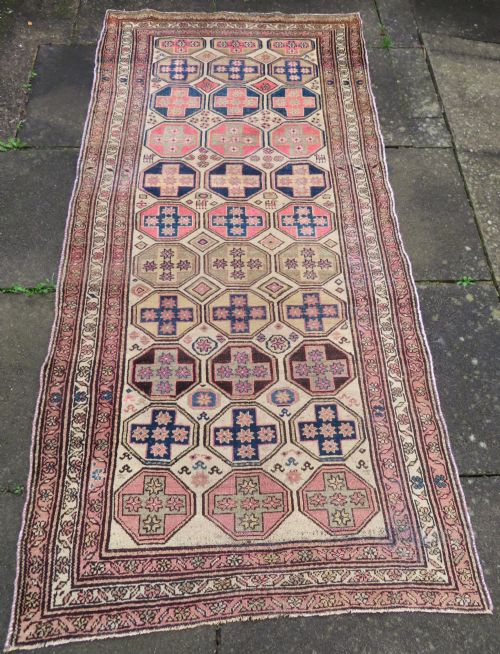
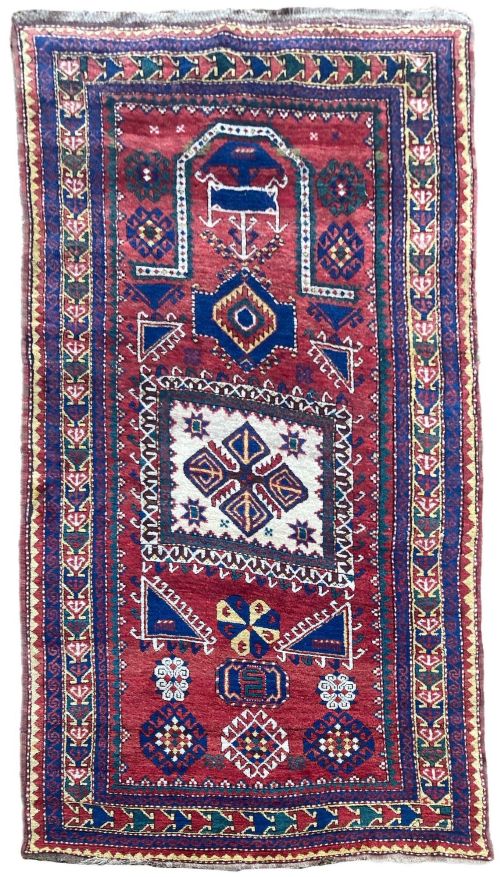
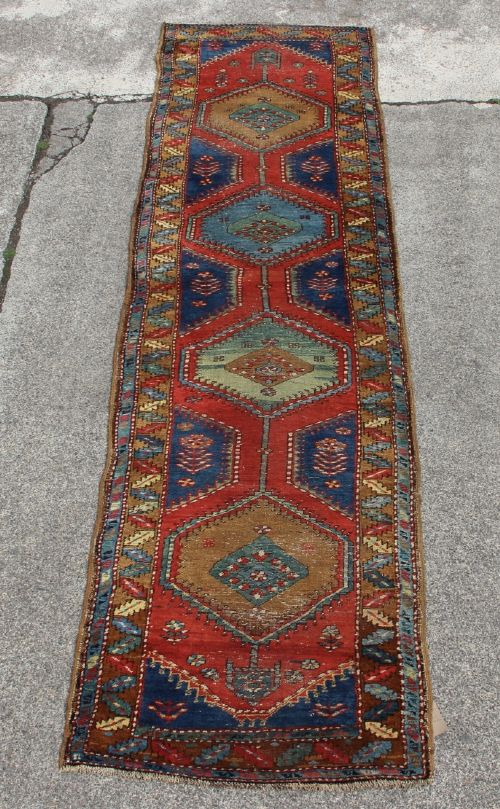
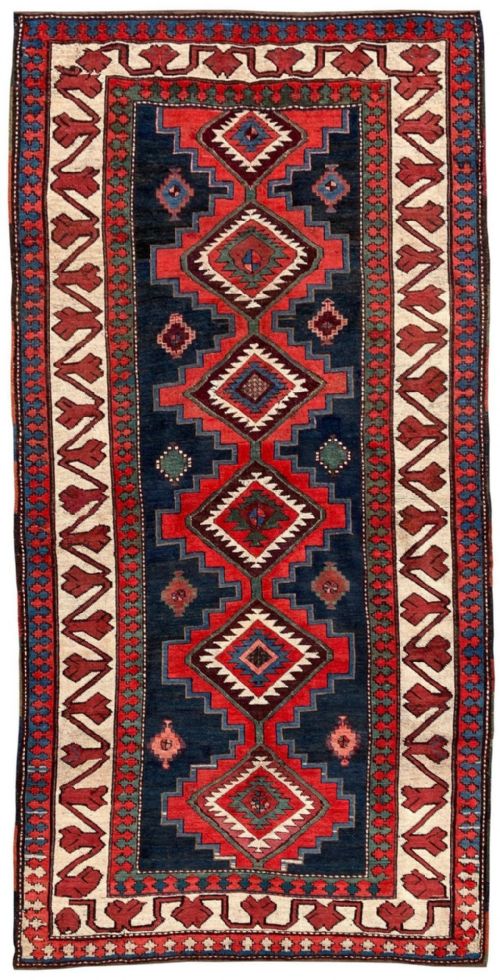
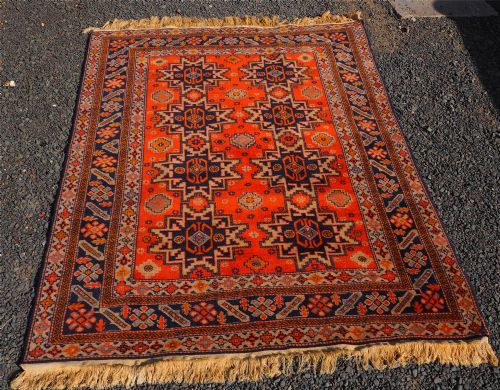
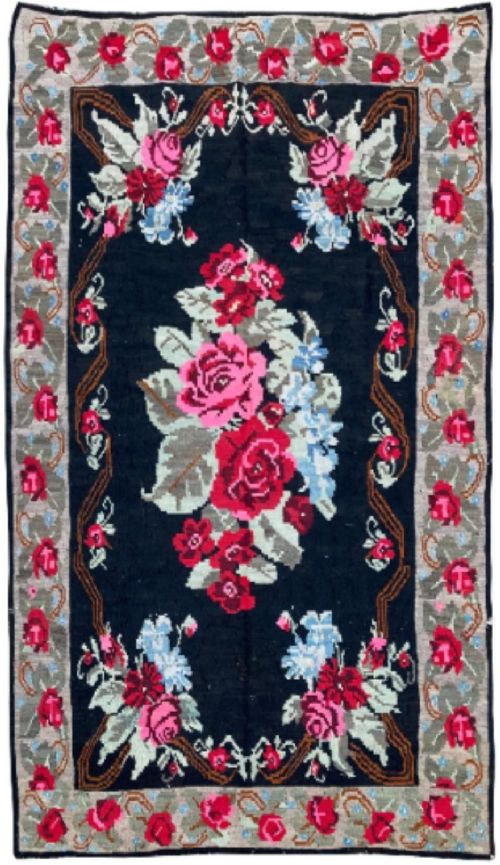
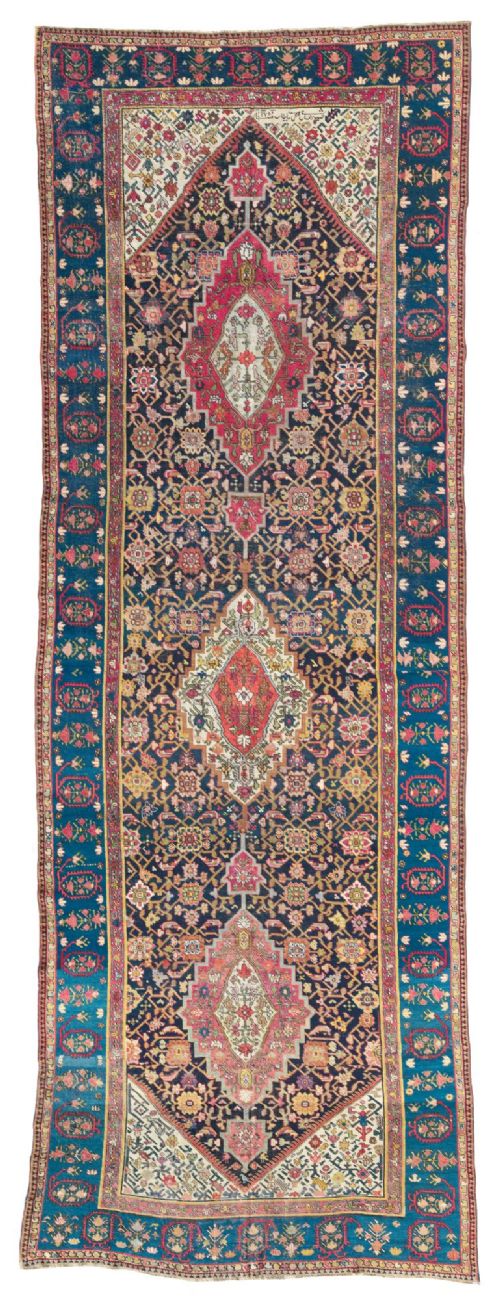
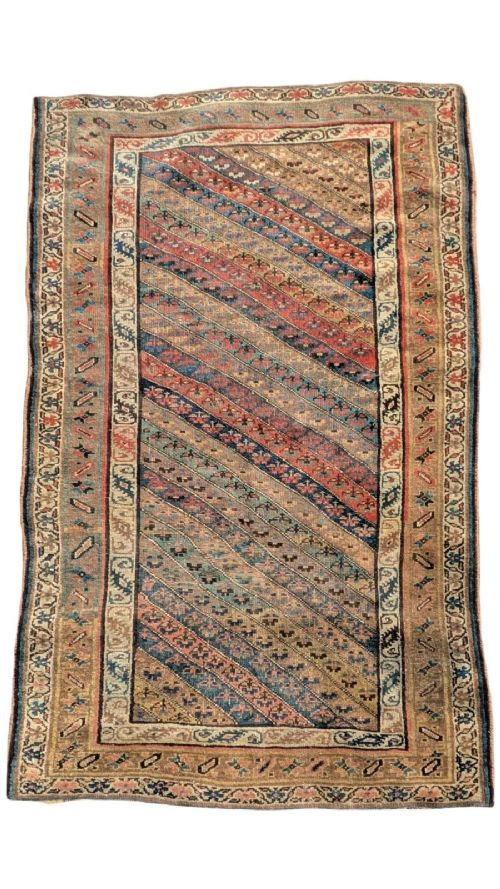
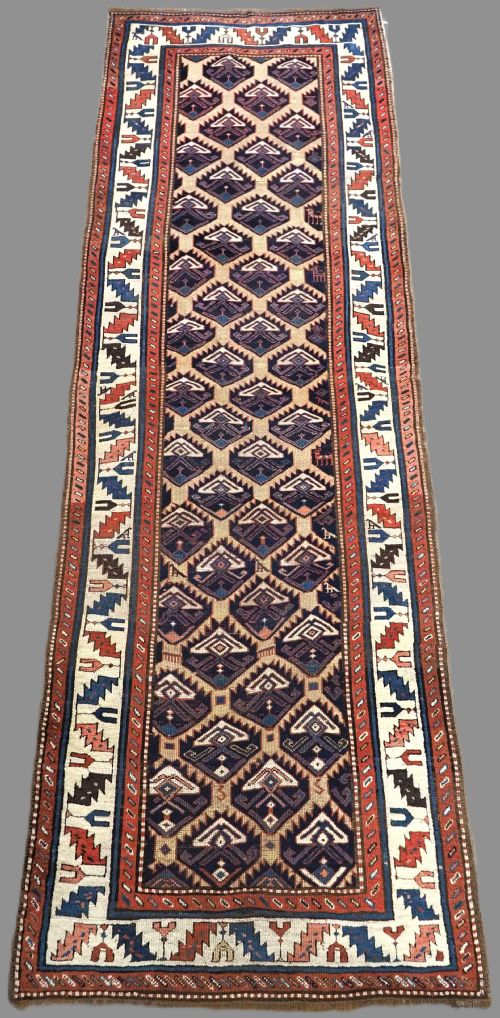
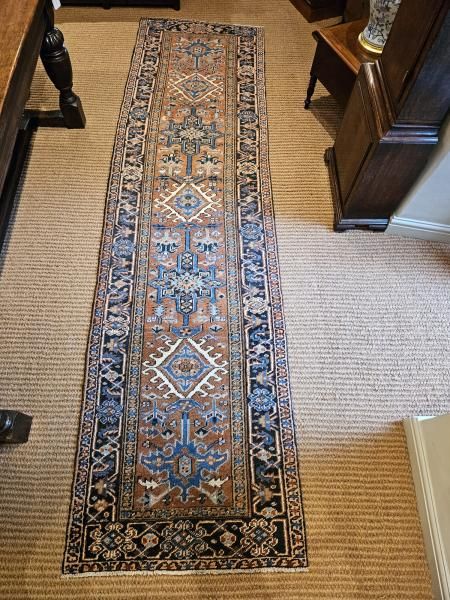
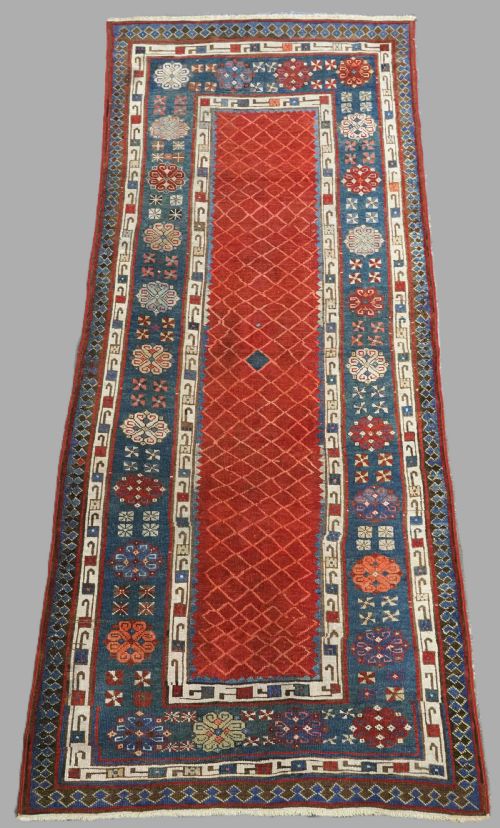
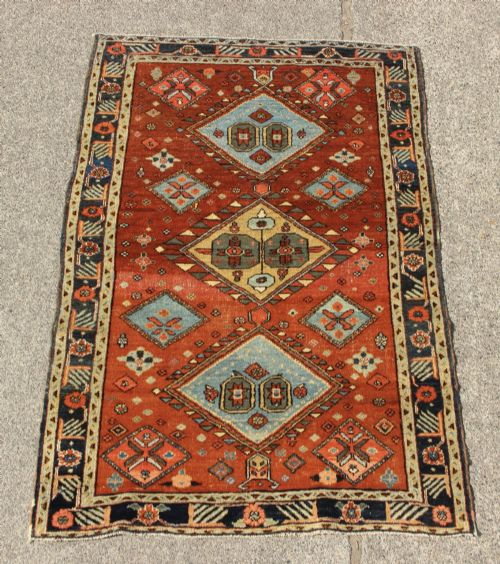
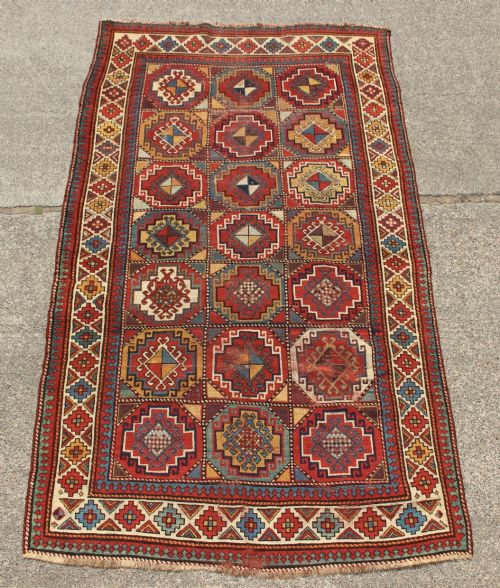
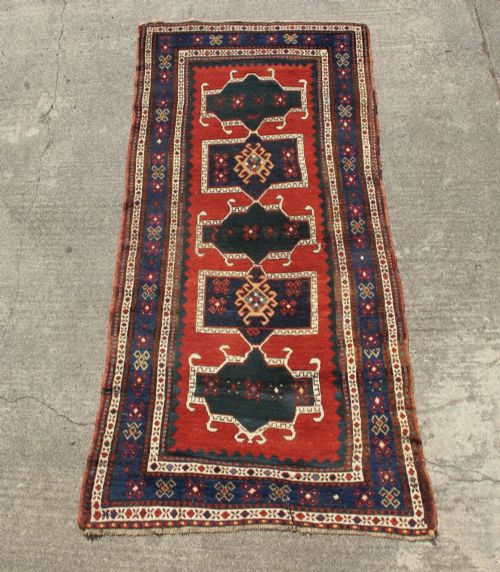
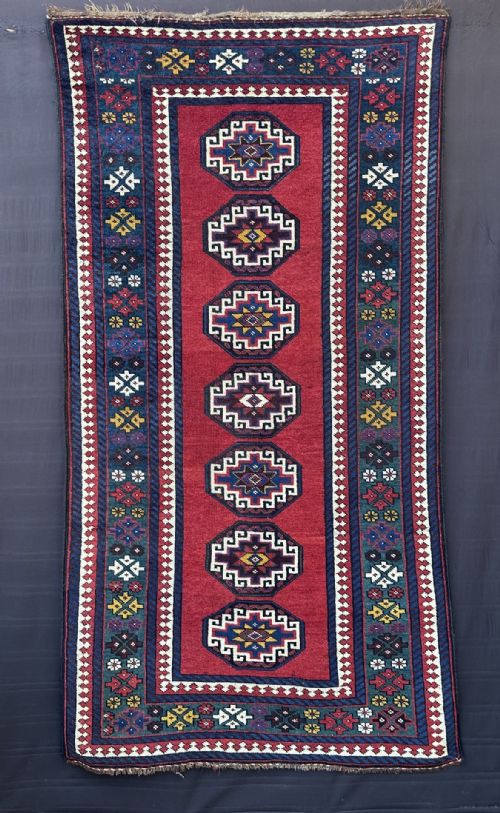
When you search for a caucasian wool runner, you are looking at hand-knotted and handwoven tribal carpets originating from the Caucasus region during the late nineteenth and early twentieth centuries. These pieces display distinct regional identities through bold geometric motifs, animal figures, and medallion designs.
The versions you are most likely to meet on this page span several decades from the 1870s to the 1920s. They include specific tribal types such as Seychour, Kuba, Kazak, Soumak, and Moghan Kazak examples.
Formats range from traditional long runners to narrow rugs and carpet formats designed for heavy domestic use. Their robust construction and striking designs make them enduring choices for corridors and transitional spaces.
How they were made
These textiles are built using natural wool for the pile and foundation elements, alongside cotton used in selected weaves. Weavers tied dense knots by hand on vertical looms to create durable surfaces intended to withstand generations of daily foot traffic.
Techniques varied between piled Kazak and Kuba formats and flat-woven Soumak structures, which utilise wrapping techniques rather than knotted piles. Natural dyes provided rich colour palettes that set the foundation for the characteristic tribal patterns.
Caucasian Wool Runner Retail Price Guide 2026
Typical asking prices for caucasian wool runner among the pieces listed under this phrase on Sellingantiques today, from the lower quarter to the upper quarter. They describe what is for sale here now, not the wider market.
The listings span production dates from 1870 through to 1920, utilising wool and cotton materials across tribal runner and rug formats.
What varies in quality
Quality in these runners rests on the density of the knotting and the crispness of the geometric design work. Finely executed animal motifs and sharply defined medallions indicate superior weaving skill and careful planning by the maker.
The integrity of the wool pile and the balance of the natural colour palette also dictate the standing of a piece within the range. Tighter construction and well-preserved structures separate the finest examples from heavier, simpler utility weaves.
The Caucasian Wool Runner Glossary
- Kazak
- A style of rug originating from the western Caucasus known for bold geometric designs and primary colour palettes. These pieces typically feature strong medallion layouts.
- Soumak
- A flat-weave technique where coloured weft threads are wrapped around the warp threads to create a durable, tapestry-like surface. This method lacks a traditional cut pile.
- Medallion
- A central ornamental motif set within the field of a rug, often repeated in series along the length of a runner. It serves as the primary focal point of the design.
- Memling Gul
- An octagonal tribal motif with hooked edges, frequently found in Caucasian and Anatolian weaving traditions. It takes its name from the fifteenth-century painter who depicted similar rugs.
- Seychour
- A specific provenance in the eastern Caucasus noted for precise geometric borders and distinct repeating patterns. These rugs often display intricate star and cross motifs.
Caucasian Wool Runner: Frequently Asked Questions
How do I use a runner?
These long formats suit narrow transition spaces such as hallways, corridors, and galleys where heavy foot traffic occurs. They add warmth and strong geometric pattern to otherwise plain floors.
Position the runner centrally to allow the borders to frame the space effectively. Ensure you use an appropriate underlay to keep the textile stable on hard flooring.
How old are these pieces?
The examples on this page date from the late nineteenth century through to the early twentieth century, specifically spanning the 1870s to the 1920s. Each piece carries the age markers of traditional tribal weaving.
Determining the age involves examining the wool quality, the nature of the dyes, and the structural wear patterns. These elements reflect the conditions of their original production in the Caucasus.
What is a Soumak weave?
A Soumak weave is a flat-woven structure created by wrapping coloured threads around the warp rather than tying individual pile knots. This produces a textured, sturdy fabric without a traditional fuzzy surface.
This technique results in a thinner profile than piled rugs while maintaining significant strength. It allows for crisp, intricate geometric patterns to appear clearly across the surface.
How do I identify a Kazak rug?
Kazak rugs are identified by their bold, large-scale geometric patterns, primary colour schemes, and robust wool pile. They frequently incorporate hooked polygons, tribal figures, and striking medallion designs.
These pieces originate from the western Caucasus and display a distinct rustic charm. Their straightforward, powerful layouts set them apart from more delicate court carpets.