

Traditional Carved Wood Lamps
Traditional carved wood lamps bring warmth and character to a room, drawing on centuries of craftsmanship in mahogany, oak, walnut and exotic hardwoods.
Traditional Carved Wood Lamps
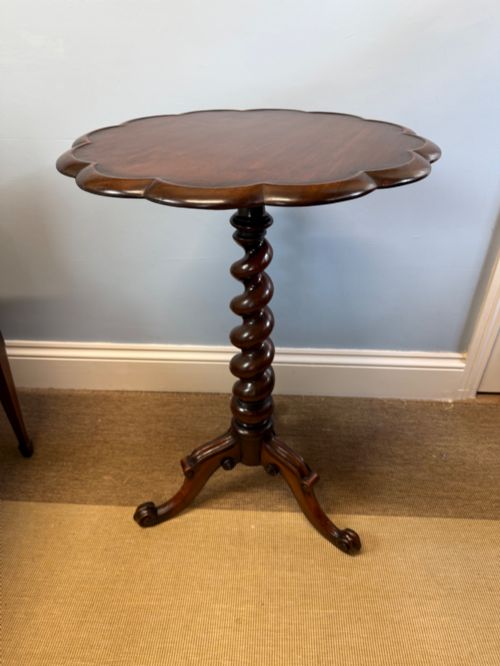
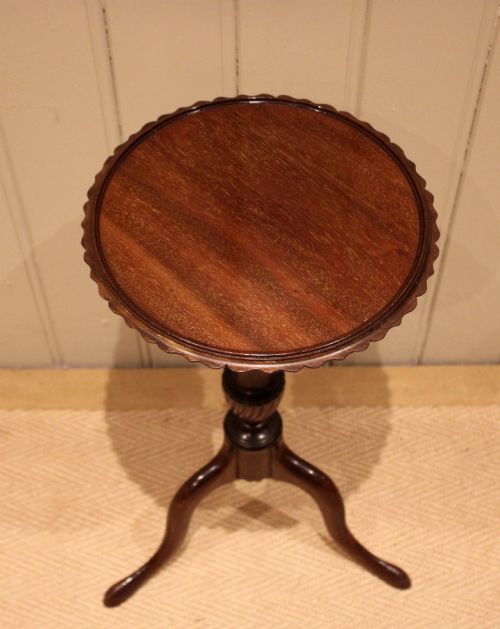
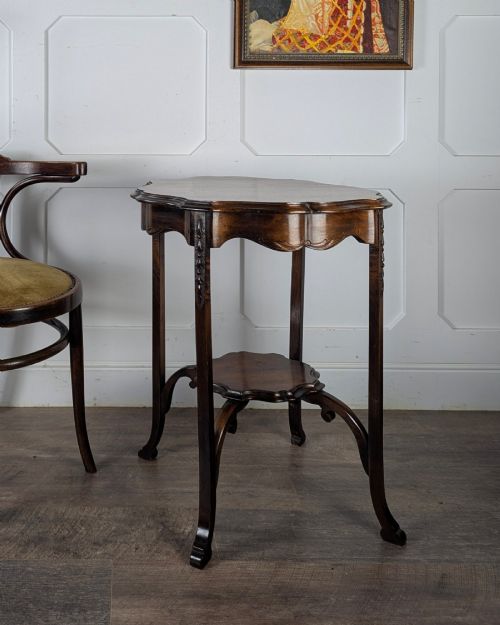
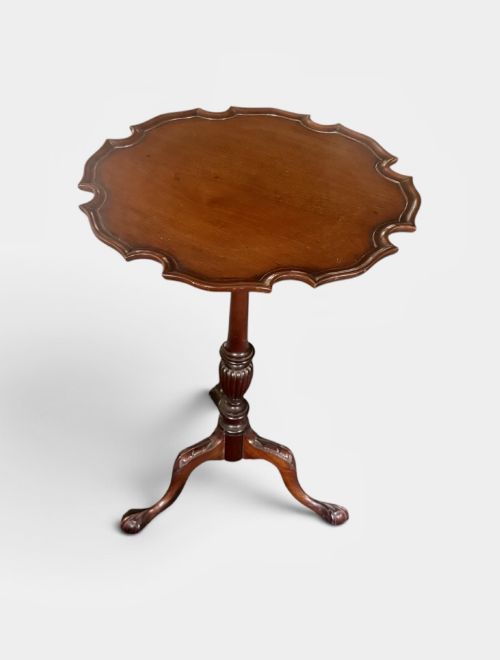
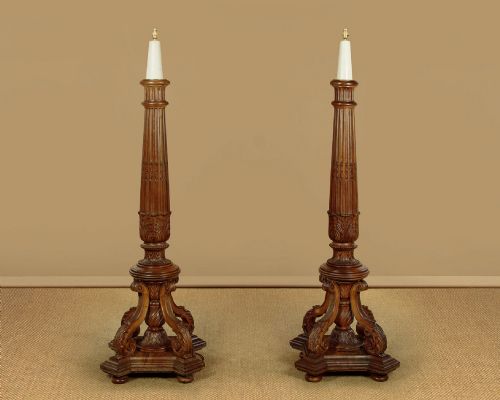
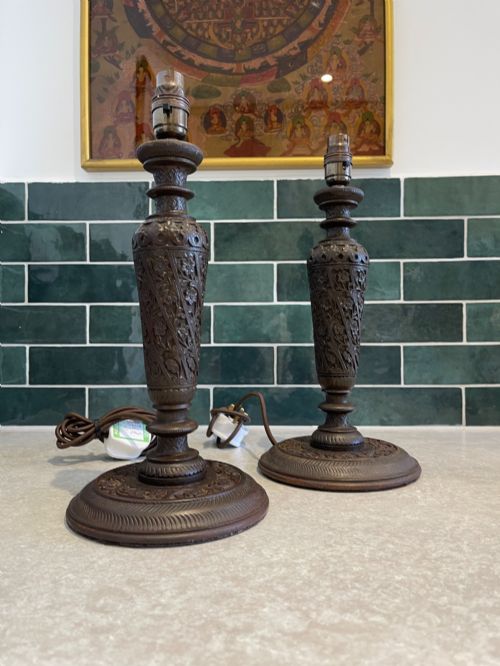
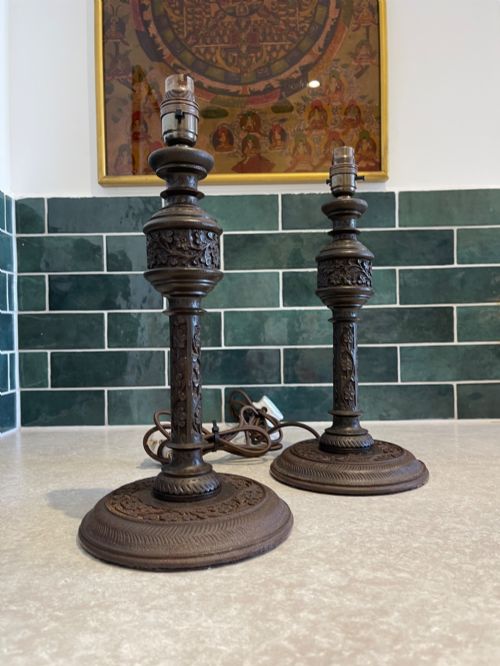
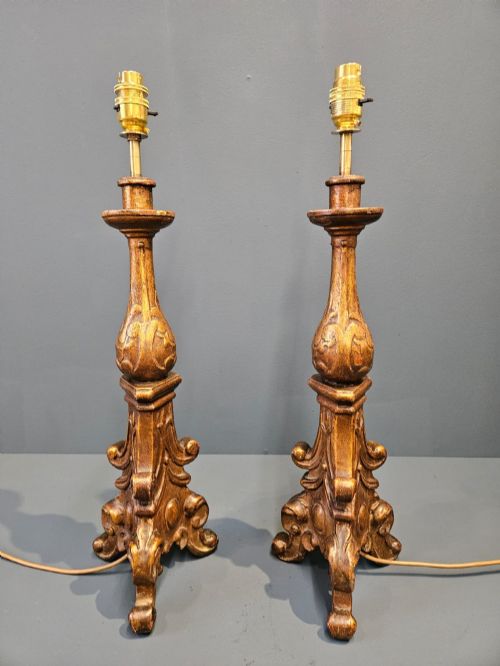
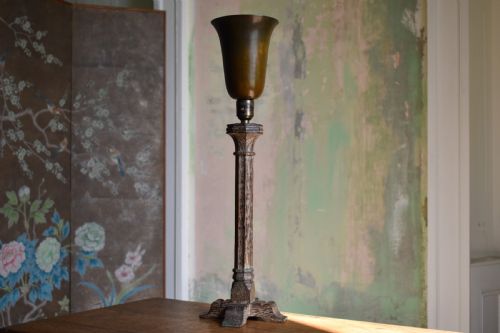
Traditional carved wood lamps encompass floor-standing standard lamps and table-top bases that originate from periods spanning the eighteenth century through to the early twentieth century. Buyers seeking this search phrase encounter standard lamps on tall pedestals, smaller table lamps, and occasional lamp bases fashioned from timber.
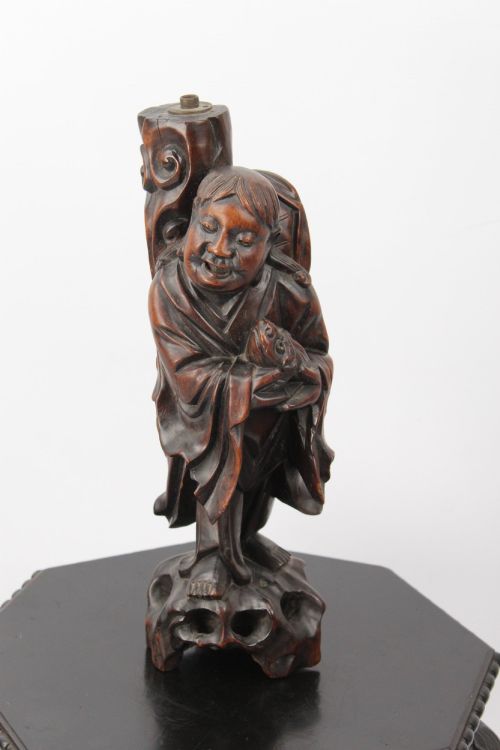
The selections reflect varied regional influences, including Black Forest animal carvings, Anglo-Indian woodwork, Kashmiri motifs and European revival styles such as William IV and Queen Anne. These pieces merge practical illumination with sculptural woodwork, frequently utilising turned columns, barley twists or floral relief carvings.
Makers utilised timber varieties suited to decorative turning and carving, resulting in standard lamps and table lighting produced in mahogany, oak, walnut, elm, ash, padauk and linden wood. Many examples incorporate brass fittings, fabric shades or parcel gilt highlights to complement the carved timber foundations.
Construction and Materials
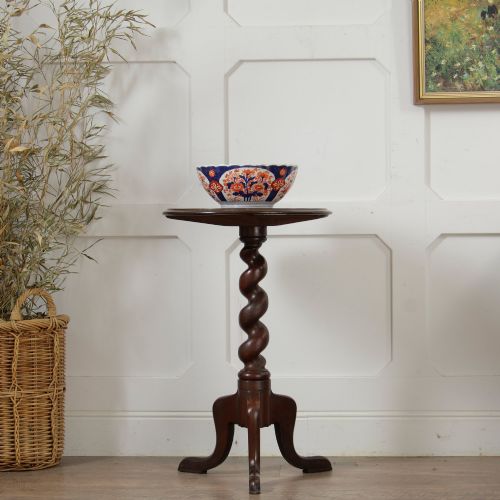
Makers constructed these lighting pieces from dense hardwoods like mahogany, oak, walnut and linden, selecting timbers capable of holding crisp chisel work and detailed turning. Workshops employed traditional joinery and lathe-turning alongside hand-carving to shape columns, tripods and pedestals.
Surface finishes involved polishing, waxing, staining or applying parcel gilt and giltwood highlights to enhance the natural grain and carved depth of the timber. Metal components such as brass brackets or weighted bases were integrated to provide structural stability.
Assessing Quality
Quality rests upon the crispness of the hand-carved detail and the selection of figured timber, where deeply undercut foliage or animal forms demonstrate superior artisan skill over mechanical routing. The integrity of the structural joints, particularly on tall standard lamps and tripod bases, determines long-term stability.
Proportion and balance dictate the aesthetic success of a lamp, ensuring the carved column relates harmoniously to its base without appearing top-heavy. The retention of original surface patination and gilding separates distinguished examples from those with over-restored or stripped finishes.
The Traditional Carved Wood Lamps Glossary
- Standard lamp
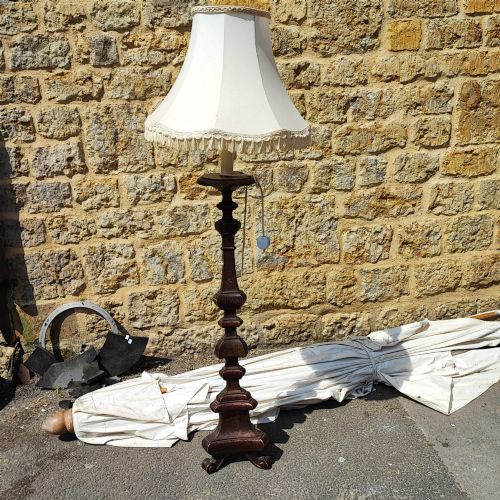
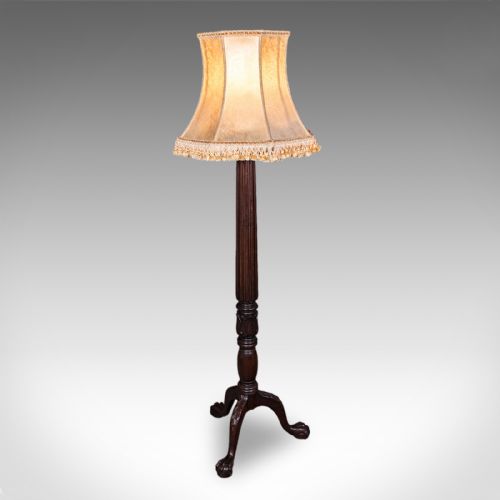
- A tall floor-standing lamp designed to provide ambient room lighting. These pieces often feature turned wooden columns or carved pedestals supported by tripod feet or weighted bases.
- Barley twist
- A spiral decorative carving resembling a twisted rope, commonly found on wooden furniture legs and lamp pedestals. This technique requires precise lathe work or hand-chiselling.
- Parcel gilt
- A decorative treatment where specific carved details or raised portions are highlighted with gold leaf while the surrounding timber remains visible. It accentuates the depth of relief work.
- Tripod base
- A support structure utilising three legs, frequently seen on occasional tables and standard lamp bases. This configuration provides stable placement on uneven floors.
- Black Forest carving
- A style of intricate wooden sculpture originating from the Swiss-German border region, known for realistic depictions of animals and foliage. Bears and naturalistic motifs are typical subjects.
Traditional Carved Wood Lamps: Frequently Asked Questions
Are these lamps safe for modern use?
Most antique lighting requires professional rewiring to meet contemporary electrical standards before daily use in a home. Qualified electricians can easily update old internal flex while preserving the historic wooden exterior.
Buyers should inspect the internal channels of wooden standards to ensure they accommodate modern cable safely without compromising the structural timber.
What woods were used for standard lamps?
Craftsmen utilised sturdy hardwoods including mahogany, oak, walnut, elm and ash to support the height of standard lamps. Exotic timbers such as padauk and linden also appear in specific regional styles.
Dense woods prevented the tall pedestals from warping and provided sufficient weight at the base for upright stability.
How do I care for carved wooden bases?
Maintenance involves dusting the carved recesses regularly with a soft brush and applying a quality beeswax periodically to nourish the timber. Avoiding direct sunlight and sudden temperature changes protects the wood from drying out or cracking.
Harsh chemical polishes should be avoided to preserve the original antique patination accumulated over decades.