


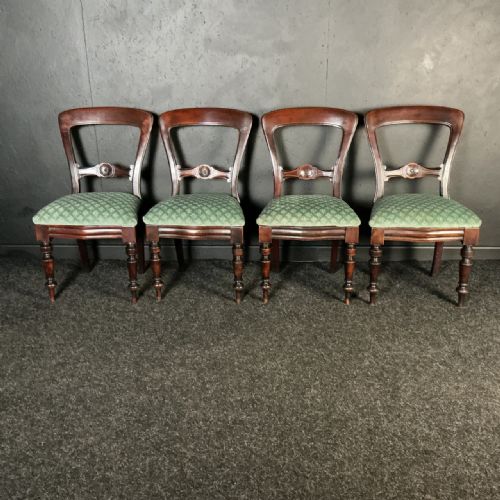
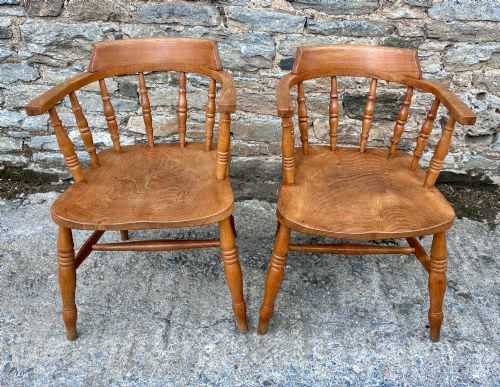
Traditional Carved Desk Chair
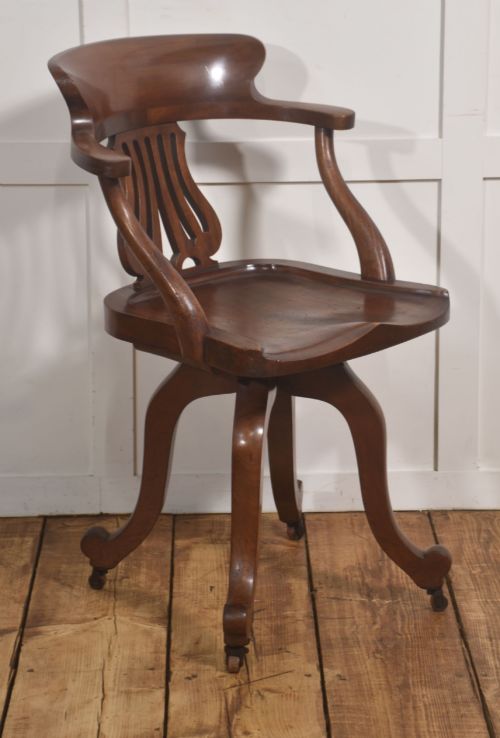
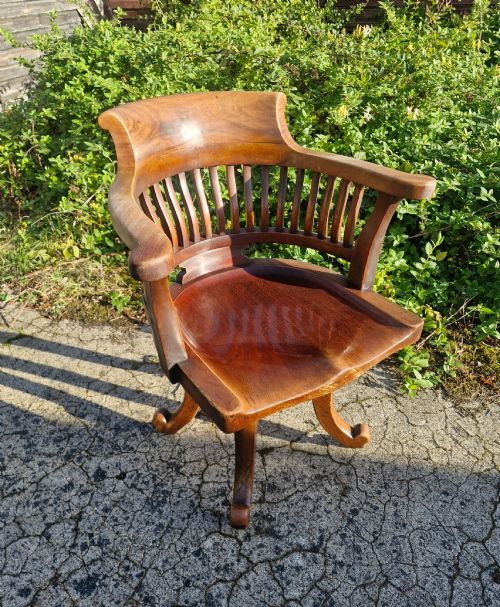
A traditional carved desk chair brings period presence to a study, built from solid timbers like mahogany and oak to serve as a sturdy seat for writing.
Traditional Carved Desk Chair
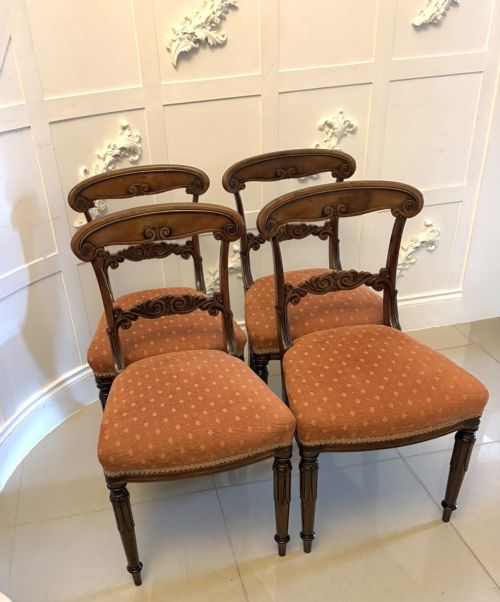
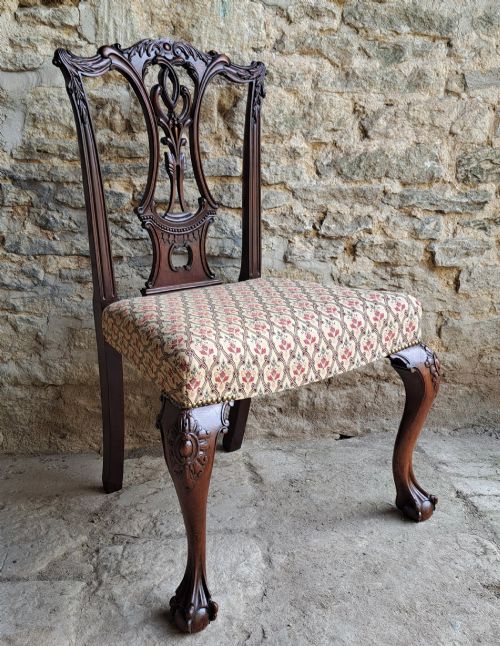
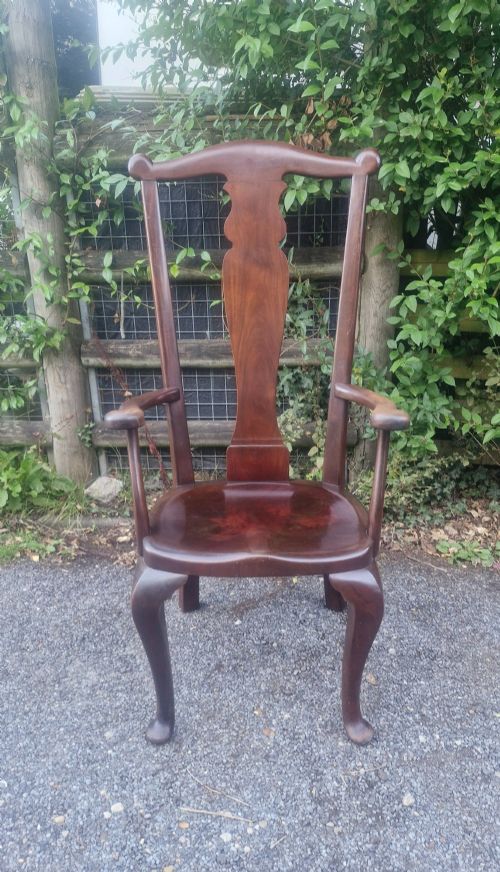
When you search for a traditional carved desk chair, you are looking at sturdy seating designed for study and office work, drawing on centuries of cabinet-making traditions. The pieces on this page span several eras, from the 18th century through the Victorian period and into the Edwardian age.
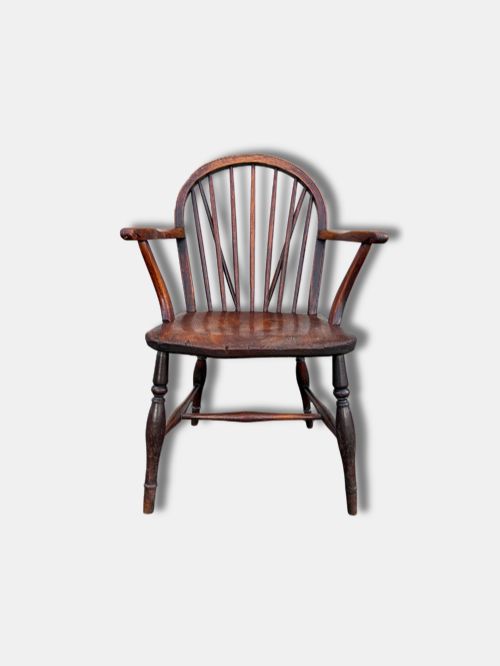
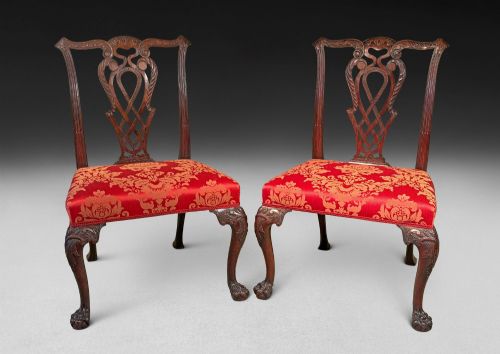
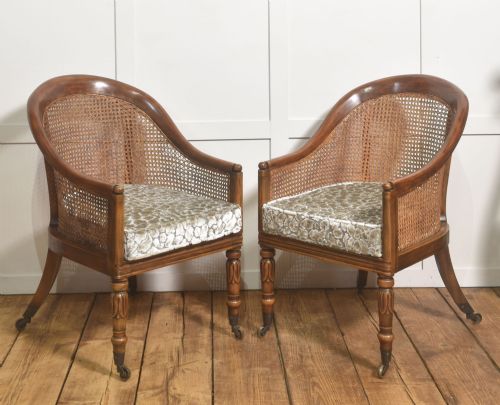
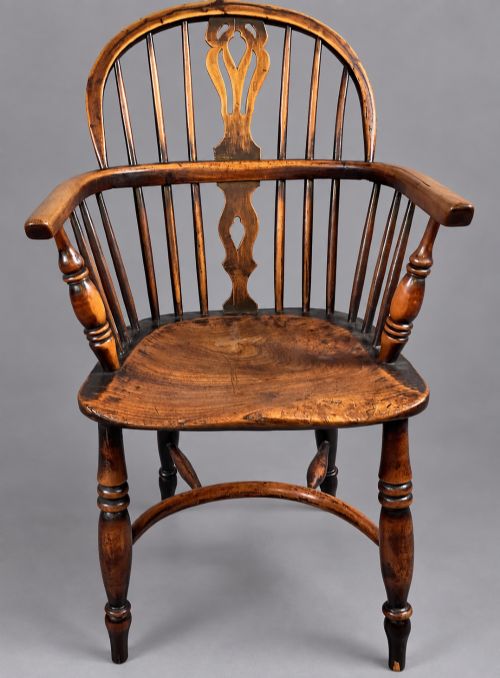
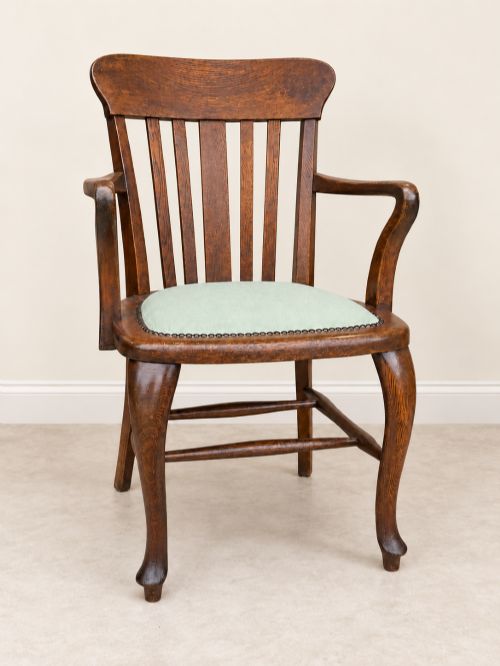
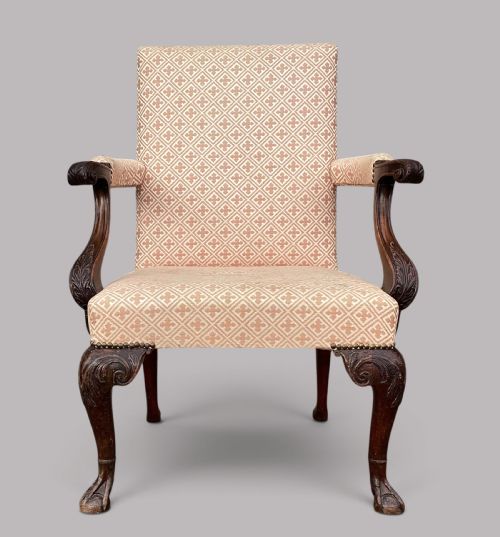
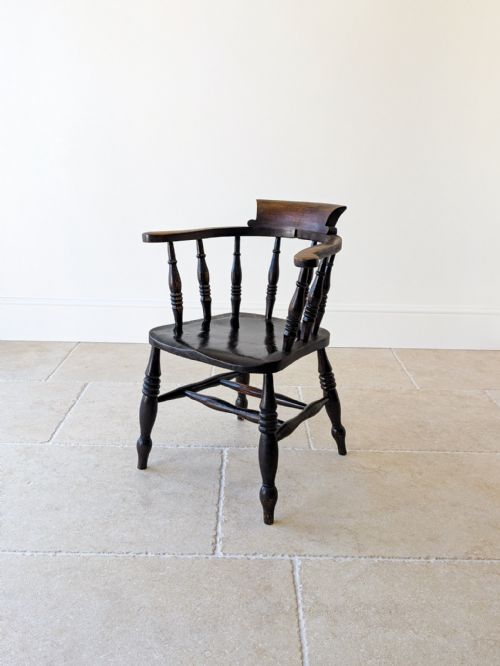
You will encounter forms that range from solid elm captain's chairs and smoker's bows to mahogany library armchairs and Gainsborough styles upholstered in leather. These seating options combine practical utility with carved wooden details such as ladderbacks, ropebacks, and Chippendale-inspired motifs.
The materials reflect the periods of their creation, employing dense hardwoods like mahogany, walnut, oak, elm, and yew, often complemented by brass castors, cane seats, and fabric or leather upholstery.
Materials and construction
Cabinet makers built these chairs using durable timbers like mahogany, oak, and elm, relying on traditional joinery such as mortise and tenon to ensure structural rigidity. Carved elements, including blind fretwork and ladderbacks, were shaped by hand directly into the solid wood frames.
Seating surfaces often featured dropped-in upholstery panels, cane webbing, or hand-dyed hide leather secured with brass tacks. Turning lathes shaped spindles and legs on Windsor and captain's variants, while larger library and Gainsborough models incorporated generous padding and robust arm supports.
Several chairs arrive with a generous dash of character, having spent a century or two supporting writers, smokers, and captains.
Judging quality and character
The distinction between ordinary seating and exceptional examples lies in the crispness of the wood carving and the choice of primary timber. Dense Cuban mahogany, well-figured walnut, and nicely patinated elm distinguish the finer workshops from standard production.
Structural integrity also separates the better pieces, seen in tight joints, original timber components, and well-preserved upholstery methods. Chairs retaining their deep natural patina and original brass hardware command greater appreciation among collectors.
Charles Tozer·Alfred Allen of Birmingham
The Traditional Carved Desk Chair Glossary
- Captain's Chair
- A sturdy wooden armchair with a horseshoe-shaped back rail supported by turned spindles, often featuring a saddle seat. These practical seats originated in the 19th century for office and domestic use.
- Gainsborough Chair
- A wide, high-backed armchair with upholstered arms and seat, standing on short legs. This 18th-century form served as a comfortable writing or library chair.
- Smoker's Bow
- A low-backed Windsor armchair with a continuous bentwood rail and turned spindles, commonly found in 19th-century domestic settings.
- Chippendale Revival
- A late 19th or early 20th-century style recreating the ornate carved mahogany designs of Thomas Chippendale, featuring motifs like ribbon backs and blind fretwork.
- Ladderback
- A chair back constructed with horizontal arched slats resembling the rungs of a ladder, popular in traditional regional furniture.
Traditional Carved Desk Chair: Frequently Asked Questions
What defines a traditional carved desk chair?
These pieces are sturdy wooden seats designed for writing and study, featuring carved details like ladderbacks or ropebacks. They draw on 18th, 19th, and early 20th-century design traditions.
They combine practical desk utility with decorative woodwork, utilising timbers such as mahogany, oak, and elm.
How were these chairs used historically?
Historically, these armchairs and side chairs provided supportive seating in libraries, studies, and offices for reading, writing, and administrative tasks. Sturdier captain's and Windsor variants also served in domestic kitchens and public spaces.
Their robust construction allowed them to endure daily use over generations while remaining functional work furniture.
How do I care for antique leather and wood?
Maintain wooden frames by keeping them away from direct heat sources and applying appropriate furniture wax periodically to nourish the timber. Leather upholstery benefits from gentle cleaning and occasional conditioning to prevent drying.
Avoid harsh modern chemical sprays that can strip the historic patina from the wood surface.
How can I tell Victorian chairs apart from earlier pieces?
Victorian chairs often feature heavier proportions, darker finishes, and machine-assisted joinery alongside hand-carving, spanning the mid to late 19th century. Earlier 18th-century and Regency examples typically display lighter timber selections like Cuban mahogany and more restrained, precise hand-carved details.
Examining the underside construction and tool marks helps clarify the period of manufacture.