
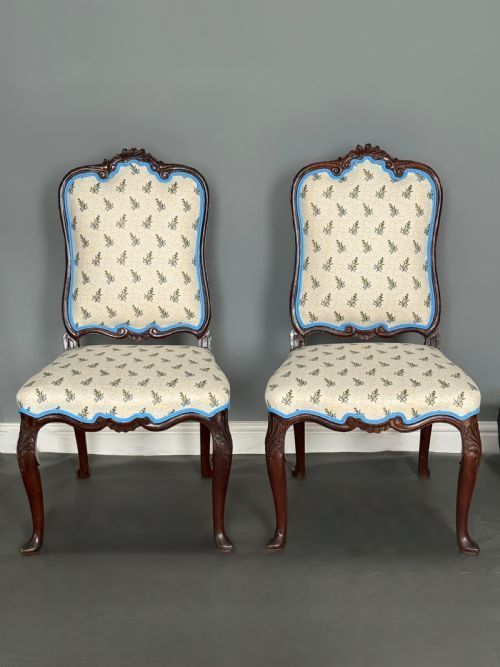
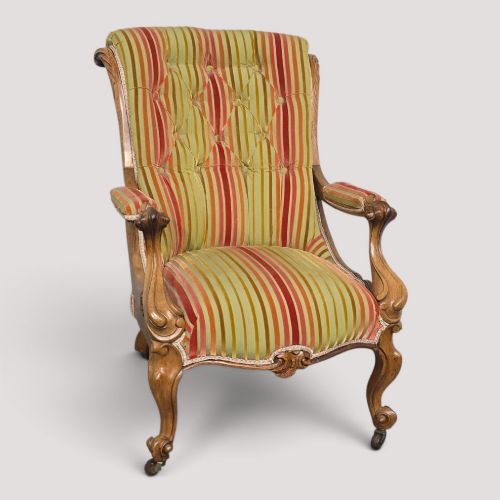
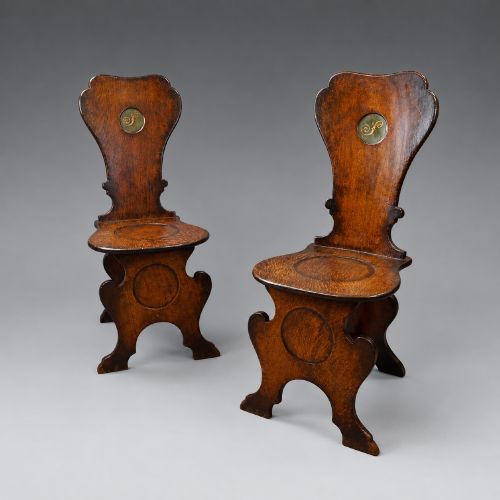
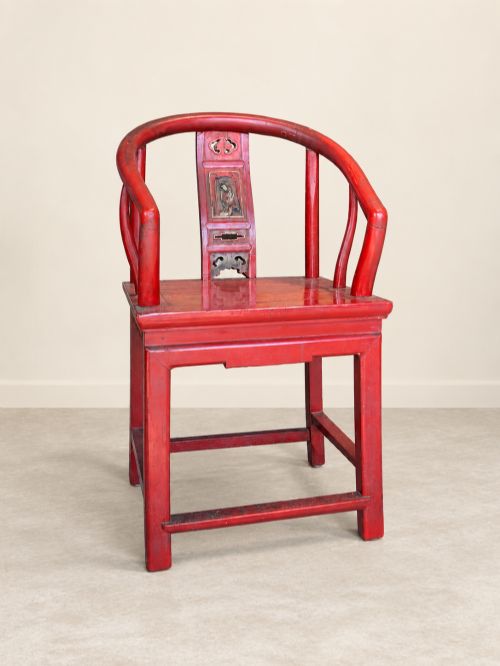


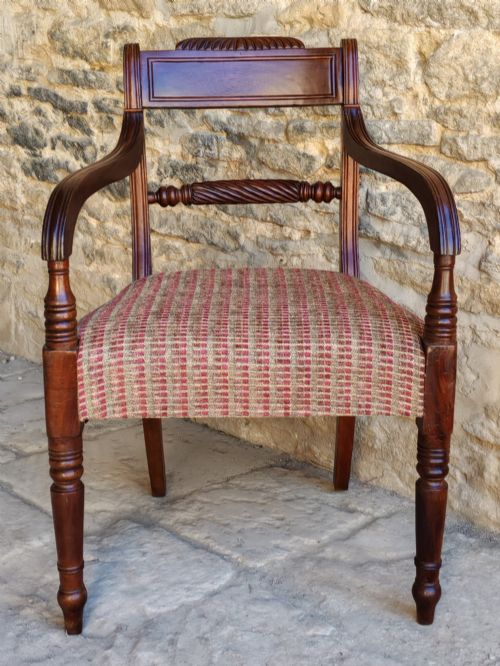
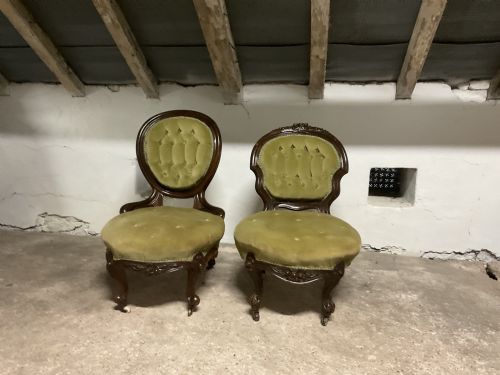
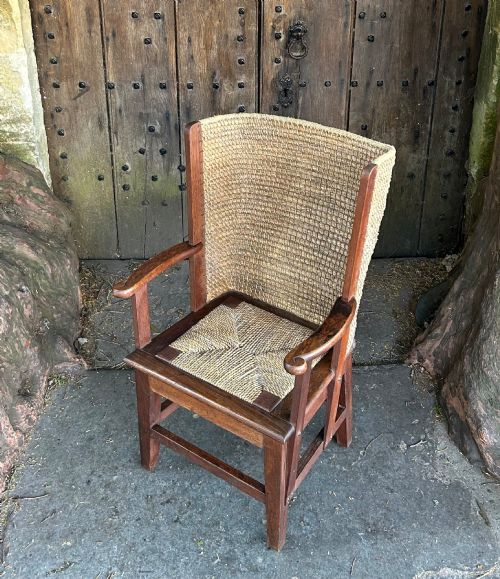
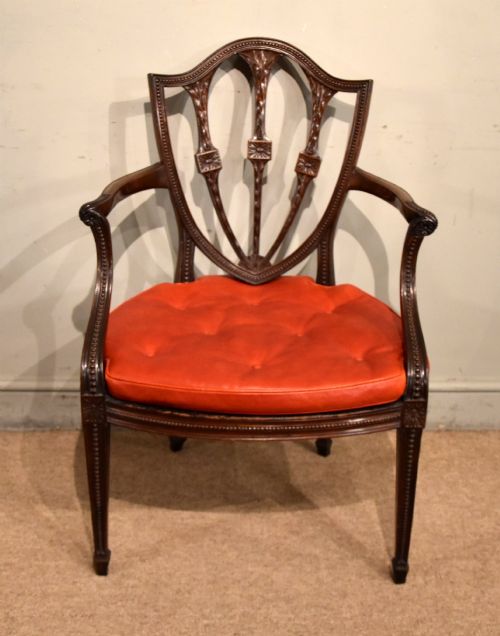
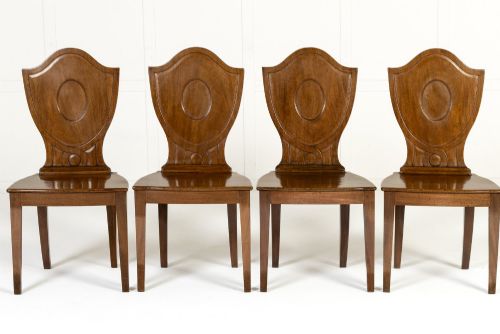
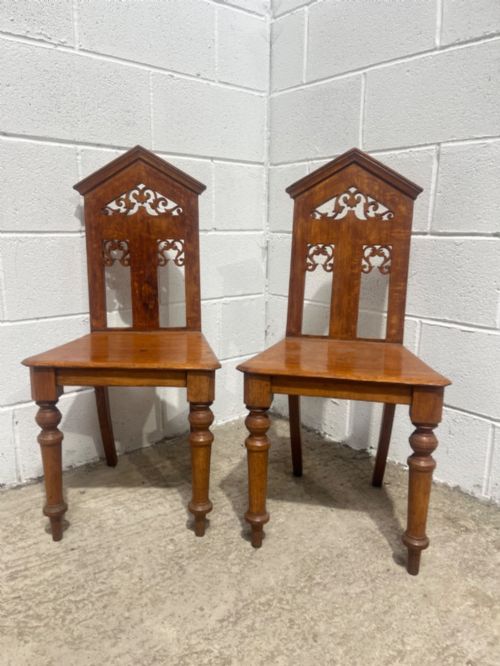
Traditional Carved Accent Chair
A traditional carved accent chair brings historic character to a room, offering structural timber frames and ornamental detail from centuries past.
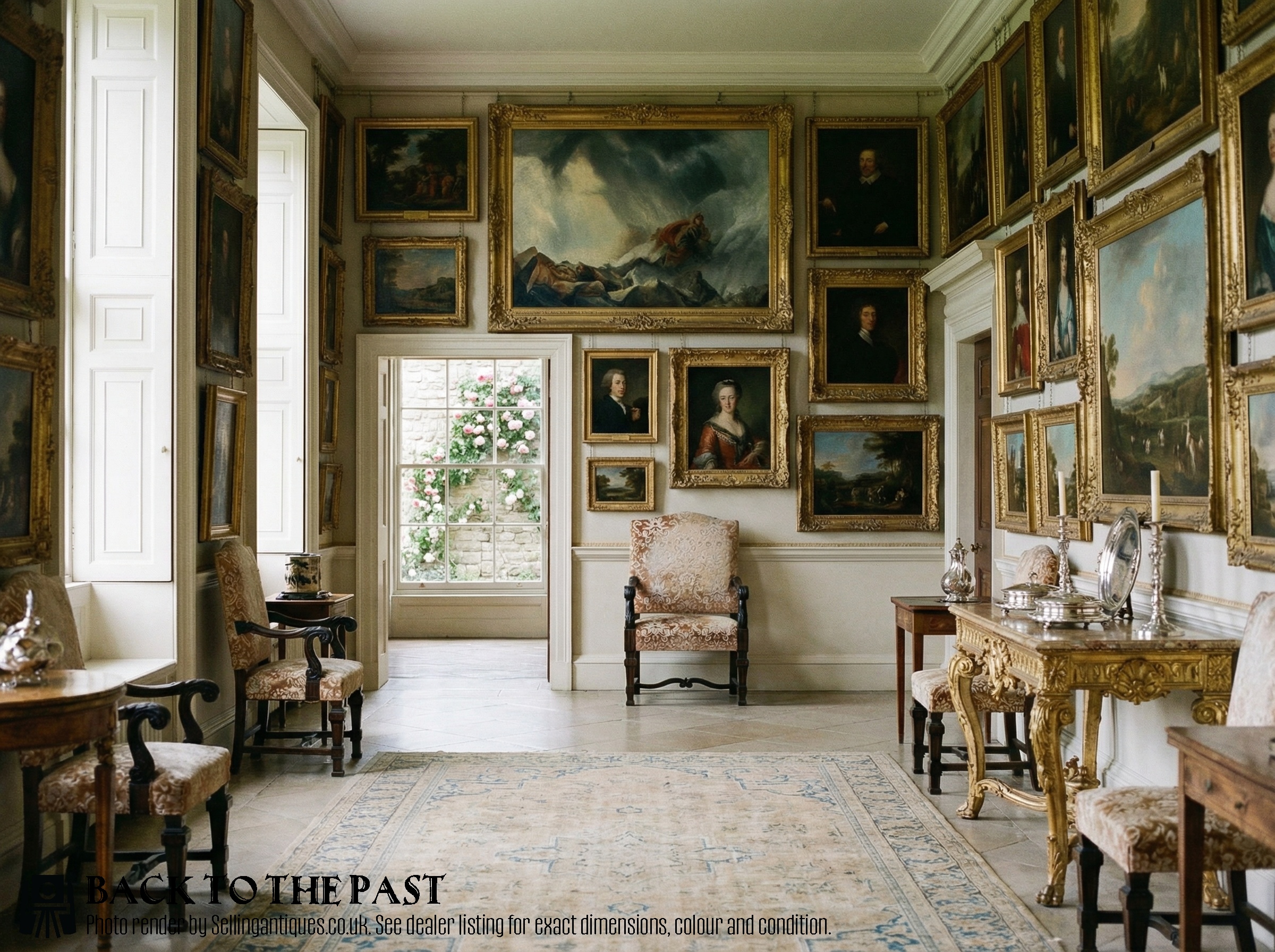
Traditional Carved Accent Chair
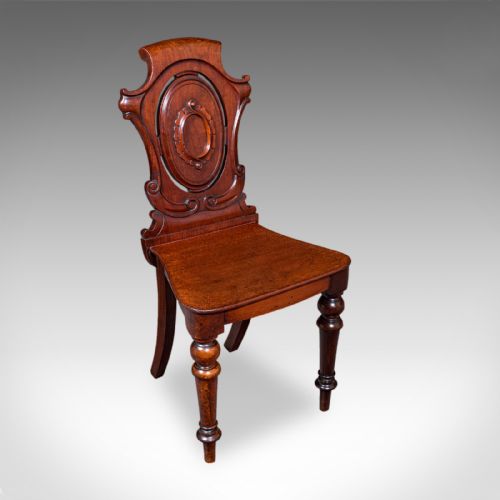
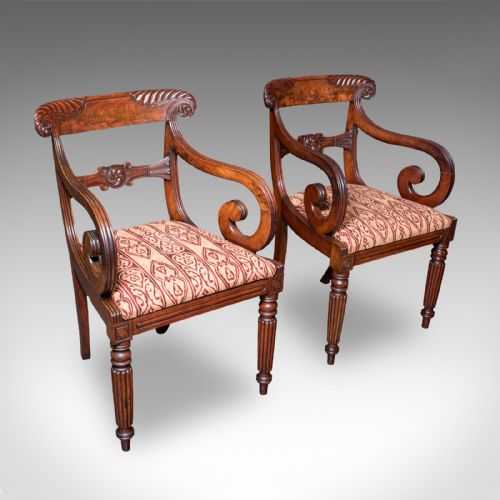
A traditional carved accent chair encompasses diverse seating forms, ranging from sturdy library armchairs and highback kitchen seats to decorative hall chairs and low nursing chairs. Buyers seeking a traditional carved accent chair will encounter examples spanning the eighteenth and nineteenth centuries, alongside revival pieces from the early twentieth century.
Materials and construction
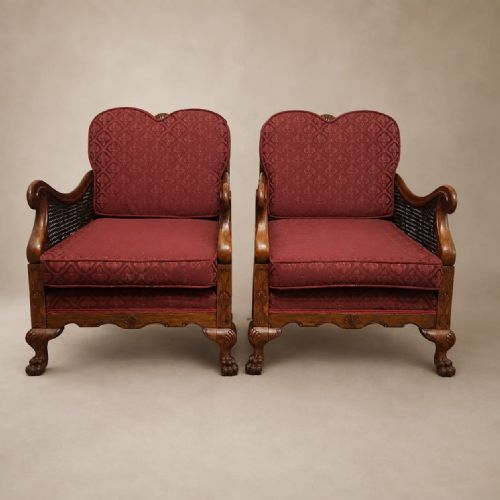
Cabinetmakers utilised dense hardwoods such as mahogany, oak, walnut, rosewood, and yew, often shaping timber through turning, bobbin turning, and intricate hand carving. Structural joinery frequently incorporates cane or split cane panels for seats and backs, alongside solid timber panels.
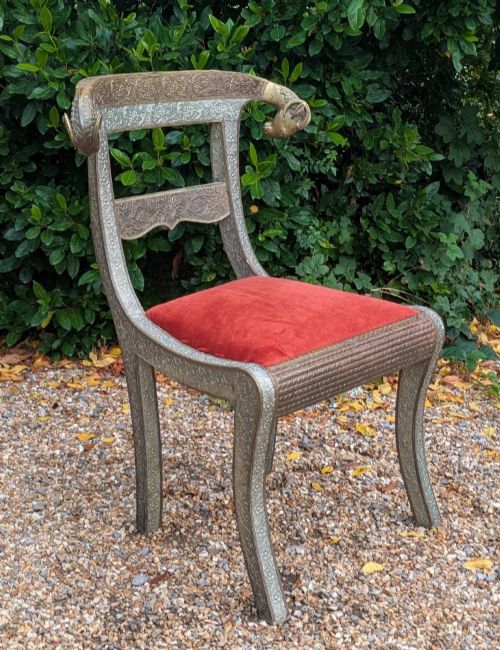
Upholstery involves traditional textiles, velvet, fabric, and calico, mounted over sprung or padded frames embellished with brass details. Surface finishes range from painted decoration and silvered elements to polished hardwood surfaces showing natural grain.
The listings feature chairs from the eighteenth, nineteenth, and early twentieth centuries, constructed predominantly in mahogany, oak, and walnut.
Design integrity and execution
The distinction between standard examples and exceptional pieces rests upon the crispness of the hand carving and the selection of figured timber veneers. Finer items exhibit balanced proportions and scholarly adherence to period styles such as Chinese Chippendale, Queen Anne, or Regency.
Original structural elements, uncompromised joinery, and period-appropriate secondary timbers elevate a chair above later revivals or heavily altered pieces. The harmony between decorative carving and structural function dictates the standing of each item.
Charles Tozer
The Traditional Carved Accent Chair Glossary
- Carver
- An armchair, typically designed with open arms to accommodate the wider garments of past eras, often matching a set of simpler side chairs.
- Sgabello
- A light wooden Renaissance-style hall chair featuring a high back and trestle or solid panel supports instead of conventional legs.
- Chippendale
- A style originating in the eighteenth century defined by rococo, Gothic, and Chinese influences translated into carved mahogany furniture.
- Bergere
- An enclosed upholstered armchair with exposed wooden framing and cane-work panels lining the back and sides.
- Bobbin turned
- Timber shaped on a lathe into a series of rounded, spool-like spheres resembling bobbins used in textile manufacturing.
Traditional Carved Accent Chair: Frequently Asked Questions
How were these chairs used historically?
Depending on their specific form, these chairs served diverse domestic functions, from formal reception seating in hallways to comfortable reading seats in libraries.
Elbow chairs and armchairs provided seating in reception rooms, while smaller side chairs lined walls or accompanied dining tables.
How do I identify the period of a chair?
Dating relies on observing structural timber choices, joinery methods, and characteristic style details associated with specific decades or reigns.
Comparing ornamental motifs like ribbon backs, lyre backs, or shield backs against known historic designs helps determine age.
Can I use an antique chair daily?
Most sturdy historic chairs are suitable for regular daily use provided their joints remain tight and stable.
Careful consideration of seat height and frame construction ensures these pieces function comfortably in modern living spaces.