


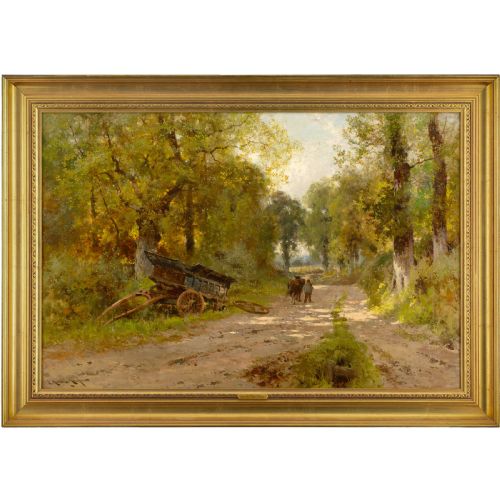
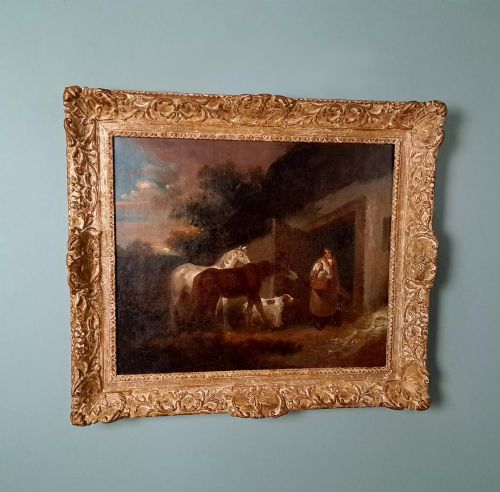
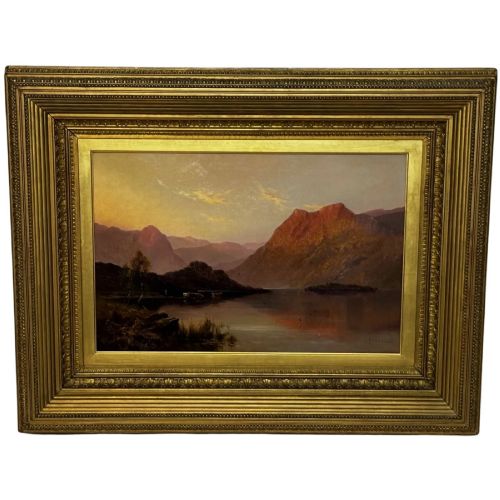
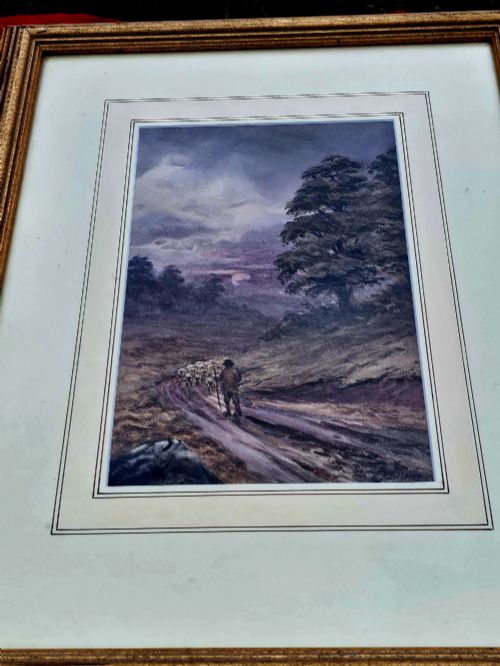

Traditional British Artwork
Traditional British artwork brings the quiet character of rural life and historic landscapes directly into your home.
Traditional British Artwork
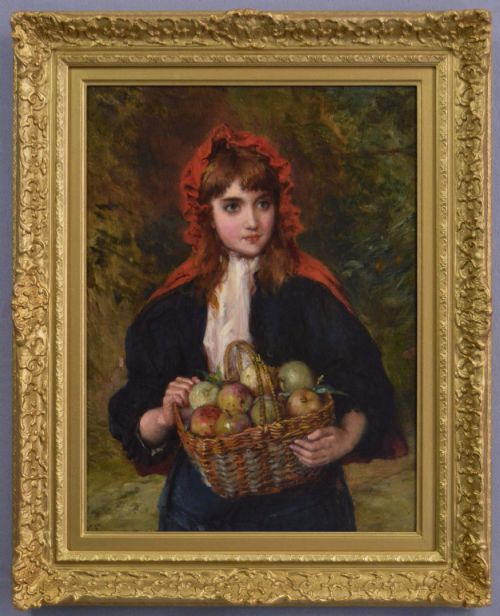
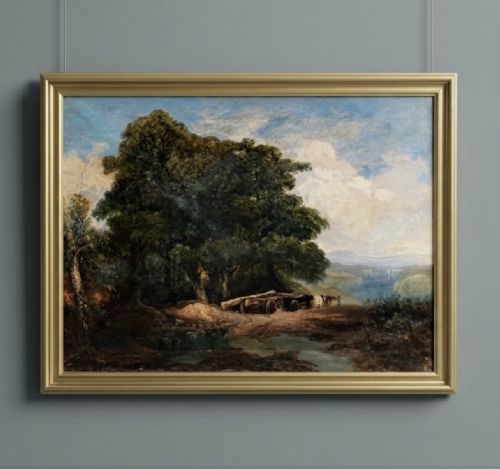
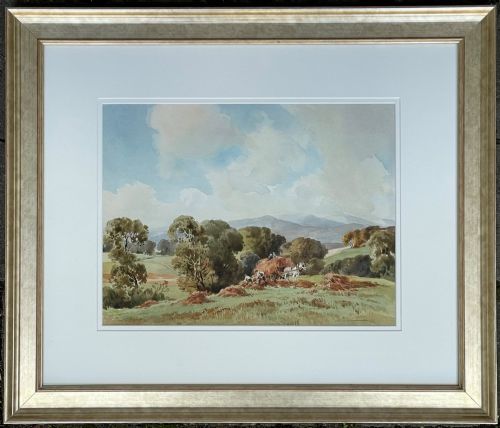
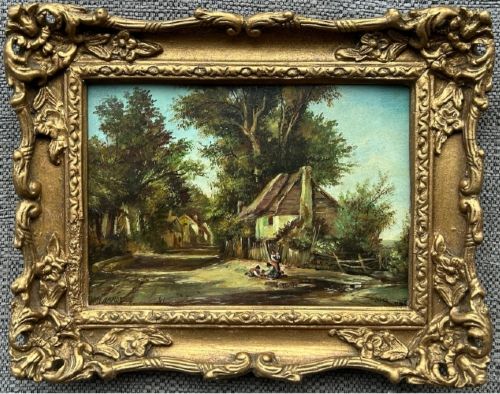
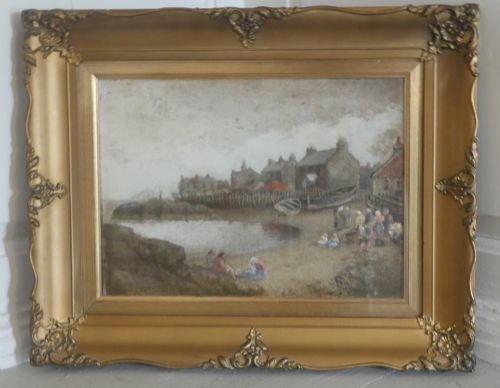
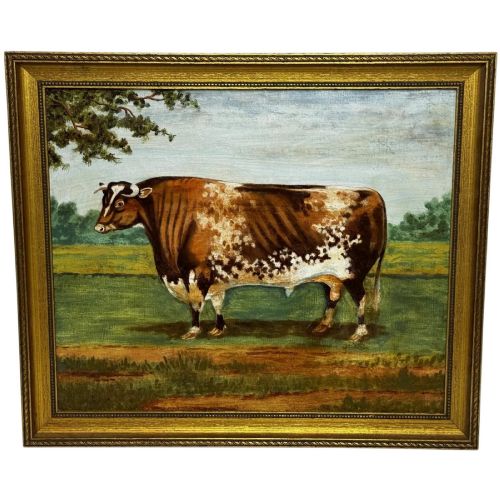
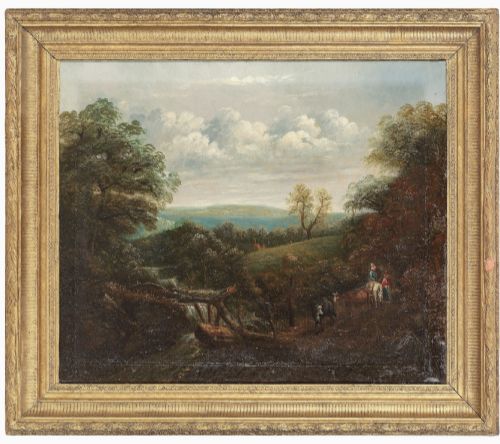
Traditional British artwork captures landscapes, rural scenes, and natural history through accomplished painting and watercolours. Collectors seek these pieces to anchor a room with a sense of place and historical depth.
The selections on this page span from the late nineteenth century into the mid-twentieth century. You will encounter Victorian pastoral views, naturalism, and distinct regional watercolours.
How they were made
Artists painted primarily with oil paint on canvas or worked with watercolour on paper. Frames often incorporate gold leaf gesso on gilded wood to complete the presentation.
Makers utilised traditional techniques such as lithography for reproductions alongside original brushwork. Materials reflect the standard practices of British schools and Victorian workshops.
Traditional British Artwork Retail Price Guide 2026
Typical asking prices for traditional british artwork among the pieces listed under this phrase on Sellingantiques today, from the lower quarter to the upper quarter. They describe what is for sale here now, not the wider market.
Listings feature works in oil paint and watercolour on paper, framed in gilded wood.
What varies in quality
Quality rests upon the skill of the brushwork and the precision in capturing light, atmosphere, and anatomy. A confident hand distinguishes a compelling pastoral or animal study from a standard decorative piece.
The integrity of the original canvas, paper, and framing materials also separates standard examples from works with superior preservation.
Thomas W Lascelles·David Bates·Carl Whitfield·Charles Edward Wilson·Cuthbert Crossley·Willie Stephenson·George Jackson
The Traditional British Artwork Glossary
- Watercolour
- A painting method where fine pigment is suspended in a water-based solution on paper.
- Gesso
- A plaster-like mixture applied to wood as a base for gilding or painting.
- Naturalism
- An artistic movement focused on the accurate depiction of the natural world and rural life.
- Lithography
- A printing process using a flat stone or metal plate to reproduce an original image.
Traditional British Artwork: Frequently Asked Questions
What periods do these paintings cover?
The available selection spans from the late nineteenth century through the mid-twentieth century. This includes Victorian and Edwardian periods.
Works showcase shifts in British painting styles over several decades.
What materials are used in these pieces?
Artists worked with oil paint on canvas and watercolours on paper. Frames frequently feature gilded wood and gold leaf gesso.
These traditional materials define the physical presence of the artwork.
How do I hang and display them?
Protect the paper, canvas, and gilt frames by placing them away from direct sunlight and damp environments. Proper wall placement ensures the longevity of the materials.
Pair them with traditional room settings to complement their historical character.
What subjects appear in these works?
Common subjects include woodland sunsets, pastoral landscapes with figures and animals, coastal scenes, and wildlife studies like weasels. These themes reflect British naturalism and regional school traditions.
Artists documented both familiar countryside views and specific locations across Britain.