

Fine Art Watercolour Painting
A fine art watercolour painting brings delicate pigment and fluid wash to paper, offering collectors atmospheric landscapes and detailed studies.
Understanding the Pieces
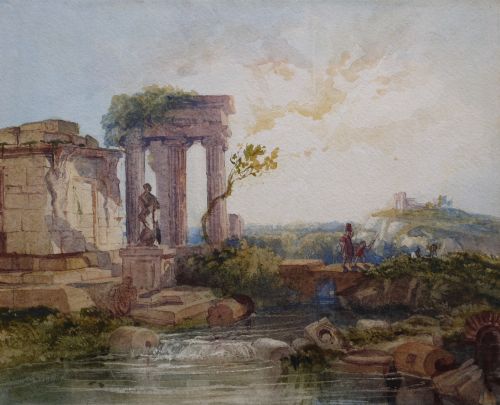
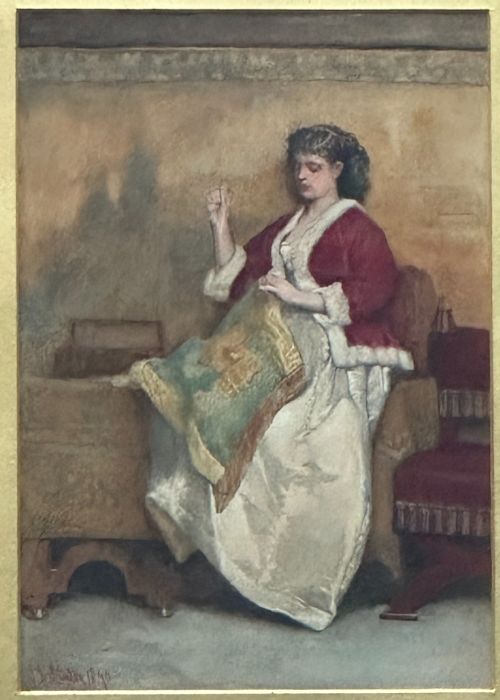
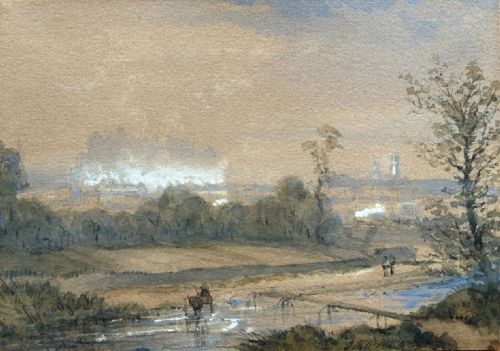
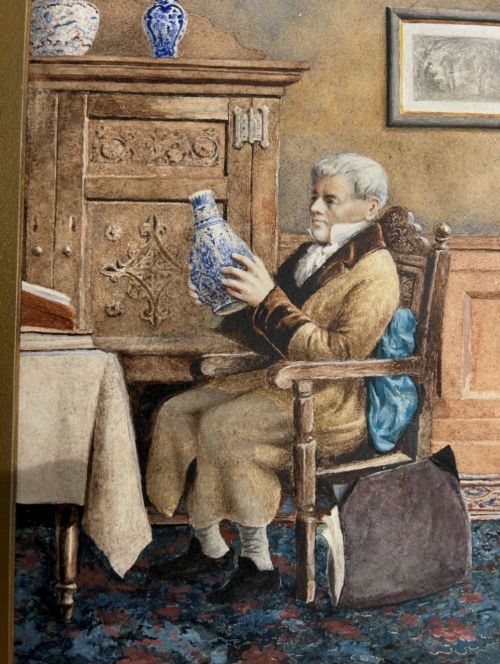
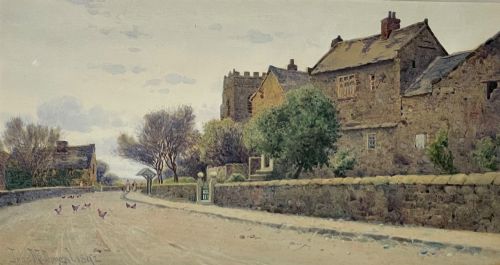
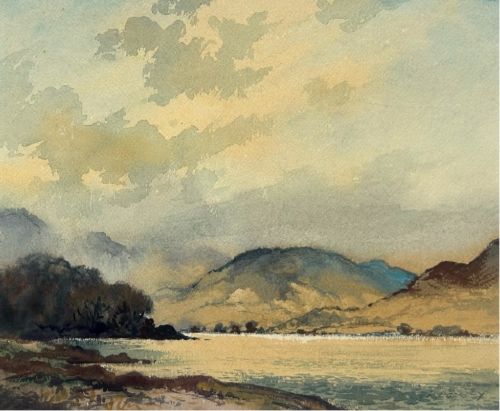
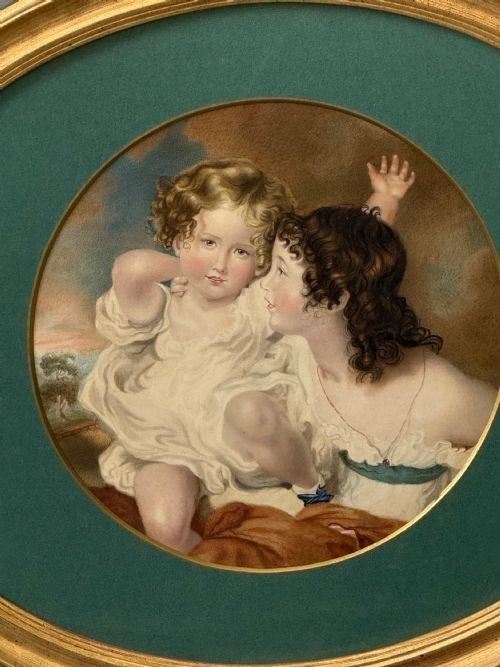
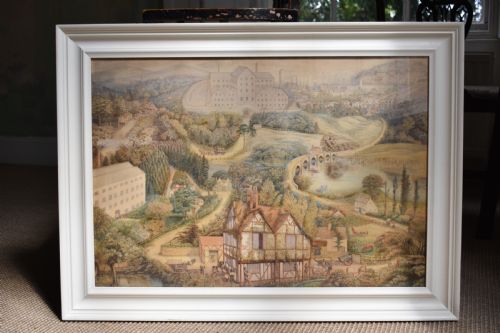
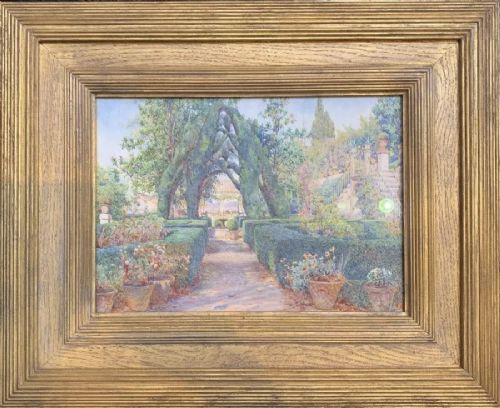
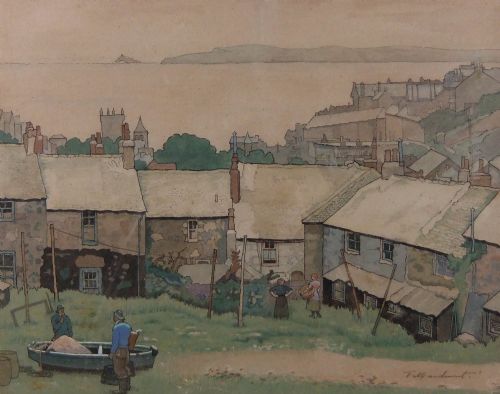
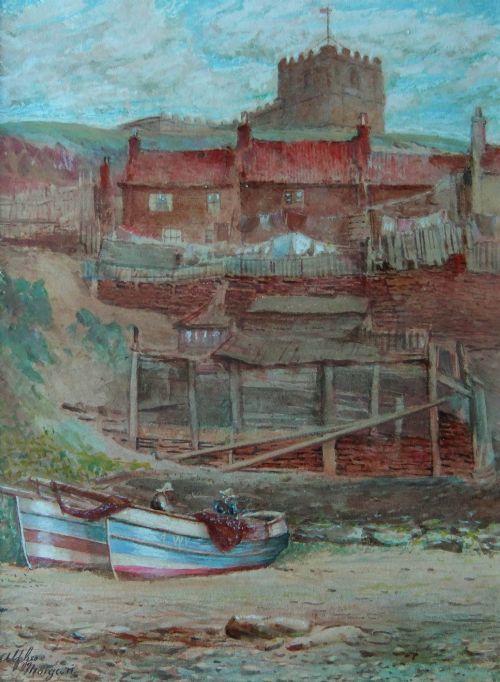
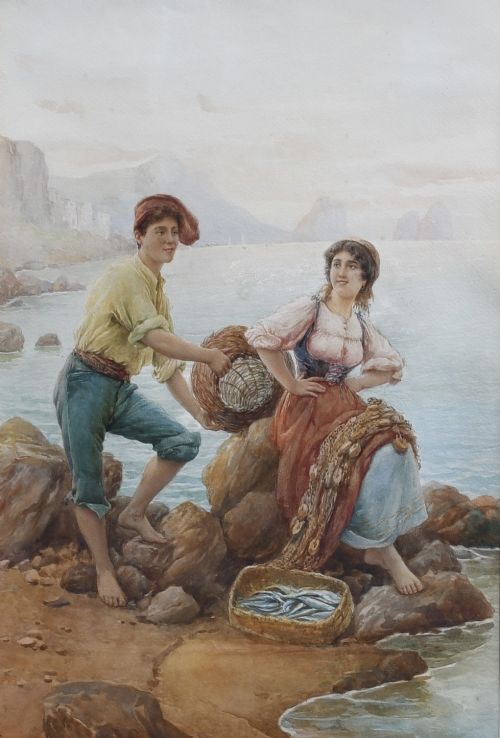
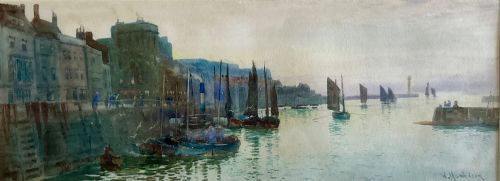
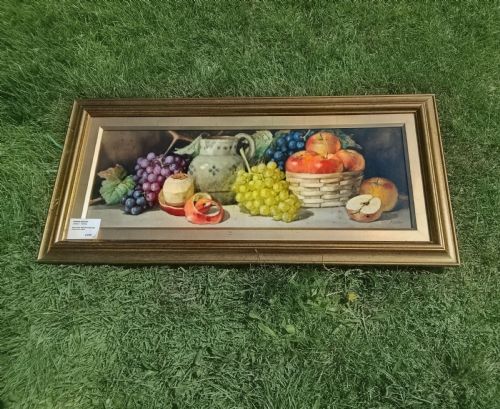
A fine art watercolour painting captures light and atmosphere through translucent washes applied directly to paper. These works range from expansive landscapes and rural cottages to architectural Venetian scenes and delicate still life studies.
Collectors searching this phrase encounter examples stretching from the Victorian era through the Edwardian period and into the early twentieth century. Works from these eras often bear the distinct hand of named British artists working within Impressionist and traditional fine art traditions.
The subjects vary from quiet country lanes and gypsy encampments to bustling Italian canals and detailed studies of birds and dogs. Each piece relies on the inherent qualities of watercolour paint to create depth and luminosity without heavy impasto.
Materials and Technique
These works are created using watercolour paint applied to heavy paper surfaces. Artists build up the image through successive washes, allowing the white of the paper to shine through for highlights and lighter tones.
Techniques range from loose, expressive brushwork seen in British Impressionism to the meticulous control required for detailed still life and grisaille compositions. The interaction between pigment and paper remains central to the creation of each original painting.
Retail Price Guide 2026
Typical UK retail prices for fine art watercolour painting, calculated from the Sellingantiques database of over a million retail prices indexed since 2003. This retail price guide relies exclusively on Sellingantiques data; no external sources or auction records are used, so the figures do not describe the wider market.
Listings feature works executed on paper using watercolour paint, originating from the nineteenth century through the nineteen-twenties.
Distinctions in Quality
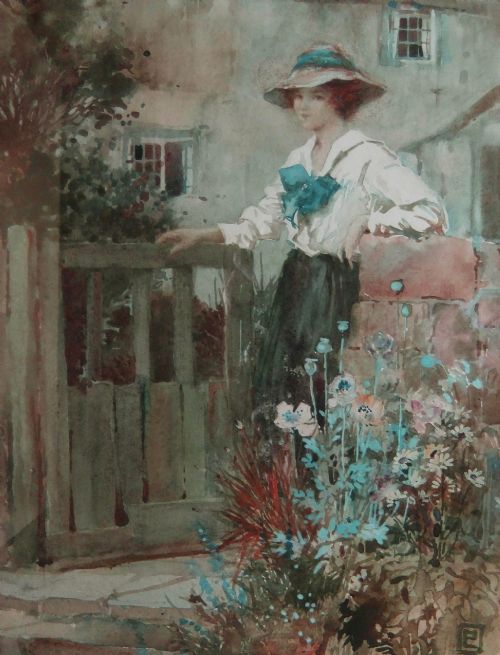
Quality in these watercolours rests upon the surety of the brushwork and the artist's command of light and atmosphere. Stronger examples demonstrate a confident handling of pigment that brings vitality to the subject, whether a quiet cottage gate or a grand Venetian canal.
The preservation of the paper and the vibrancy of the watercolour paint also separate exceptional works from more routine examples. Provenance and signature documentation further distinguish works that command serious collector interest.
THOMAS ELLISON·Percy Lancaster·DAVID LAW·Willie Stephenson·George Graham·Henry Bright·P Finch·MICHAEL LYNE
The Fine Art Watercolour Painting Glossary
- Watercolour paint
- A medium consisting of colour pigments suspended in a water-soluble vehicle, used to create transparent washes on paper.
- Grisaille
- A painting executed entirely in shades of grey or neutral greyish-brown, often used for preparatory studies or finished monochromatic works.
- British Impressionism
- An art movement focusing on light, movement, and everyday subjects rendered with loose brushwork, prominent in early twentieth-century works.
- Provenance
- The chronology of the ownership, custody, or location of a historical artwork, helping to establish authenticity and history.
Frequently Asked Questions
How should I frame a watercolour painting?
Watercolours require careful framing behind glass with a mount that keeps the paper from touching the glazing directly. This prevents moisture accumulation and protects the delicate pigment from damage.
Keep framed pieces away from direct sunlight to avoid fading the watercolour paint over time.
What periods do these paintings come from?
The available selection spans the nineteenth century, the Edwardian era, and the early twentieth century up to the 1920s. These periods encompass various British art movements including Victorian fine art and British Impressionism.
Each period reflects distinct stylistic choices in handling landscape, architectural, and figurative subjects.
Are all these paintings signed by the artist?
Many of the works feature visible signatures or attributions to named historical artists, while others are identified through period style and framing details. Documentation often links specific pieces to established exhibitions or galleries.
Signatures add significant context for collectors researching the provenance of individual works.
What surfaces were used for these works?
Artists used various grades of paper as the primary support for these watercolours. The texture and weight of the paper directly influence how the pigment settles and the final appearance of the wash.
Heavier papers better withstand the application of wet washes without buckling.