



Traditional British Art
Traditional british art encompasses centuries of painted landscapes, portraits and rural scenes that capture the character of the British countryside and its people.
Traditional British Art
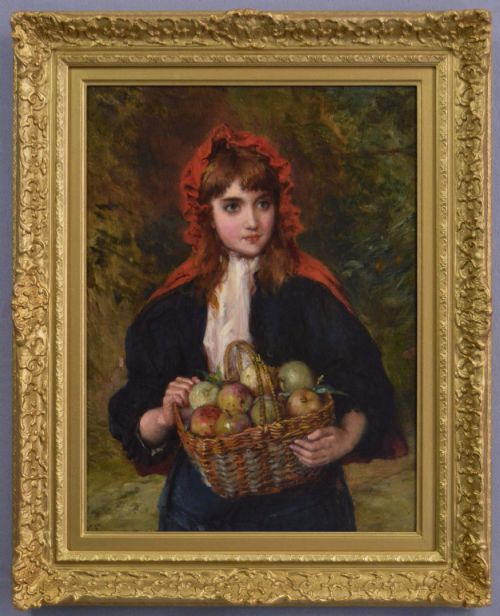
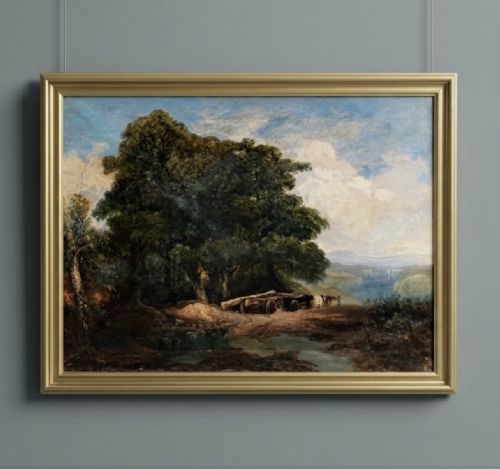
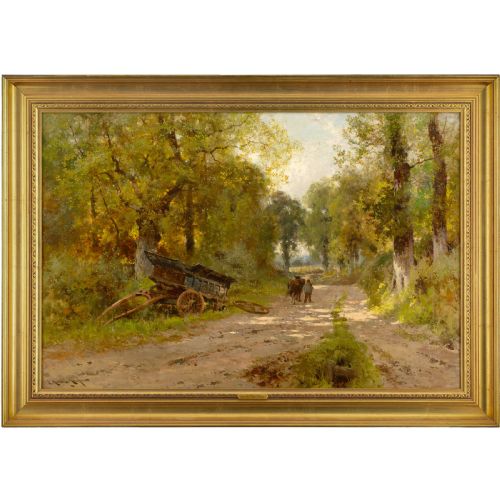
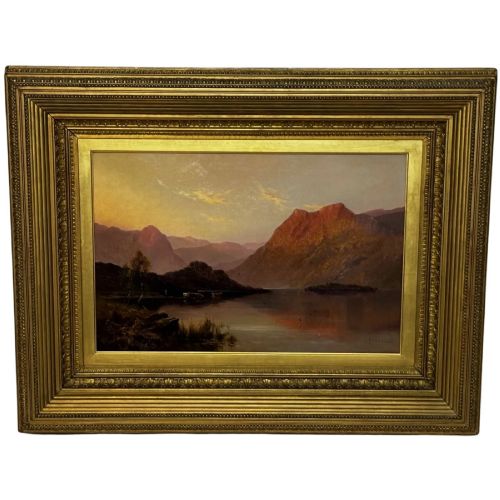
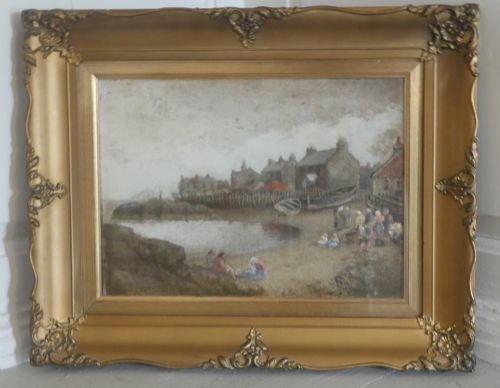
Traditional british art centres primarily on oil paintings and watercolours depicting rural landscapes, coastal views and portraits. These works span from the eighteenth century through the Victorian era and into the twentieth century, reflecting shifting tastes in regional and academic painting.
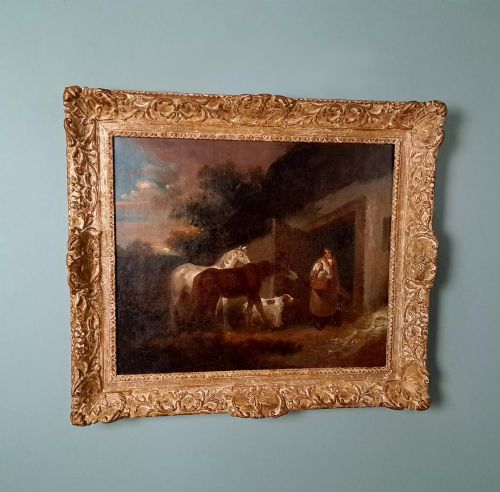
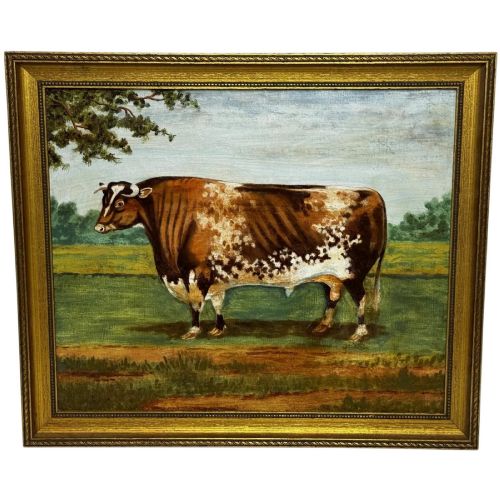
Buyers searching this phrase encounter framed artwork ranging from intimate paper studies to large canvases on wood panels. Subjects often feature agricultural life, sporting scenes, livestock and pastoral views across English, Welsh and Scottish settings.
The pieces on this page represent both named artists of regional note and anonymous members of the British School. Works stretch across multiple decades, capturing local topography, rural labour and domestic animals.
Materials and methods
Artists worked primarily in oil on canvas, wood panel or board, alongside watercolour applied to paper. Canvas supports were frequently stretched and housed in gilt wood or giltwood frames.
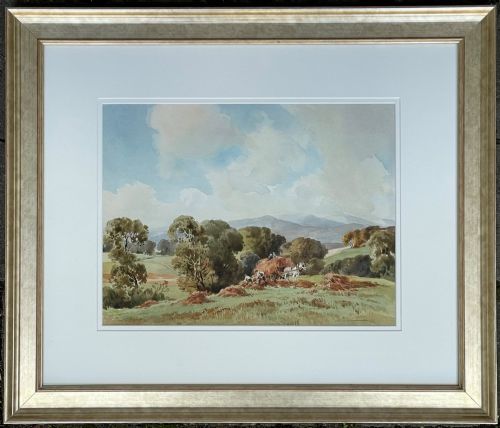
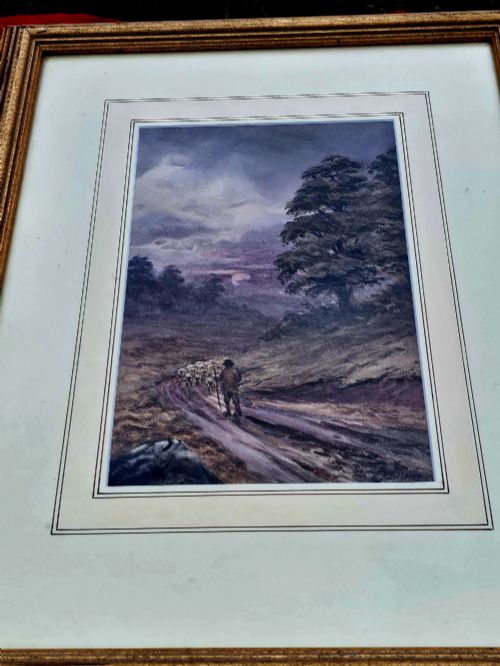
Pigments were layered to achieve atmospheric depth, particularly in landscapes and seascapes where light and weather played central roles. Watercolours relied on washes and fine brushwork on paper to render river valleys and coastal harbours.
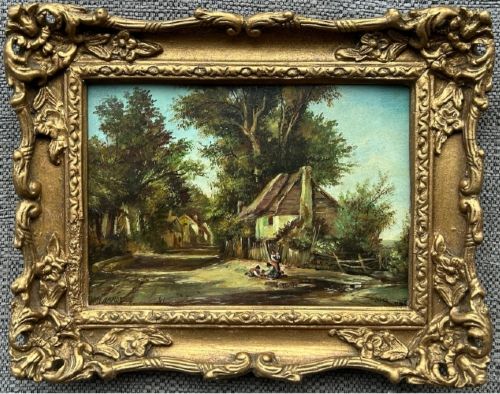
Frames often utilised carved and gilded wood, complementing the tone of the enclosed painting and preserving the work over generations.
Listings feature works from the Victorian period through the nineteen-thirties, utilising oil and watercolour on canvas, paper and wood.
Judging quality
Quality rests in the handling of light, brushwork confidence and the structural integrity of the canvas or panel. Superior works demonstrate careful anatomical proportion in figures and animals, alongside convincing atmospheric perspective in landscapes.
The condition of the painted surface and the originality of the frame contribute to the standing of a piece. Finer works retain their original pigments without excessive overpaint, while lesser examples show stiffness in composition and heavy restoration.
Richard Sebastian Bond·Tom Campbell·Alfred Young Nutt·Percy Lancaster·Thomas Smythe
The Traditional British Art Glossary
- Oil on canvas
- Pigments bound in a drying oil, usually linseed, applied to a stretched woven fabric support. This medium allowed artists to work up rich textures and deep tones.
- Watercolour
- A paint consisting of colorants suspended in a water-soluble vehicle, typically applied to paper. It permits translucent washes of colour well suited to topographical views.
- Gilt wood
- Carved timber treated with gold leaf or a metallic gilding finish. Such frames surround many period paintings.
- British School
- A designation for works produced by British artists whose specific individual identities remain unrecorded or grouped by regional tradition. It denotes national origin rather than a single academy.
Traditional British Art: Frequently Asked Questions
What subjects appear most often?
Landscapes, coastal scenes and portraits dominate these selections. Artists frequently turned to rural life, farming activities and local waterways for inspiration.
Animals also feature prominently, with paintings dedicated to horses, cattle, sheep and sporting dogs. These subjects reflect a deep nineteenth-century interest in the domestic landscape.
How should these paintings be displayed?
Oil paintings and watercolours require stable indoor environments away from direct sunlight and damp conditions. Proper wall placement protects both the canvas and the original gilt wood frame.
Framed works benefit from hanging on interior walls where temperature fluctuations remain minimal. This preserves the integrity of the paper, wood panel and paint layers.
How are periods identified?
Dates rely on artist biography, stylistic markers and framing conventions typical of specific decades. Victorian works often display rich tonal palettes and narrative detail.
Later pieces from the early twentieth century introduce looser brushwork influenced by impressionist tendencies. Comparing signature styles helps narrow down the timeframe of unsigned works.
What defines regional British art?
Regional pieces focus on specific geographical areas such as the Thames Valley, the Lake District or Welsh river valleys. Artists recorded local topography with topographical accuracy and regional character.
Schools like the Norwich School or the Scottish School developed distinct palettes influenced by their local environments. These works capture the specific light and terrain of their respective regions.