
Traditional Brass Table Light
A traditional brass table light brings warm metalwork and steady illumination to a room, drawing on Victorian and Edwardian domestic lighting forms.
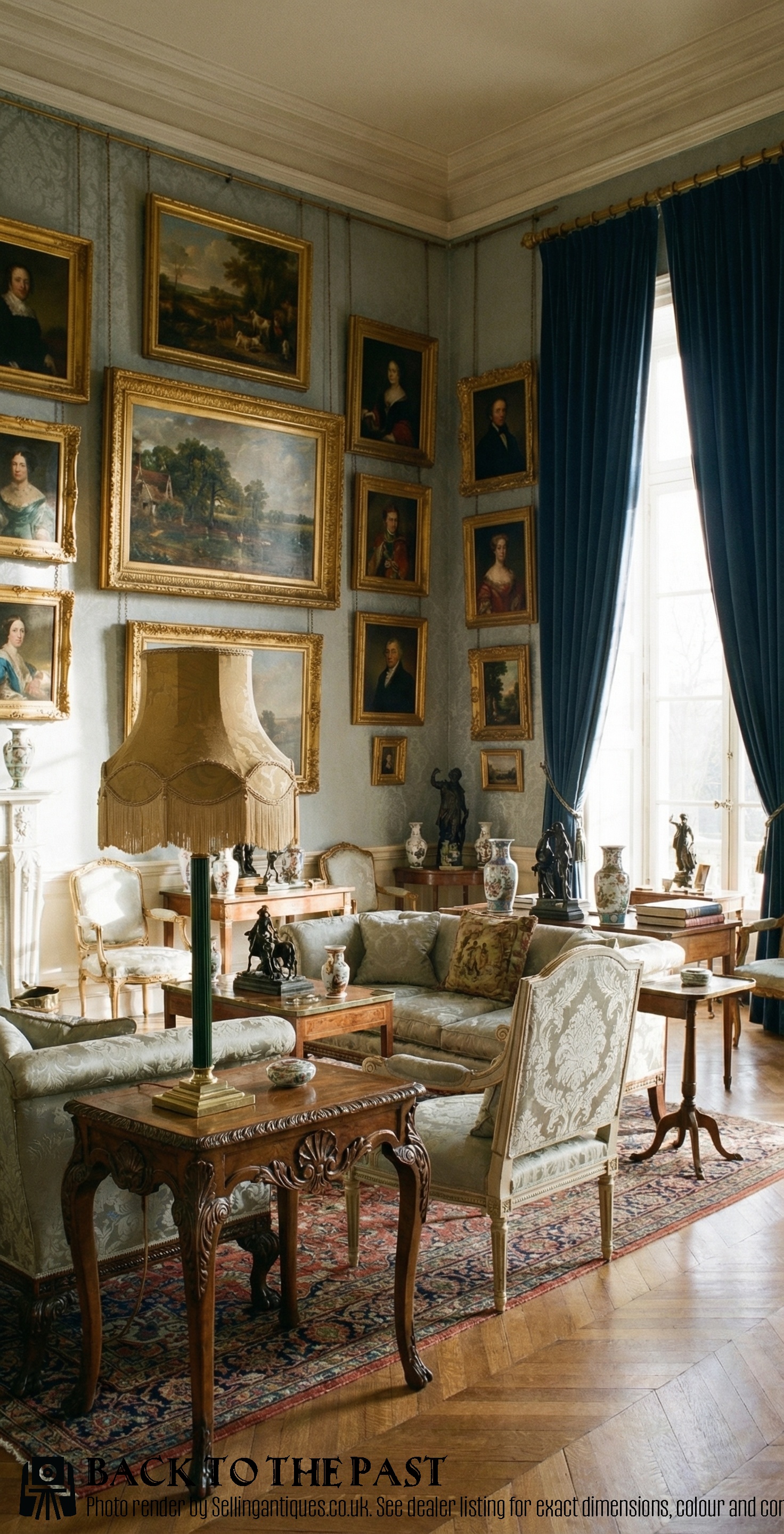
Traditional Brass Table Light
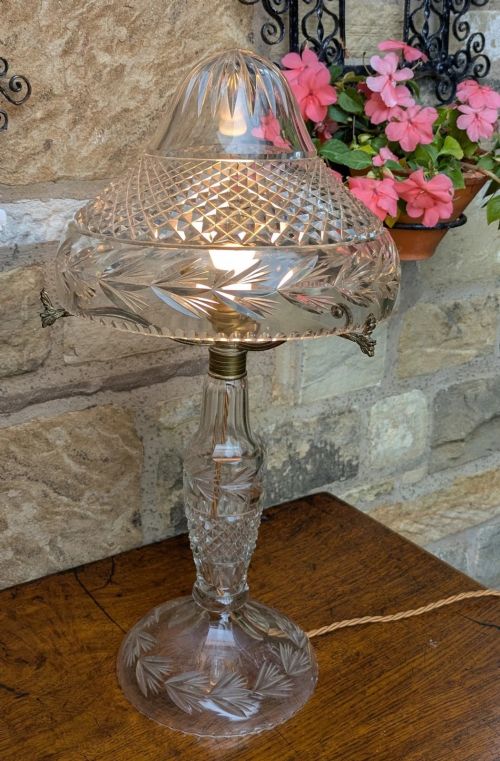
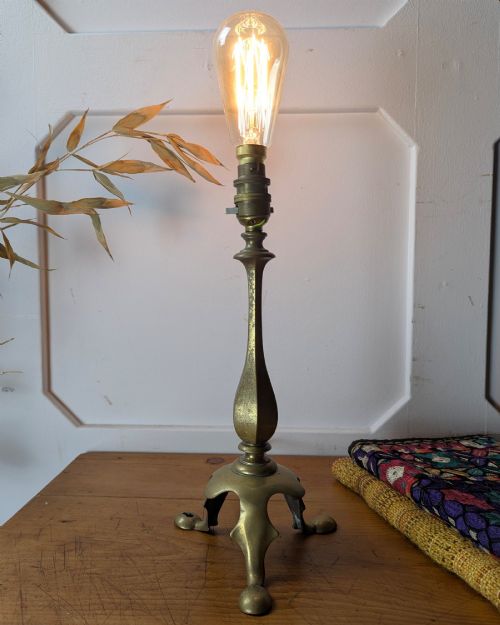
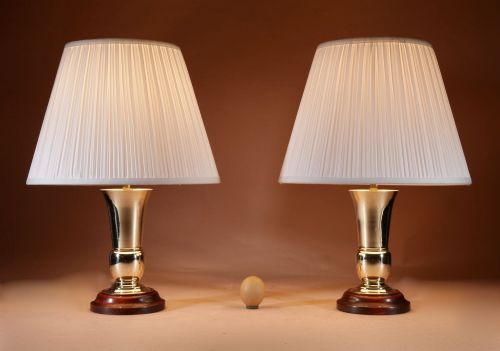
When you search for a traditional brass table light, you encounter a wide selection of period lighting forms adapted or originally built for illumination. These pieces range from converted Georgian and Victorian candlesticks to oil lamps, student lamps, and dedicated desk lights spanning the eighteenth century through the early twentieth century.
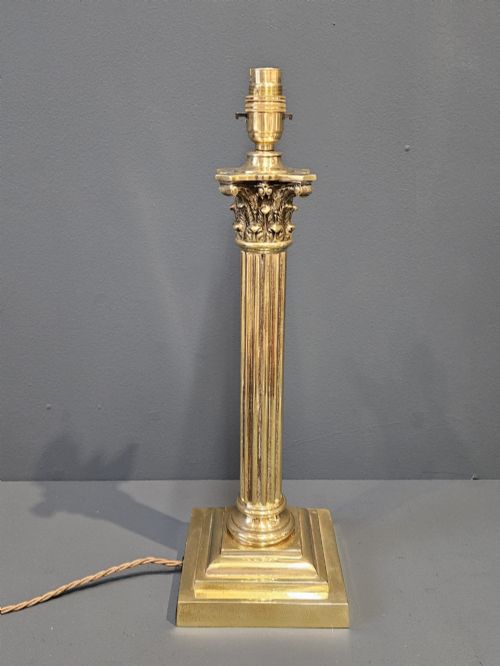
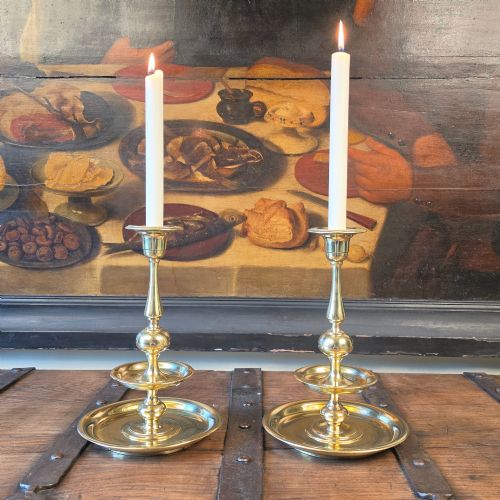
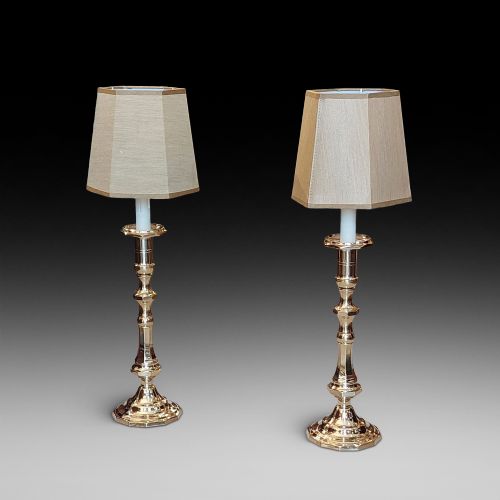
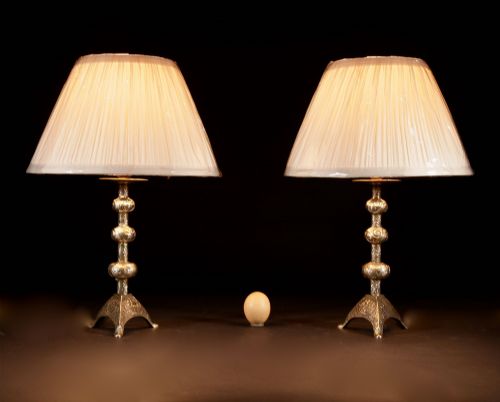
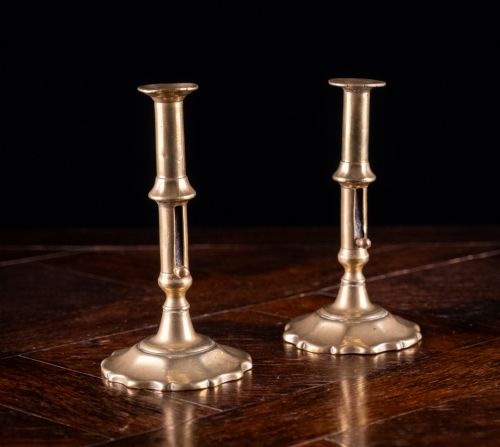
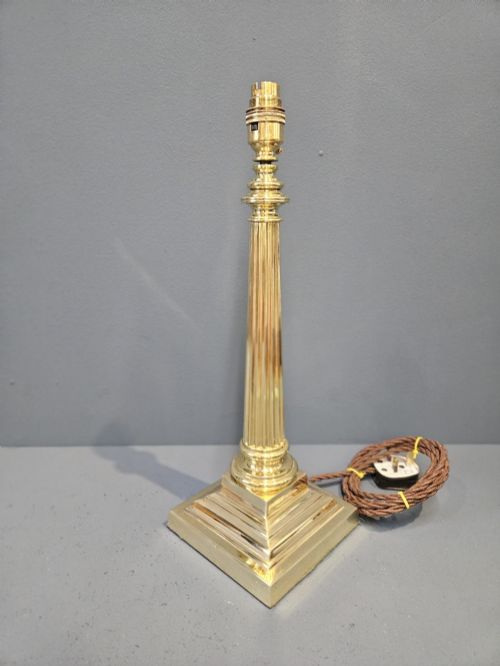
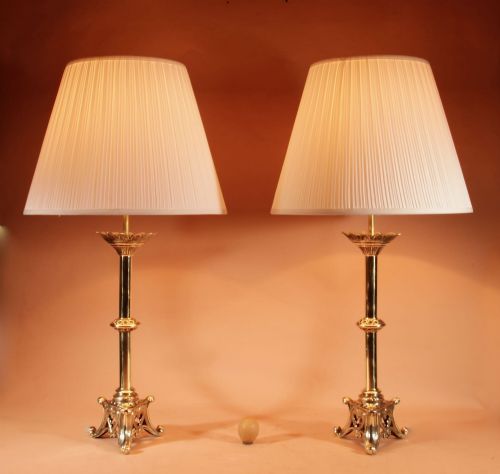
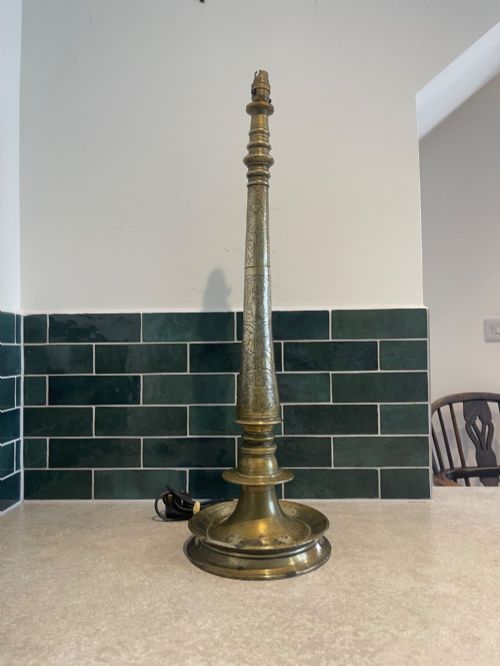
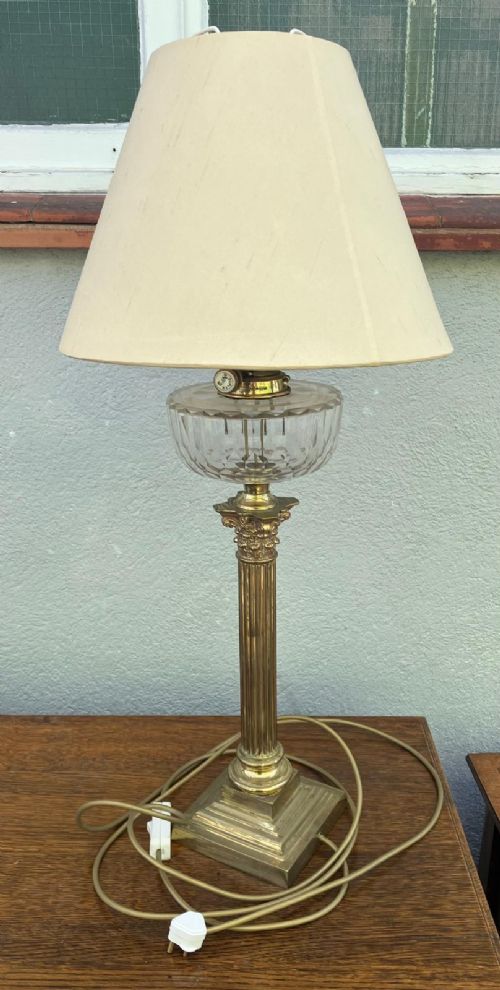
The most frequent examples on this page are Victorian and Edwardian column lamps, often featuring Corinthian capitals, alongside paired candlesticks and bouillotte designs. Many of these domestic objects began life as oil lamps or wax candle holders before being rewired for electricity or fitted with fabric and glass shades.
How they were made
Maker workshops utilised cast and sheet brass, frequently combining heavier cast components with spun or turned elements to achieve structural balance. Earlier pieces often employed seamed construction methods, whereas later nineteenth and twentieth-century examples utilised more advanced foundry techniques to cast elaborate reeded columns and classical revival details.
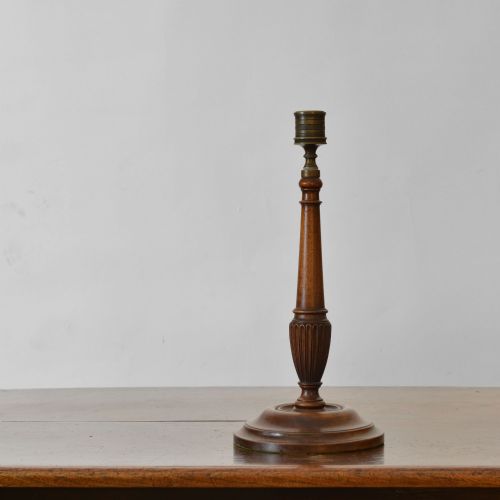
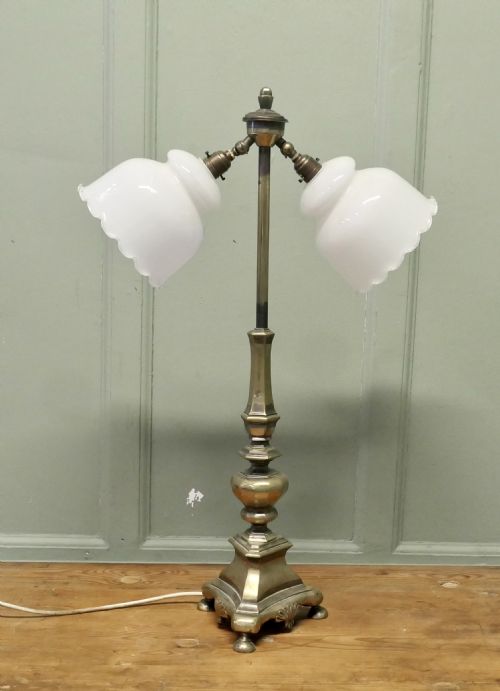
Many of these lamps integrate secondary materials such as glass shades, toleware reflectors, mahogany bases, and fabric components. Oil lamps incorporate brass fonts and burners paired with etched glass tulip shades, while desk lamps utilise adjustable metal angles and weighted bases for functional stability.
Traditional Brass Table Light Retail Price Guide 2026
Typical asking prices for traditional brass table light among the pieces listed under this phrase on Sellingantiques today, from the lower quarter to the upper quarter. They describe what is for sale here now, not the wider market.
Several student lamps still retain their original miniature metal implements, once used for trimming wicks during long nights of study.
What varies in quality
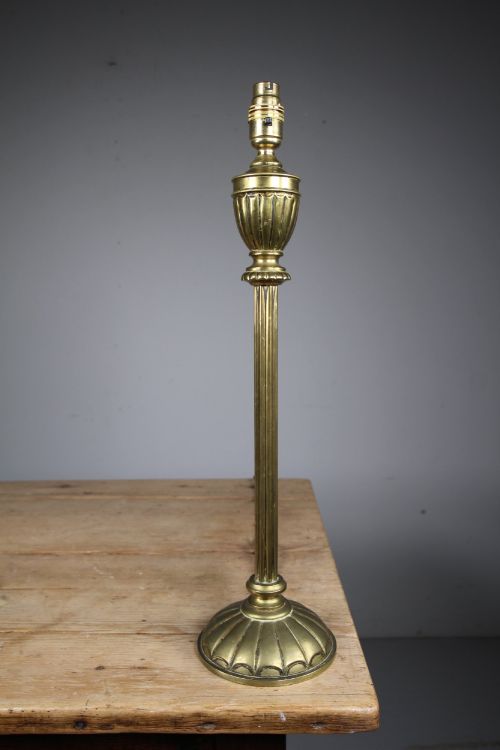
The distinction between standard and finer examples rests in the crispness of the brass casting and the integrity of the original proportions. Finer column lamps and candlesticks display sharp, well-defined fluting on the shaft and substantial weight in the base, rather than lightweight pressed metal.
Quality also shows in the retention of original elements, such as maker markings, functional mechanisms on student and reading lamps, and period-appropriate glass or toleware shades. Pieces that preserve their authentic patination and heavy cast construction sit at the upper end of the range.
J.T. & Co
The Traditional Brass Table Light Glossary
- Corinthian column
- A lamp or candlestick shaft styled after the classical Greek architectural order, featuring ornate acanthus leaves and scrolls at the capital. This design was particularly popular during the Victorian and Edwardian periods.
- Ejector candlestick
- A candlestick fitted with an internal spring-loaded or sliding mechanism designed to push out the remaining stub of a wax candle. These items date primarily from the eighteenth and nineteenth centuries.
- Bouillotte lamp
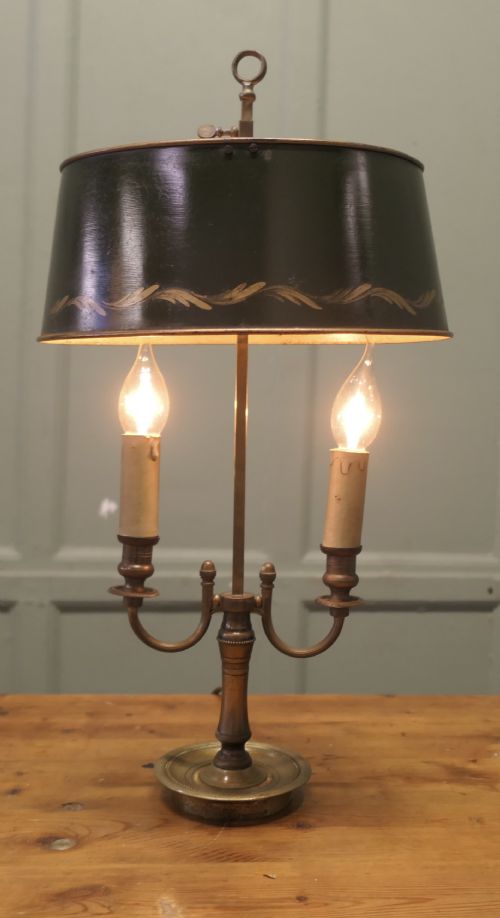
- A traditional desk or table light featuring a central metal shaft, a Toleware or metal shade that adjusts in height, and multiple candle arms. They originated in France for use during card games.
- Duplex burner
- A double-wick oil lamp burner mechanism introduced in the nineteenth century to provide a brighter, steadier flame. Lamps utilising this system often paired with heavy brass columns and etched glass shades.
- Toleware
- Painted or lacquered sheet metal, commonly utilised for lamp shades and desk accessories in green or other muted tones. It provides a directional, glare-free light source on bouillotte and reading lamps.
Traditional Brass Table Light: Frequently Asked Questions
Are these lamps safe for modern electrical use?
Many period pieces arrive rewired for modern use or require professional rewiring before installation. Buyers should consult an electrician to ensure compliance with current safety standards.
Original brass bodies often accommodate modern internal wiring channels without altering the exterior appearance of the antique fixture.
How do I distinguish Victorian from Edwardian brass lights?
Victorian examples tend to feature heavier proportions, robust cast brass columns, and elaborate ornamentation like Corinthian capitals or etched glass shades. Edwardian designs often move toward cleaner neoclassical revival lines and lighter framing.
Examining the weight, construction seams, and associated shade styles helps clarify the likely manufacturing decade.
What is a student lamp?
A student lamp is a nineteenth-century reading light featuring an adjustable arm and a single font designed to burn kerosene or oil for focused illumination. They frequently include functional metal implements and heavy weighted bases.
These pieces were originally built for close desk work and offer directional light suitable for studies and libraries.
Can I use standard light bulbs with these?
Most converted lamps accept standard modern lamp fittings, provided the internal electrical components match the bulb base. The choice of bulb wattage depends on the shade material and wiring capacity.
Using low-heat LED bulbs helps protect delicate vintage glass or fabric shades from thermal stress.