

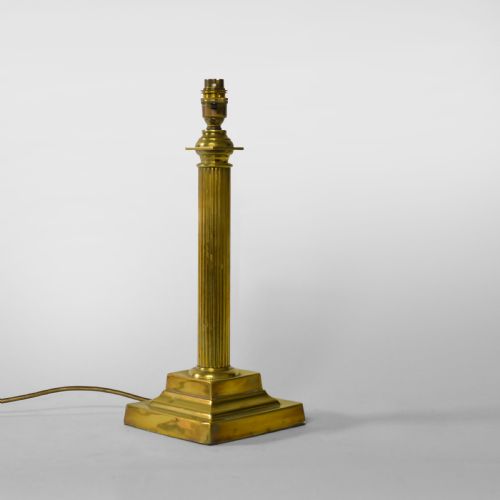


Antique Brass Sideboard Light
An antique brass sideboard light brings a commanding, warm presence to a room, illuminating surfaces with historical character and solid metal weight.
Antique Brass Sideboard Light
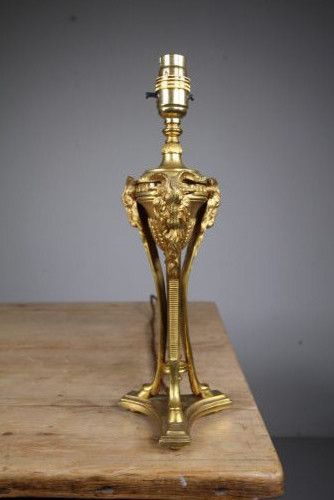
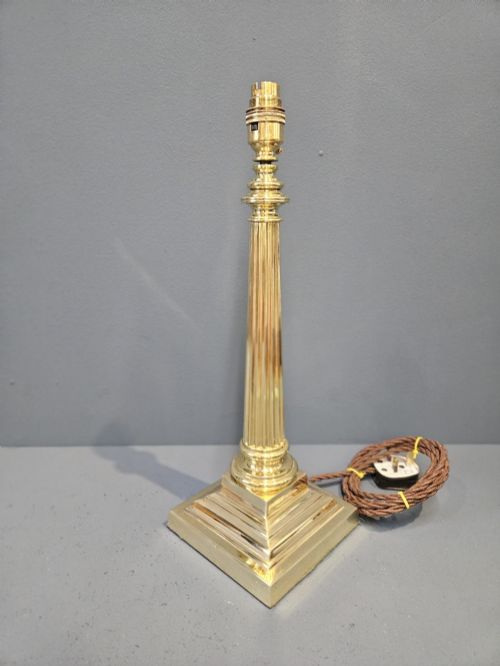
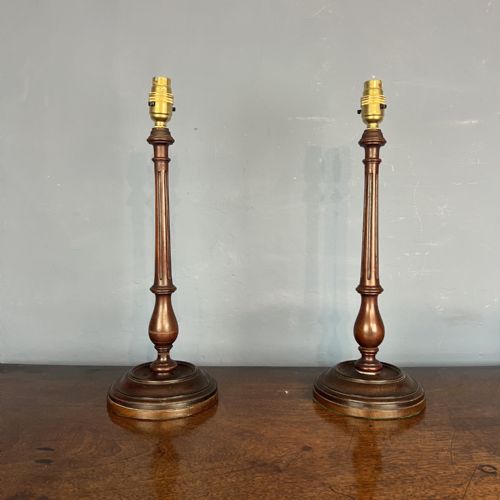
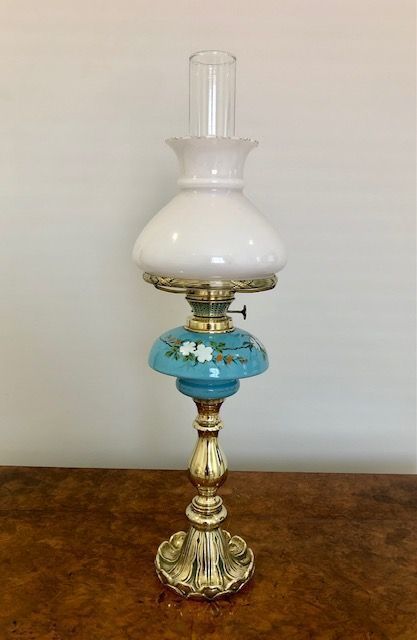
When searching for an antique brass sideboard light, you are looking at substantial metal lamps and candelabra designed to sit upon furniture surfaces rather than hang from ceilings. These pieces span periods from the mid-nineteenth century through the Edwardian era and into the early twentieth century, taking the form of oil lamps, column lamps, and candelabra.
The most common examples you will encounter on this page date from the Victorian period, featuring classical architectural columns or heavy cast bases. Alongside pure brass, these sideboard lights often incorporate bronze, gilt bronze, ormolu, and glass components such as cut crystal or opaline.
Many of these items originated as oil lamps or candlesticks before being converted for electrical use, while others date from the early twentieth century as dedicated electric fittings. Their forms draw on Neoclassical, Gothic Revival, and Empire styles, reflecting the decorative tastes of their respective decades.
How they were made
The construction of these sideboard lights relies heavily on cast and turned brass, often combined with bronze, gilt bronze, or ormolu to create varied surface textures. Metalworkers utilised heavy casting techniques for structural stability, particularly in architectural column and obelisk forms.
Glass elements such as cut glass, lead crystal, and opaline glass were integrated directly into the metal mounts, requiring precise fitting by makers. Fabric components and wiring represent later adaptations to modern electrical standards, while the primary metal and glass structures remain original.
Materials recorded across current items include heavy cast brass, gilt bronze, lead crystal, and marble alongside fabric shades.
What varies in quality
Quality in these pieces is determined by the crispness of the metal casting and the weight of the materials used in the base and column. Superior examples display sharply defined fluting on Corinthian or ionic columns and heavy, substantial brass or bronze foundations.
The integration of secondary materials also dictates the standard of the piece, with high-end items featuring genuine cut crystal, finely chased ormolu, or hand-blown opaline glass rather than simpler moulded alternatives.
Osler
The Antique Brass Sideboard Light Glossary
- Ormolu
- A gilt bronze finish applied to decorative metal objects. This technique involves coating bronze with a finely ground gold-mercury amalgam.
- Opaline glass
- A type of semi-opaque glass popular in the nineteenth century. It often appears in soft white or pastel shades on lamp bodies.
- Corinthian column
- A classical architectural order featuring ornate capitals decorated with acanthus leaves. Many nineteenth-century table lamps adopt this column style.
- Cut glass
- Glass decorated by grinding facets into the surface using a wheel. This technique enhances the sparkle of light passing through the material.
- Gilt bronze
- Bronze that has been treated with a thin layer of gold to give a rich metallic sheen. It resists tarnishing better than untreated brass.
Antique Brass Sideboard Light: Frequently Asked Questions
What is an antique brass sideboard light?
These pieces are table lamps and candelabra cast in brass, bronze, and ormolu, designed to sit on sideboards and furniture surfaces to provide ambient illumination.
They combine metalwork with glass components such as crystal, opaline, or cut glass, drawing on classical and revivalist design styles from the nineteenth and early twentieth centuries.
How do I date a brass table lamp?
Dating relies on observing stylistic markers, such as the proportions of classical columns, the presence of Gothic revival motifs, or the transition from oil-burning fonts to electrical fittings.
Material combinations also offer clues, as specific glass types and bronze finishing techniques correspond closely to Victorian and Edwardian manufacturing periods.
Were these lamps originally electric?
Many older examples started life as oil lamps or candlesticks before being converted to use electricity at a later date. Dedicated electric lamps and candelabra appear more frequently in pieces dating from the early twentieth century onwards.
Conversions are standard for nineteenth-century lighting and allow historical metalwork to function in modern interiors.
How do I care for antique brass?
Antique brass requires gentle cleaning with a soft, dry cloth to remove dust without disturbing the aged patina accumulated over decades. Avoid harsh chemical polishes that strip away historical character and the subtle variations in the metal finish.